
De aankondiging aan Joachim — History & Facts
Could a single brushstroke hold eternity? In the intricate dance of light and shadow within a moment, De aankondiging aan Joachim captures the profound weight of divine revelation and human anticipation. Look to the left, where the figure of Joachim stands under a delicate archway, his expression a blend of surprise and awe. The soft light bathes him, illuminating the rich textures of his garments, while the angel, resplendent in flowing robes, seems to emanate ethereal radiance. Notice how the artist's meticulous attention to detail enables the viewer to feel the tension in the air, the anticipation vibrating like a taut string.
The careful use of color, shifting from warm earthy tones to vibrant celestial hues, beckons the eye to follow the graceful movement between the figures, creating a rhythm that pulses through the composition. Delve deeper into the emotional currents at play; the juxtaposition of Joachim’s earthly concern against the angel’s heavenly promise speaks to the universal struggle between doubt and faith. The archway serves not merely as a structural element but as a gateway, symbolizing the passage from despair to hope—a reminder of the transformative power of divine intervention. Each brushstroke carries with it the weight of history, the promise of lineage, and the invisible bond between the earthly and the divine. Dürer painted this masterpiece between 1502 and 1506 during a pivotal time in his career, marked by a growing exploration of human emotion and spirituality.
Working in Nuremberg, he was at the forefront of the Northern Renaissance, where art was becoming deeply intertwined with personal and religious narratives, reflecting the broader shifts in society and thought. As he sought to blend meticulous craftsmanship with emotional depth, De aankondiging aan Joachim stands as a testament to his visionary approach, inviting viewers to reflect on their own encounters with the sacred.
More Artworks by Albrecht Dürer
Browse all →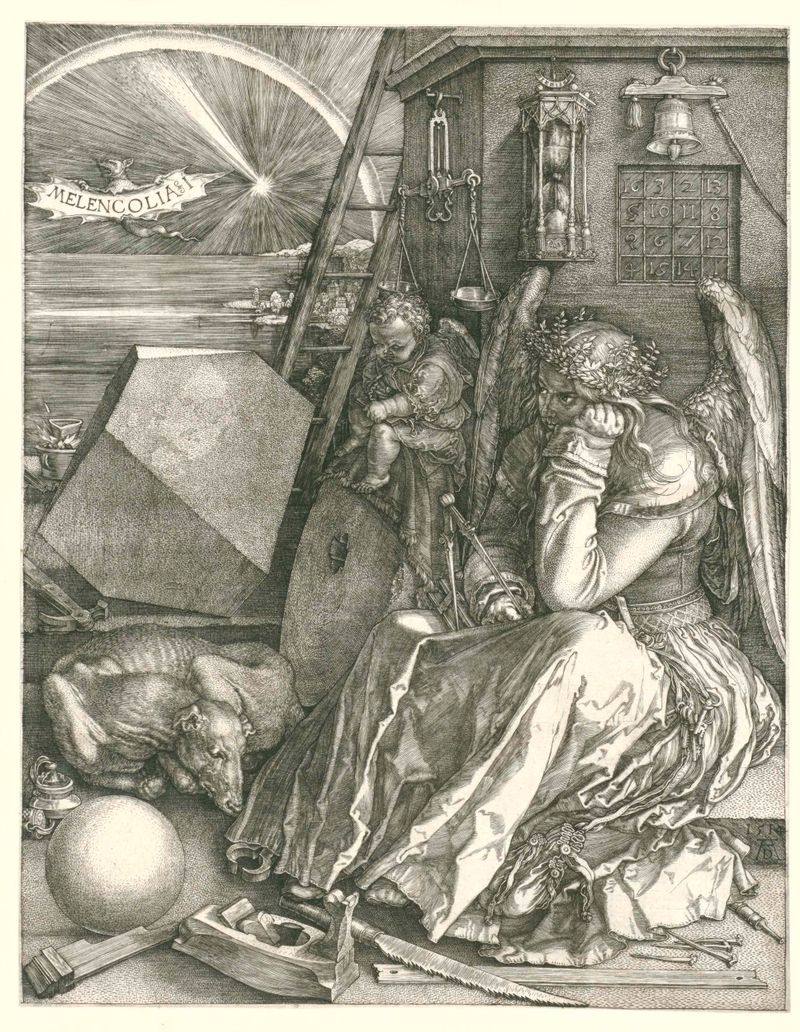
Melancholia
Albrecht Dürer
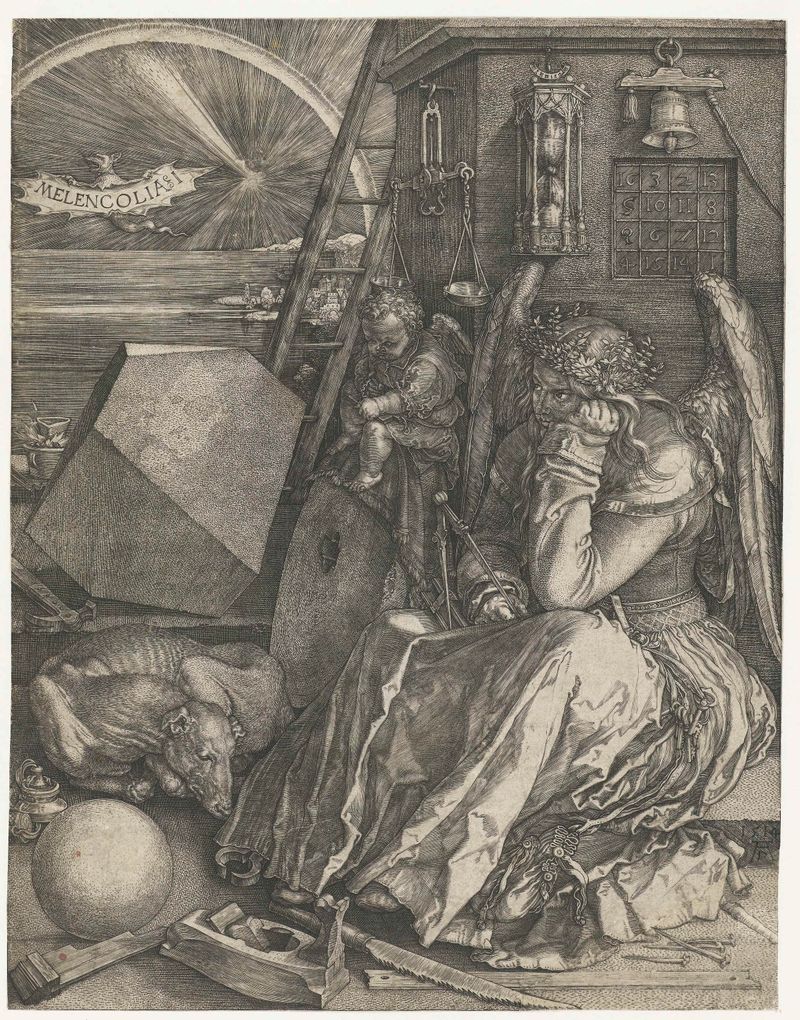
Melancholie
Albrecht Dürer
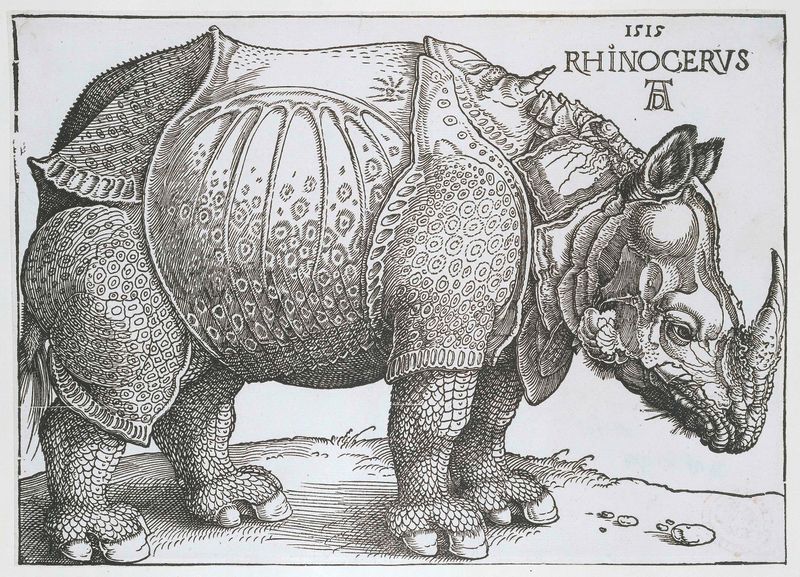
Neushoorn
Albrecht Dürer
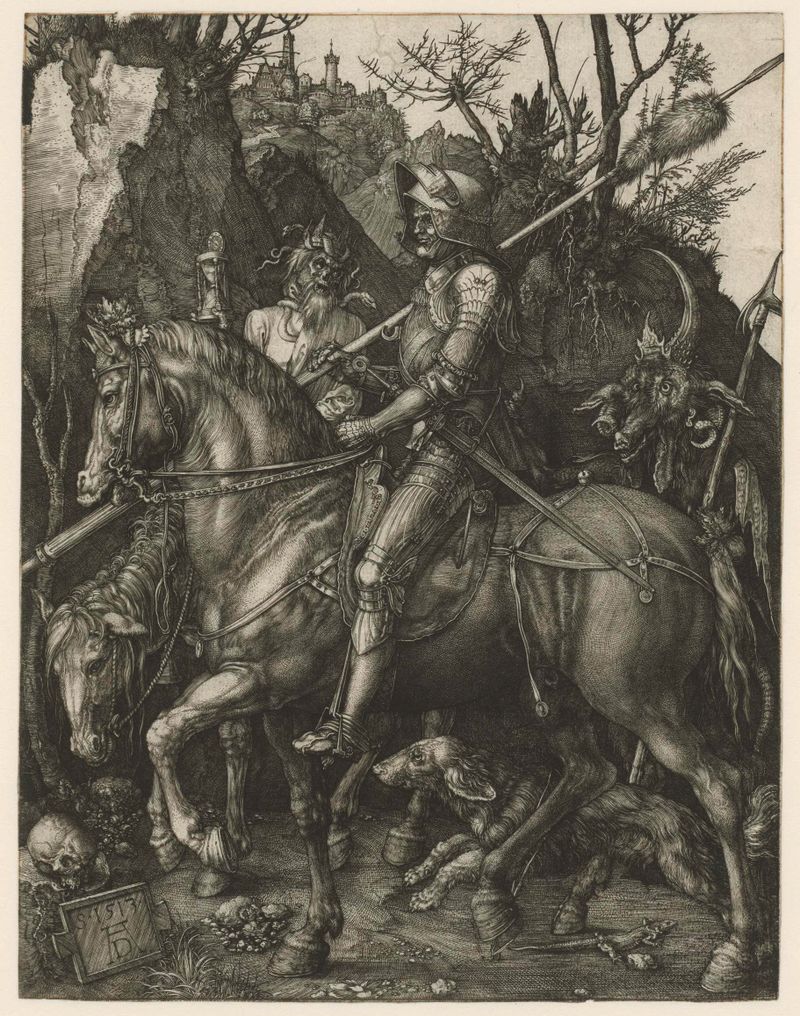
Knight, Death, and the Devil
Albrecht Dürer

De vier ruiters van de apocalyps
Albrecht Dürer

De vier ruiters van de apocalyps
Albrecht Dürer
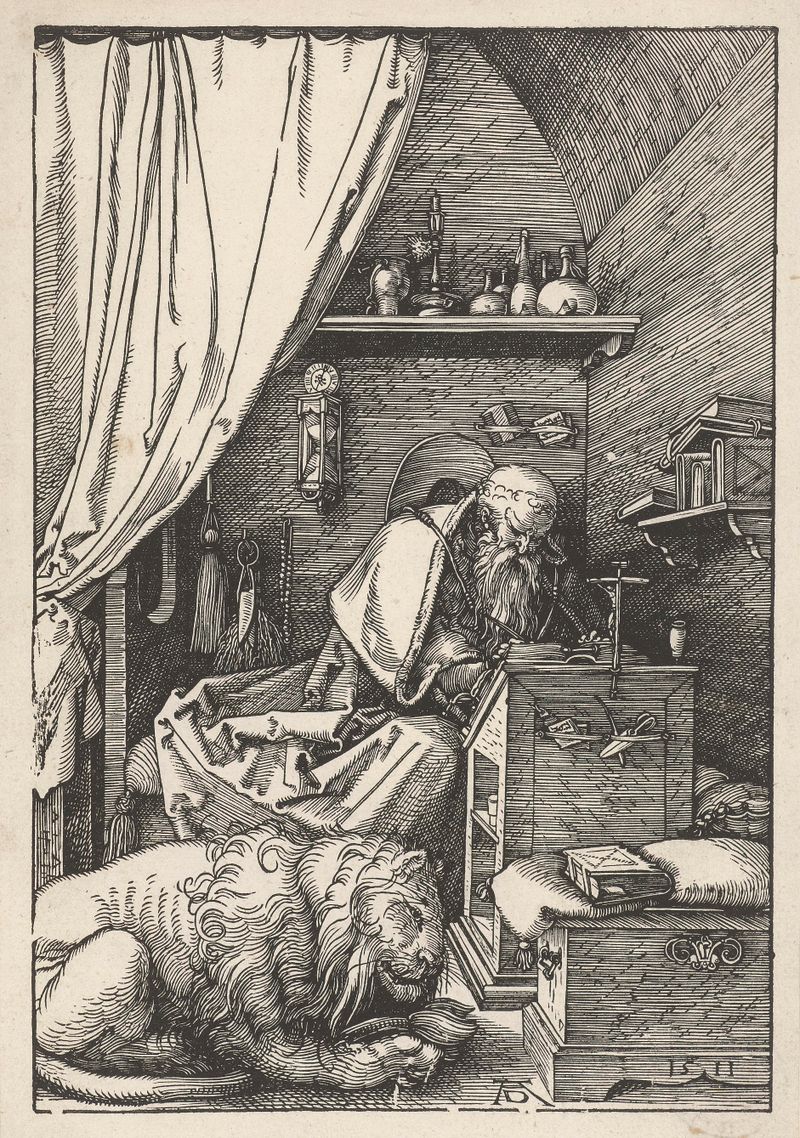
De Heilige Hiëronymus in zijn studeervertrek
Albrecht Dürer
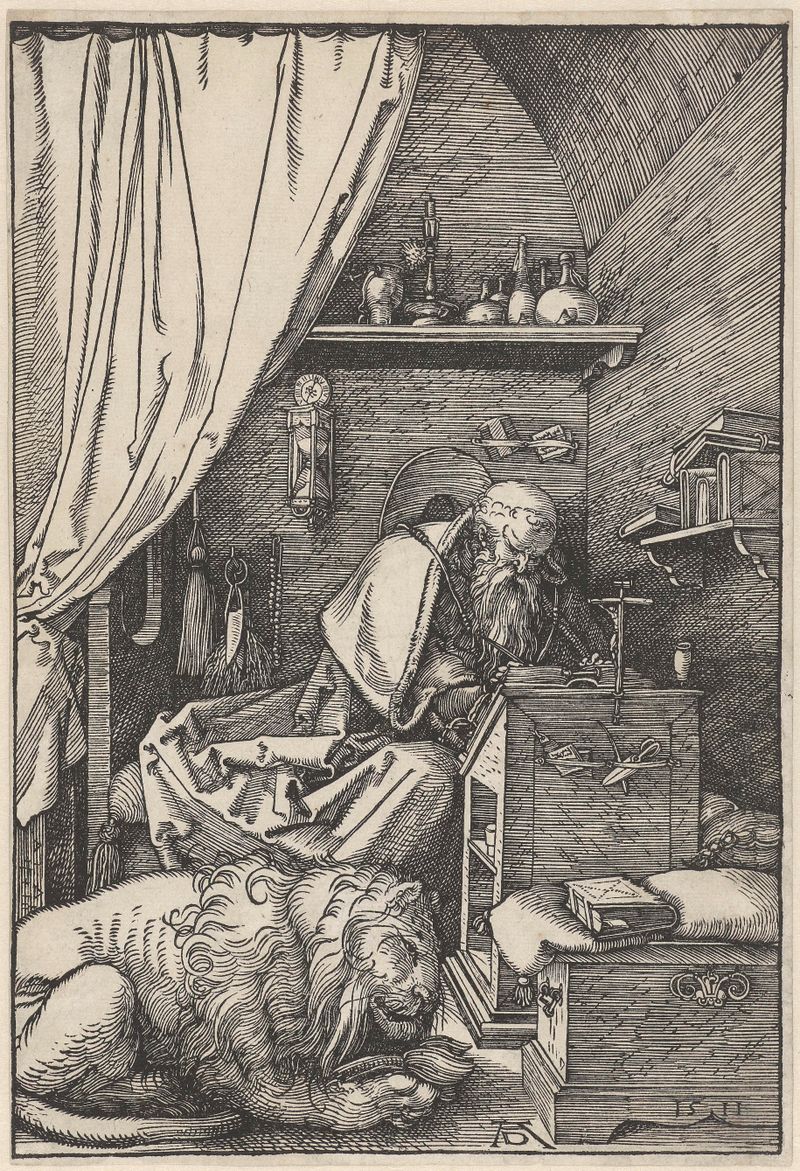
De Heilige Hiëronymus in zijn studeervertrek
Albrecht Dürer
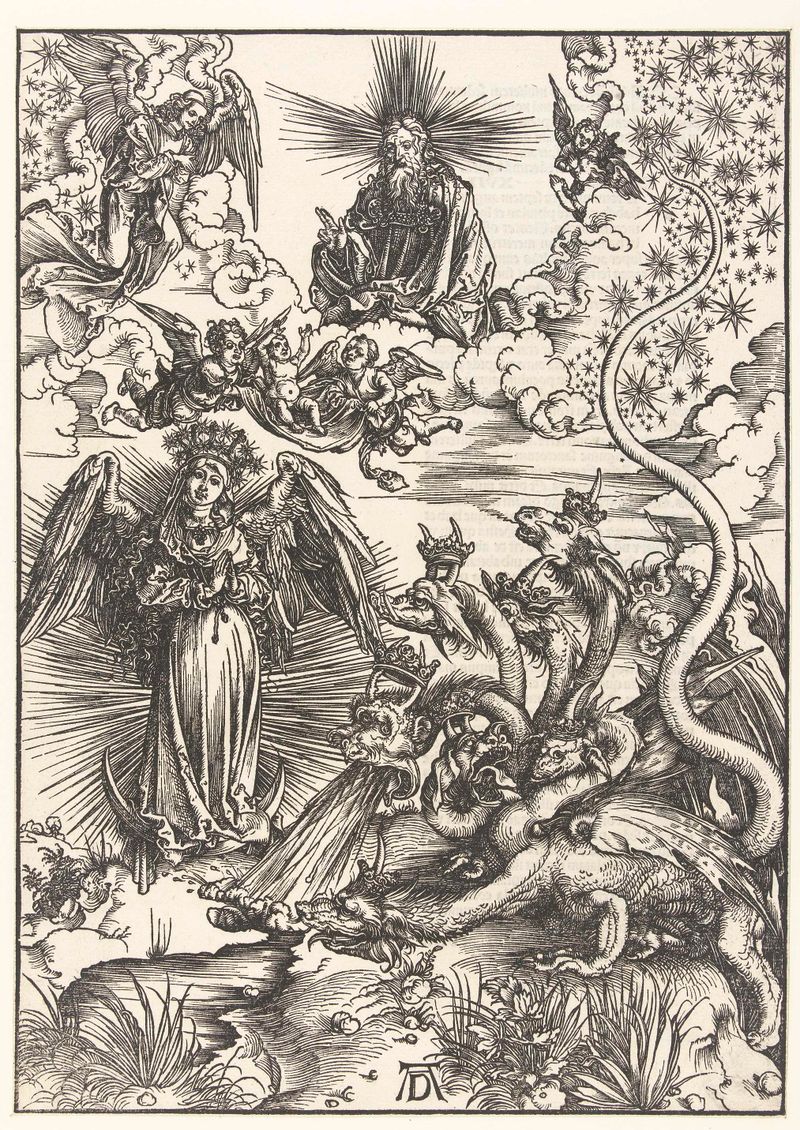
De apocalyptische vrouw en de zevenkoppige draak
Albrecht Dürer
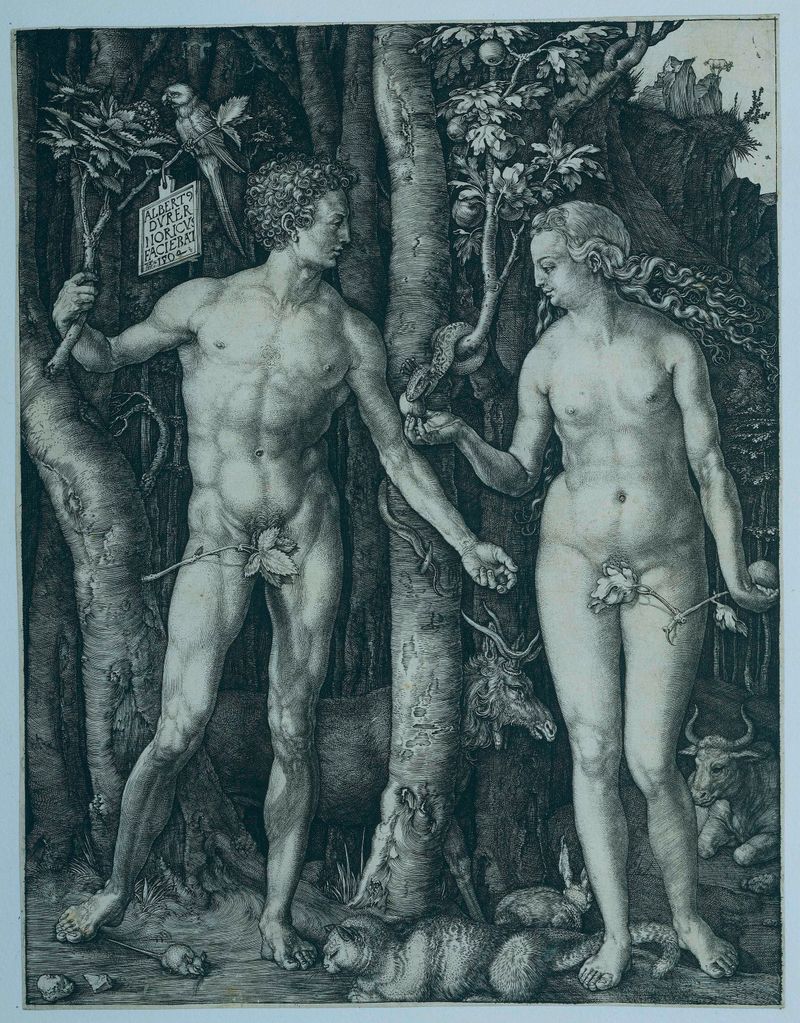
Adam en Eva
Albrecht Dürer
More Religious Art
Browse all →
The Return of the Prodigal Son
Rembrandt van Rijn

The Garden of Earthly Delights
El Bosco

Count Orgaz’ funeral
El Greco

The Hundred Guilder Print: the central piece with Christ preaching, the plate arched
Rembrandt van Rijn

The Descent from the Cross
Rogier van der Weyden

The return of the prodigal son
Rembrandt van Rijn