
De aankondiging aan Joachim — History & Facts
In the delicate balance between illumination and shadow, we find an echo of truth that resonates through time. Look to the center of the composition, where Joachim stands, his body caught in a moment of revelation. The ethereal light cascades from above, illuminating his furrowed brow and the intricate folds of his garment, a striking contrast to the dim, muted tones surrounding him. Notice how the artist meticulously renders the textures of fabric and skin, each brushstroke an invitation to explore the figure's inner turmoil, blending both realism and a hint of the divine. Beyond the initial impression lies a narrative of hope and despair.
The figures surrounding Joachim, their expressions ranging from curiosity to reverence, amplify the tension of the moment. The contrasting colors, warm golds against cool blues, symbolize the clash between earthly existence and celestial promise, evoking a deeper meditation on faith and anticipation. The placement of Joachim within this sacred space suggests a transformative threshold, a gateway between the mundane and the miraculous, where light serves both as a guide and a harbinger of impending change. In 1511, Albrecht Dürer was immersed in a world of artistic innovation while residing in Nuremberg, a hub of Renaissance thought.
This period marked significant developments in printmaking and the exploration of human emotion in art. Dürer’s encounter with profound spiritual themes during this time led him to create De aankondiging aan Joachim, a work reflective not only of his artistic prowess but also of a broader cultural awakening across Europe.
More Artworks by Albrecht Dürer
Browse all →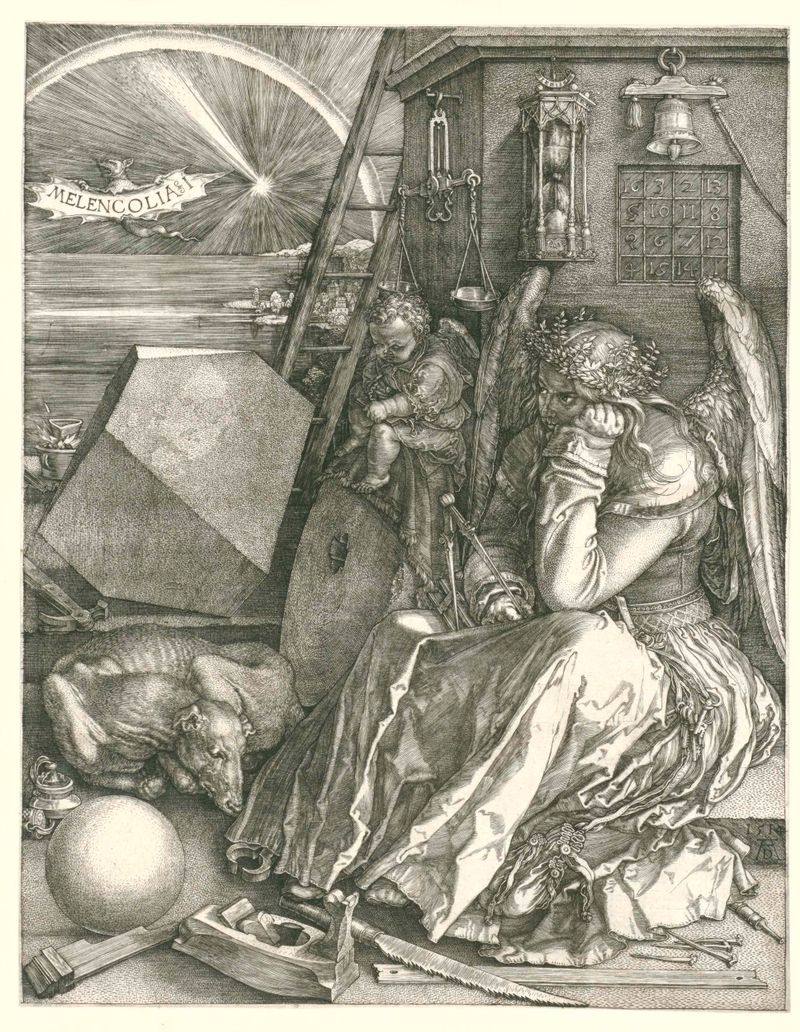
Melancholia
Albrecht Dürer
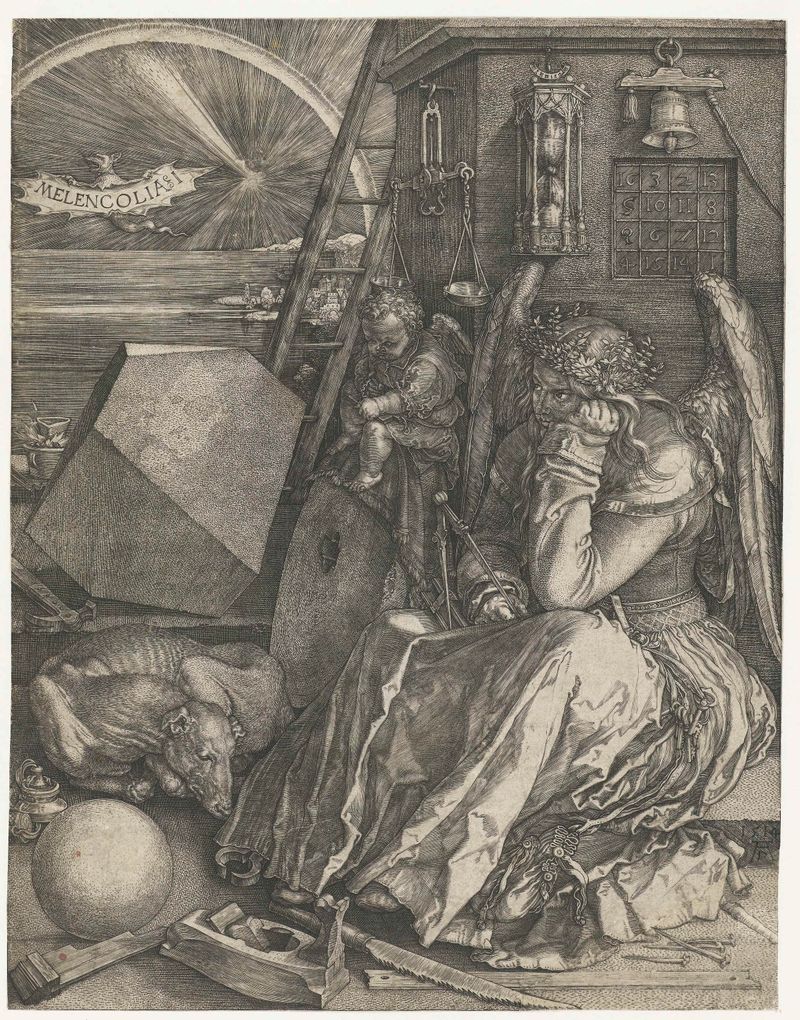
Melancholie
Albrecht Dürer
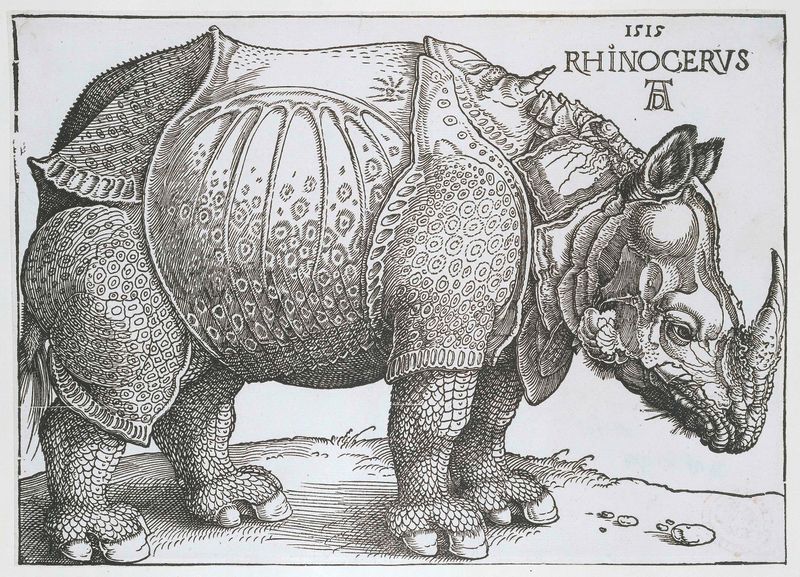
Neushoorn
Albrecht Dürer
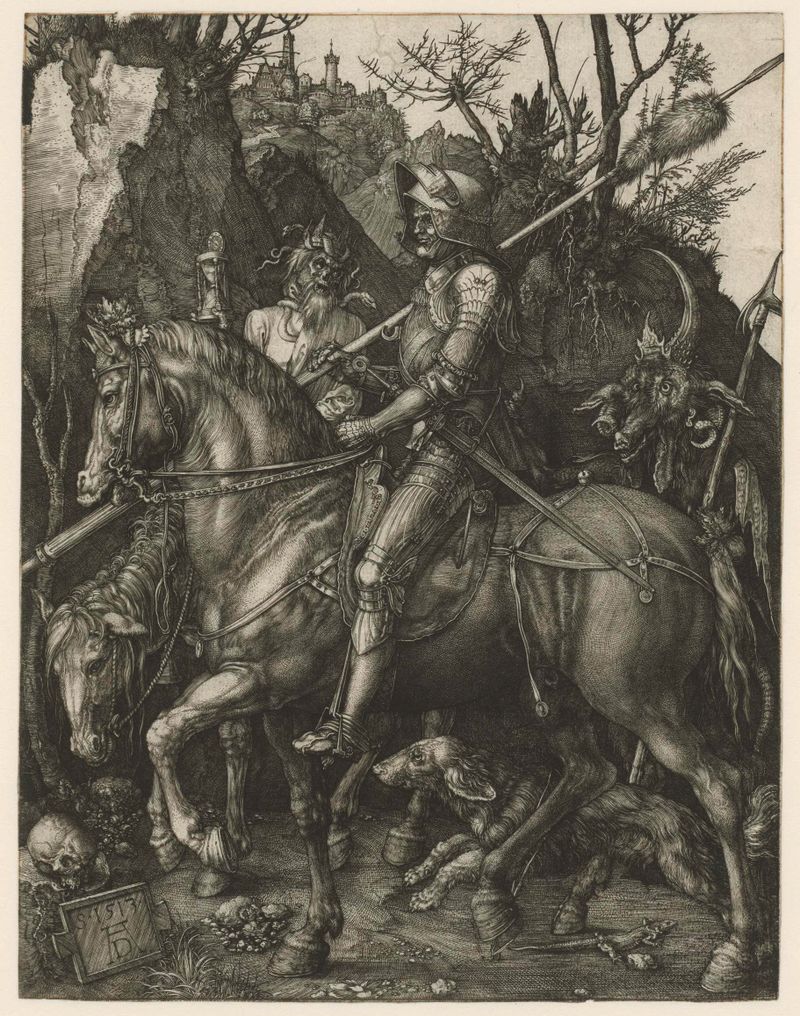
Knight, Death, and the Devil
Albrecht Dürer

De vier ruiters van de apocalyps
Albrecht Dürer

De vier ruiters van de apocalyps
Albrecht Dürer
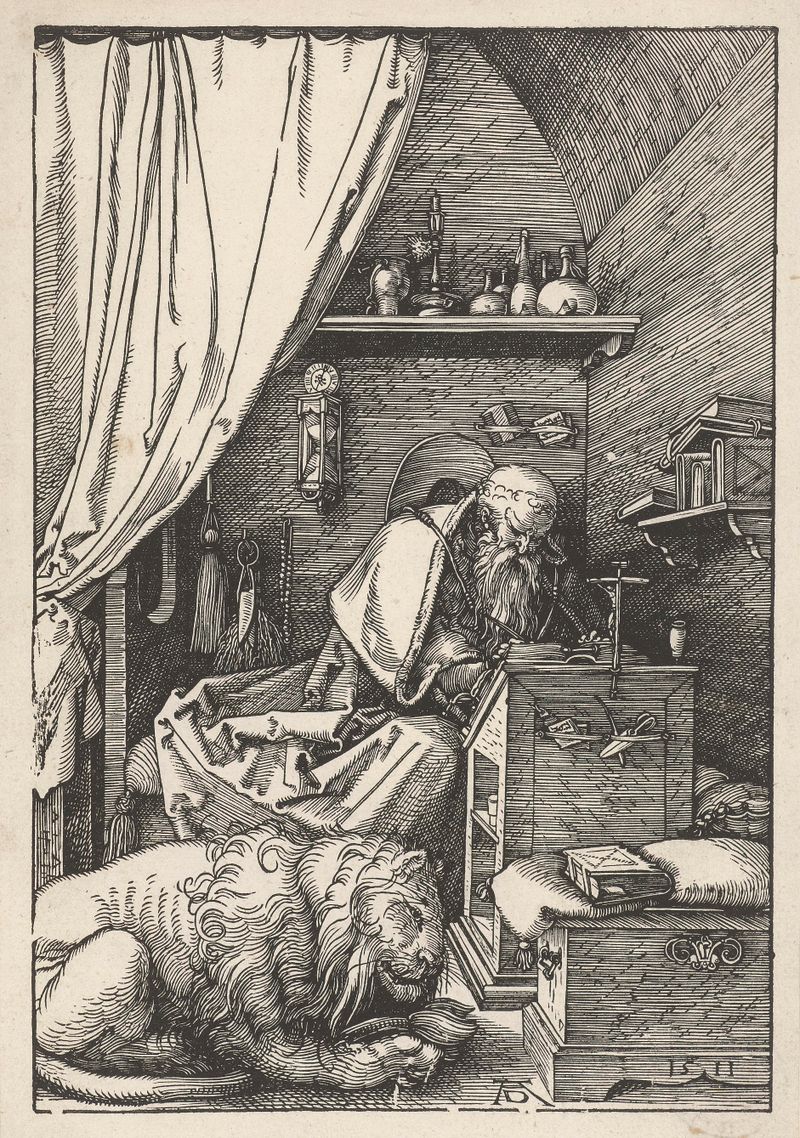
De Heilige Hiëronymus in zijn studeervertrek
Albrecht Dürer
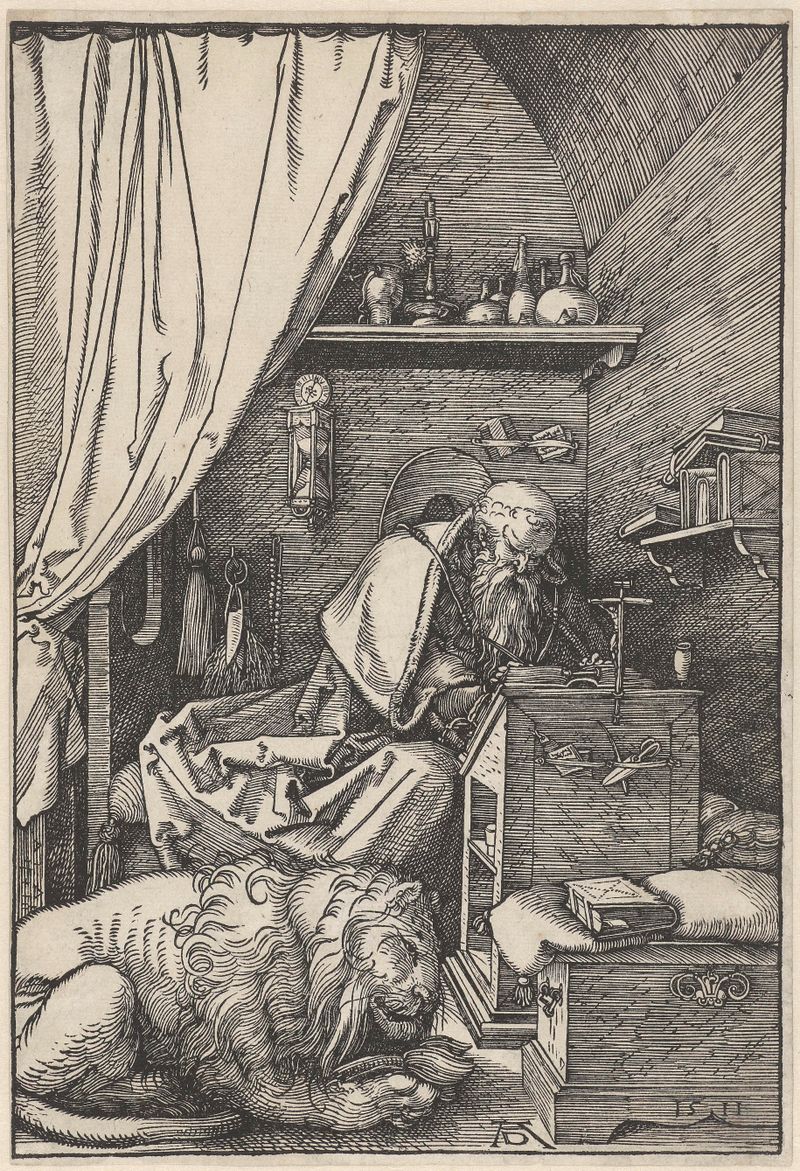
De Heilige Hiëronymus in zijn studeervertrek
Albrecht Dürer
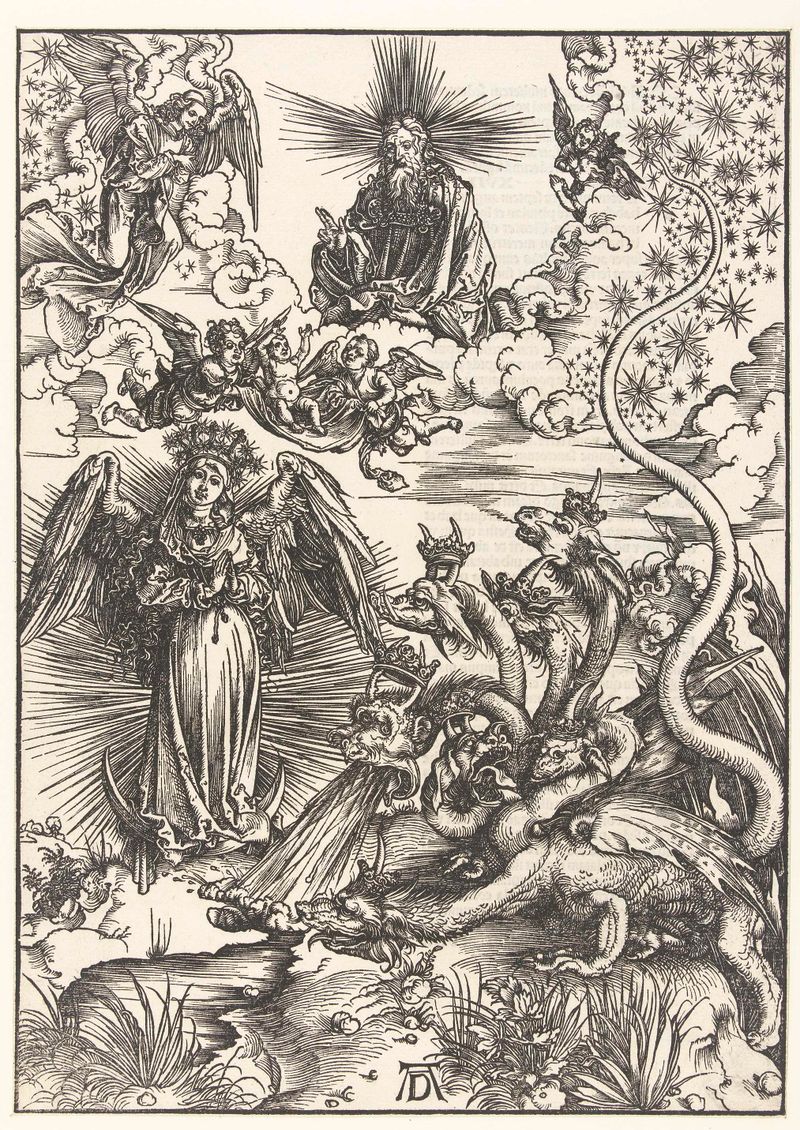
De apocalyptische vrouw en de zevenkoppige draak
Albrecht Dürer
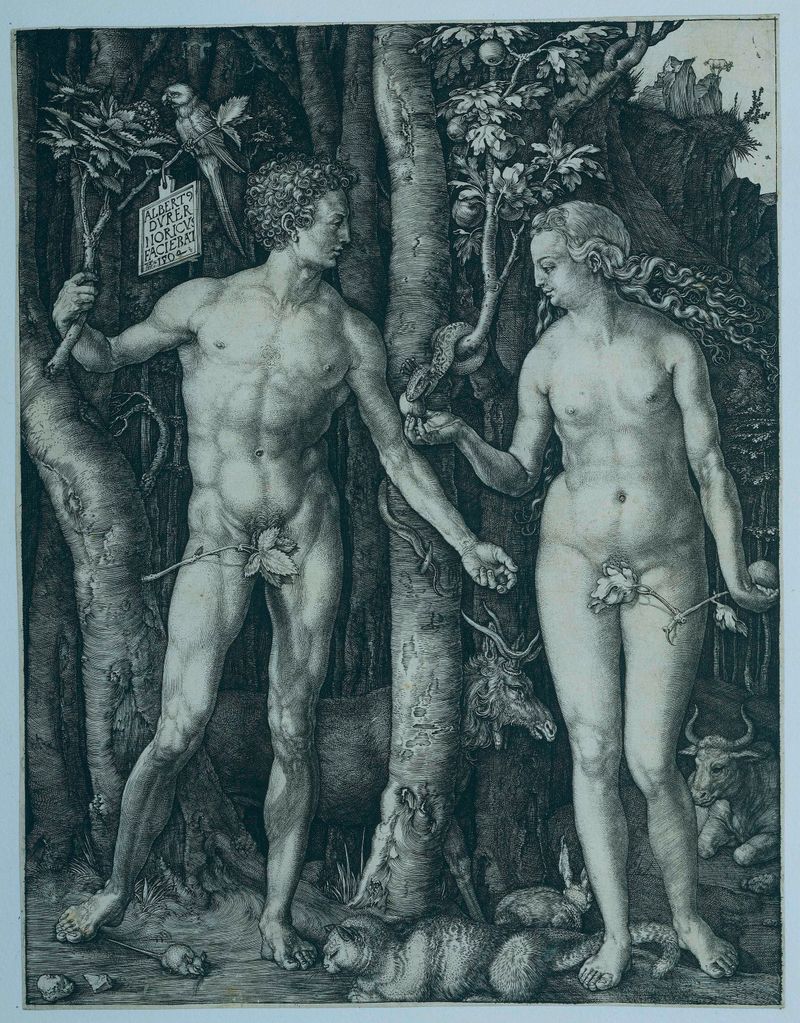
Adam en Eva
Albrecht Dürer
More Religious Art
Browse all →
The Return of the Prodigal Son
Rembrandt van Rijn

The Garden of Earthly Delights
El Bosco

Count Orgaz’ funeral
El Greco

The Hundred Guilder Print: the central piece with Christ preaching, the plate arched
Rembrandt van Rijn

The Descent from the Cross
Rogier van der Weyden

The return of the prodigal son
Rembrandt van Rijn