
De apostel Paulus — History & Facts
Can paint confess what words never could? In the hands of a master, the canvas becomes a vessel for spiritual awakening, inviting the viewer to delve deeper than mere appearance. Look closely at the figure of the apostle, who commands attention with his piercing gaze and gesturing hand. The meticulously rendered details of his robe, a rich interplay of ochres and muted reds, contrast profoundly with the stark white of his collar. Notice how the light bathes his face, creating a divine glow that seems to emanate from within, as if he teeters on the brink of revelation—an embodiment of wisdom and fervent devotion. Yet, it is the subtle elements that resonate most.
The intricate folds of his garments suggest the weight of experience, while the slight furrow in his brow conveys an inner turmoil, reflecting a life steeped in conviction and challenge. The background, though simplified, serves to isolate and elevate the figure, emphasizing the tension between earthly existence and celestial aspirations. Here lies the artist's masterstroke—Dürer evokes the complexity of faith, fraught with doubt and enlightenment, through the simplicity of form and color. In 1514, Albrecht Dürer painted this remarkable work during a time of great personal and artistic exploration.
He had recently returned to Nuremberg after his travels in Italy, where encounters with the Renaissance's humanist ideals profoundly influenced his work. The art world was shifting, embracing new perspectives, and Dürer, at the forefront, sought to merge these ideas with his Northern traditions, creating a dialogue between the sacred and the human experience that remains timeless.
More Artworks by Albrecht Dürer
Browse all →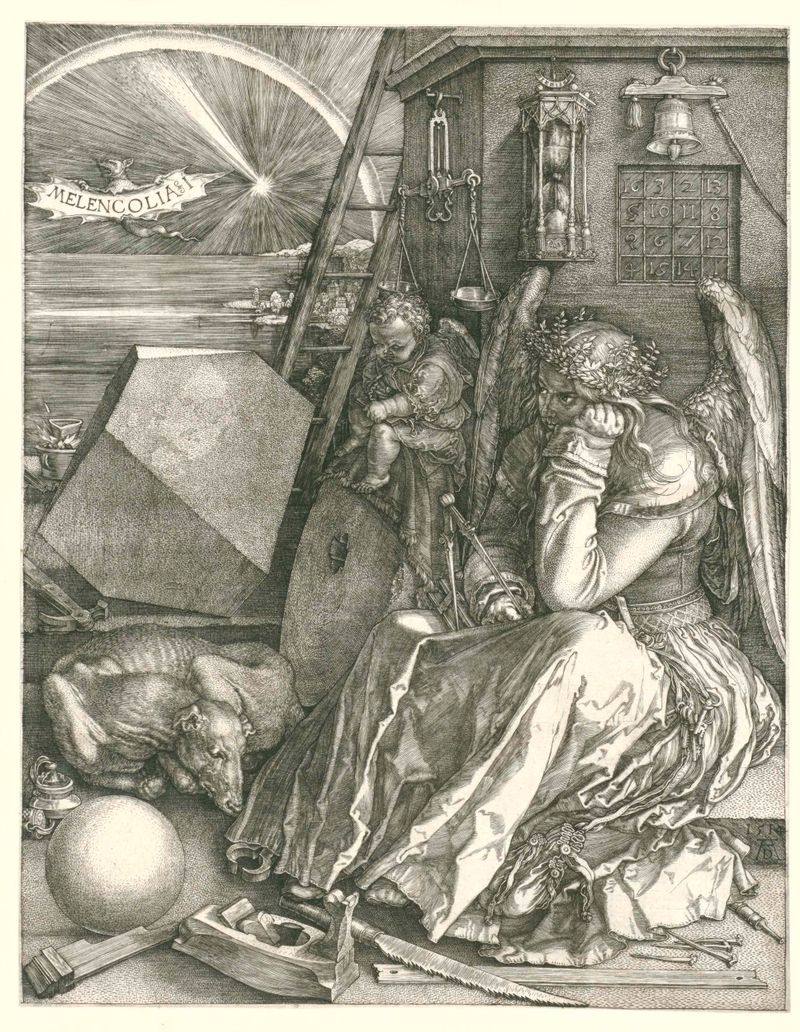
Melancholia
Albrecht Dürer
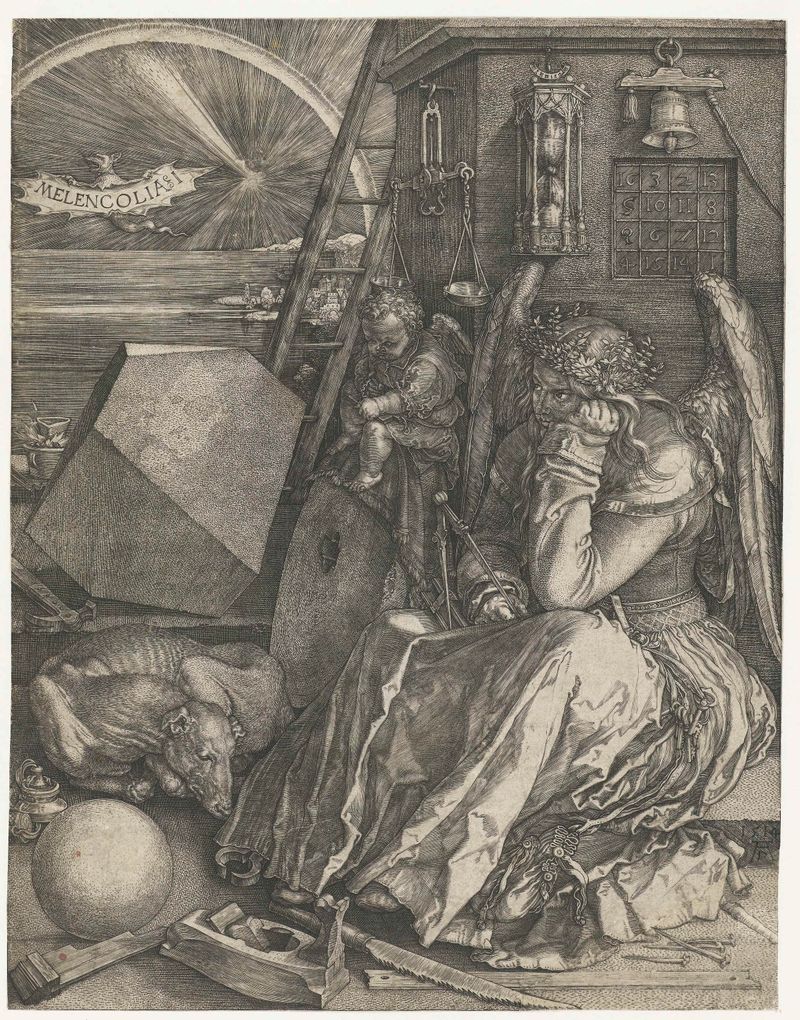
Melancholie
Albrecht Dürer
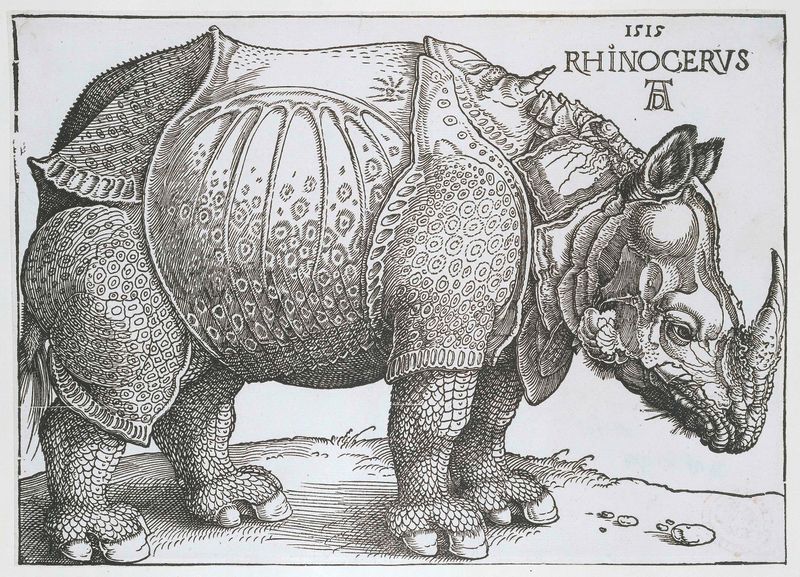
Neushoorn
Albrecht Dürer
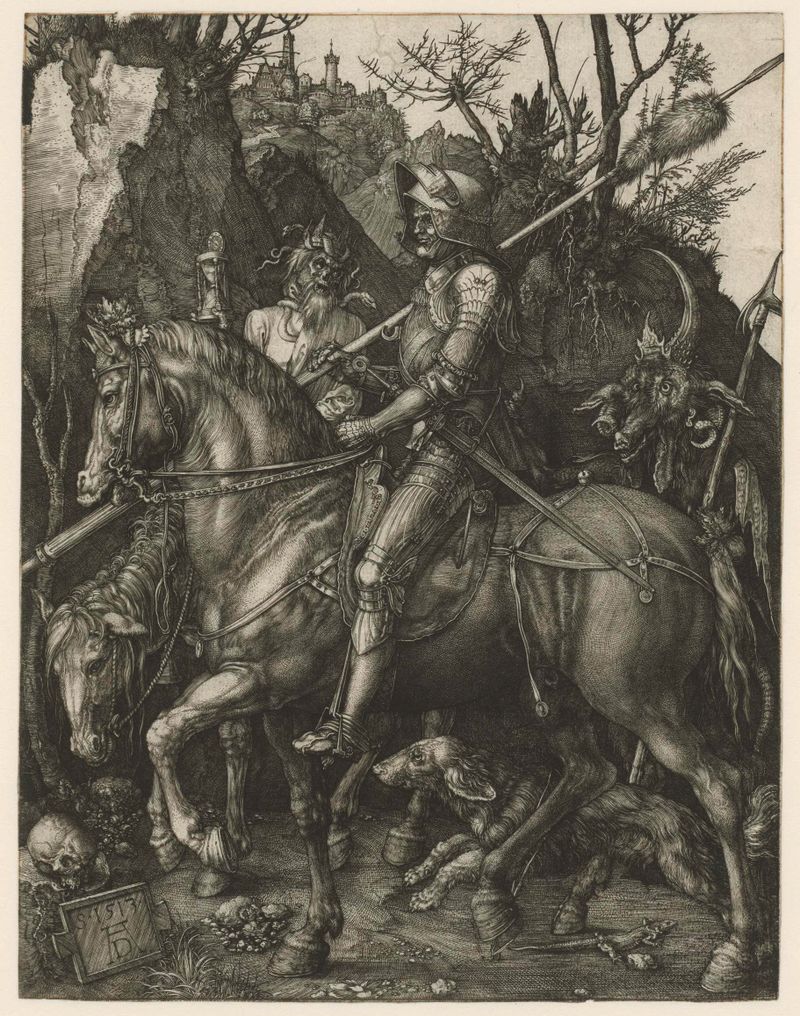
Knight, Death, and the Devil
Albrecht Dürer

De vier ruiters van de apocalyps
Albrecht Dürer

De vier ruiters van de apocalyps
Albrecht Dürer
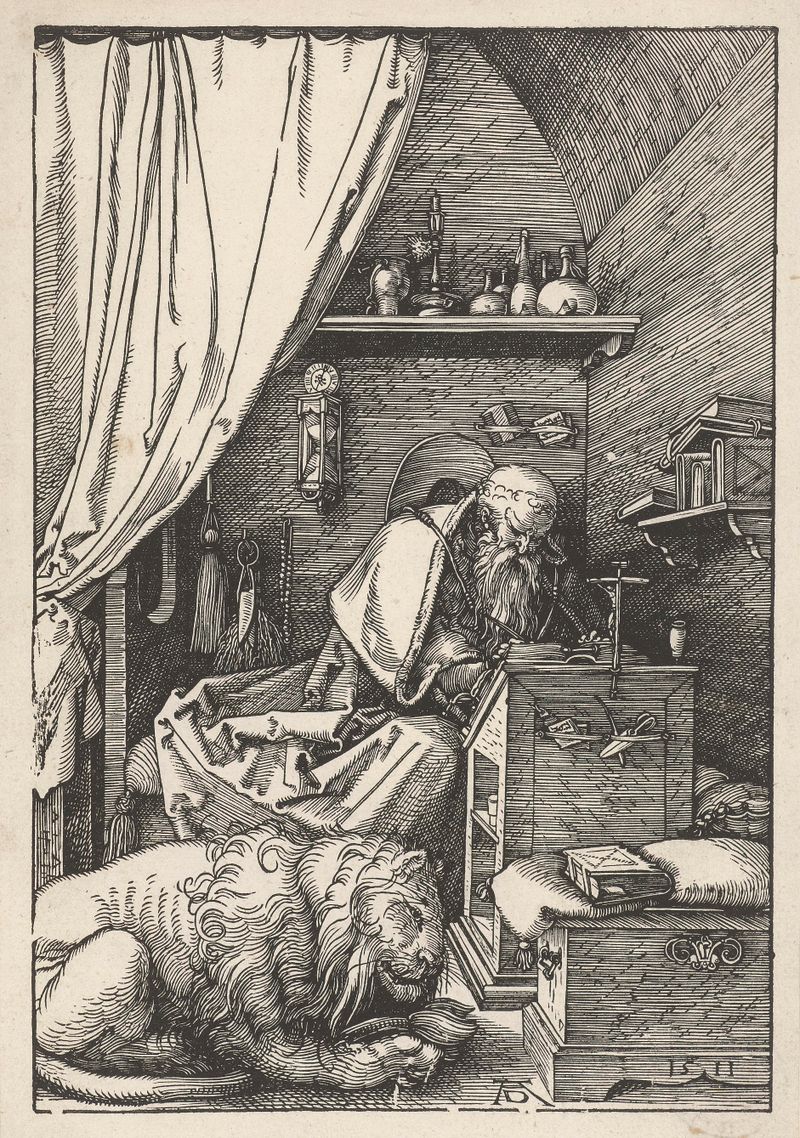
De Heilige Hiëronymus in zijn studeervertrek
Albrecht Dürer
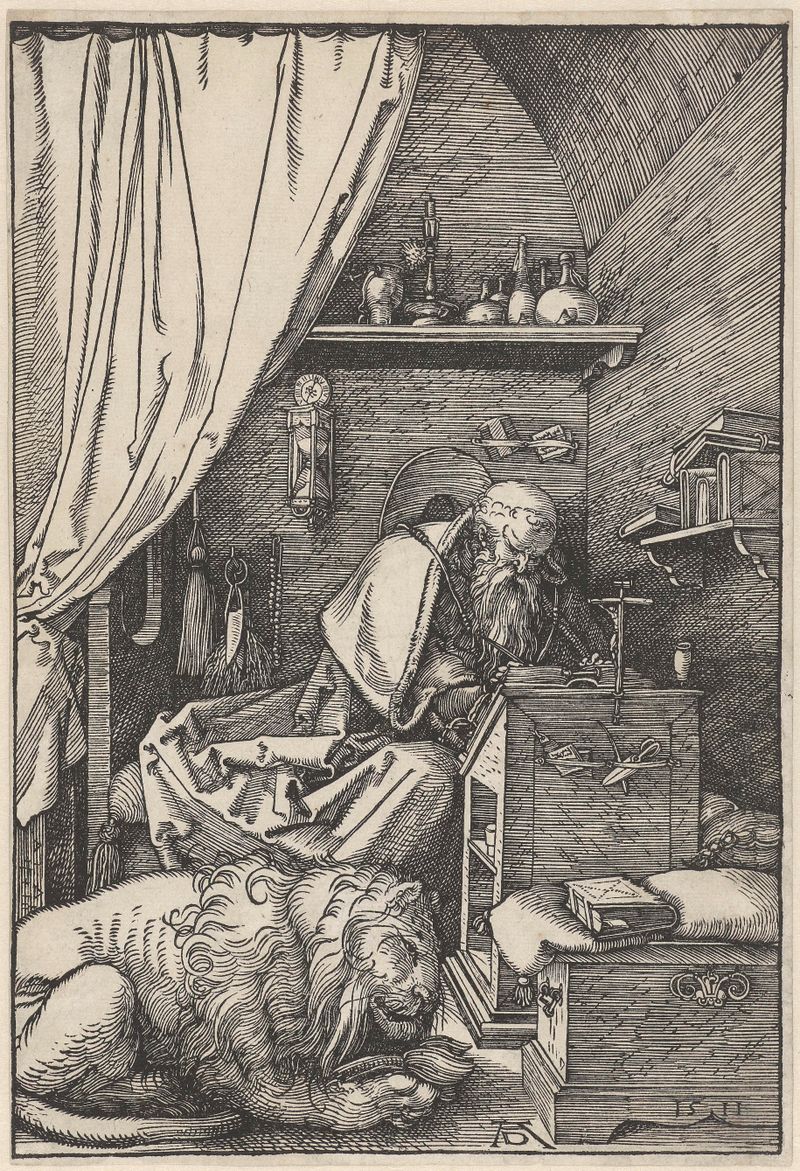
De Heilige Hiëronymus in zijn studeervertrek
Albrecht Dürer
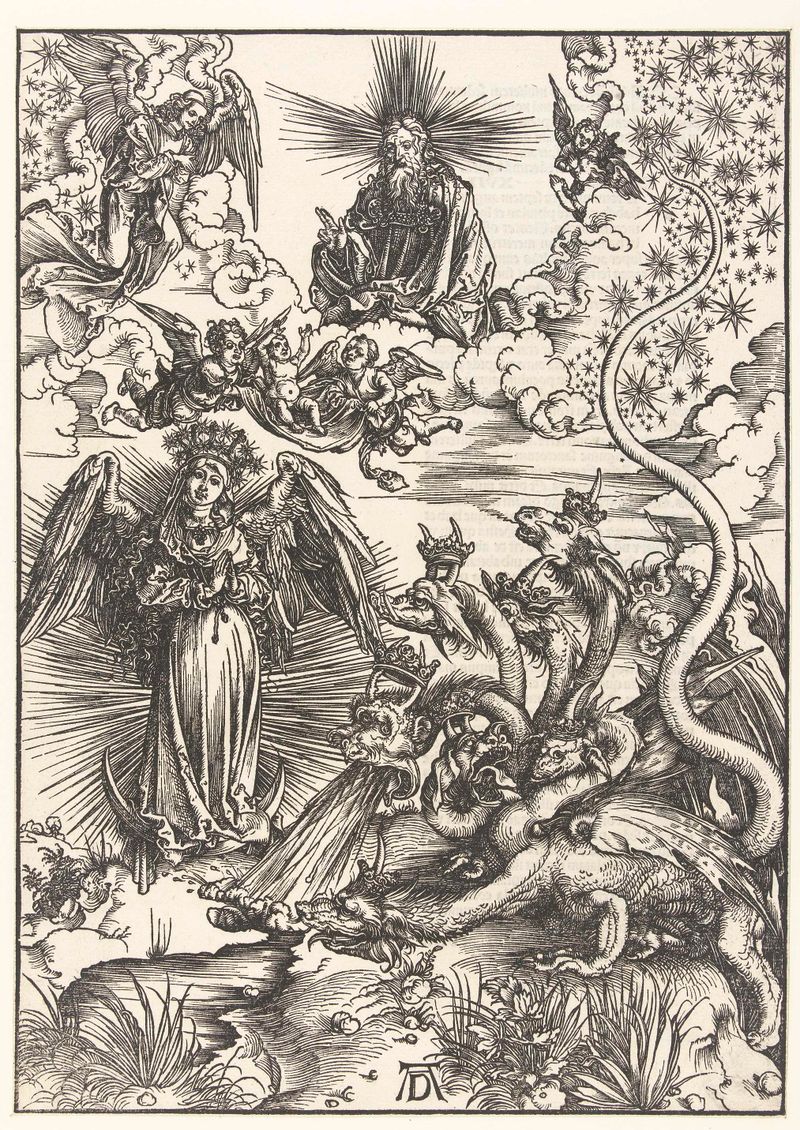
De apocalyptische vrouw en de zevenkoppige draak
Albrecht Dürer
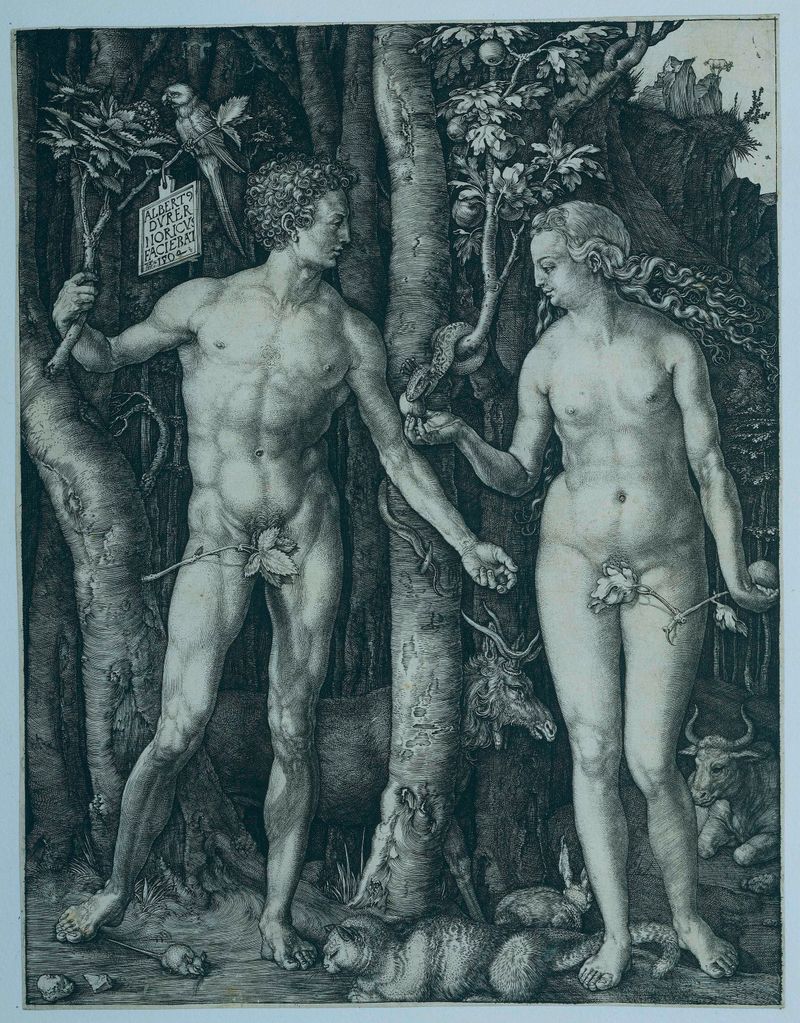
Adam en Eva
Albrecht Dürer
More Religious Art
Browse all →
The Return of the Prodigal Son
Rembrandt van Rijn

The Garden of Earthly Delights
El Bosco

Count Orgaz’ funeral
El Greco

The Hundred Guilder Print: the central piece with Christ preaching, the plate arched
Rembrandt van Rijn

The Descent from the Cross
Rogier van der Weyden

The return of the prodigal son
Rembrandt van Rijn