
De apostel Paulus en zijn martelaarschap — History & Facts
What if silence could speak through light? In De apostel Paulus en zijn martelaarschap, the interplay between illumination and shadow invites us into a profound stillness, revealing the weight of conviction and sacrifice. Look to the left at the figure of Saint Paul, cloaked in a flowing robe that catches light with a delicate sheen. His expression, serene yet resolute, draws the viewer in, while the softly muted color palette creates a contemplative atmosphere. Notice how the golden halo encircles his head, a symbol of divine presence, contrasting sharply with the darker, somber hues that frame the scene.
This deliberate use of light enhances the emotional gravity of the moment, making Paul’s martyrdom not just an event, but a poignant reflection on faith. Within the composition, subtle details whisper deeper truths. The stark contrast between light and dark mirrors the tension of Paul’s life—a man driven by conviction yet marked by tribulation. The sword, poised ominously near him, is a reminder of his impending fate, embodying the duality of inspiration and peril.
Additionally, the way the light cascades onto his hands evokes a sense of divine endorsement, suggesting that even in death, his voice will resonate, echoing through time. Created between 1510 and 1530, this work emerged during a period of significant religious upheaval in Europe. Allaert Claesz., an artist of the Northern Renaissance, was influenced by the growing interest in biblical narratives and human emotion. As Protestant Reformation ideas began to take root, Claesz.
captured not just a moment in time, but the essence of a transformative era, intertwining art with the spiritual struggles of his contemporaries.
More Artworks by Allaert Claesz.
Browse all →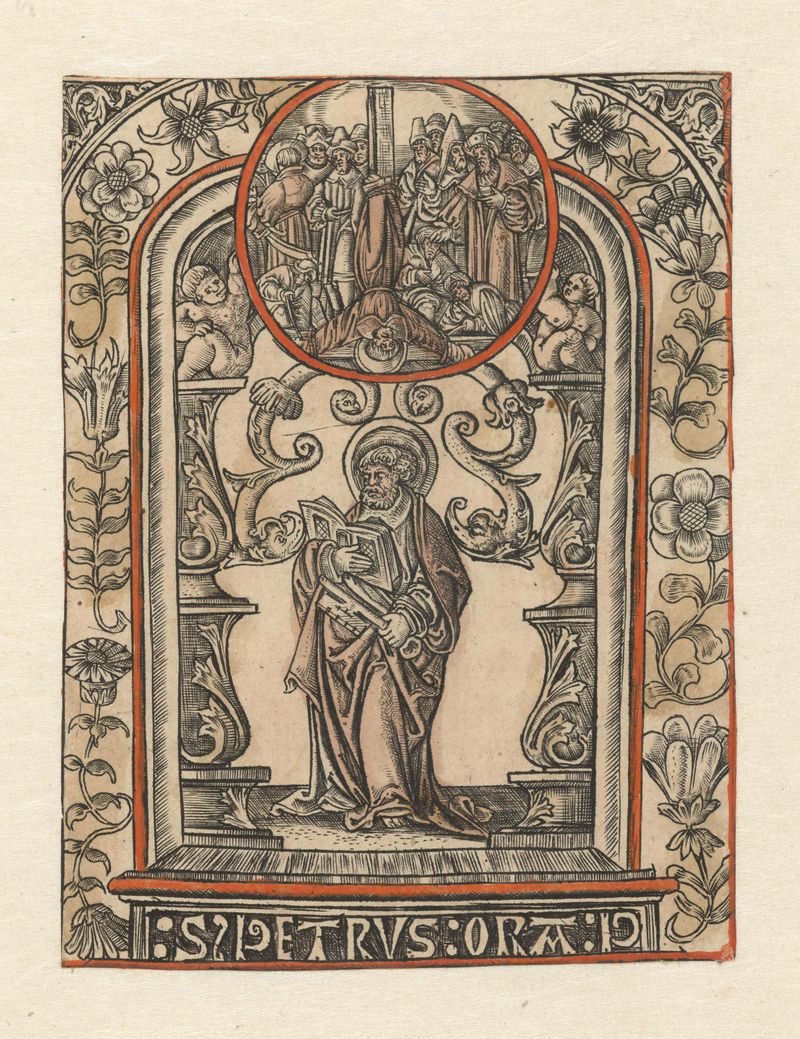
De apostel Petrus en zijn martelaarschap
Allaert Claesz.
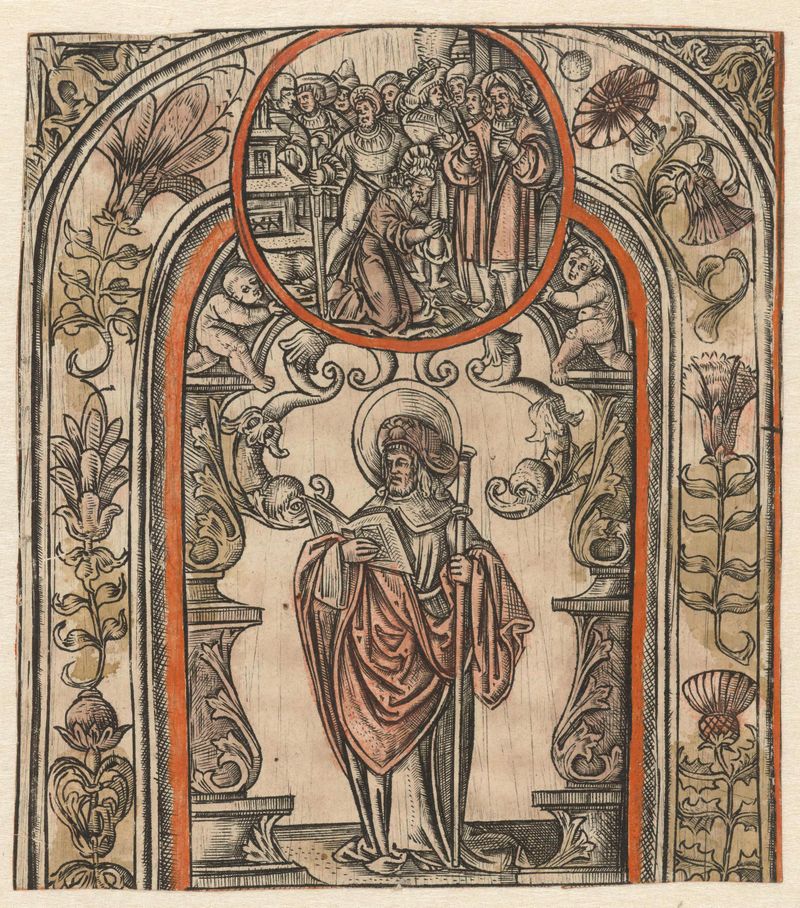
De apostel Jakobus Major en zijn martelaarschap
Allaert Claesz.
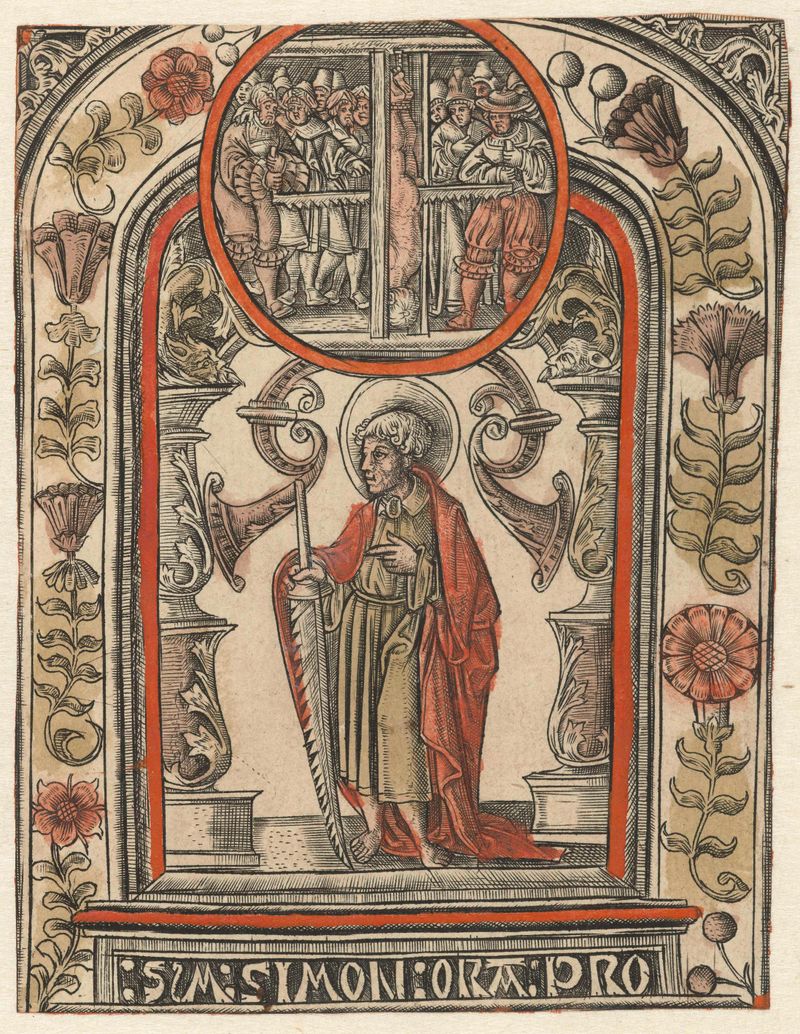
De apostel Simon en zijn martelaarschap
Allaert Claesz.
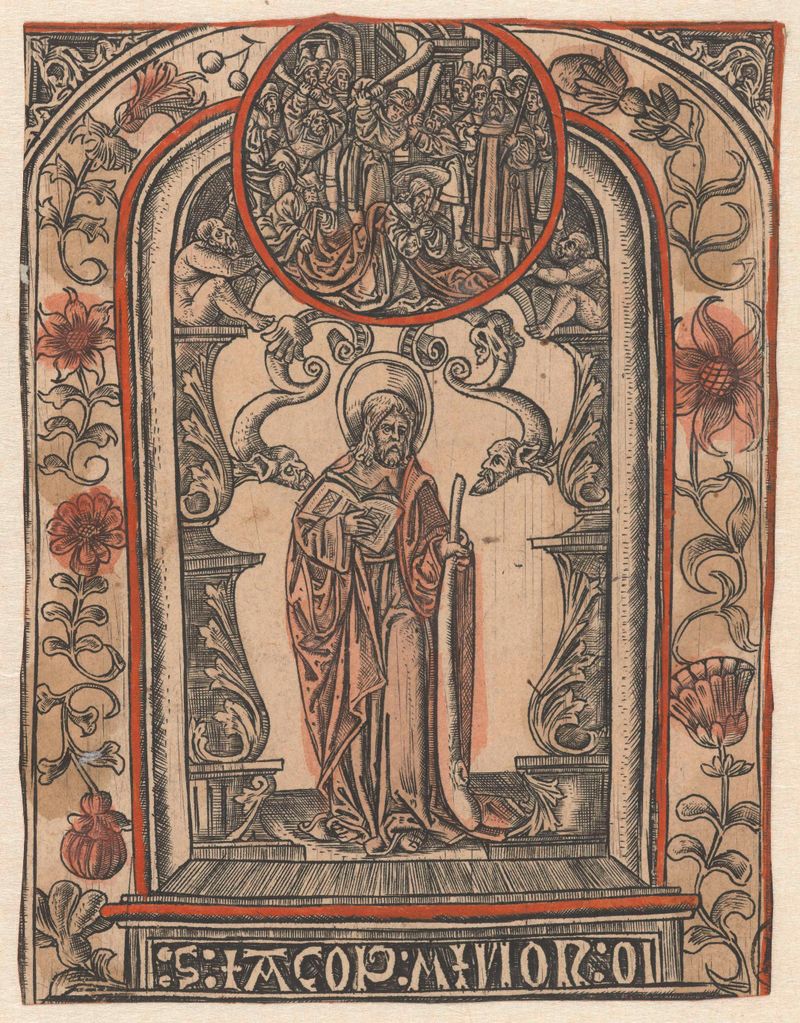
De apostel Jakobus Minor en zijn martelaarschap
Allaert Claesz.
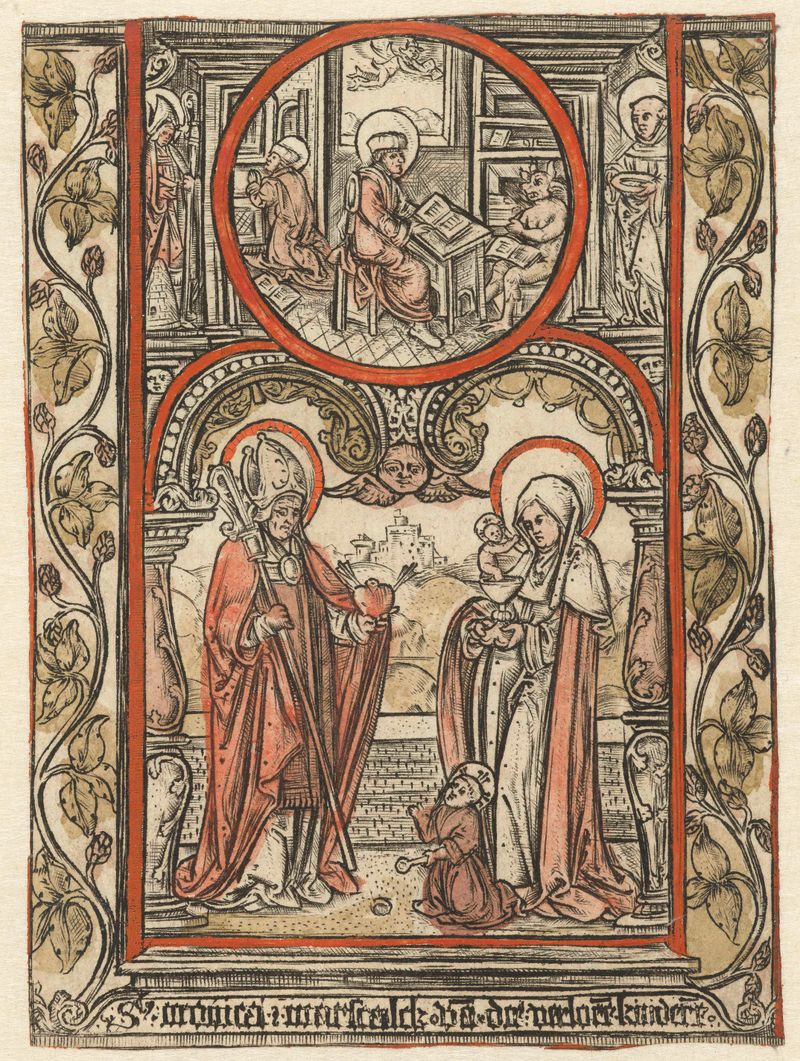
Heilige Augustinus en heilige Monica
Allaert Claesz.
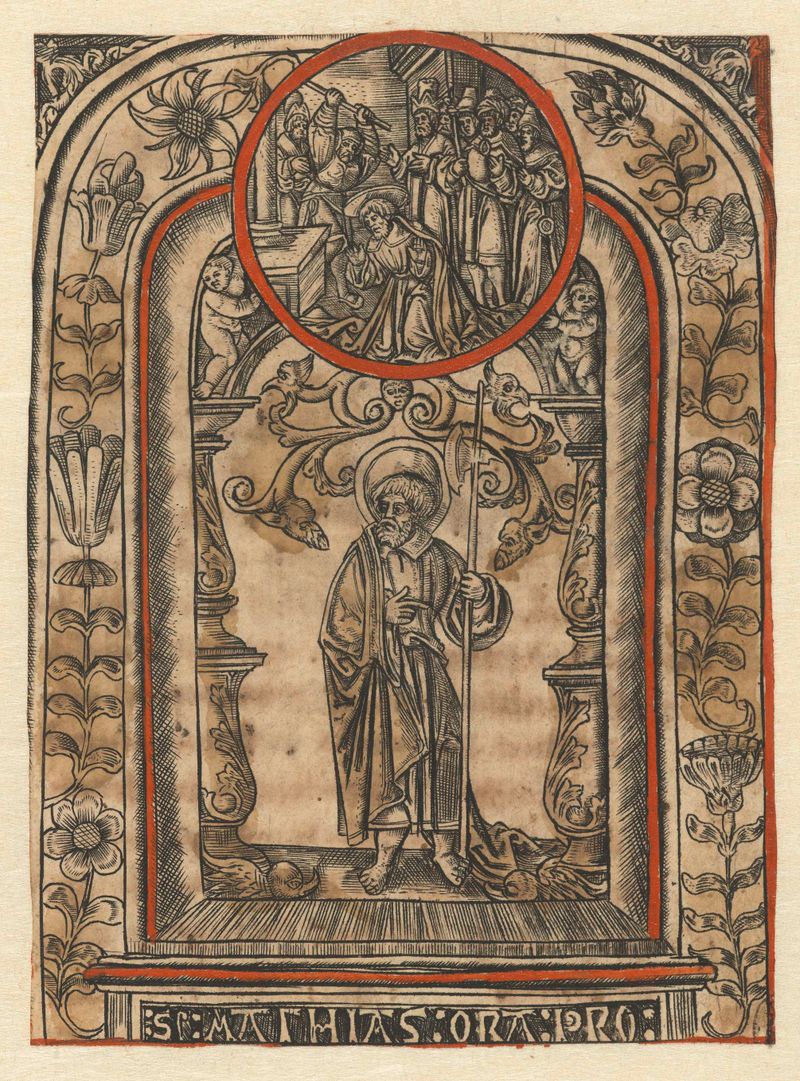
De apostel Matthias en zijn martelaarschap
Allaert Claesz.
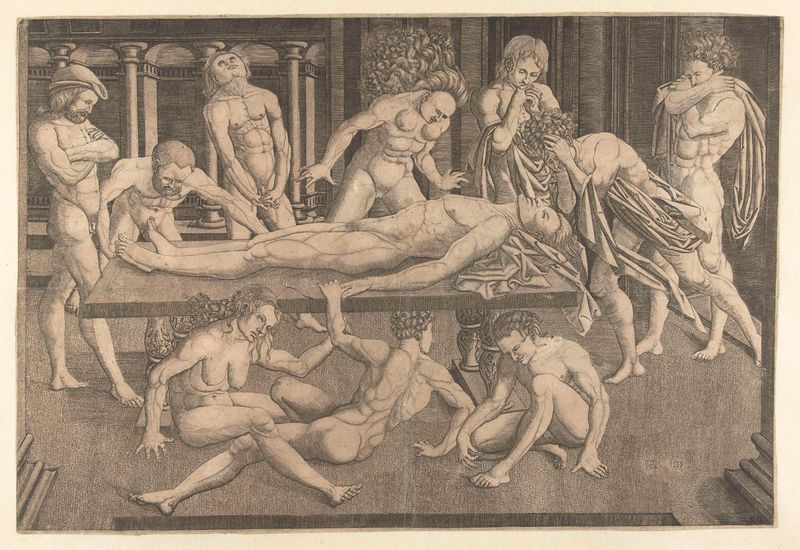
De bewening van Gattamelata de Narni
Allaert Claesz.
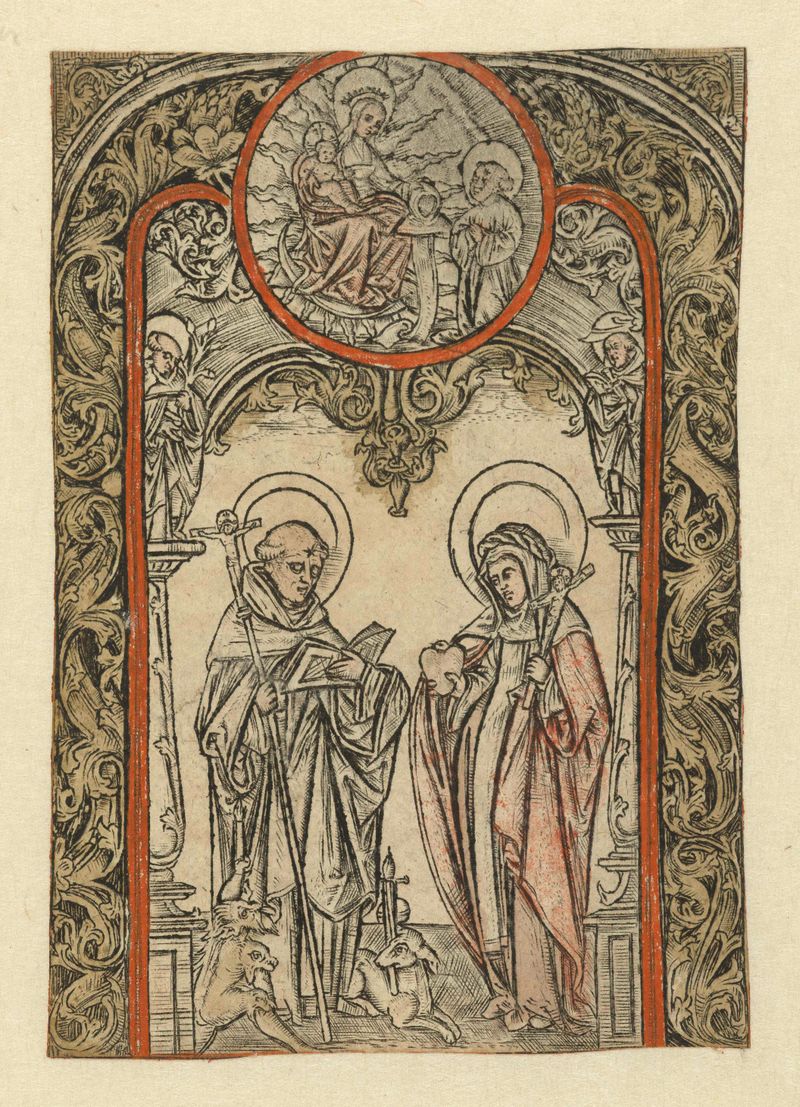
Heiligen Dominicus en Brigitta
Allaert Claesz.
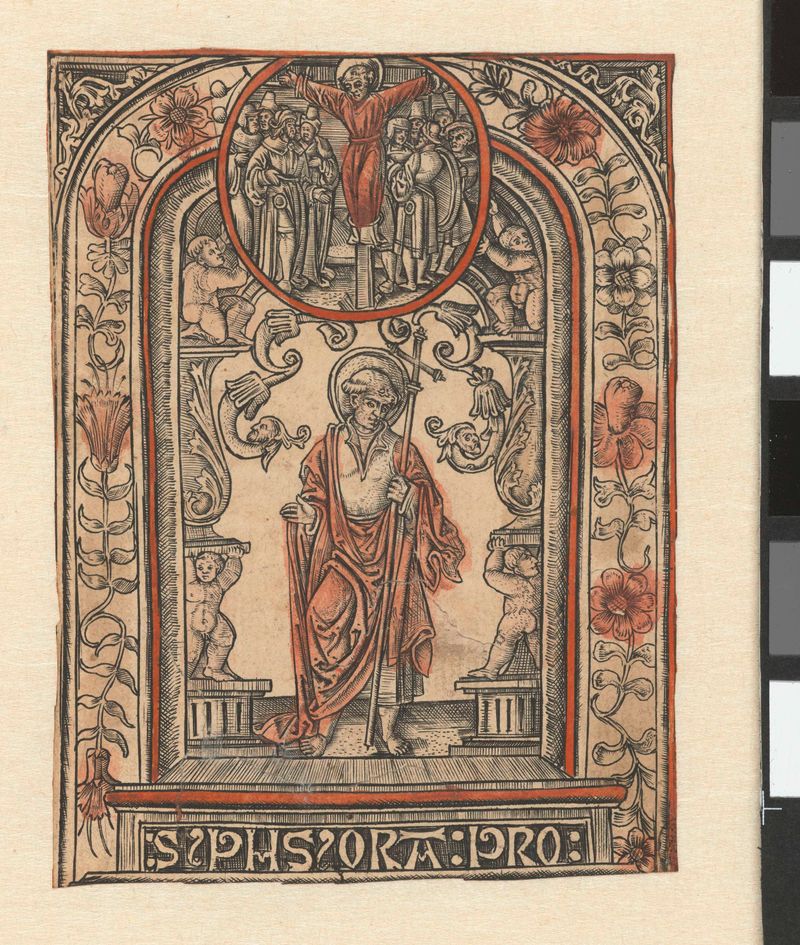
De apostel Philippus en zijn martelaarschap
Allaert Claesz.
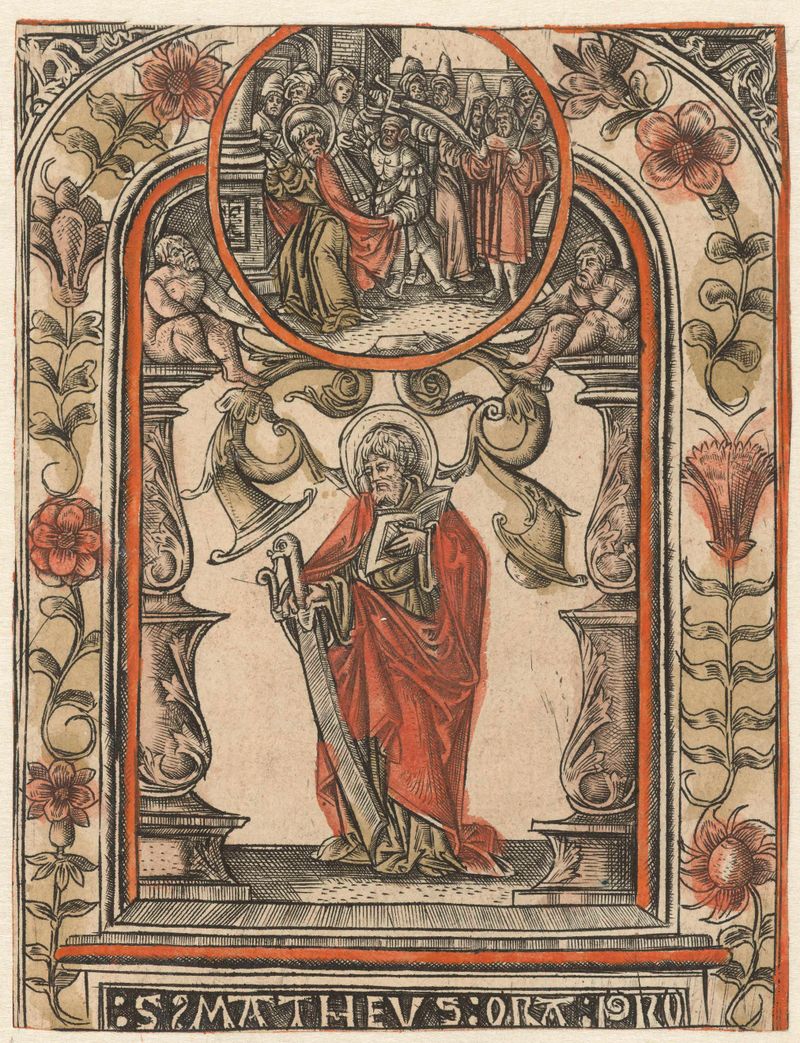
De apostel Mattheus en zijn martelaarschap
Allaert Claesz.
More Religious Art
Browse all →
The Return of the Prodigal Son
Rembrandt van Rijn

The Garden of Earthly Delights
El Bosco

Count Orgaz’ funeral
El Greco

The Hundred Guilder Print: the central piece with Christ preaching, the plate arched
Rembrandt van Rijn

The Descent from the Cross
Rogier van der Weyden

The return of the prodigal son
Rembrandt van Rijn