
De apostel Petrus en zijn martelaarschap — History & Facts
In the shadowed folds of human experience, betrayal weaves its intricate web, binding the faithful to their tragic fates. The deep emotional landscape of this painting invites us to confront the haunting echoes of loyalty and sacrifice. Look to the center, where the figure of Peter dominates the canvas, his expression a mixture of unwavering resolve and profound sorrow. Observe the fine details in his face, each line telling a story of betrayal yet to be fully realized.
The muted palette of earthy tones is starkly contrasted by the vibrant red drapery, symbolizing not just martyrdom but the blood of the innocent, pulsing with life and death. The light cascading from above seems to illuminate both his physical presence and the internal struggle that defines his fate. Delve deeper into the composition, and you will find rich symbolism embedded within the scene. The keys, emblematic of Peter's role as the keeper of heaven’s gates, hang heavy with the burden of denial and remorse.
Around him, the figures appear caught in a moment of hesitation; their faces, a blend of admiration and dread, hint at their own complicity in the betrayal that looms. This tension speaks to the broader human experience, where faith often grapples with doubt and loyalty challenges itself in the face of sacrifice. Creating this work between 1510 and 1530, Claesz was immersed in a period of religious fervor and reformation. Situated in the Netherlands, he navigated a tumultuous artistic landscape, where the themes of faith and martyrdom resonated deeply with the societal upheavals of the time.
The artist’s exploration of spiritual narratives reflects not only his personal convictions but also the collective consciousness of a world grappling with the complexities of belief and betrayal.
More Artworks by Allaert Claesz.
Browse all →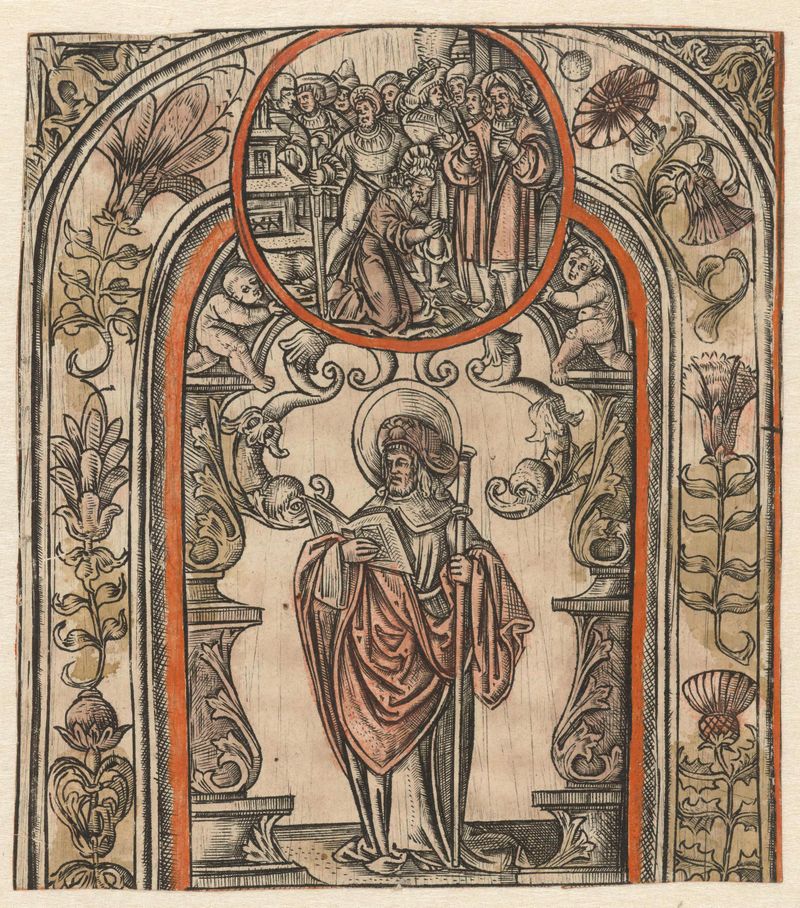
De apostel Jakobus Major en zijn martelaarschap
Allaert Claesz.
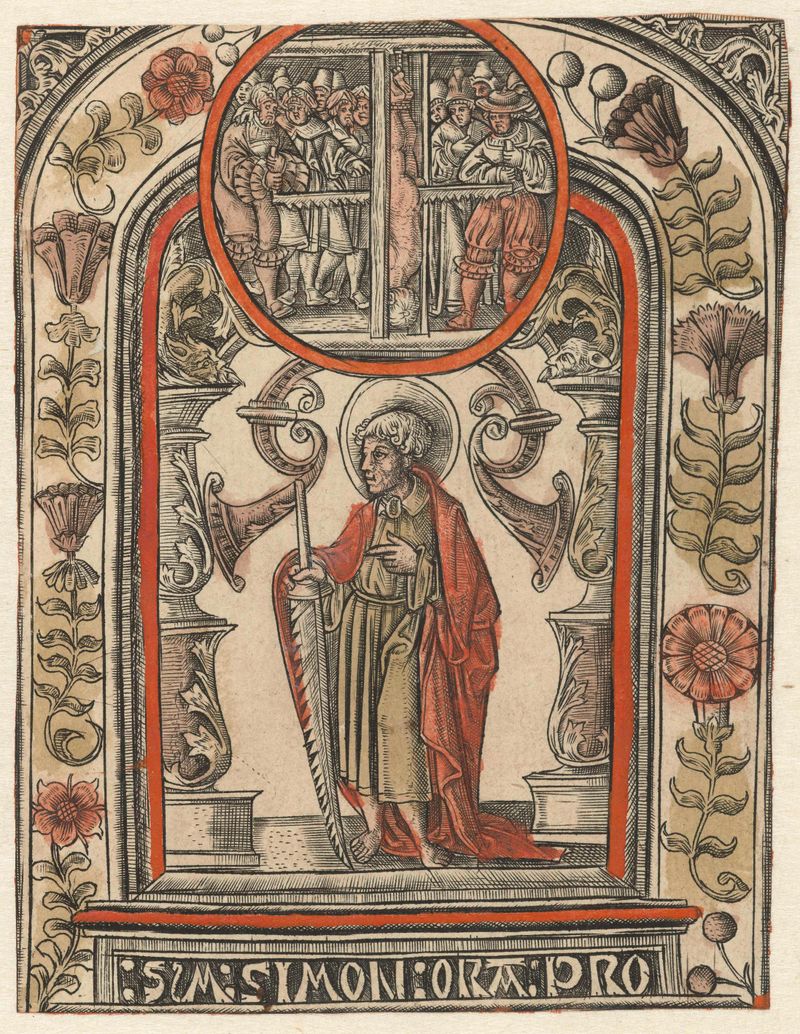
De apostel Simon en zijn martelaarschap
Allaert Claesz.
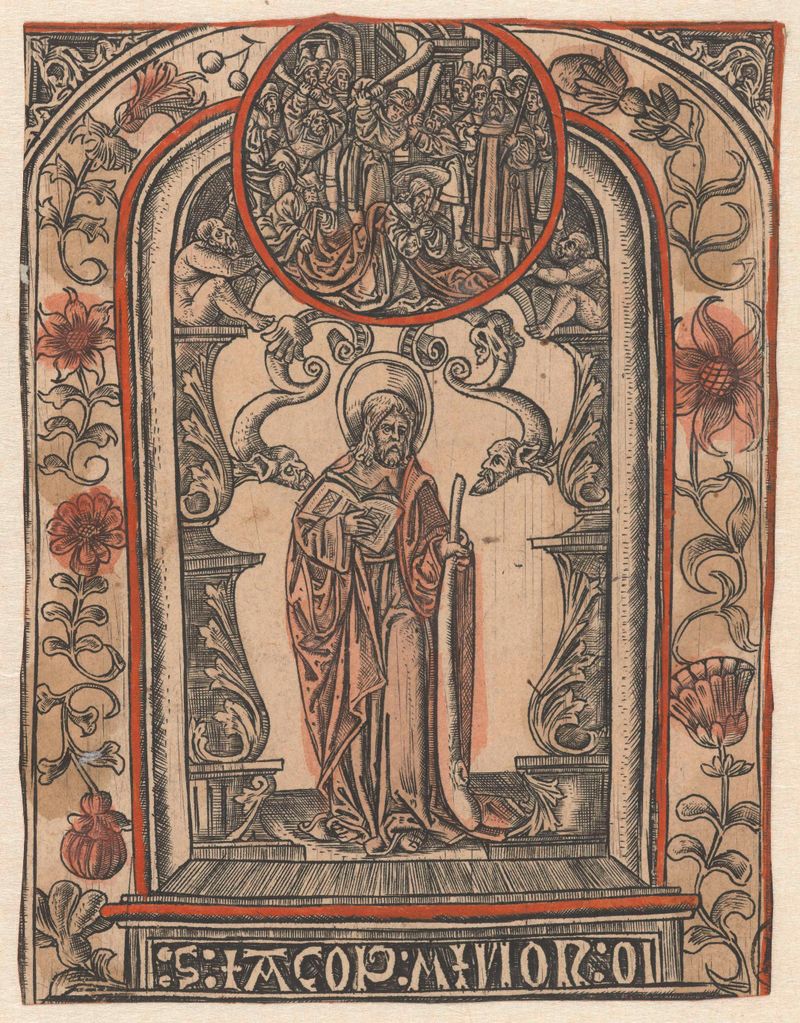
De apostel Jakobus Minor en zijn martelaarschap
Allaert Claesz.
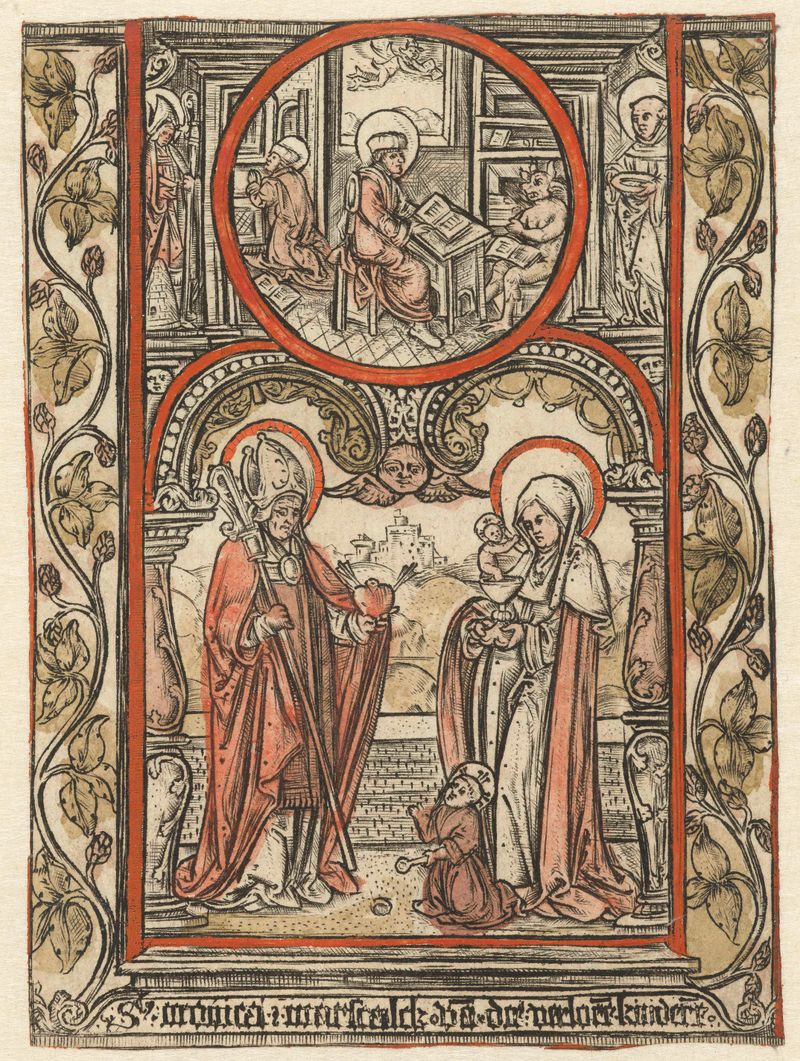
Heilige Augustinus en heilige Monica
Allaert Claesz.
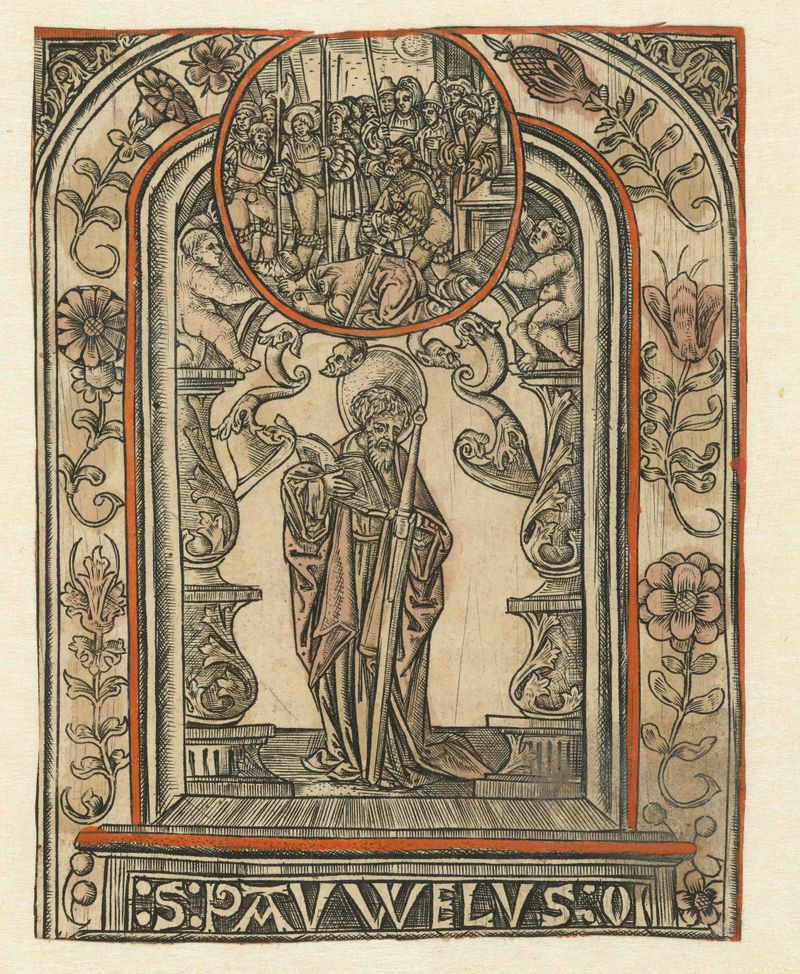
De apostel Paulus en zijn martelaarschap
Allaert Claesz.
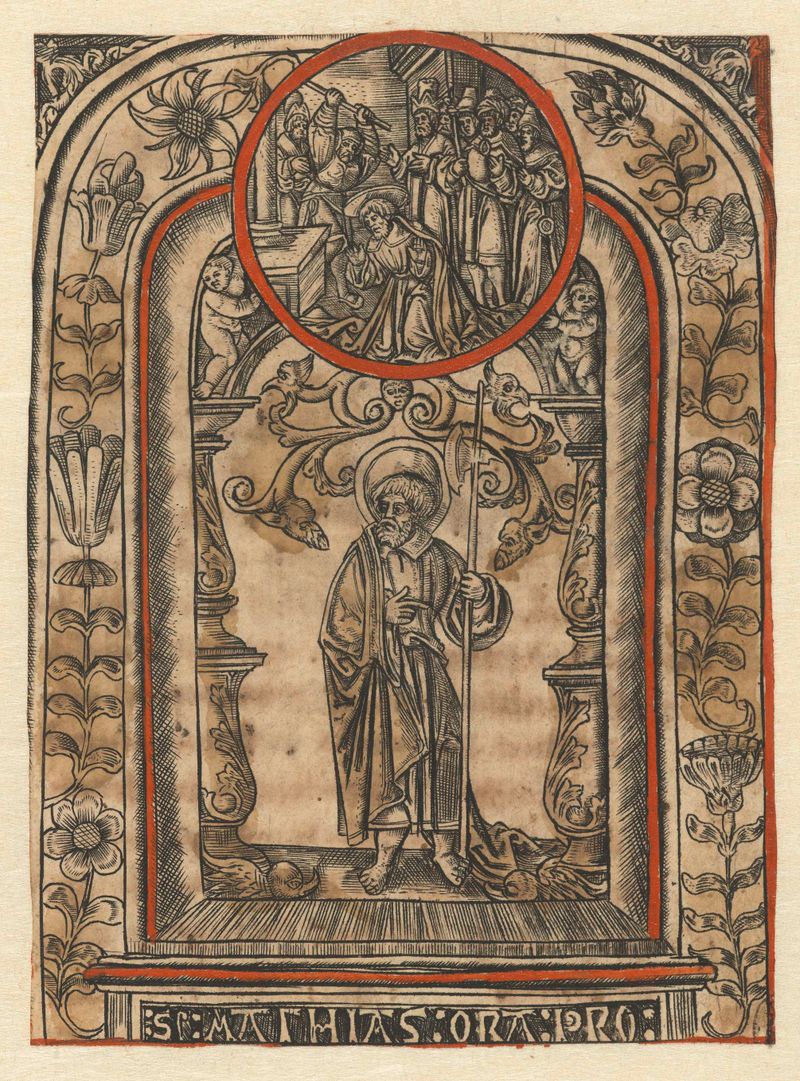
De apostel Matthias en zijn martelaarschap
Allaert Claesz.
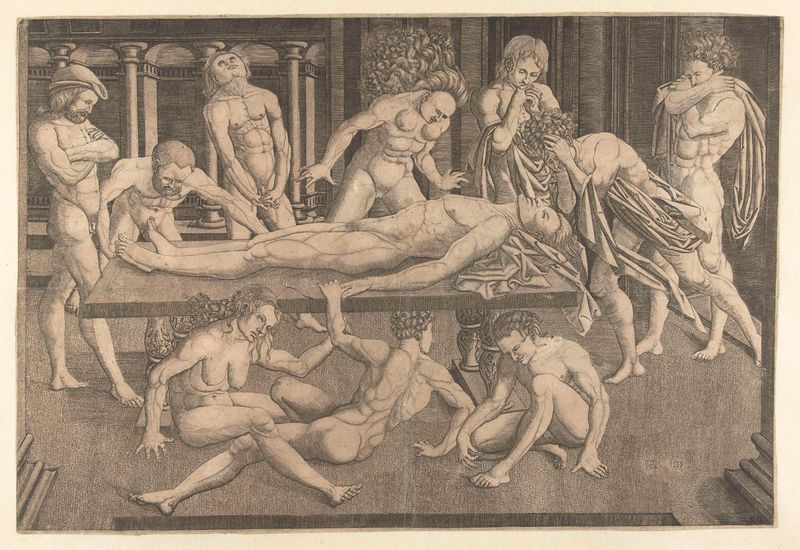
De bewening van Gattamelata de Narni
Allaert Claesz.
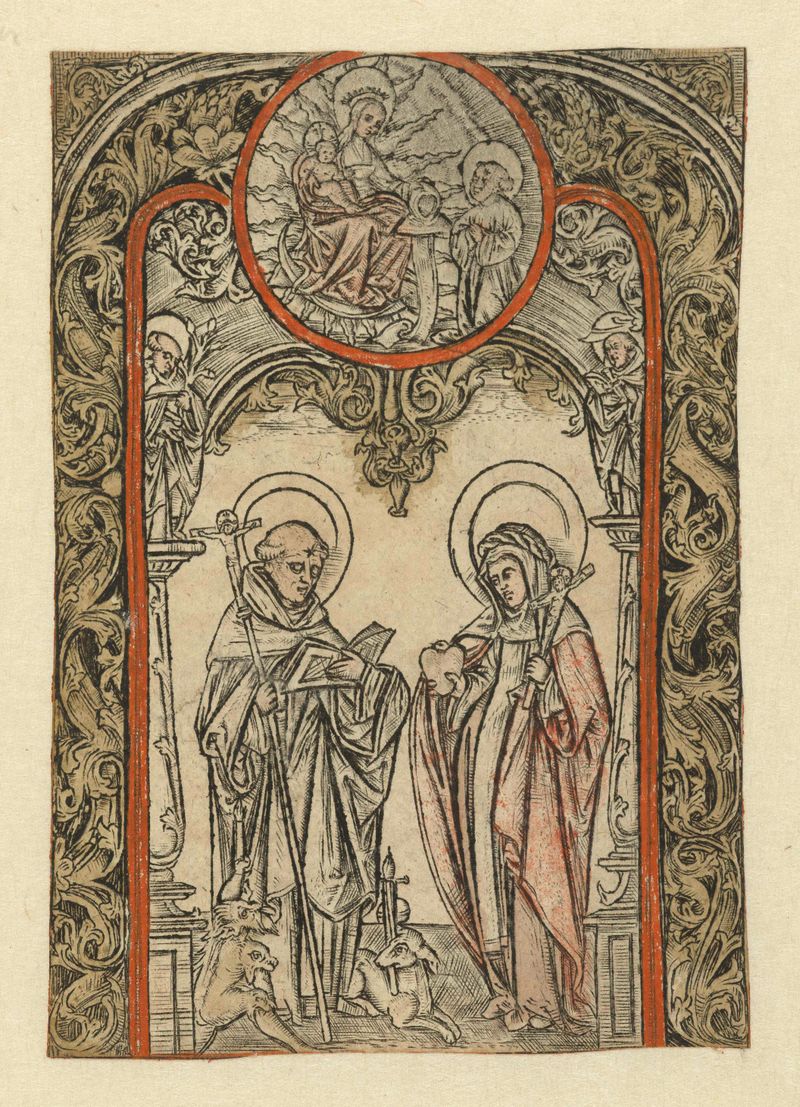
Heiligen Dominicus en Brigitta
Allaert Claesz.
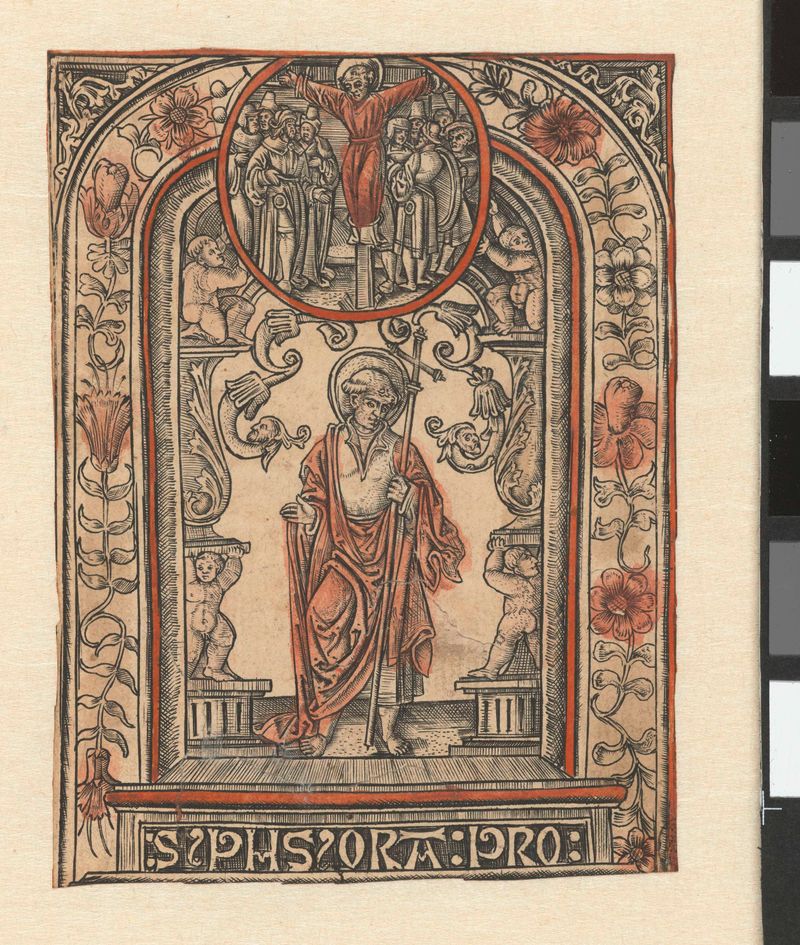
De apostel Philippus en zijn martelaarschap
Allaert Claesz.
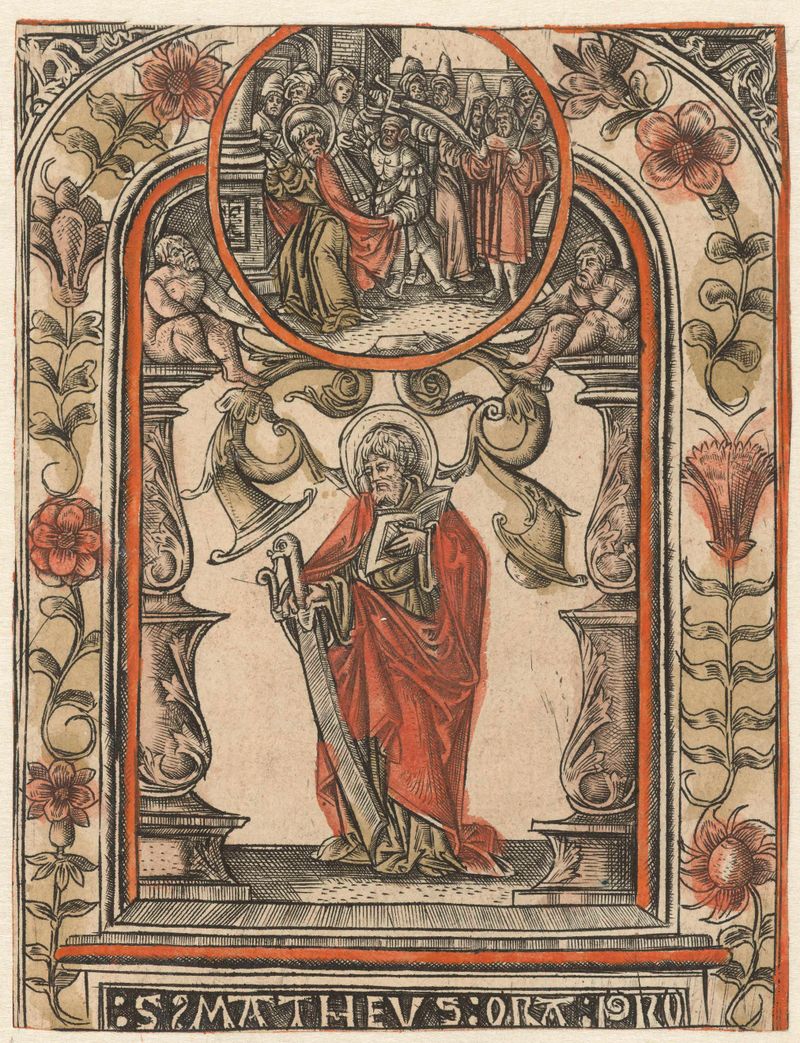
De apostel Mattheus en zijn martelaarschap
Allaert Claesz.
More Religious Art
Browse all →
The Return of the Prodigal Son
Rembrandt van Rijn

The Garden of Earthly Delights
El Bosco

Count Orgaz’ funeral
El Greco

The Hundred Guilder Print: the central piece with Christ preaching, the plate arched
Rembrandt van Rijn

The Descent from the Cross
Rogier van der Weyden

The return of the prodigal son
Rembrandt van Rijn