
De apostel Philippus en zijn martelaarschap — History & Facts
What if silence could speak through light? The muted glow of this painting beckons the viewer to a realm where beauty and sacrifice intertwine, stirring profound reflection. Focus first on the striking figure of St. Philip, impeccably rendered with ethereal care. Notice how the soft light caresses his serene expression, illuminating the intricate details of his flowing robes—each fold a testament to the artist’s meticulous craftsmanship.
The palette, rich yet restrained, envelops the scene in a gentle atmosphere, inviting contemplation rather than chaos. When you observe the surrounding elements, particularly the subtle play of shadows, you’ll sense a divine presence that heightens the emotional depth of the composition. Delve deeper into the painting, and you’ll find layers of meaning unfolding through the delicate contrast between light and dark. The vibrant reds and golds of Philip’s attire symbolize the glory of martyrdom, while the encroaching shadows around him suggest the ominous weight of his fate.
The serene expression juxtaposed with the looming threat creates a tension that speaks to the duality of beauty and suffering—highlighting the profound sacrifice inherent in faith. Each brushstroke reveals the artist’s exploration of transcendence, encapsulating a moment that is both intimate and universal. Created between 1510 and 1530, the artist crafted this work during a period of burgeoning interest in both religious themes and human emotion in art. Emerging from the Northern Renaissance, he aimed to elevate spiritual subjects through meticulous detail and warmth, reflecting a society grappling with the complexities of faith and identity.
This painting stands as a powerful testament to that era’s artistic evolution, channeling a timeless dialogue between beauty and martyrdom.
More Artworks by Allaert Claesz.
Browse all →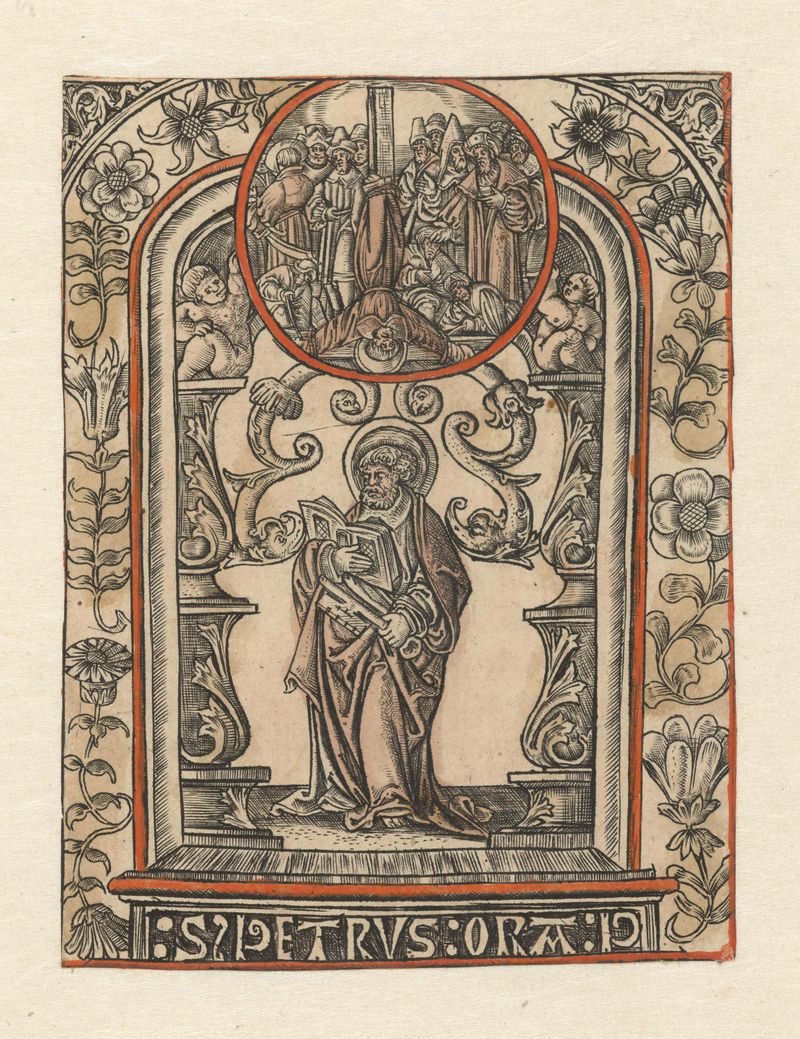
De apostel Petrus en zijn martelaarschap
Allaert Claesz.
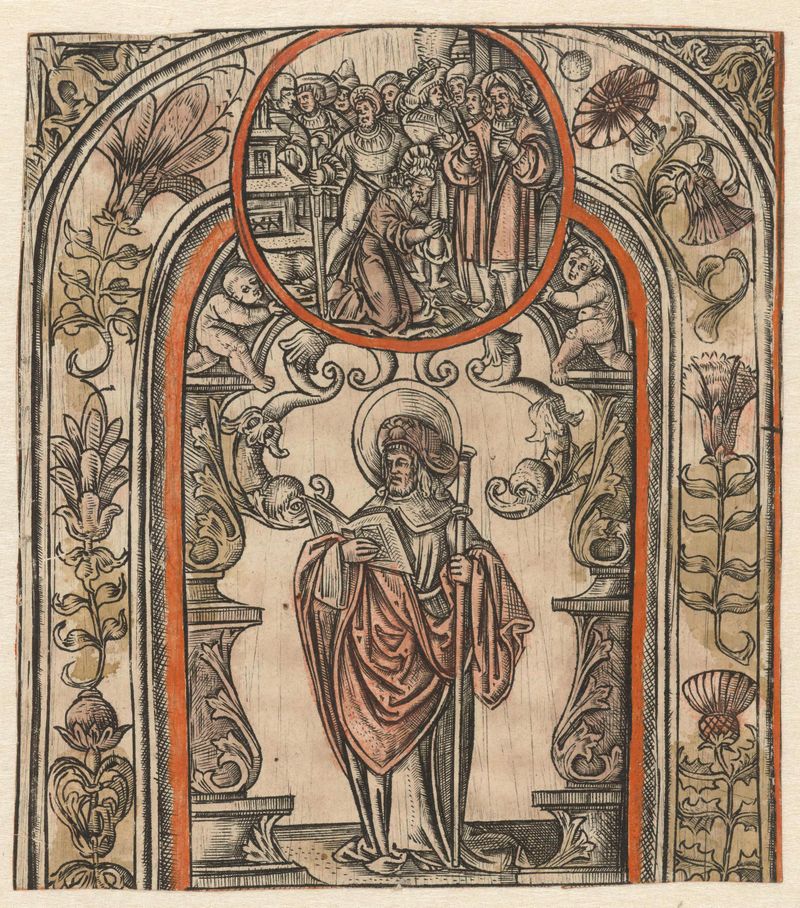
De apostel Jakobus Major en zijn martelaarschap
Allaert Claesz.
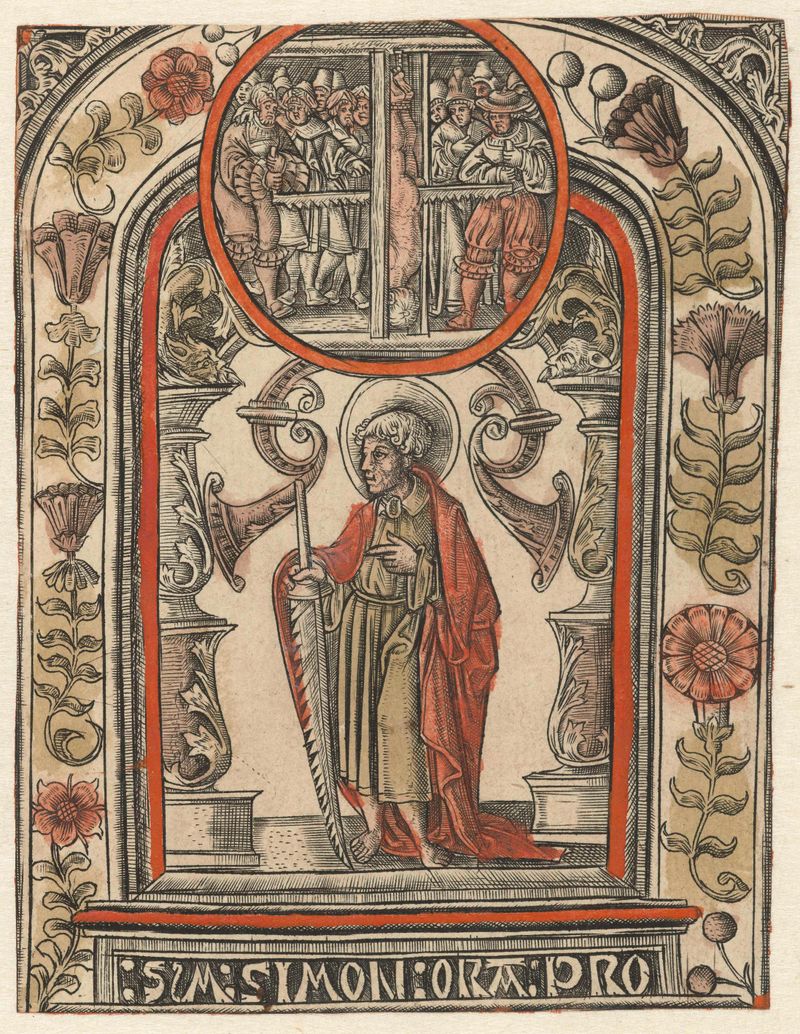
De apostel Simon en zijn martelaarschap
Allaert Claesz.
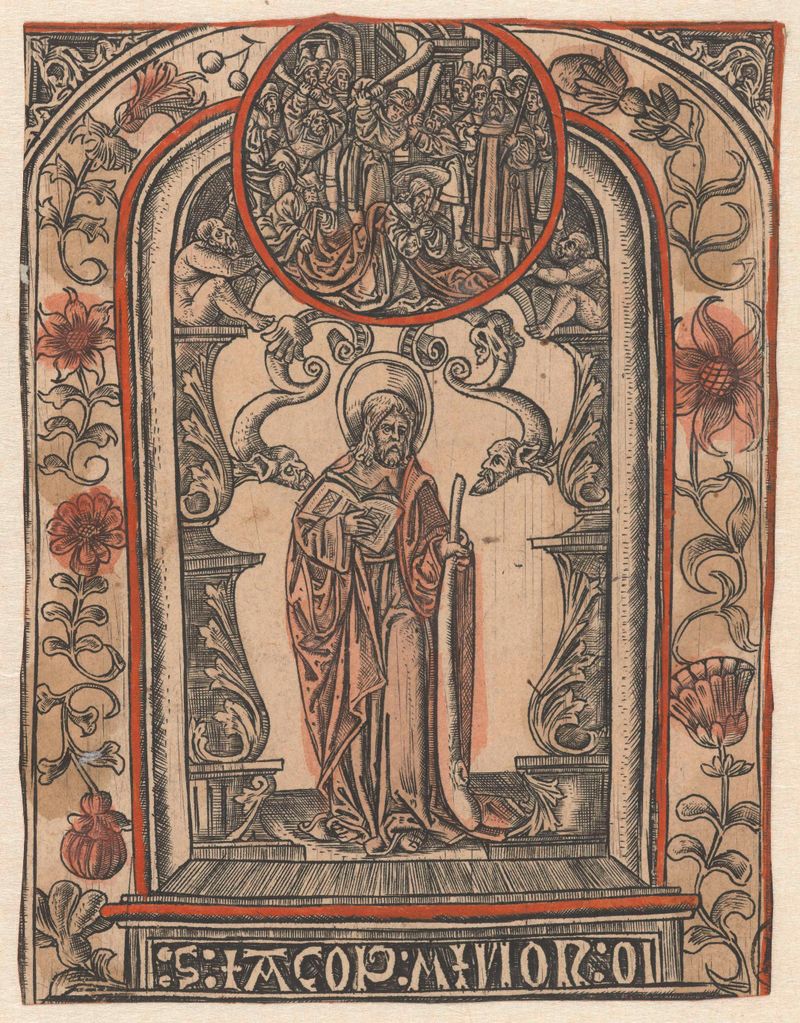
De apostel Jakobus Minor en zijn martelaarschap
Allaert Claesz.
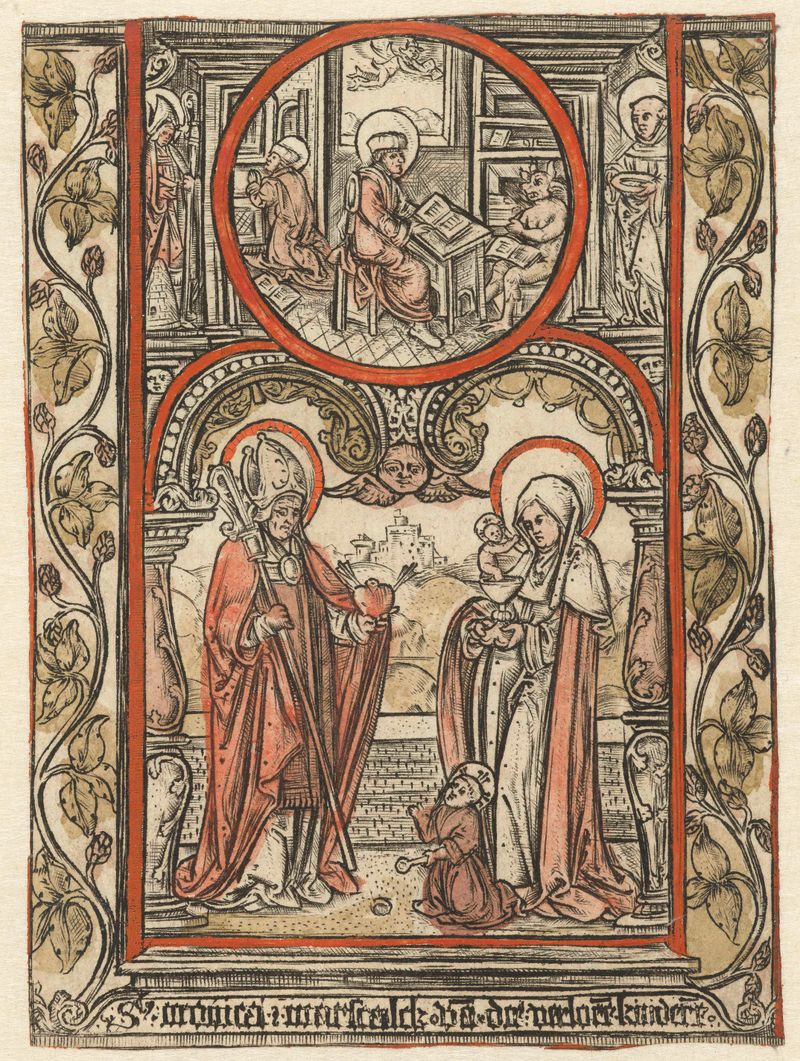
Heilige Augustinus en heilige Monica
Allaert Claesz.
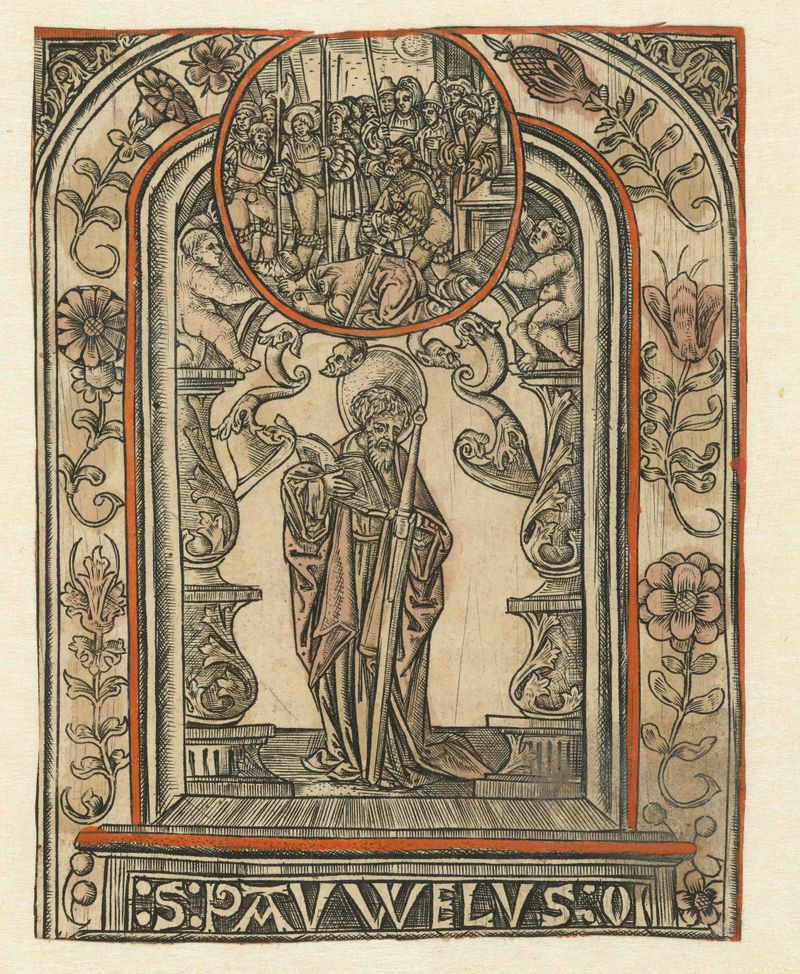
De apostel Paulus en zijn martelaarschap
Allaert Claesz.
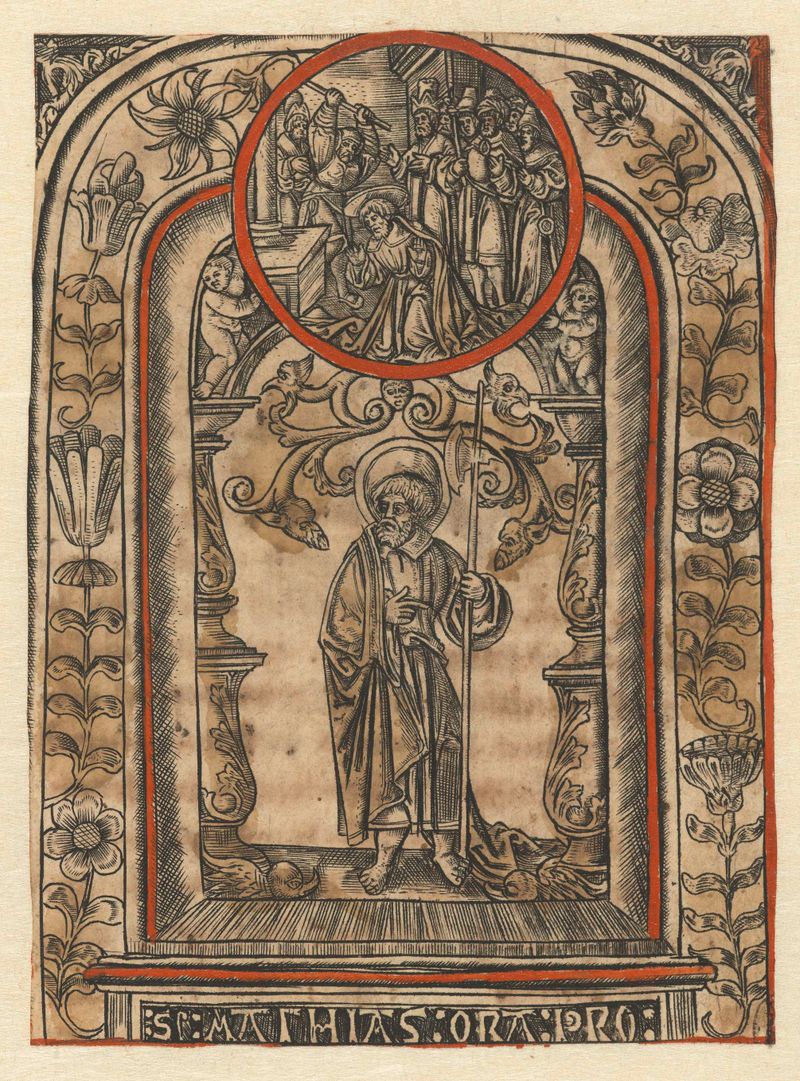
De apostel Matthias en zijn martelaarschap
Allaert Claesz.
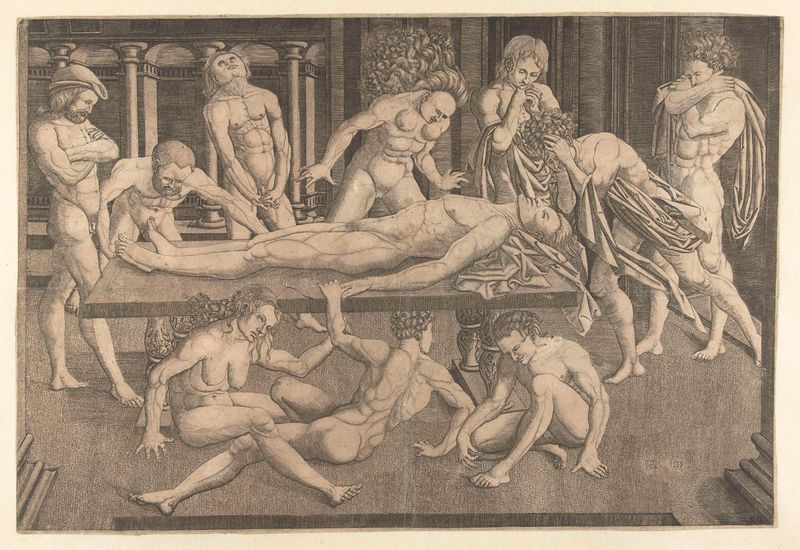
De bewening van Gattamelata de Narni
Allaert Claesz.
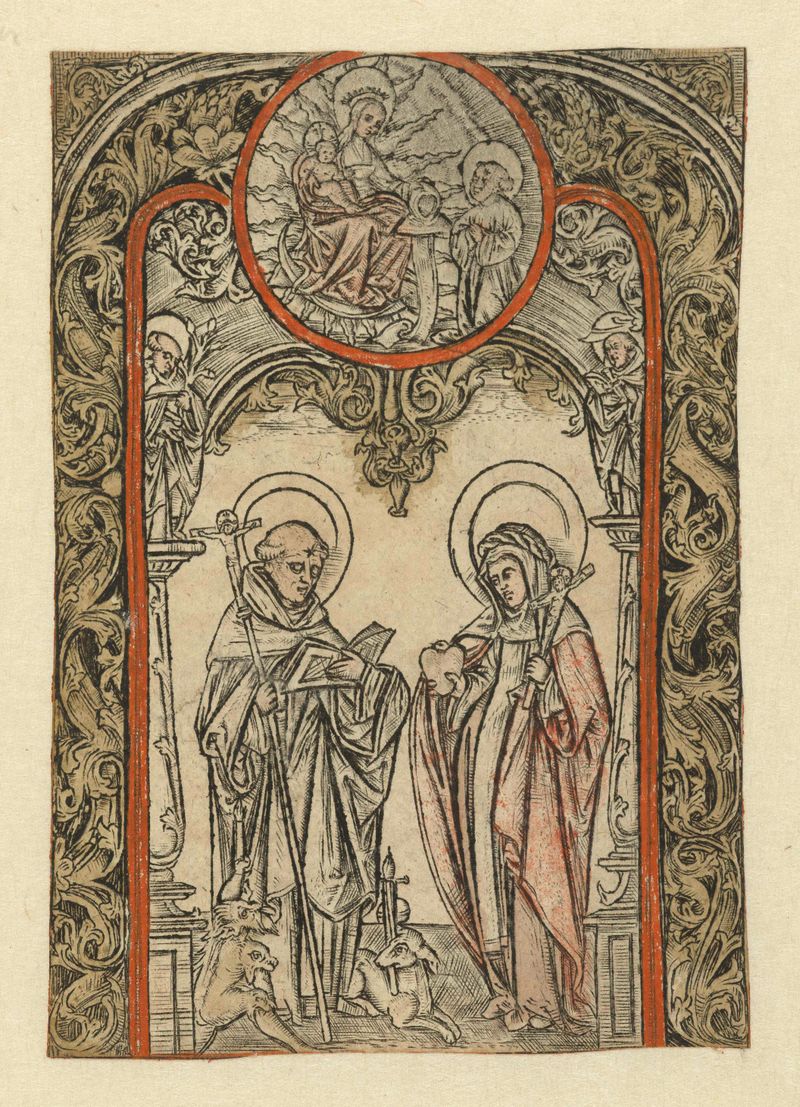
Heiligen Dominicus en Brigitta
Allaert Claesz.
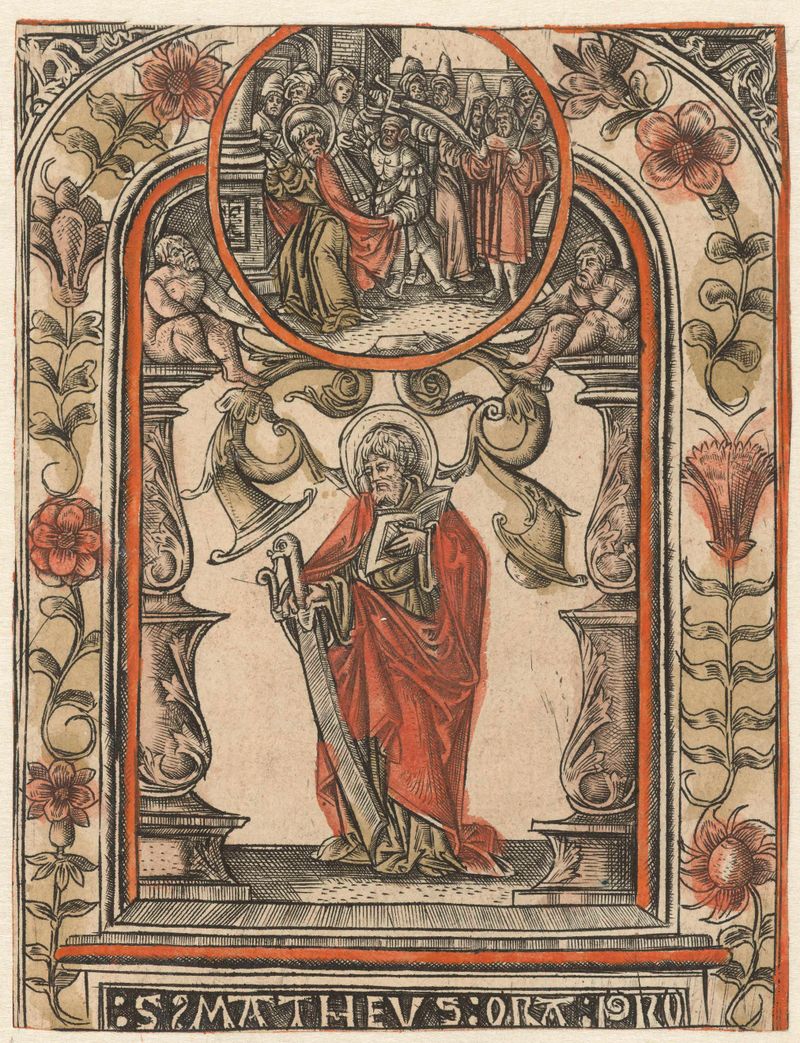
De apostel Mattheus en zijn martelaarschap
Allaert Claesz.
More Religious Art
Browse all →
The Return of the Prodigal Son
Rembrandt van Rijn

The Garden of Earthly Delights
El Bosco

Count Orgaz’ funeral
El Greco

The Hundred Guilder Print: the central piece with Christ preaching, the plate arched
Rembrandt van Rijn

The Descent from the Cross
Rogier van der Weyden

The return of the prodigal son
Rembrandt van Rijn