
Heiligen Dominicus en Brigitta — History & Facts
What if silence could speak through light? The ethereal glow in Heiligen Dominicus en Brigitta captures a moment of divine contemplation, inviting viewers to dwell in the serene balance of faith and presence. Look to the left at the figure of Saint Dominic, his robes painted with a meticulous attention to detail that highlights both fabric and form. Notice how the soft light bathes his face, illuminating the depth of his expression and drawing you into his quiet devotion. To the right, Saint Bridget stands poised in a vibrant gown, her gaze steady, mirroring Dominic’s solemnity.
The contrasting colors and textures create a harmony that speaks of their intertwined destinies, while the muted background enhances their prominence, anchoring the viewer’s focus. Within this peaceful portrayal lies a profound dialogue between the two saints. The juxtaposition of their garments—Dominic’s subdued tones against Bridget’s vivid hues—suggests a balance between asceticism and the richness of faith. Their positioning, slightly angled towards each other, implies a shared understanding or perhaps a moment of silent communication, reinforcing the idea that faith transcends words.
Each detail, from Dominic’s clasped hands to Bridget’s open palm, adds layers of meaning, inviting viewers to reflect on their own spiritual journeys. During the early 16th century, Allaert Claesz. painted this work in the Netherlands, a time when the Renaissance was reshaping artistic expression across Europe. As the religious tensions of the Reformation began to surface, the artist found a niche in devotional imagery, creating pieces that resonated with the contemplative aspirations of his audience.
This painting reflects not only Claesz.’s technical prowess but also his sensitivity to the spiritual landscapes of his time.
More Artworks by Allaert Claesz.
Browse all →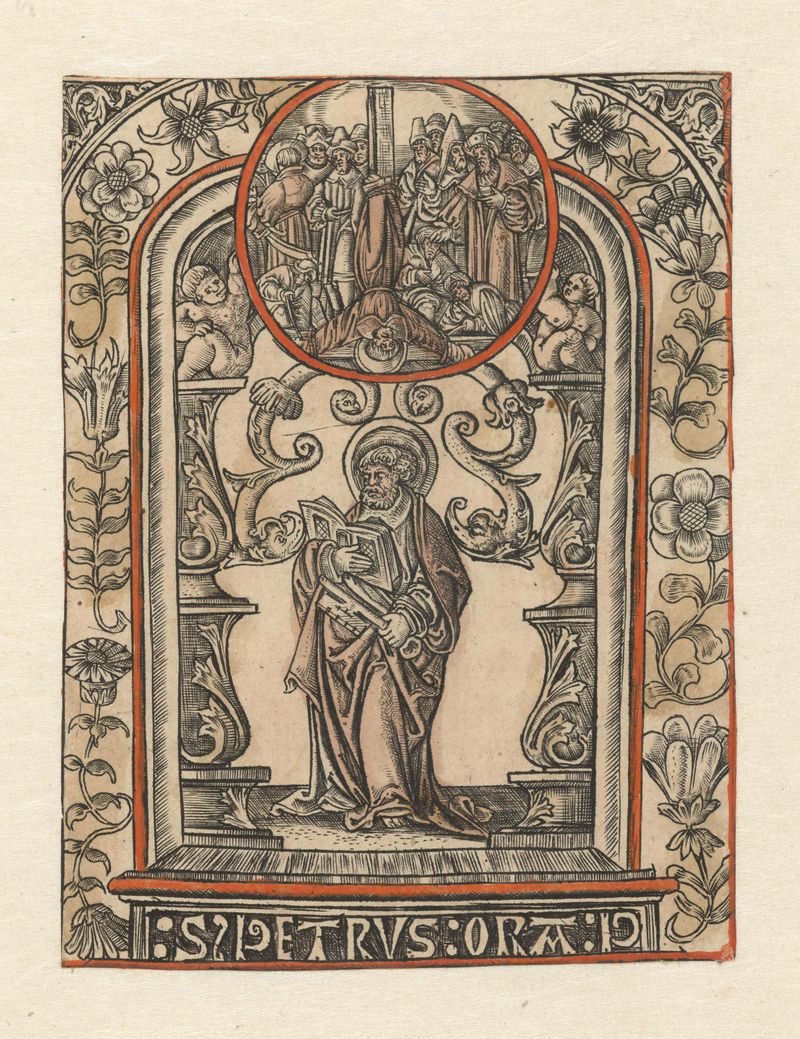
De apostel Petrus en zijn martelaarschap
Allaert Claesz.
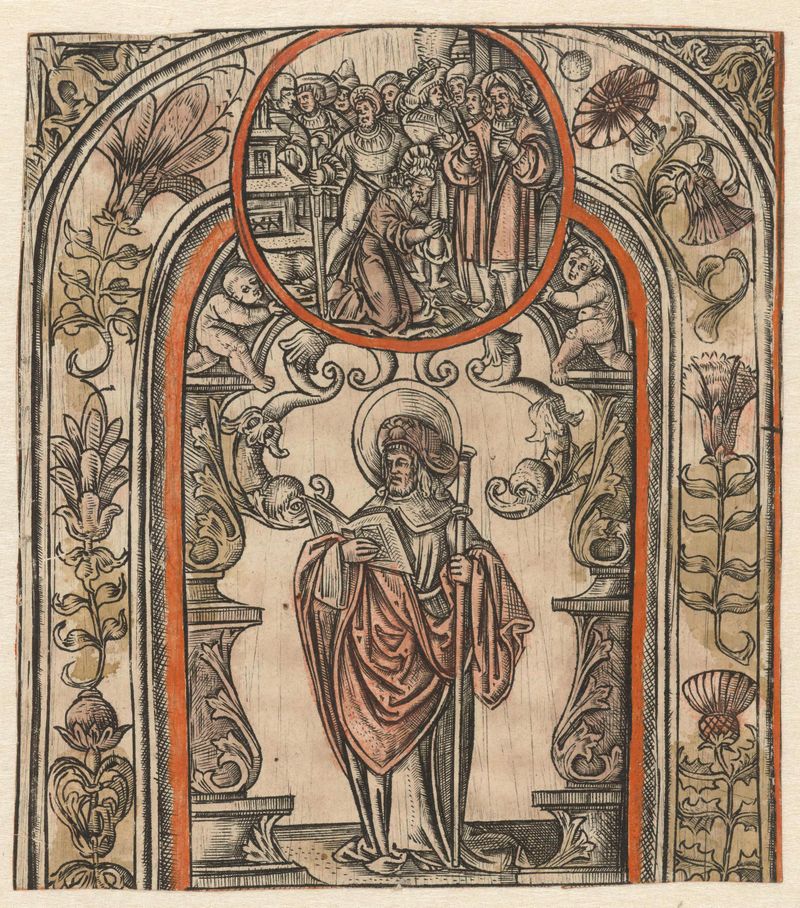
De apostel Jakobus Major en zijn martelaarschap
Allaert Claesz.
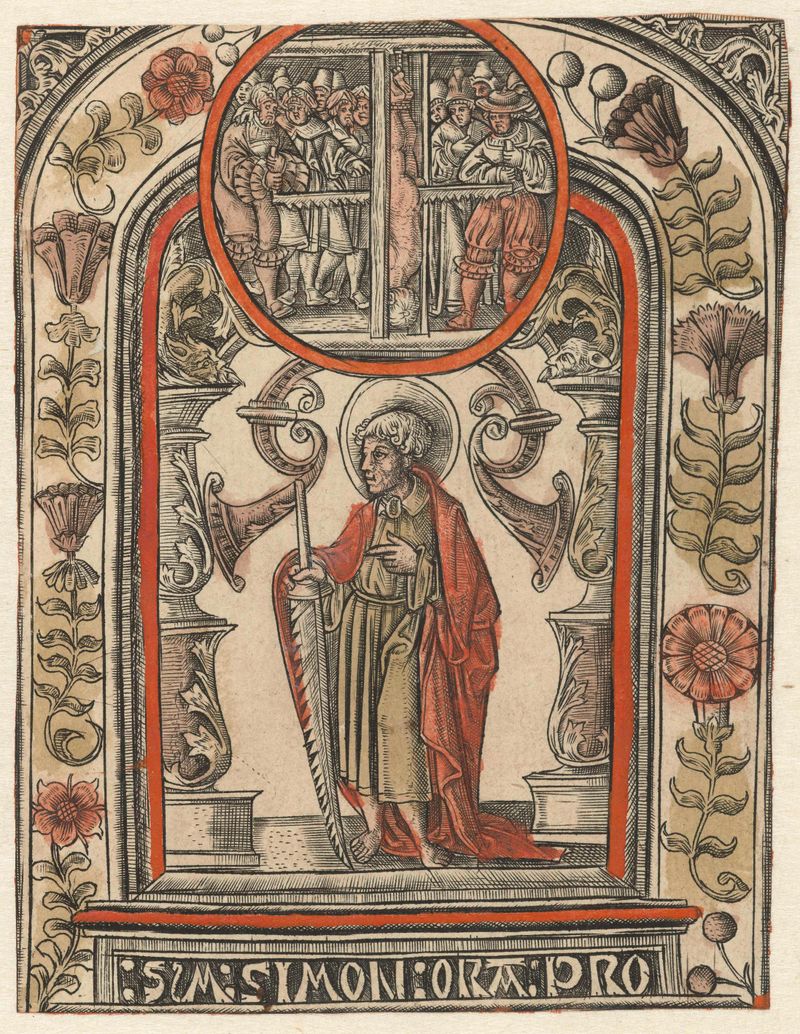
De apostel Simon en zijn martelaarschap
Allaert Claesz.
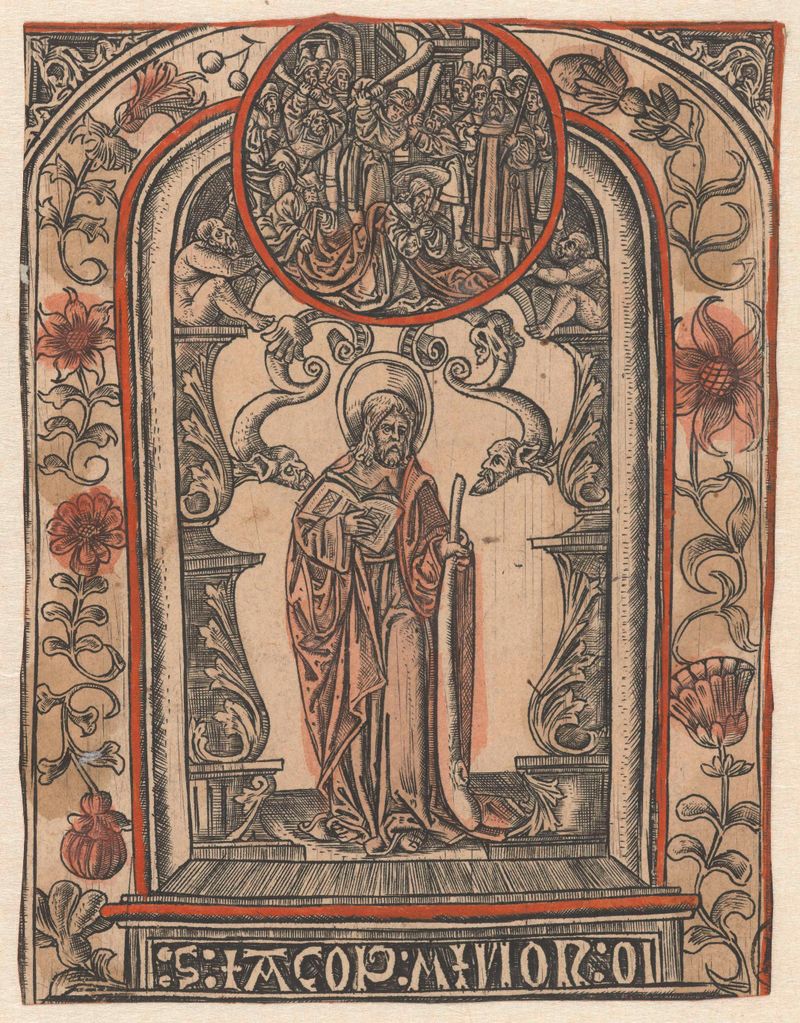
De apostel Jakobus Minor en zijn martelaarschap
Allaert Claesz.
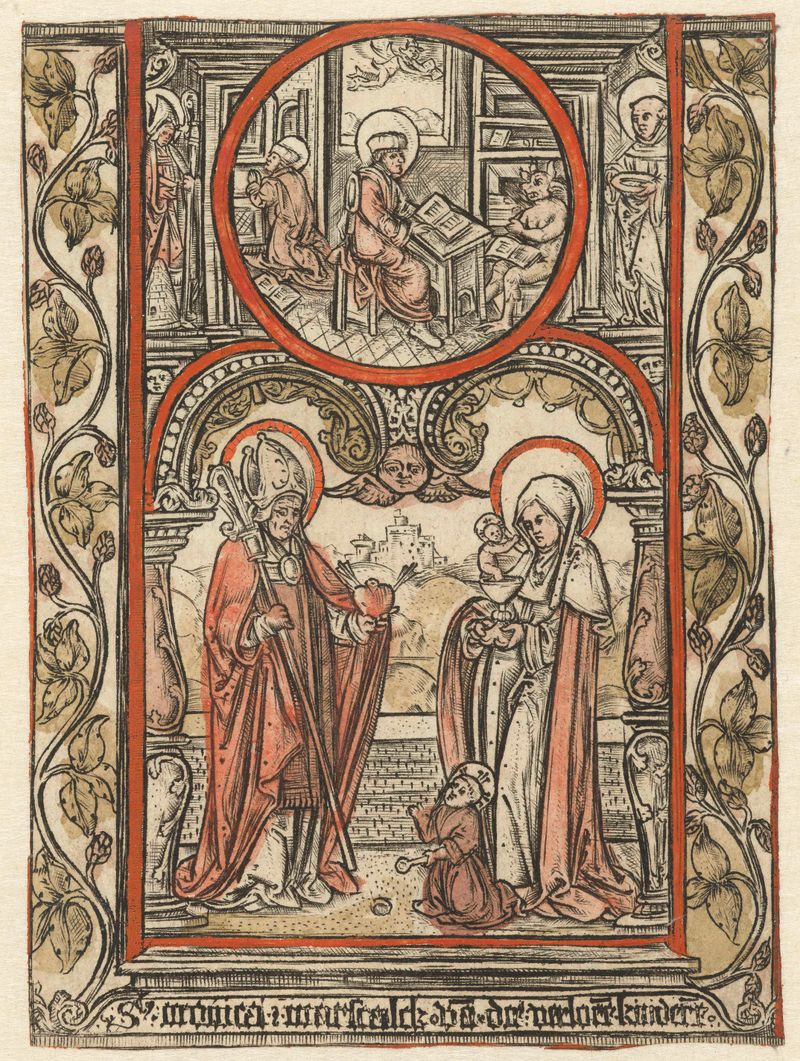
Heilige Augustinus en heilige Monica
Allaert Claesz.
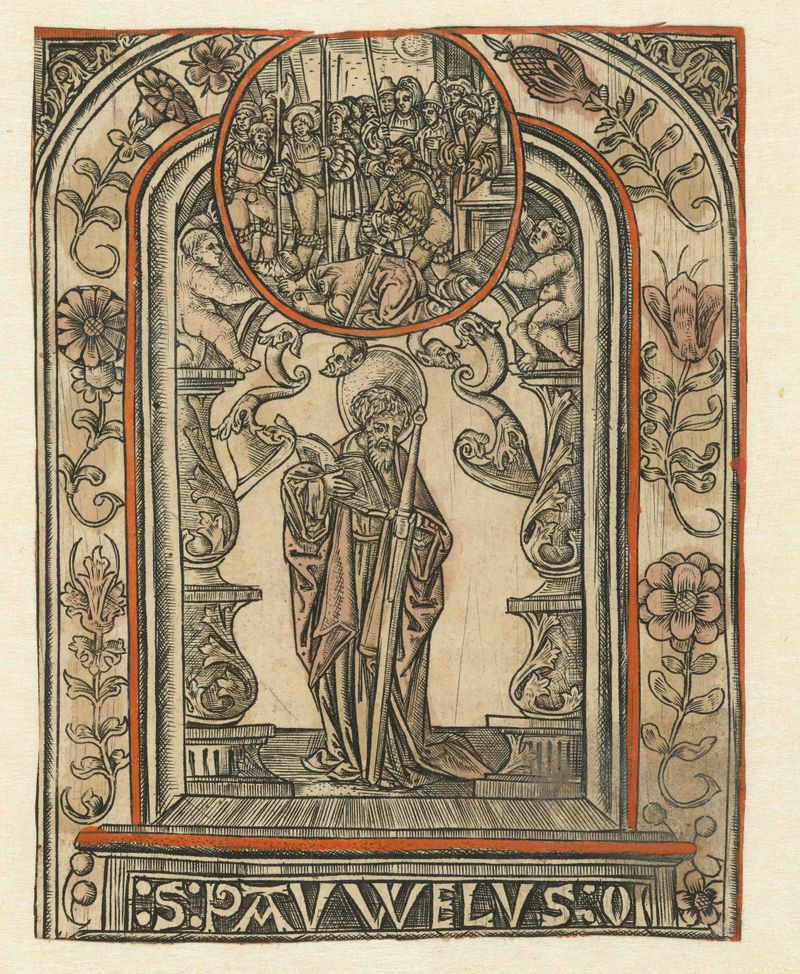
De apostel Paulus en zijn martelaarschap
Allaert Claesz.
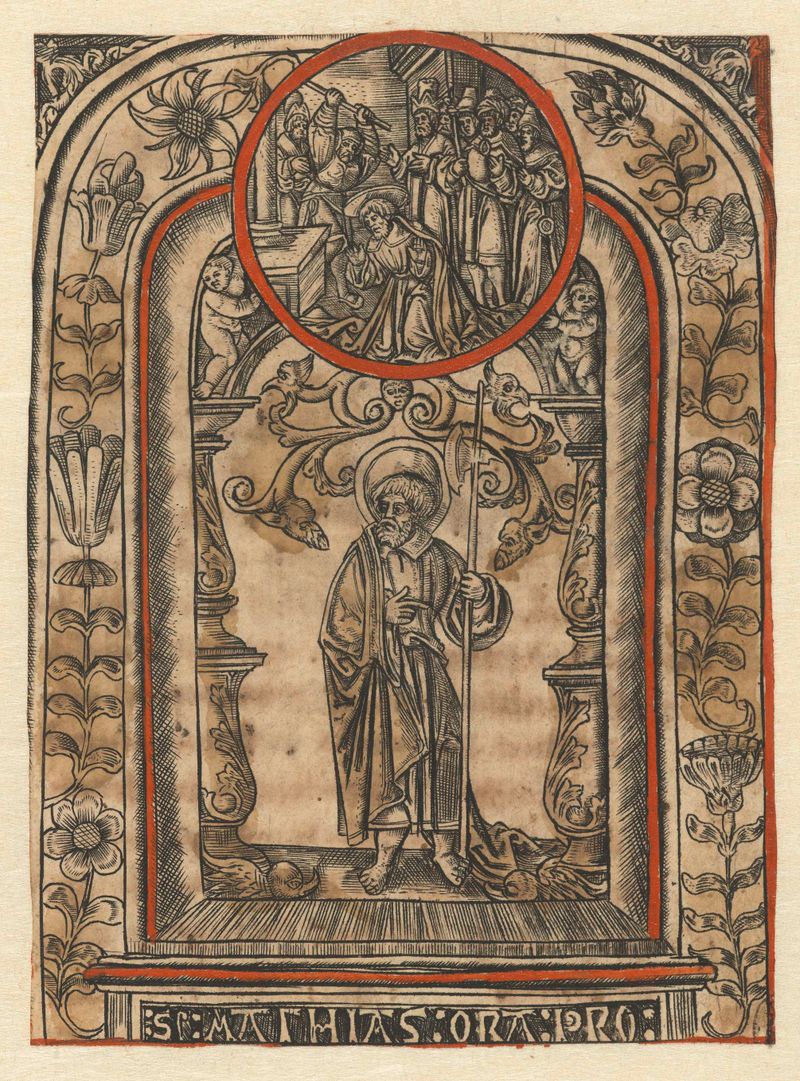
De apostel Matthias en zijn martelaarschap
Allaert Claesz.
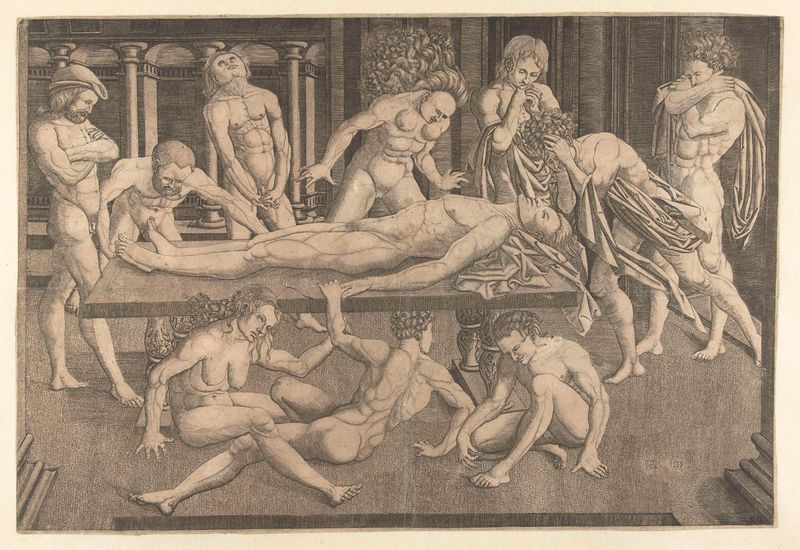
De bewening van Gattamelata de Narni
Allaert Claesz.
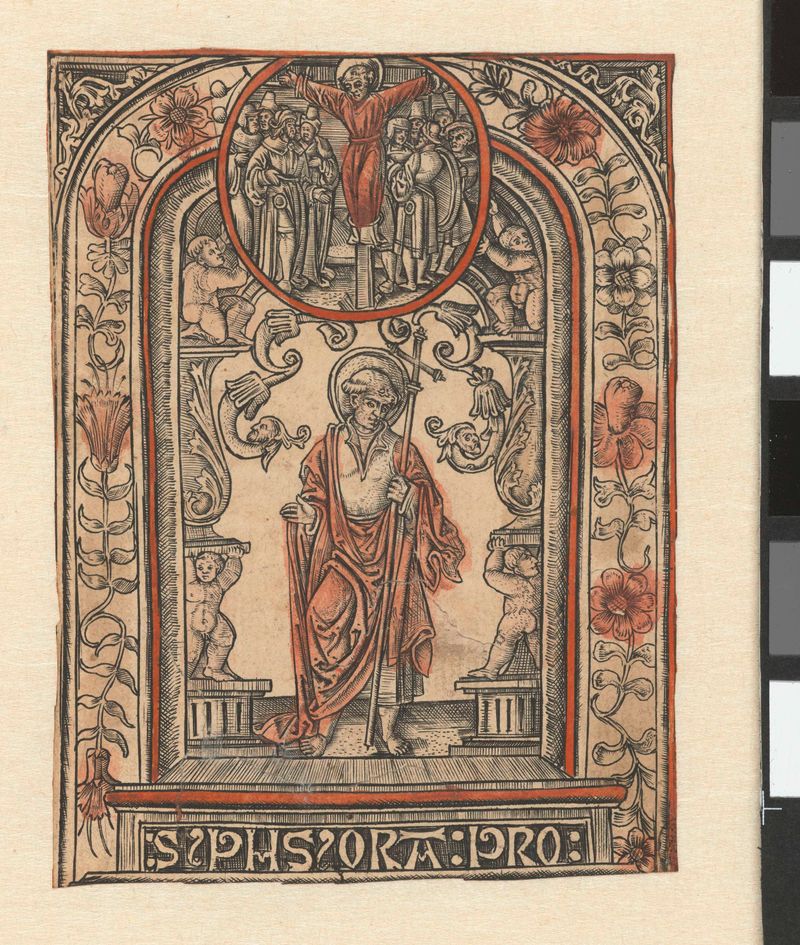
De apostel Philippus en zijn martelaarschap
Allaert Claesz.
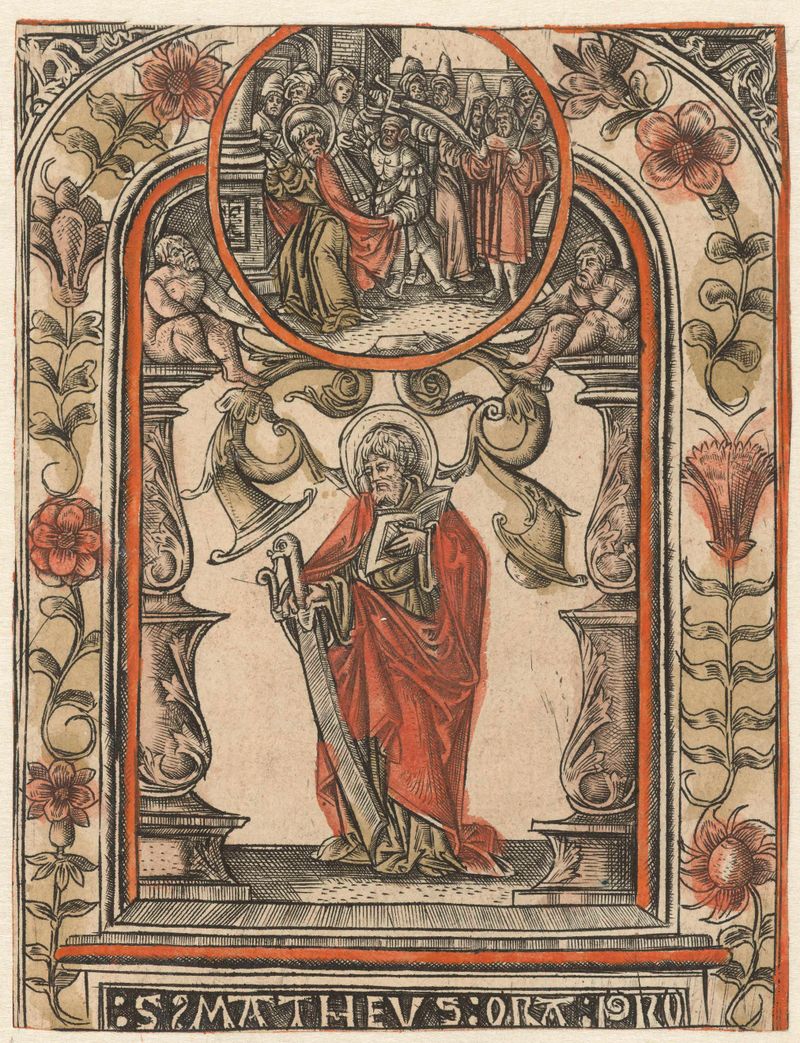
De apostel Mattheus en zijn martelaarschap
Allaert Claesz.
More Religious Art
Browse all →
The Return of the Prodigal Son
Rembrandt van Rijn

The Garden of Earthly Delights
El Bosco

Count Orgaz’ funeral
El Greco

The Hundred Guilder Print: the central piece with Christ preaching, the plate arched
Rembrandt van Rijn

The Descent from the Cross
Rogier van der Weyden

The return of the prodigal son
Rembrandt van Rijn