
De bewening van Gattamelata de Narni — History & Facts
Did the painter know this moment would outlive them? The beauty captured within the stillness of time speaks to the essence of mortality and the ephemeral nature of life. Focus on the somber figures gathered around the deceased, their expressions a blend of grief and reverence. Notice how the light falls upon their faces, illuminating the contours of sorrow while casting shadows that hint at their unspoken thoughts. The muted palette enhances the emotional weight of the scene, with earthy tones underscoring the gravity of loss.
The composition draws the eye toward the central figure, a lifeless warrior draped in opulent fabrics, creating a stark contrast between the vibrancy of life and the stillness of death. Within this carefully crafted tableau, hidden meanings emerge through the juxtaposition of beauty and mortality. The ornate details of the drapery evoke glory and honor, yet serve as a reminder of the inevitable decay that follows life. The mourners, each absorbed in their own intimate grief, reveal the universal nature of loss, transcending time and place.
Such contrasts invite the viewer to reflect on the duality of existence: that beauty is often intertwined with suffering, and life is but a fleeting moment, forever marking our past. Allaert Claesz. painted this poignant scene in 1533, amid the shifting tides of Renaissance art that emphasized human emotion and the beauty of the human form. Working in the vibrant cultural atmosphere of the Netherlands, Claesz.
sought to capture the complexities of human experience. The painting not only reflects his skill but also a profound understanding of the themes of life and death that resonate through history, challenging viewers to contemplate their own legacies.
More Artworks by Allaert Claesz.
Browse all →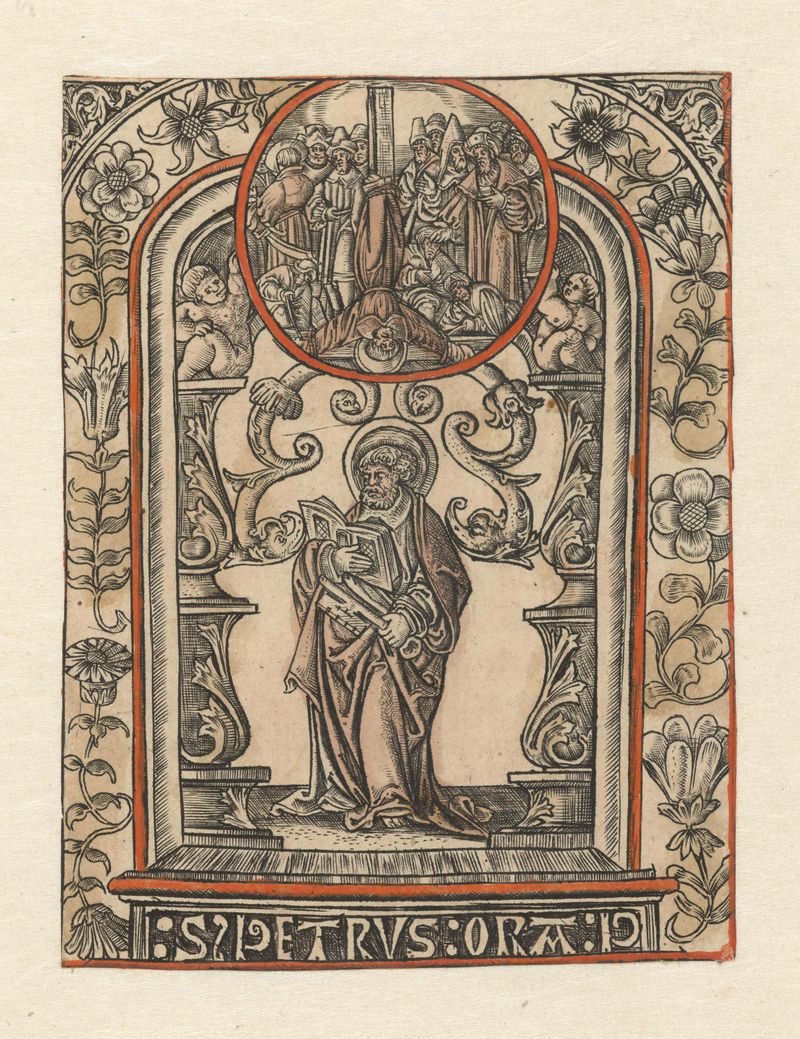
De apostel Petrus en zijn martelaarschap
Allaert Claesz.
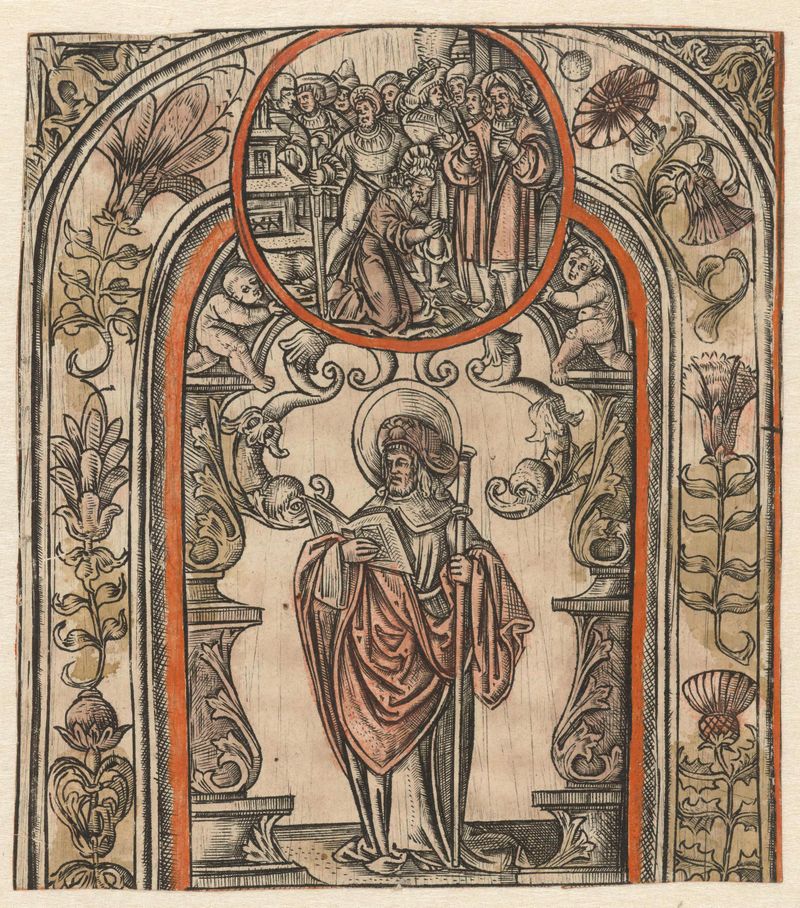
De apostel Jakobus Major en zijn martelaarschap
Allaert Claesz.
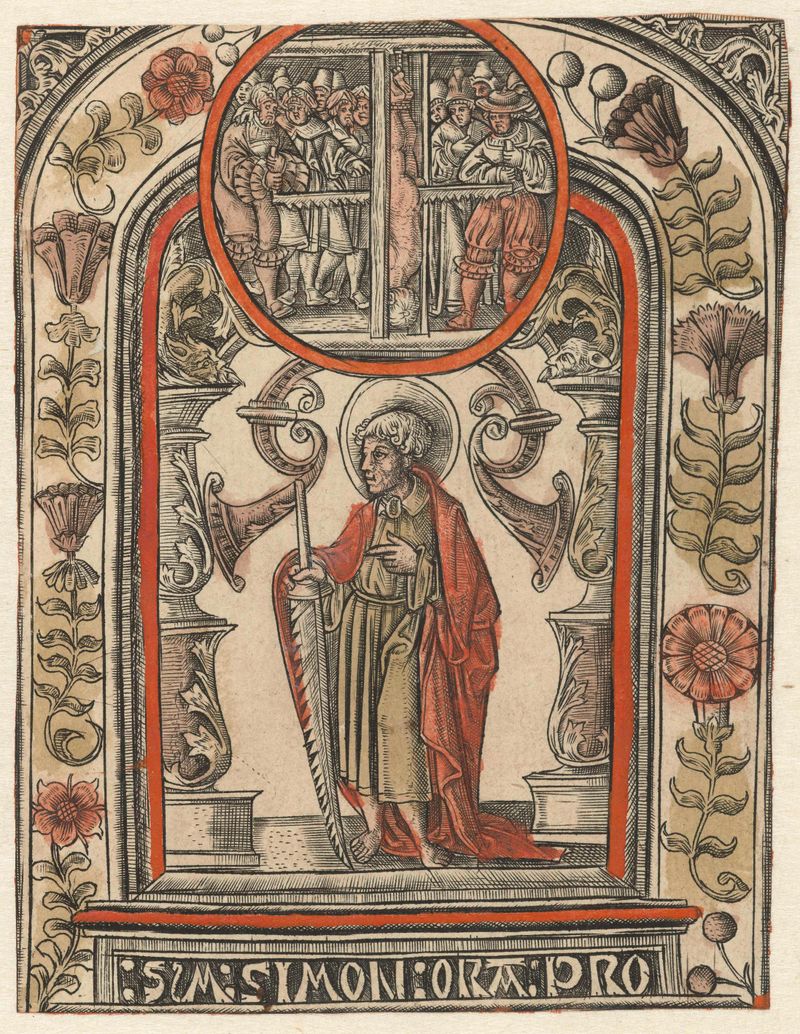
De apostel Simon en zijn martelaarschap
Allaert Claesz.
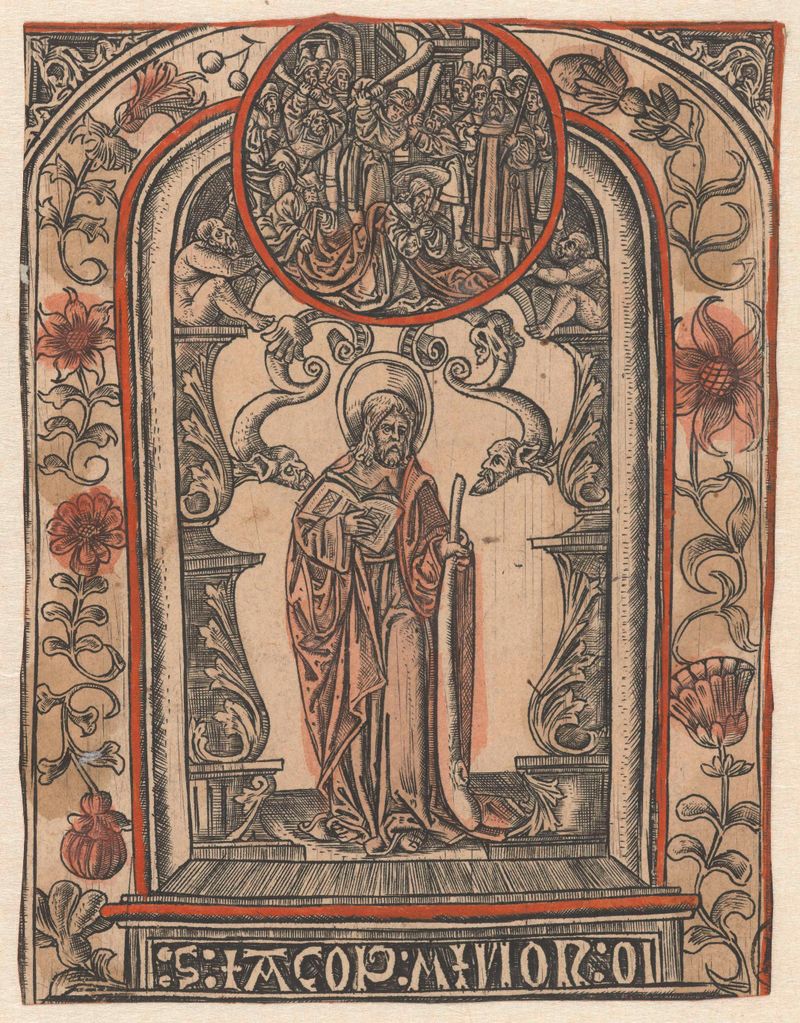
De apostel Jakobus Minor en zijn martelaarschap
Allaert Claesz.
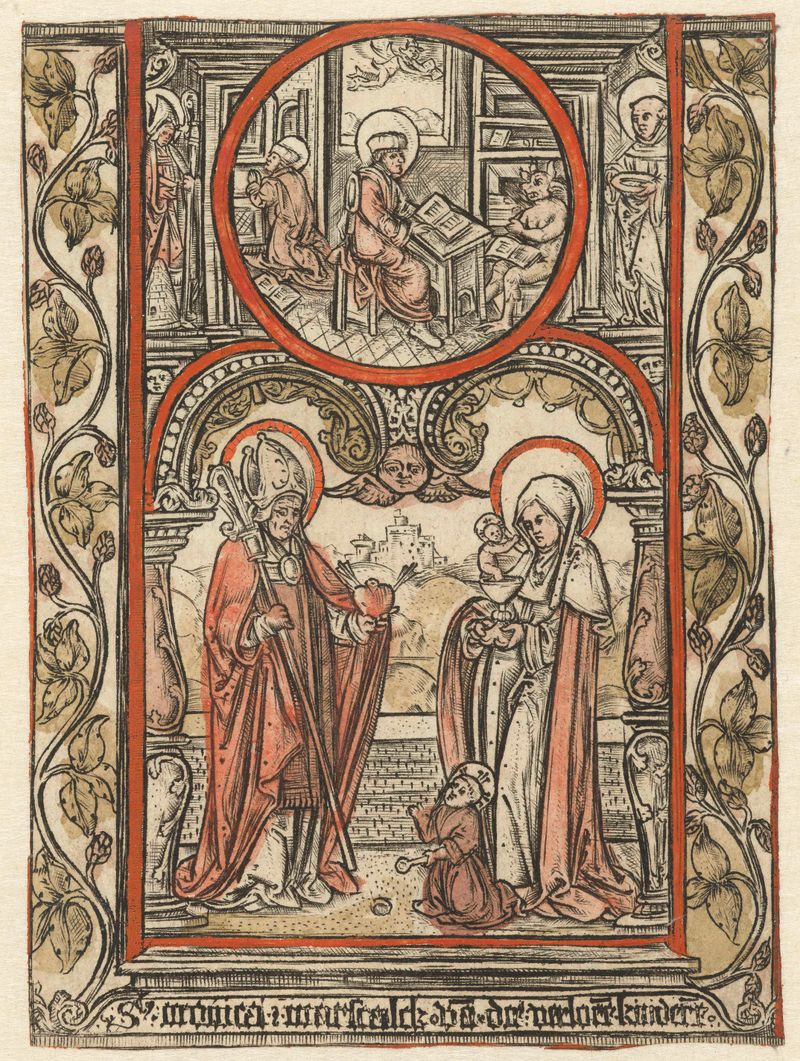
Heilige Augustinus en heilige Monica
Allaert Claesz.
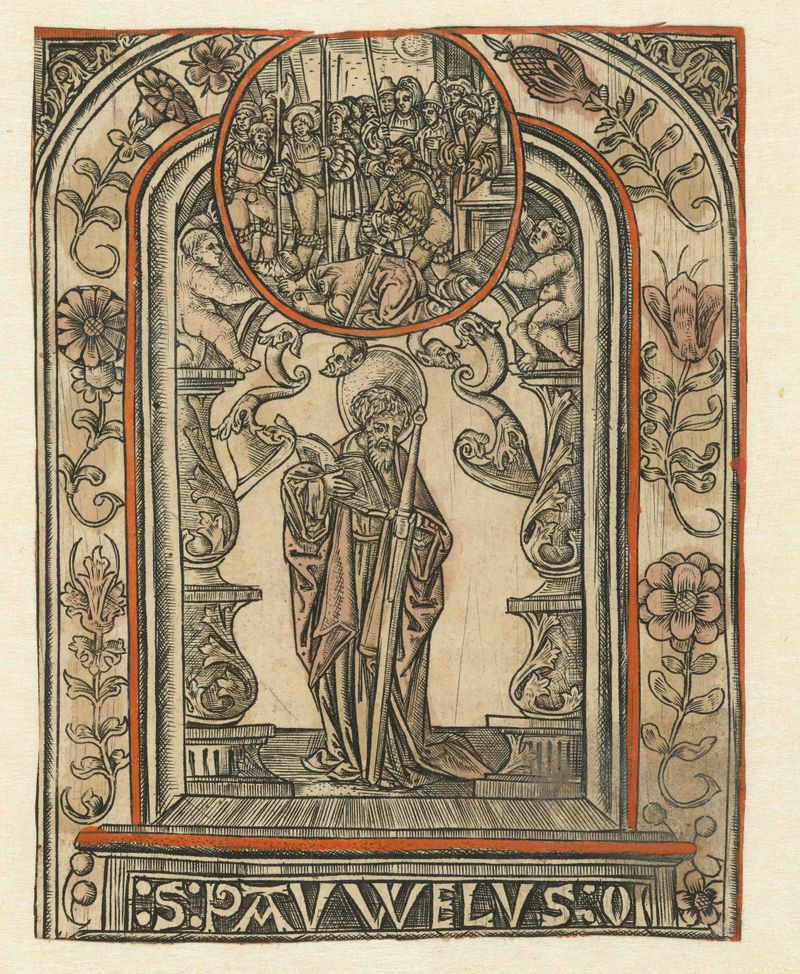
De apostel Paulus en zijn martelaarschap
Allaert Claesz.
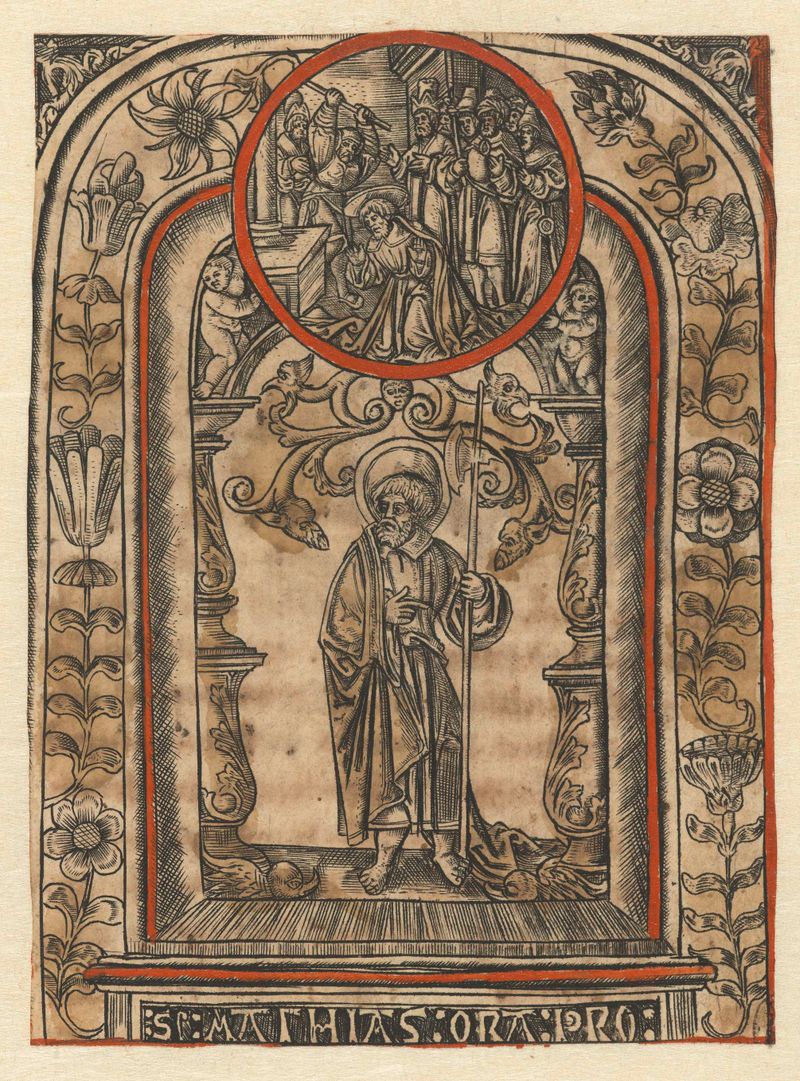
De apostel Matthias en zijn martelaarschap
Allaert Claesz.
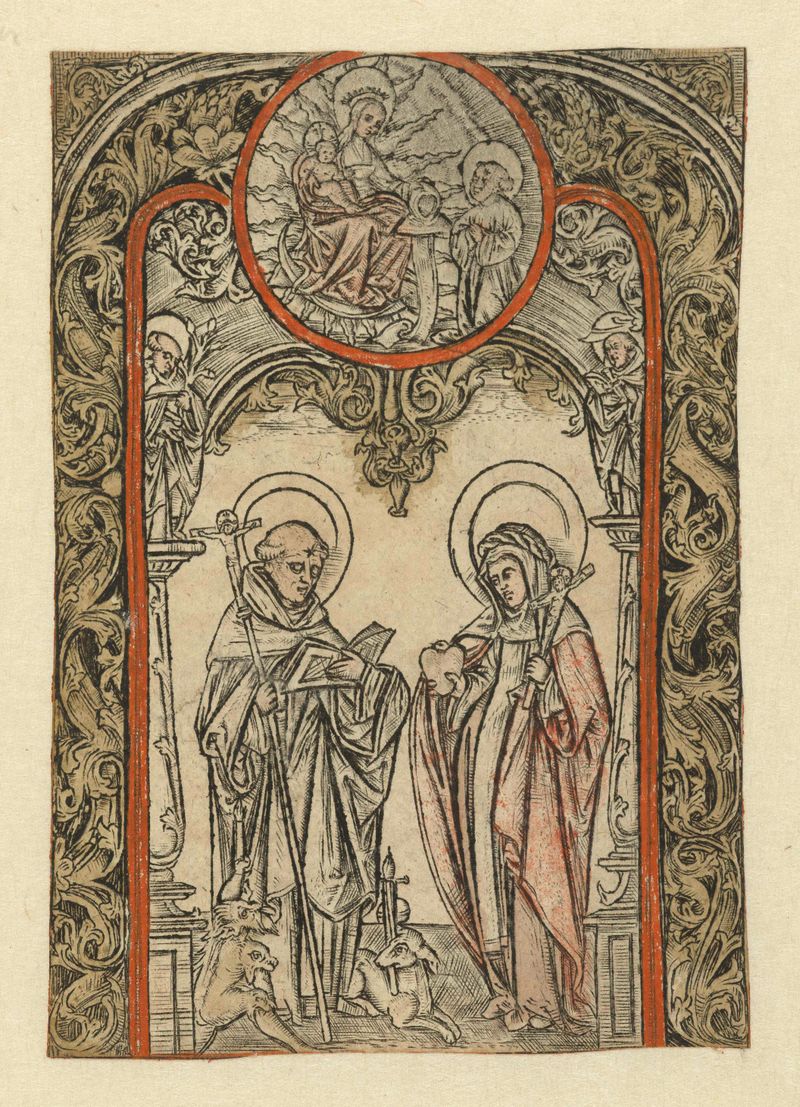
Heiligen Dominicus en Brigitta
Allaert Claesz.
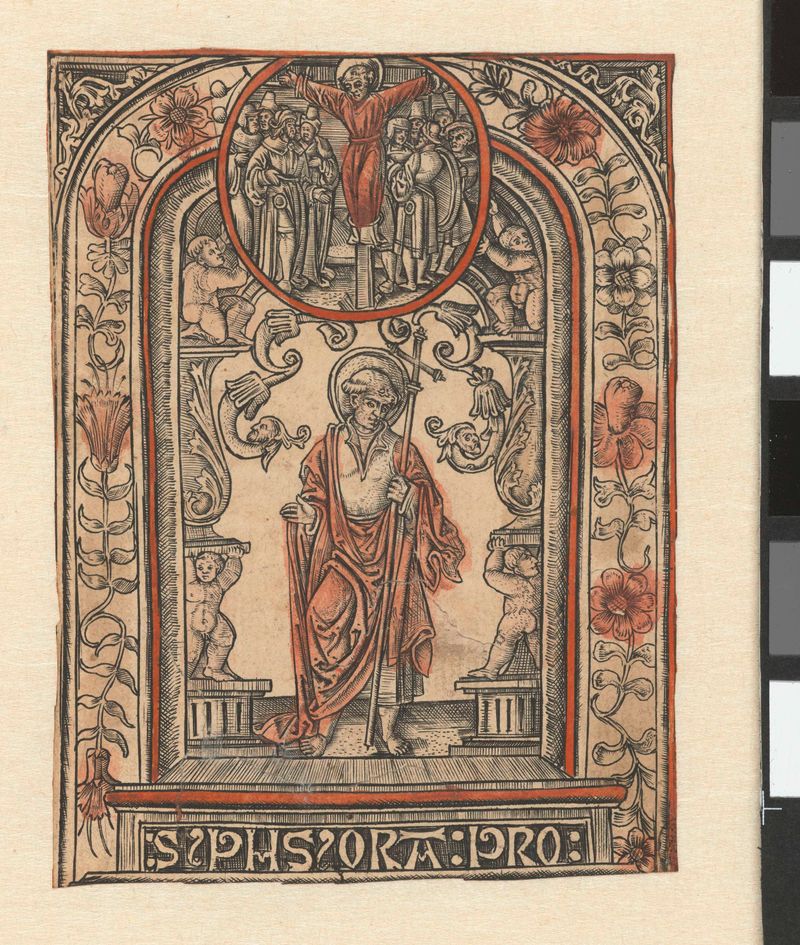
De apostel Philippus en zijn martelaarschap
Allaert Claesz.
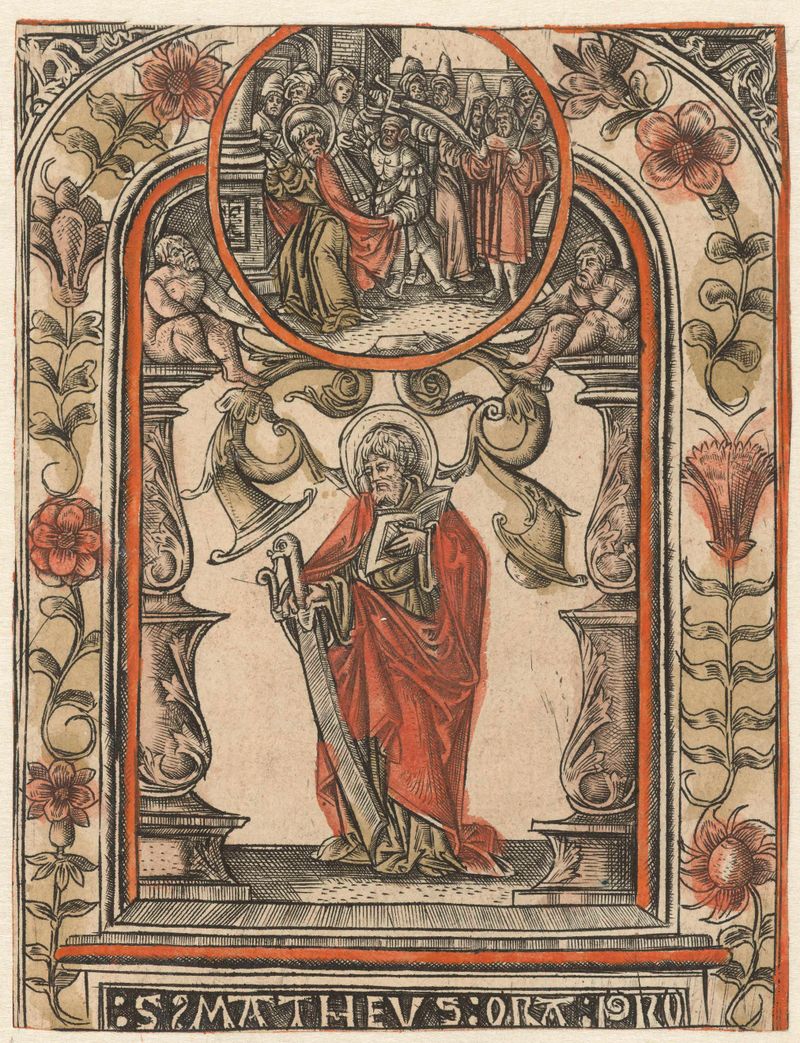
De apostel Mattheus en zijn martelaarschap
Allaert Claesz.
More Historical Art
Browse all →
The Night Watch Militia Company of District II under the Command of Captain Frans Banninck Cocq
Rembrandt van Rijn

Lincoln Memorial
Henry Bacon

The Third of May 1808
Francisco de Goya

Isaac and Rebecca, Known as ‘The Jewish Bride’
Rembrandt van Rijn

The Charge of the Mamelukes (1814)
Francisco de Goya

De vier ruiters van de apocalyps
Albrecht Dürer