
Heilige Augustinus en heilige Monica — History & Facts
Did the painter know this moment would outlive them? In Heilige Augustinus en heilige Monica, a quiet yet profound desire radiates from the figures, inviting contemplation on love, sacrifice, and spiritual connection. Begin by looking to the left at Saint Augustine, his expression a blend of contemplation and yearning. The chiaroscuro technique masterfully highlights his features, casting soft shadows across his face, while the golden tones of his robe suggest a divine aura. Now shift your gaze to the serene figure of Saint Monica, her gaze tenderly fixed upon Augustine, embodying maternal love and unwavering faith.
The earthy palette enchants, balancing deeper hues with gentle luminosity, creating a sense of harmony between the two figures. The emotional tension arises in the juxtaposition of Augustine's deep introspection and Monica's hopeful gaze, hinting at their complicated relationship. The contrast between her warmth and his somber demeanor reveals layers of longing—an intersection of maternal devotion and individual struggle. Each detail, from Augustine’s book to Monica’s clasped hands, speaks to a narrative of sacrifice, revealing that their bond transcends earthly existence, echoing through time. Created during the early 16th century, this piece reflects Claesz.'s role in the Northern Renaissance.
Living in the Netherlands, he was part of a burgeoning movement that combined intricate realism with spiritual themes. It was a period marked by religious upheaval, where such depictions of saints served both as art and as moral instruction, resonating with contemporary audiences seeking solace and meaning.
More Artworks by Allaert Claesz.
Browse all →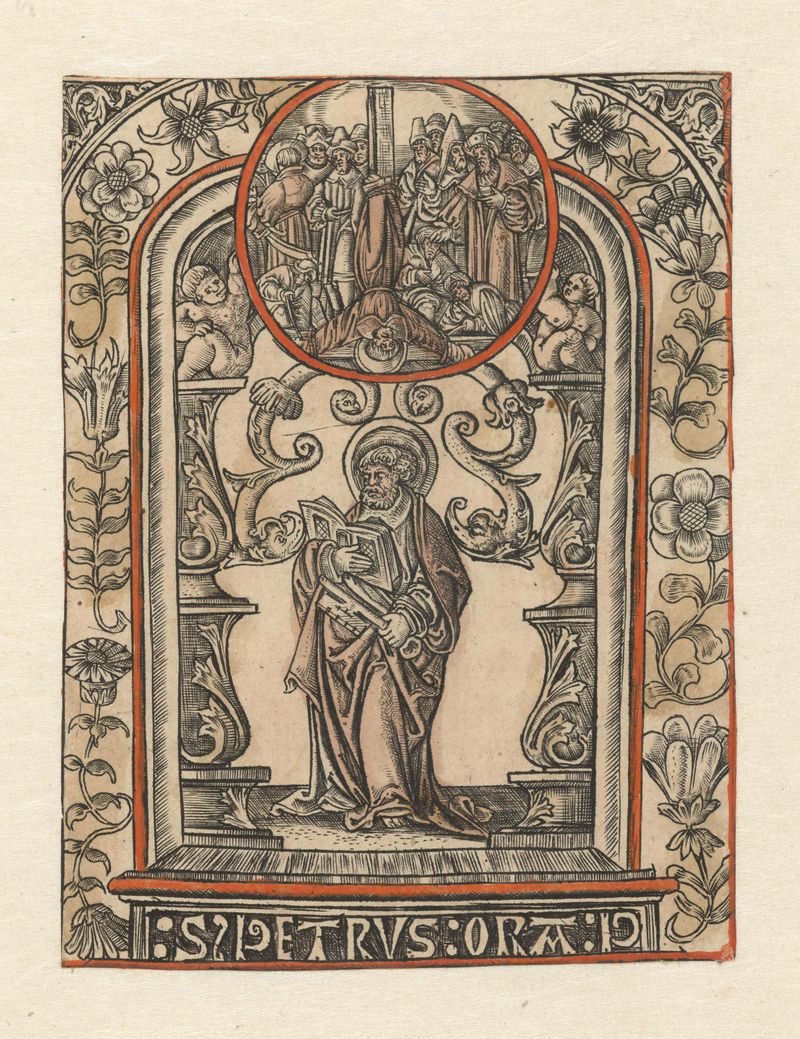
De apostel Petrus en zijn martelaarschap
Allaert Claesz.
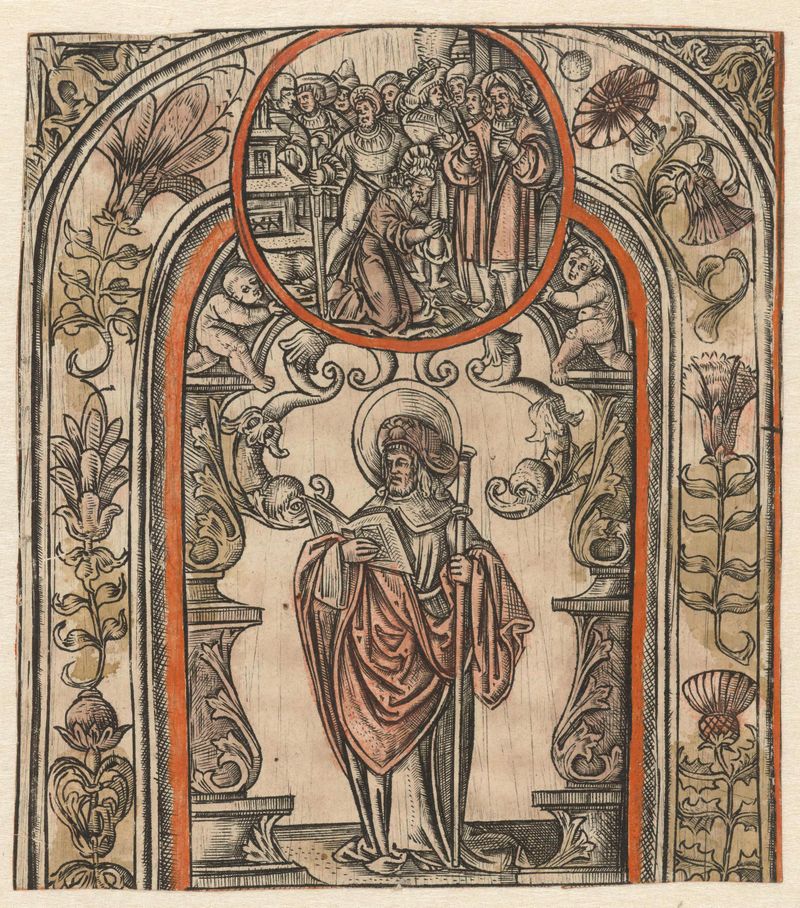
De apostel Jakobus Major en zijn martelaarschap
Allaert Claesz.
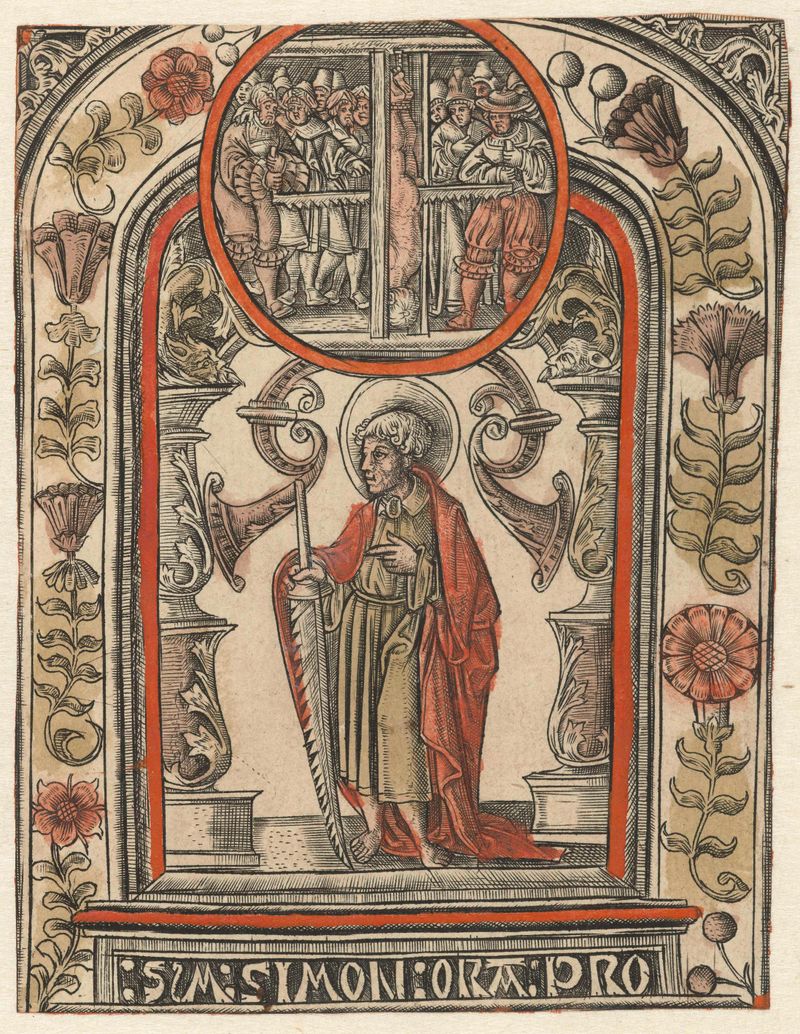
De apostel Simon en zijn martelaarschap
Allaert Claesz.
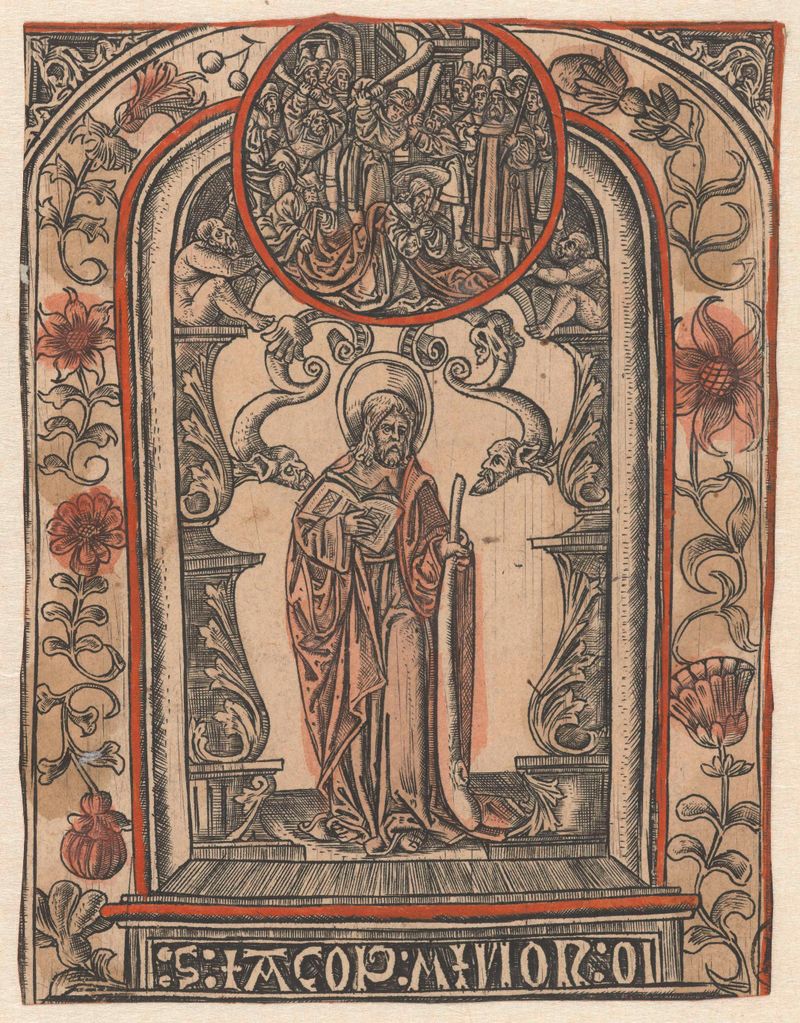
De apostel Jakobus Minor en zijn martelaarschap
Allaert Claesz.
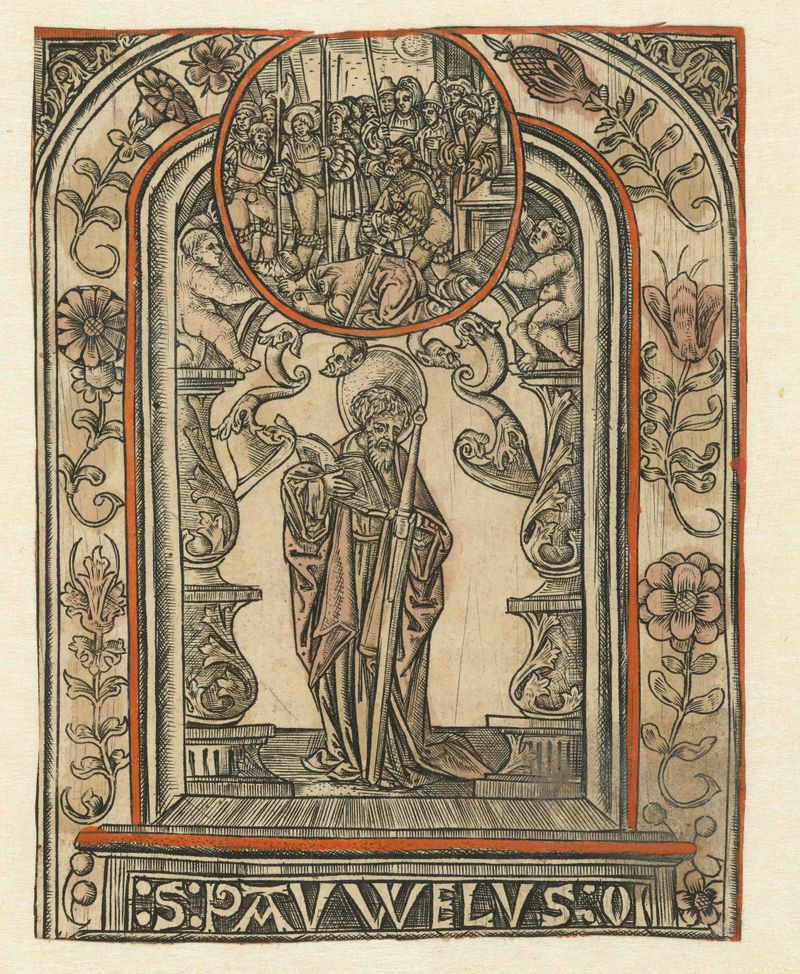
De apostel Paulus en zijn martelaarschap
Allaert Claesz.
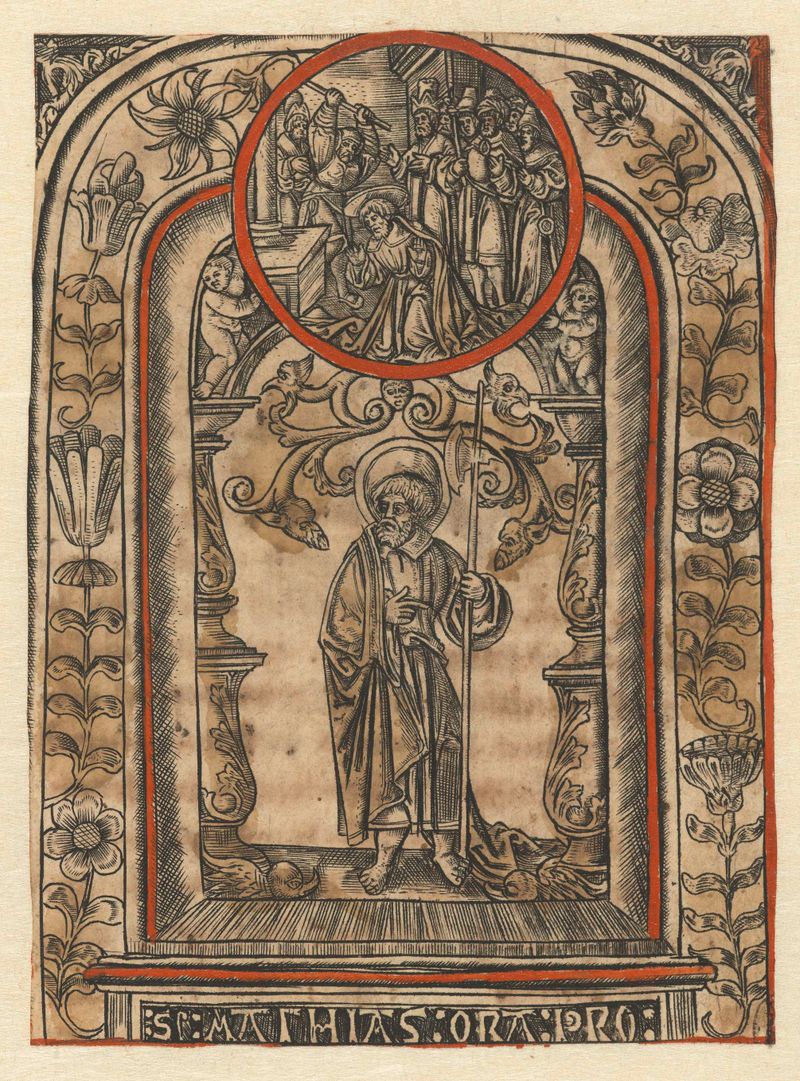
De apostel Matthias en zijn martelaarschap
Allaert Claesz.
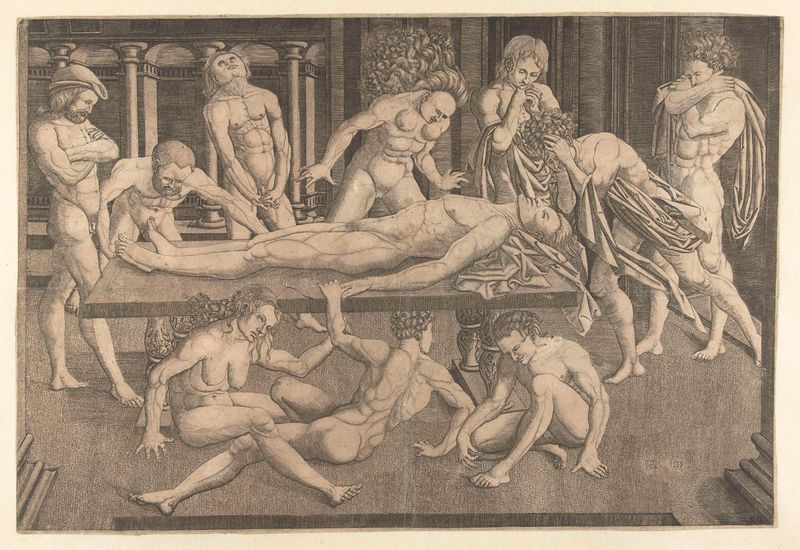
De bewening van Gattamelata de Narni
Allaert Claesz.
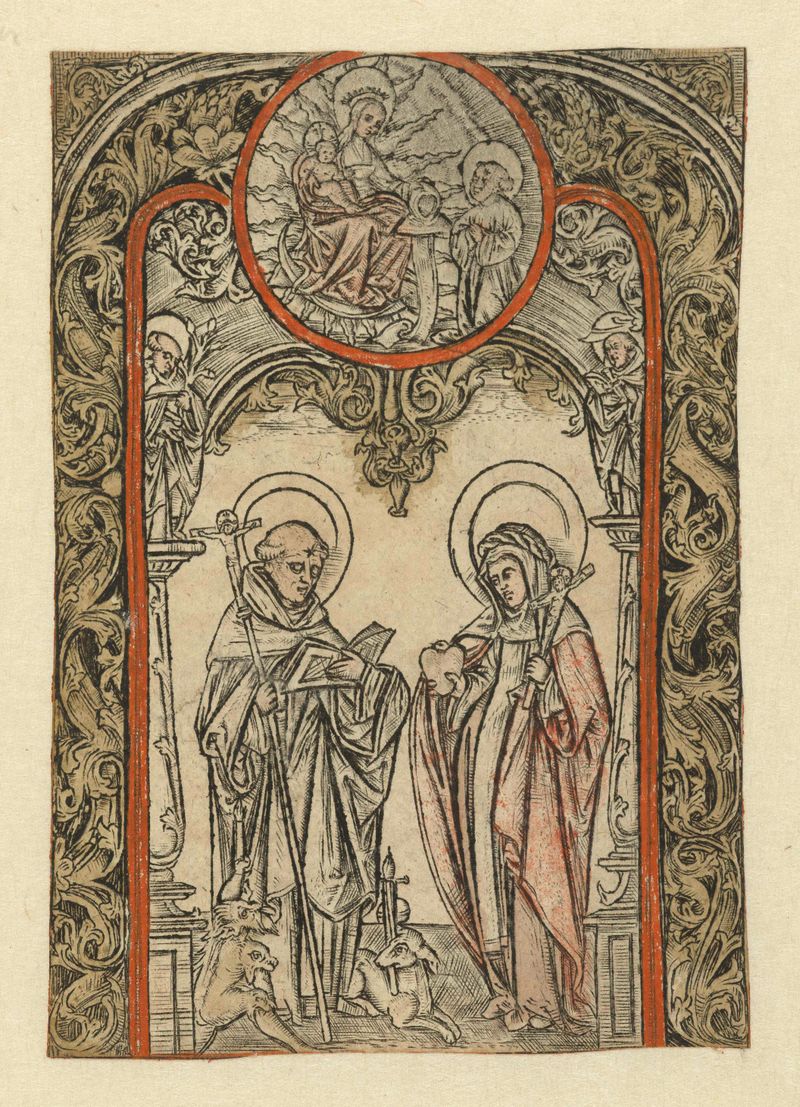
Heiligen Dominicus en Brigitta
Allaert Claesz.
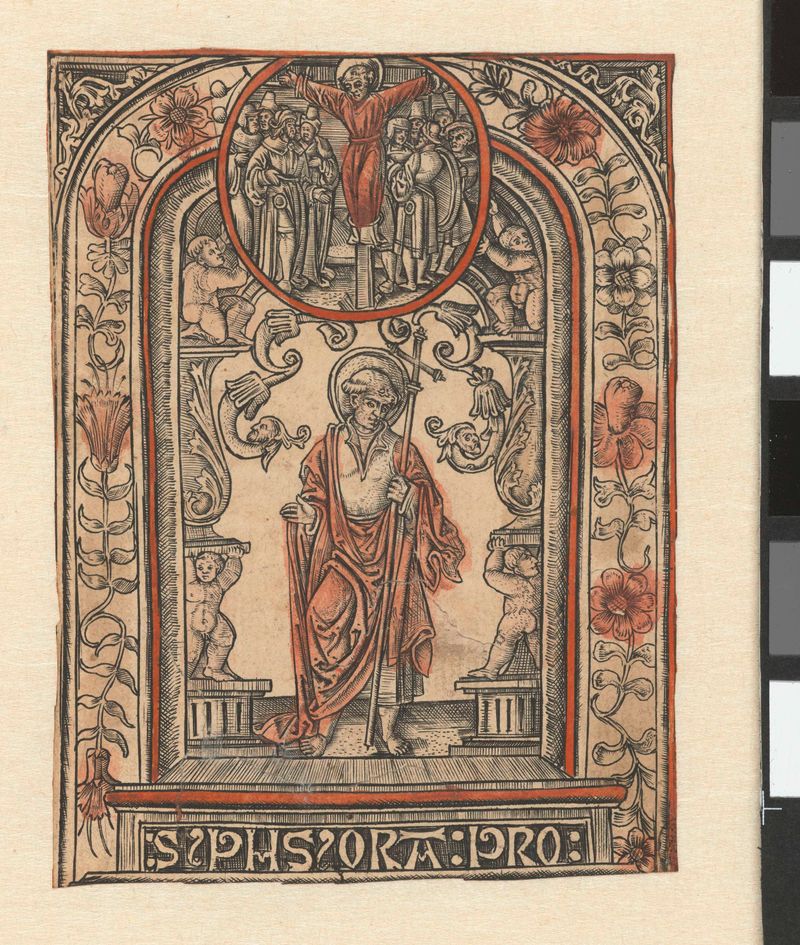
De apostel Philippus en zijn martelaarschap
Allaert Claesz.
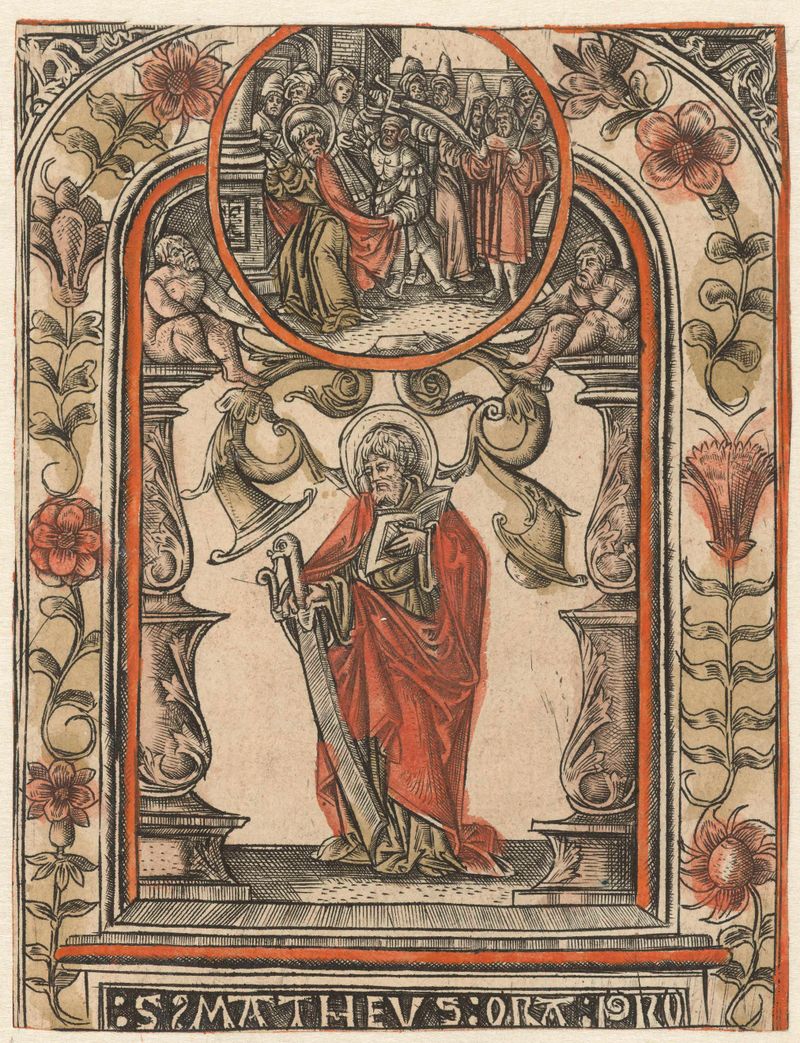
De apostel Mattheus en zijn martelaarschap
Allaert Claesz.
More Religious Art
Browse all →
The Return of the Prodigal Son
Rembrandt van Rijn

The Garden of Earthly Delights
El Bosco

Count Orgaz’ funeral
El Greco

The Hundred Guilder Print: the central piece with Christ preaching, the plate arched
Rembrandt van Rijn

The Descent from the Cross
Rogier van der Weyden

The return of the prodigal son
Rembrandt van Rijn