
De apostel Philippus — History & Facts
When did color learn to lie? In De apostel Philippus, a revelation unfolds through the intricate interplay of light and shadow that both reveals and obscures the depths of humanity. Look to the center of the composition where Philippus stands, a robust figure adorned in deep red and rich earth tones. Notice how the soft illumination highlights his face, casting a glow that contrasts with the darkened background. This interplay of chiaroscuro not only captures his physical presence but also hints at the weight of his spiritual journey.
The meticulous detailing in the folds of his robe and the depth of his expressive hands draws the viewer into his world, suggesting a moment suspended between earthly existence and divine calling. Delve deeper into the artwork, and you’ll uncover layers of emotional tension. The Archbishop of the painting is not merely a figure of faith; he embodies the struggle between doubt and certainty—the brilliance of his gaze meets the shadowy uncertainty of his surroundings. The delicate arrangement of his pose reflects a balance of power and vulnerability, emphasizing the duality of his role as both an apostle and a mere mortal.
In this tension, a dialogue between divine purpose and human frailty emerges, rendering the painting both deeply personal and universally resonant. Created in 1526, Dürer painted this work during a period marked by religious upheaval in Europe, as the Reformation challenged traditional views on faith. Living in Nuremberg, he was profoundly influenced by these changes, leading him to explore themes of spirituality and individualism in his art. This work reflects not only his mastery of the medium but also his engagement with the complex discussions of faith that were reshaping European society.
More Artworks by Albrecht Dürer
Browse all →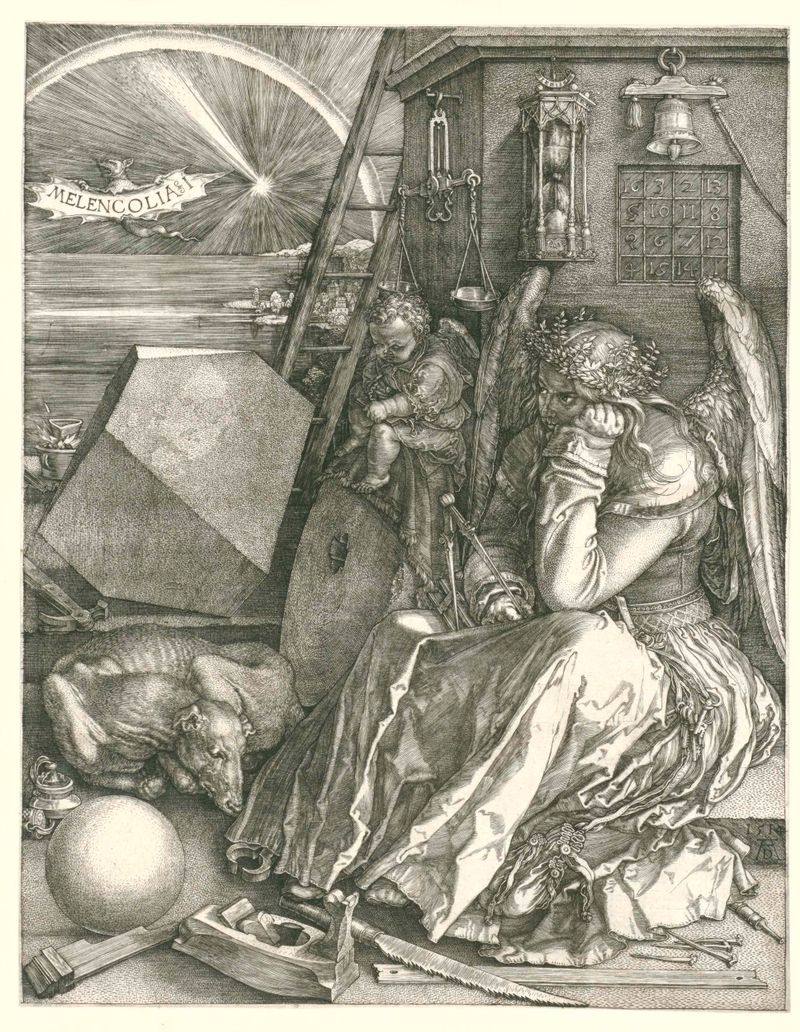
Melancholia
Albrecht Dürer
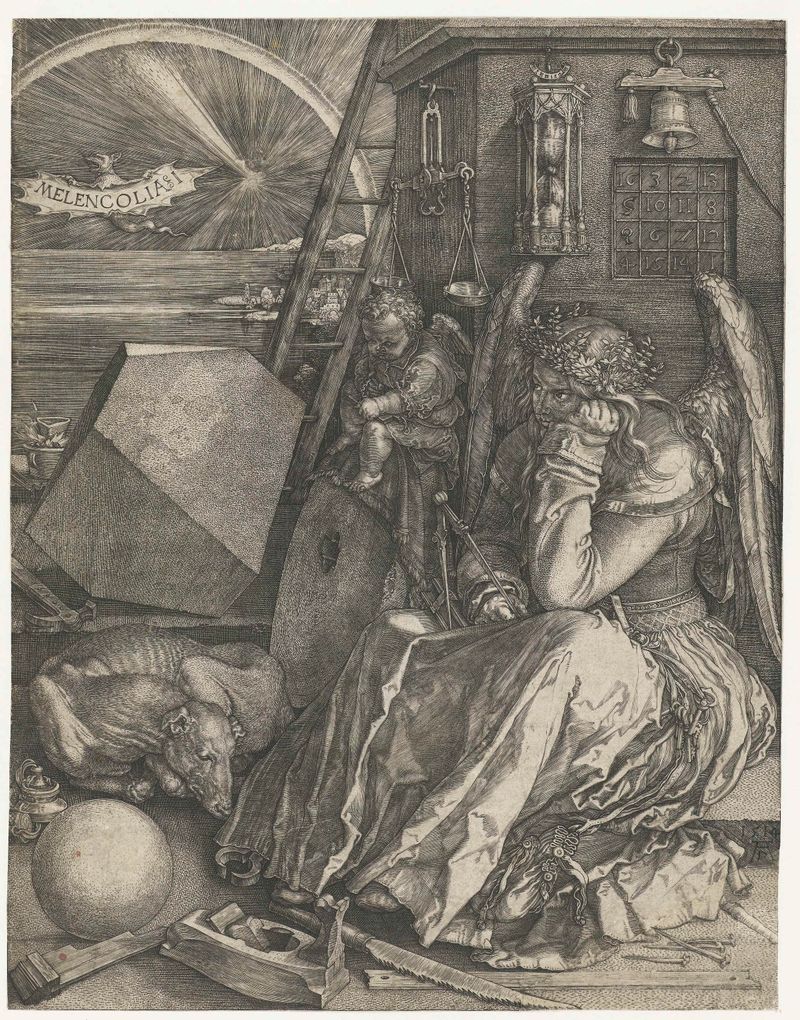
Melancholie
Albrecht Dürer

Neushoorn
Albrecht Dürer
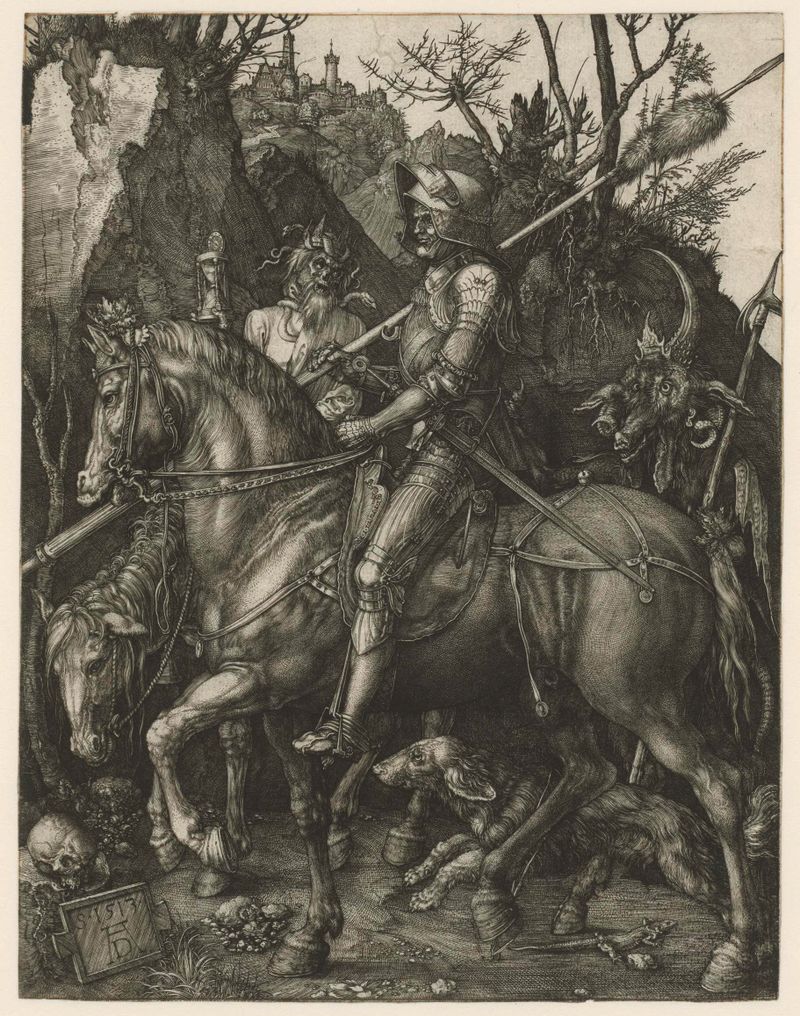
Knight, Death, and the Devil
Albrecht Dürer

De vier ruiters van de apocalyps
Albrecht Dürer

De vier ruiters van de apocalyps
Albrecht Dürer
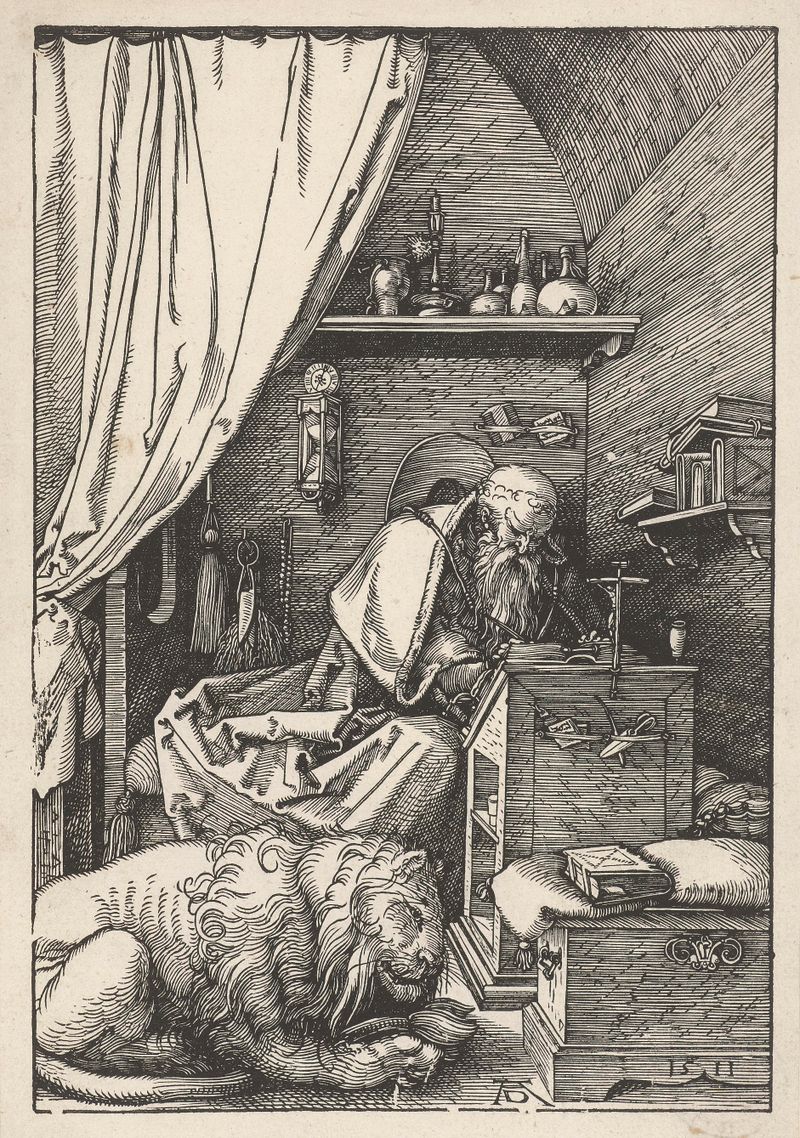
De Heilige Hiëronymus in zijn studeervertrek
Albrecht Dürer
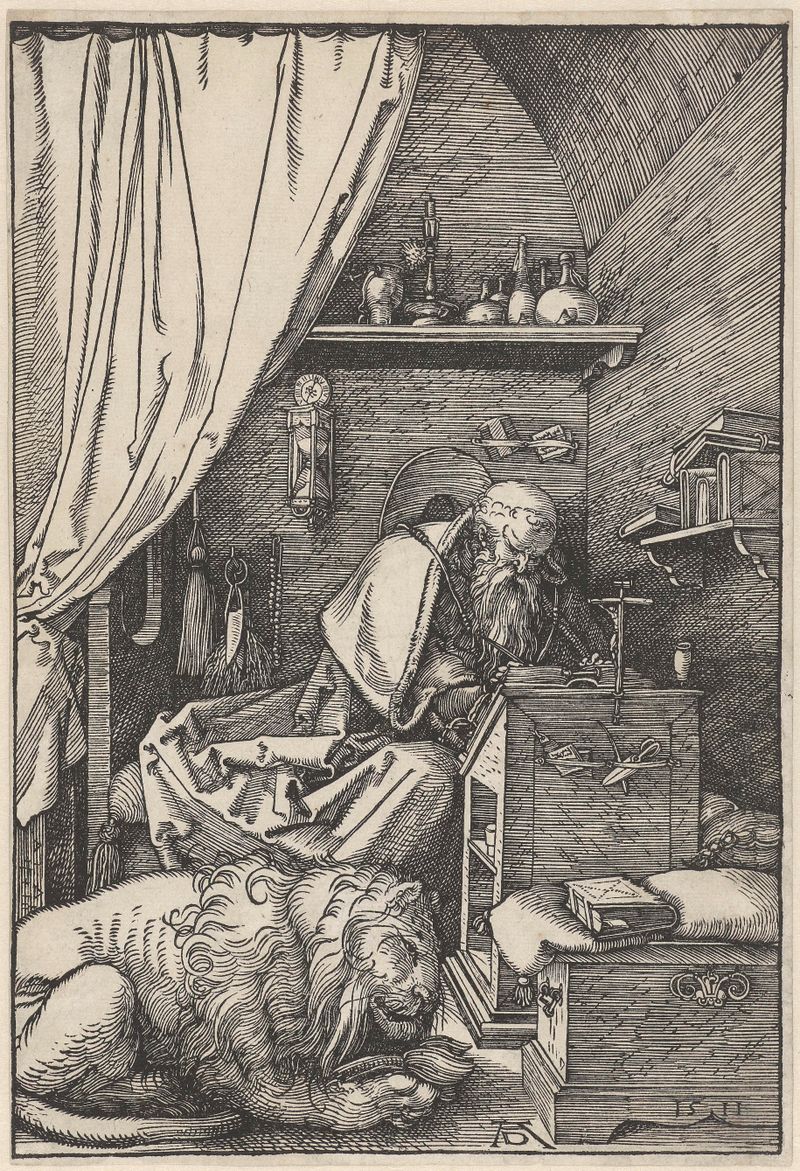
De Heilige Hiëronymus in zijn studeervertrek
Albrecht Dürer
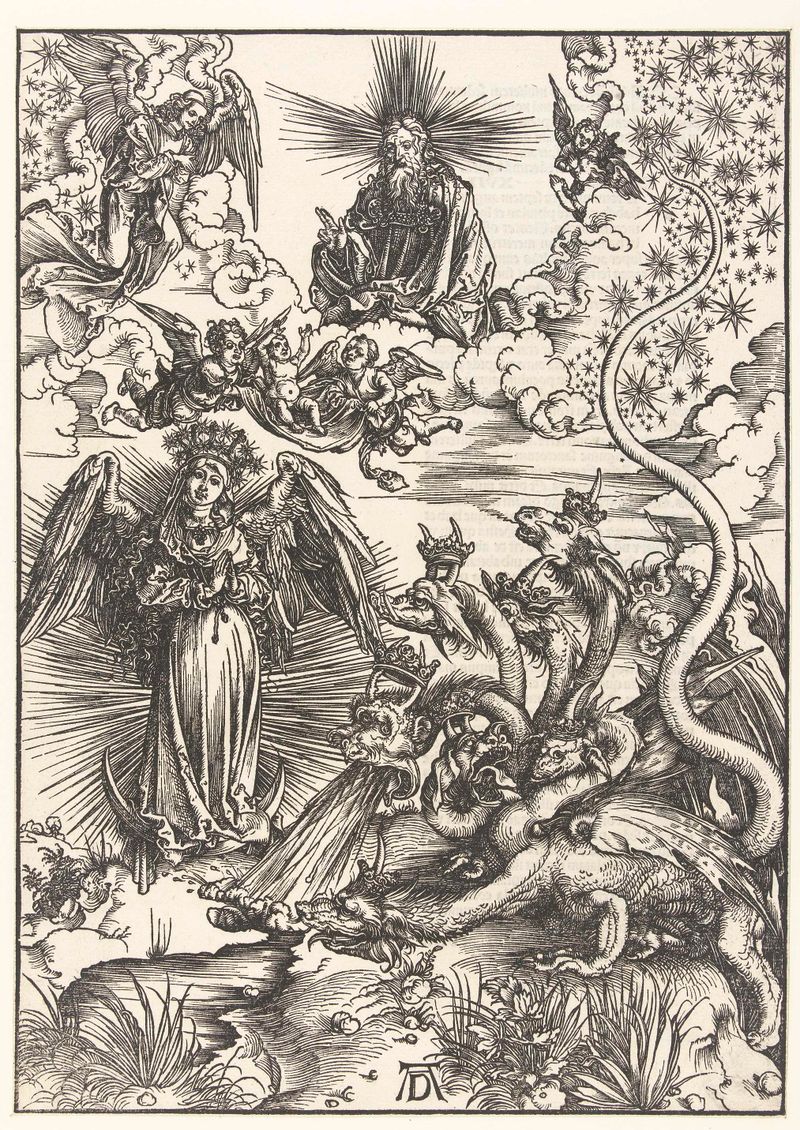
De apocalyptische vrouw en de zevenkoppige draak
Albrecht Dürer
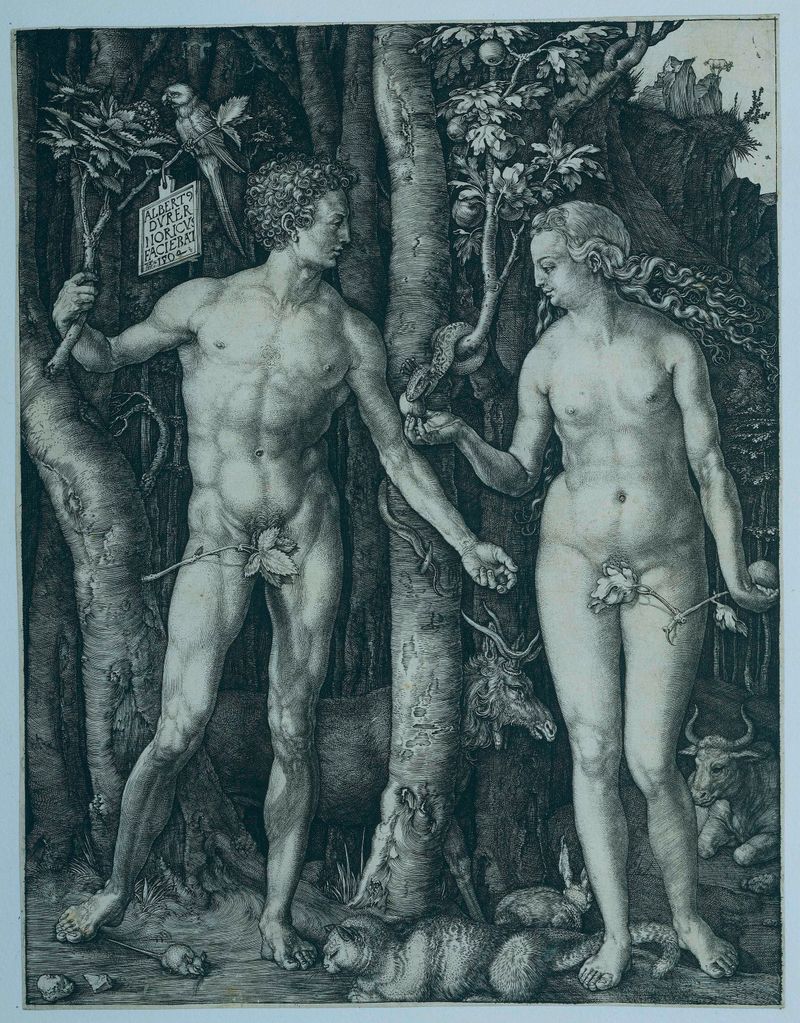
Adam en Eva
Albrecht Dürer
More Religious Art
Browse all →
The Return of the Prodigal Son
Rembrandt van Rijn

The Garden of Earthly Delights
El Bosco

Count Orgaz’ funeral
El Greco

The Hundred Guilder Print: the central piece with Christ preaching, the plate arched
Rembrandt van Rijn

The Descent from the Cross
Rogier van der Weyden

The return of the prodigal son
Rembrandt van Rijn