
De apostel Philippus — History & Facts
When did color learn to lie? In De apostel Philippus, the tension between observation and interpretation invites viewers to explore the boundaries of reality and faith. First, look to the left at the robust figure of Philip, bathed in a warm glow that emanates from an unseen light source. His expressive face, framed by a cascade of golden hair, conveys both wisdom and urgency. Notice the subtle interplay of colors in his draped garments—rich blues and deep reds—that not only define his form but also evoke the spiritual fervor of his mission.
The intricate detailing of the fabric contrasts with the soft, almost ethereal quality of his surroundings, suggesting a divine presence. Deeper meaning unfurls in the humble position of Philip's hands, gesturing toward the heavens while cradling an open book, symbolizing the weight of knowledge. The tension between light and shadow across his visage reflects a struggle between doubt and faith, grounding his transcendent aim in human vulnerability. Dürer’s meticulous brushwork captures not just the physicality of Philip, but also the complexity of belief—a reminder that the path to enlightenment is fraught with uncertainties. Albrecht Dürer painted De apostel Philippus in 1526 during a time of personal and artistic transformation in Nuremberg.
As he grappled with his own spiritual explorations and the evolving landscape of Renaissance art, he sought to elevate religious figures through detailed realism and emotive expression. This work, part of his series on apostles, reflects both his mastery and his desire to challenge conventional depictions of faith and spirituality during a period rife with theological debates.
More Artworks by Albrecht Dürer
Browse all →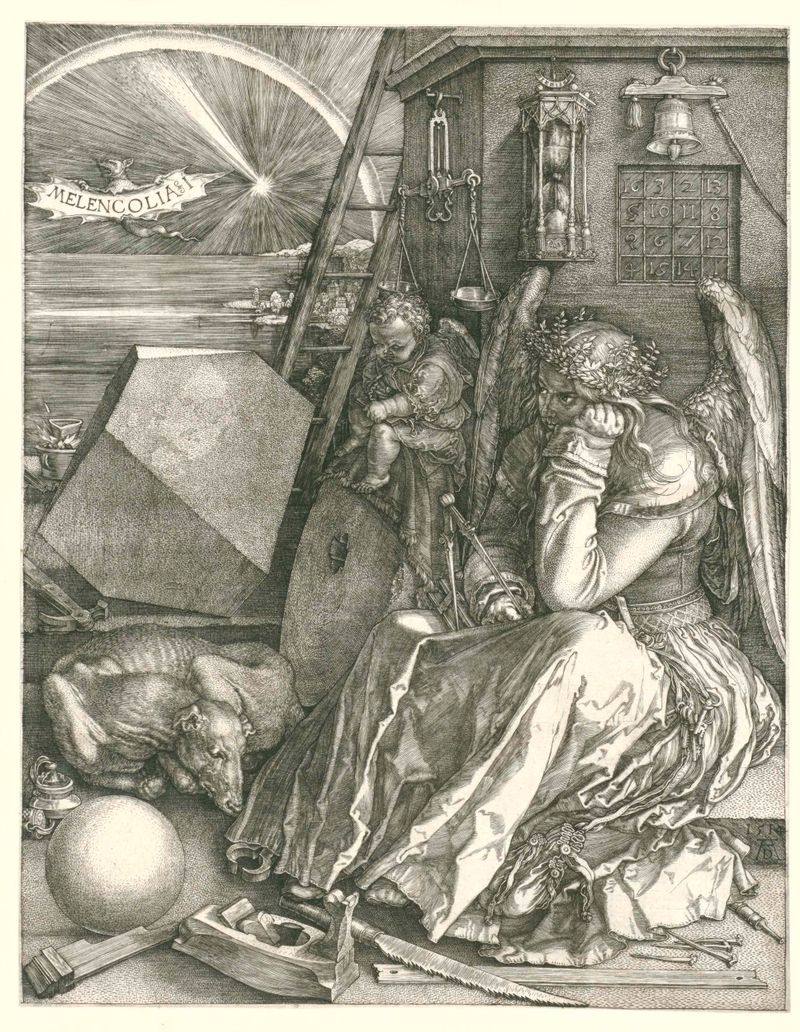
Melancholia
Albrecht Dürer
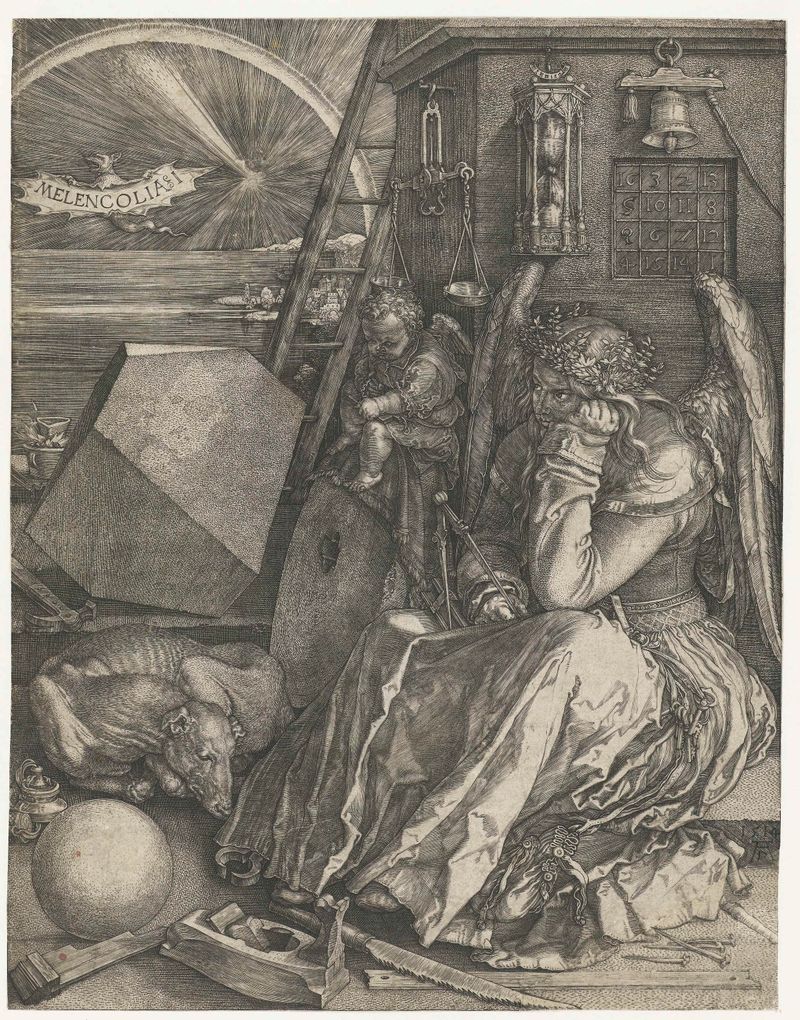
Melancholie
Albrecht Dürer

Neushoorn
Albrecht Dürer
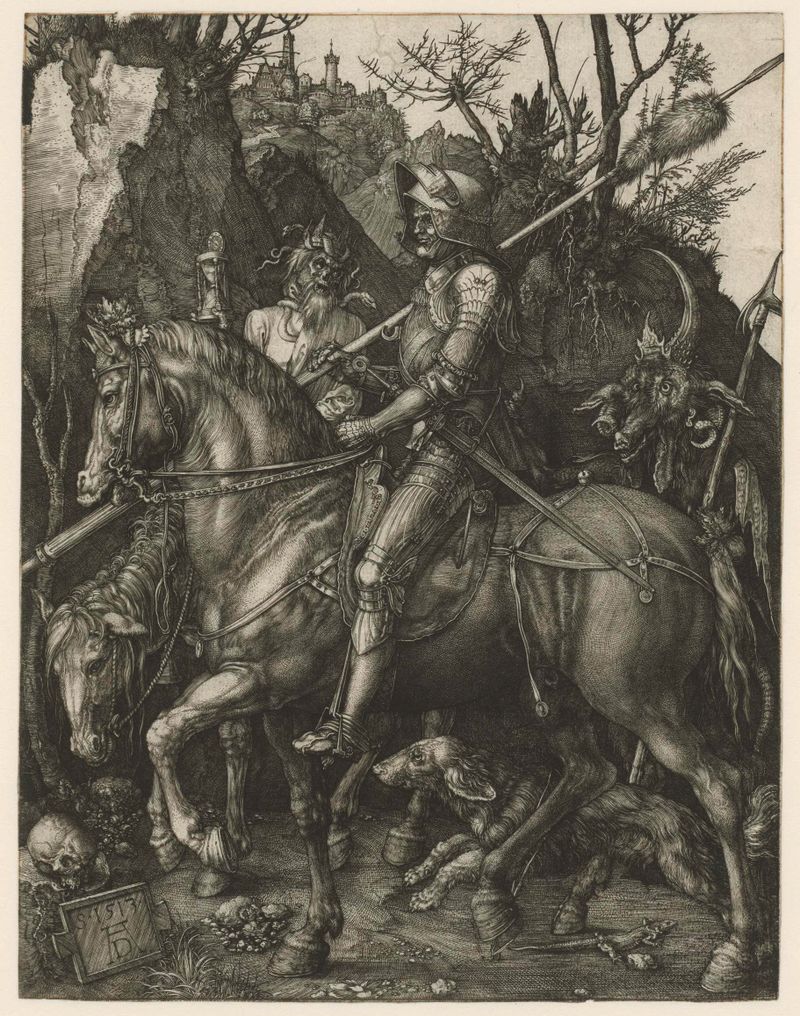
Knight, Death, and the Devil
Albrecht Dürer

De vier ruiters van de apocalyps
Albrecht Dürer

De vier ruiters van de apocalyps
Albrecht Dürer
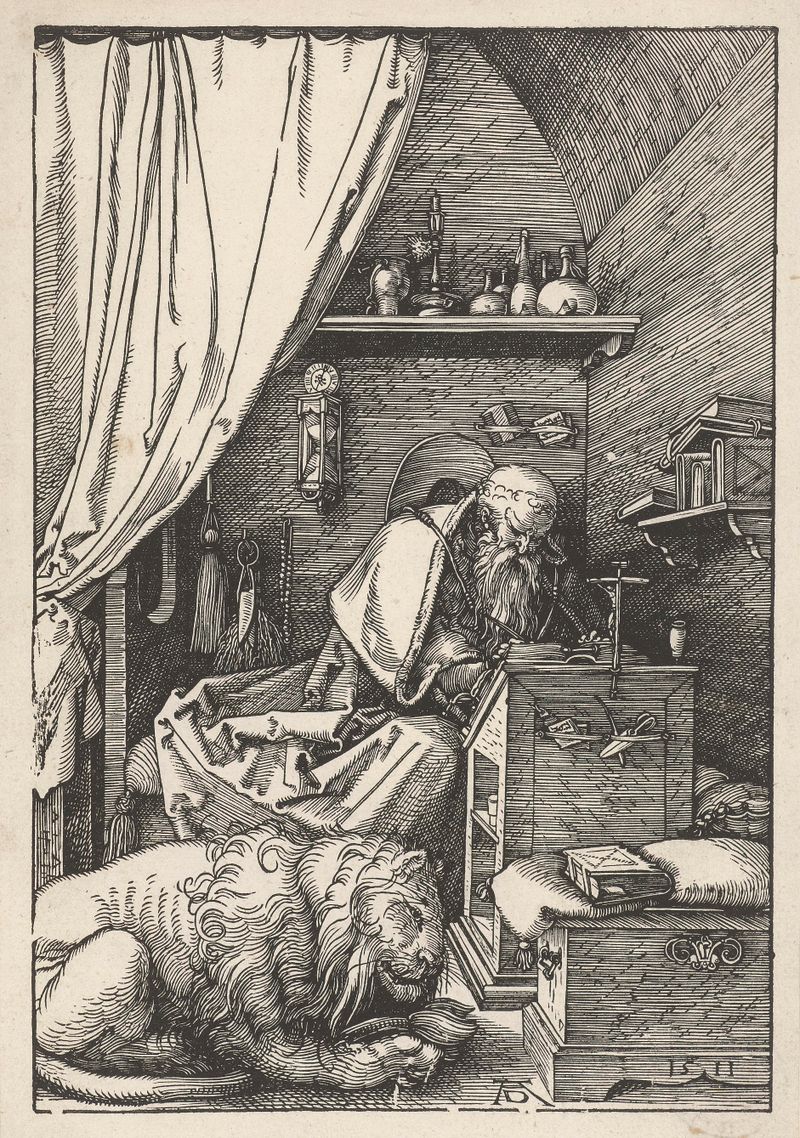
De Heilige Hiëronymus in zijn studeervertrek
Albrecht Dürer
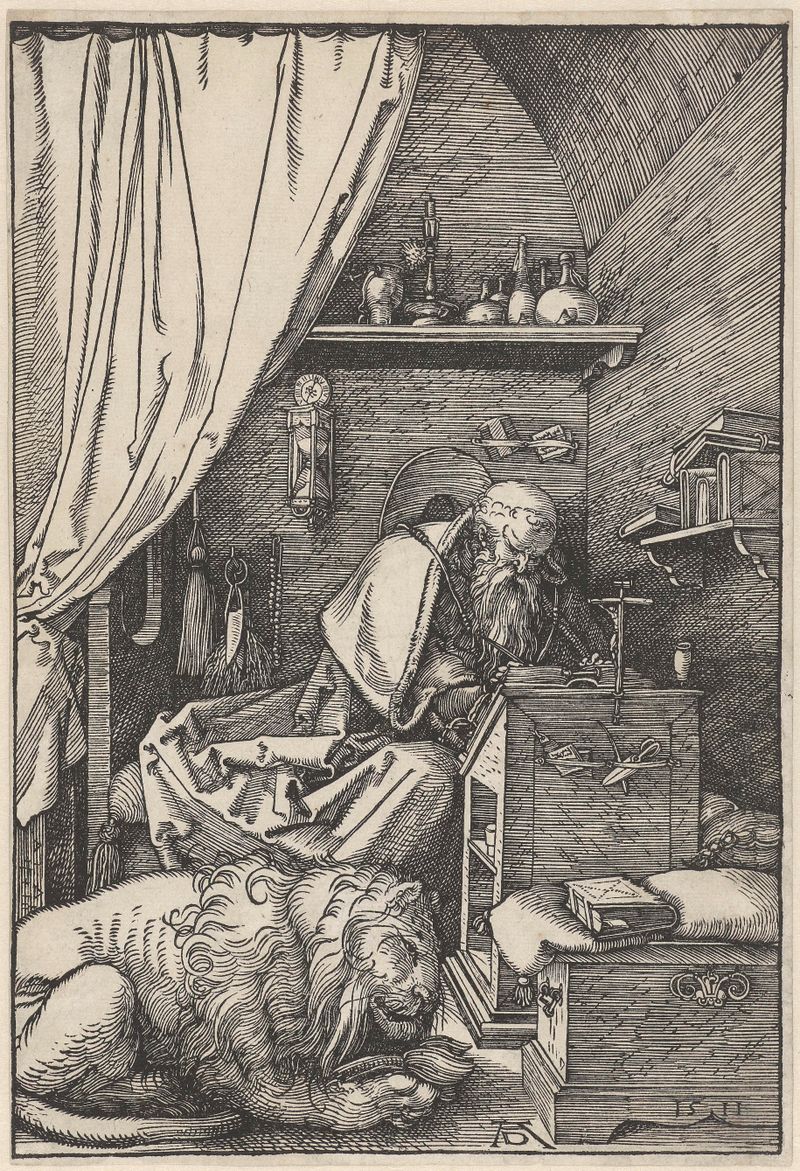
De Heilige Hiëronymus in zijn studeervertrek
Albrecht Dürer
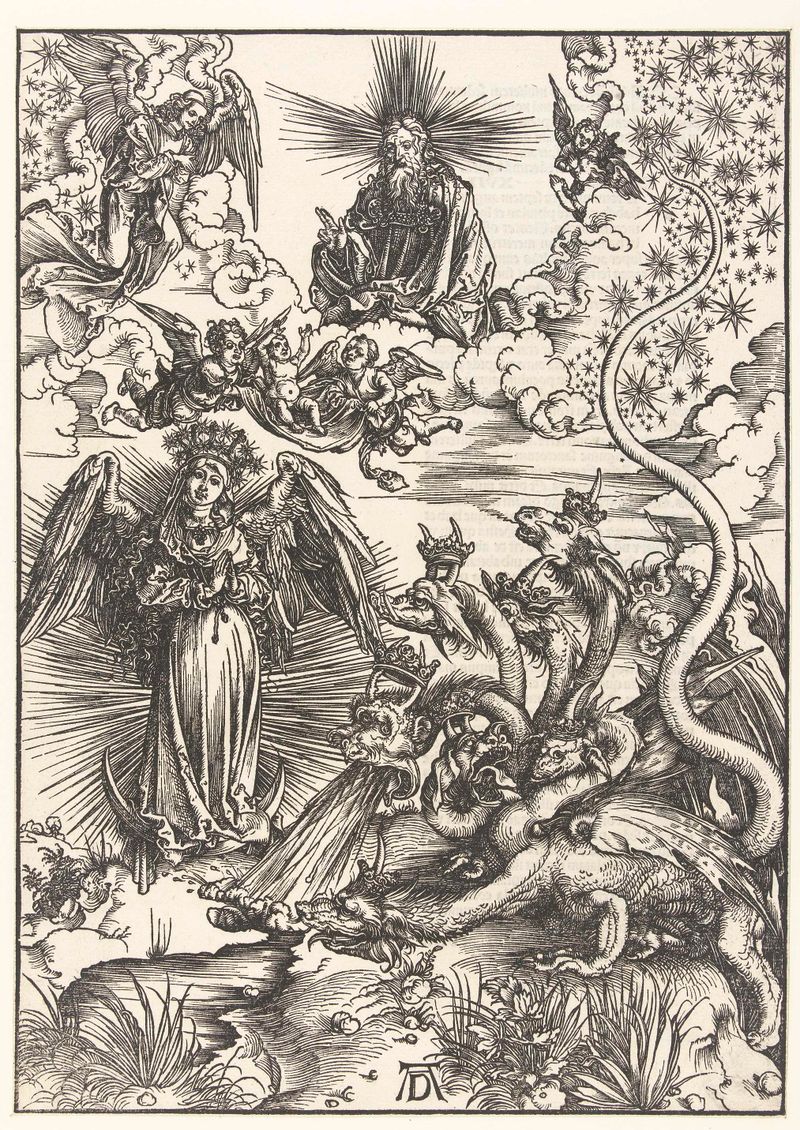
De apocalyptische vrouw en de zevenkoppige draak
Albrecht Dürer
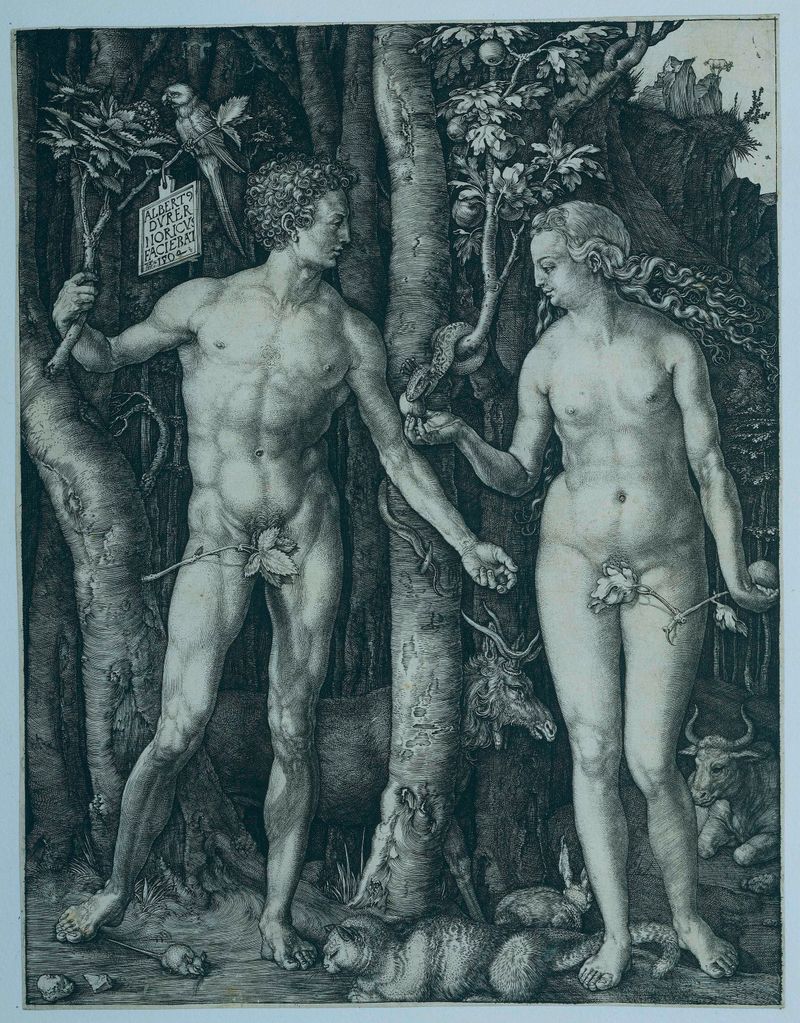
Adam en Eva
Albrecht Dürer
More Religious Art
Browse all →
The Return of the Prodigal Son
Rembrandt van Rijn

The Garden of Earthly Delights
El Bosco

Count Orgaz’ funeral
El Greco

The Hundred Guilder Print: the central piece with Christ preaching, the plate arched
Rembrandt van Rijn

The Descent from the Cross
Rogier van der Weyden

The return of the prodigal son
Rembrandt van Rijn