
De apostel Thomas — History & Facts
In the stillness of De apostel Thomas, a quiet yearning resonates as the viewer confronts the poignant moment of doubt entwined with faith. Look to the center of the composition where Thomas stands, his figure stooped in contemplation. The delicate play of light highlights his furrowed brow and the soft folds of his robe, drawing attention to the tension in his expression. Notice how the muted earth tones create a sense of intimacy, while the contrasting brightness of the background illuminates the sacredness of the scene.
Each intricate detail, from the texture of Thomas's garment to the subtle glimmer of his skin, invites you to linger, eliciting a profound connection to his internal struggle. As you gaze deeper, consider the symbolism of the outstretched hand—both a gesture of doubt and a plea for understanding. The background, with its hazy forms, suggests the ethereal realm of belief that exists just beyond Thomas’s reach. This tension between the material and the spiritual elevates the act of questioning to a sacred endeavor, illustrating the beauty found in uncertainty and the human condition’s quest for truth.
Each element harmonizes to reveal a narrative that transcends time, capturing a universal desire for connection. Created during a period of great upheaval in early 16th-century Europe, this artwork reflects Albrecht Dürer’s exploration of faith amid the Reformation. Painted in Nuremberg in 1514, it showcases his mastery of engraving and the profound influence of humanist ideals, as artists began to grapple with complex themes of spirituality and personal experience in their work.
More Artworks by Albrecht Dürer
Browse all →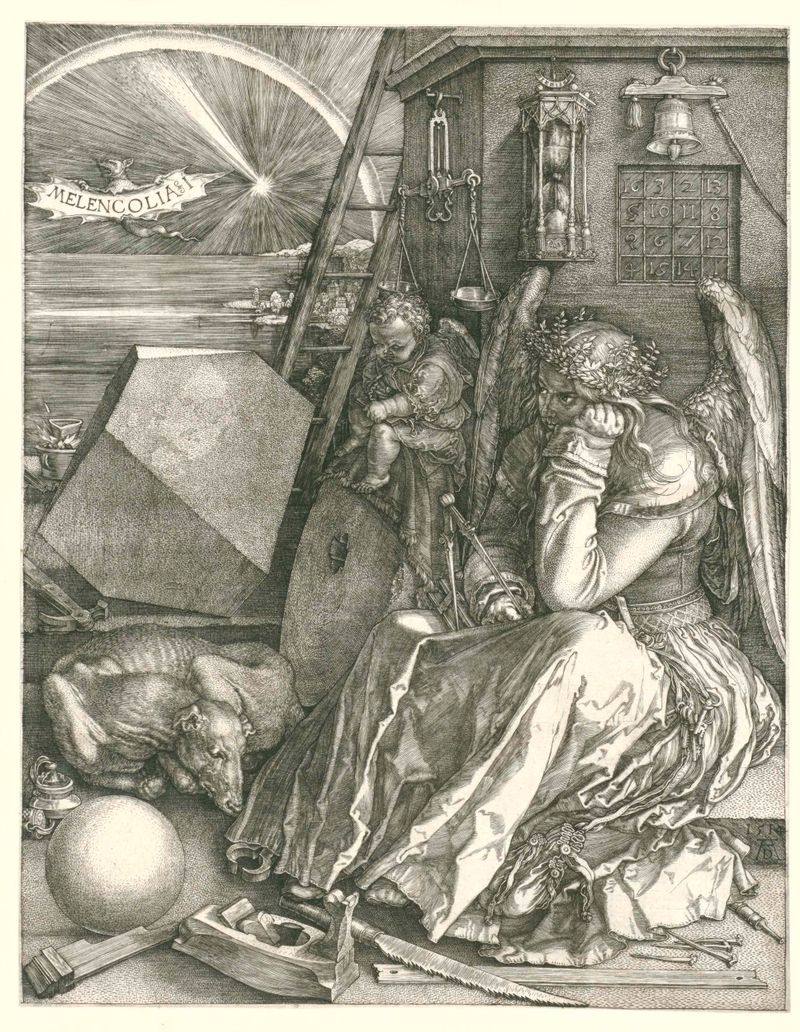
Melancholia
Albrecht Dürer
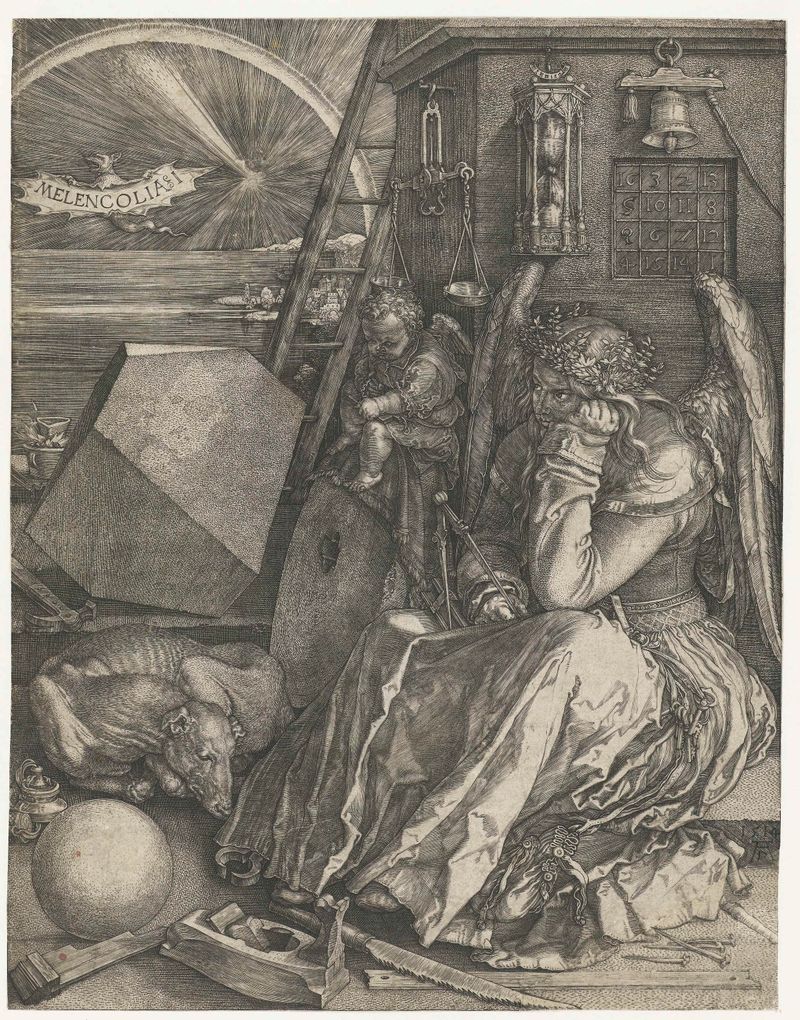
Melancholie
Albrecht Dürer
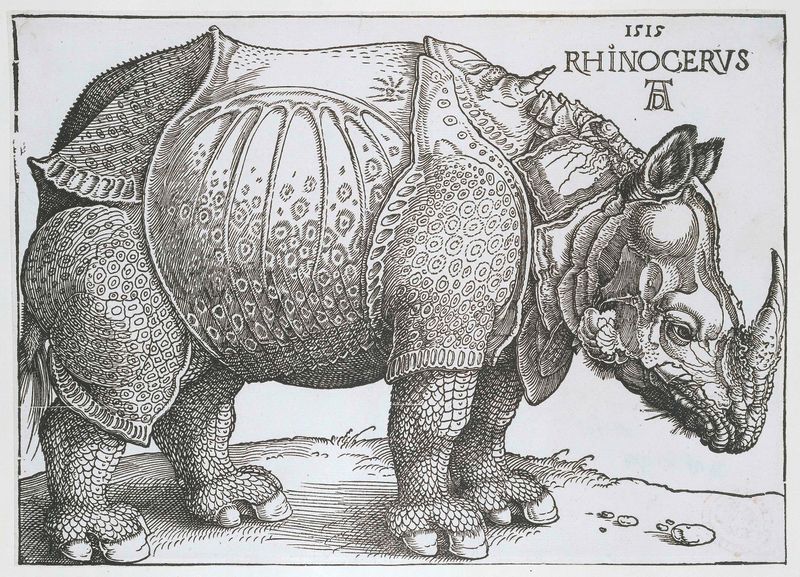
Neushoorn
Albrecht Dürer
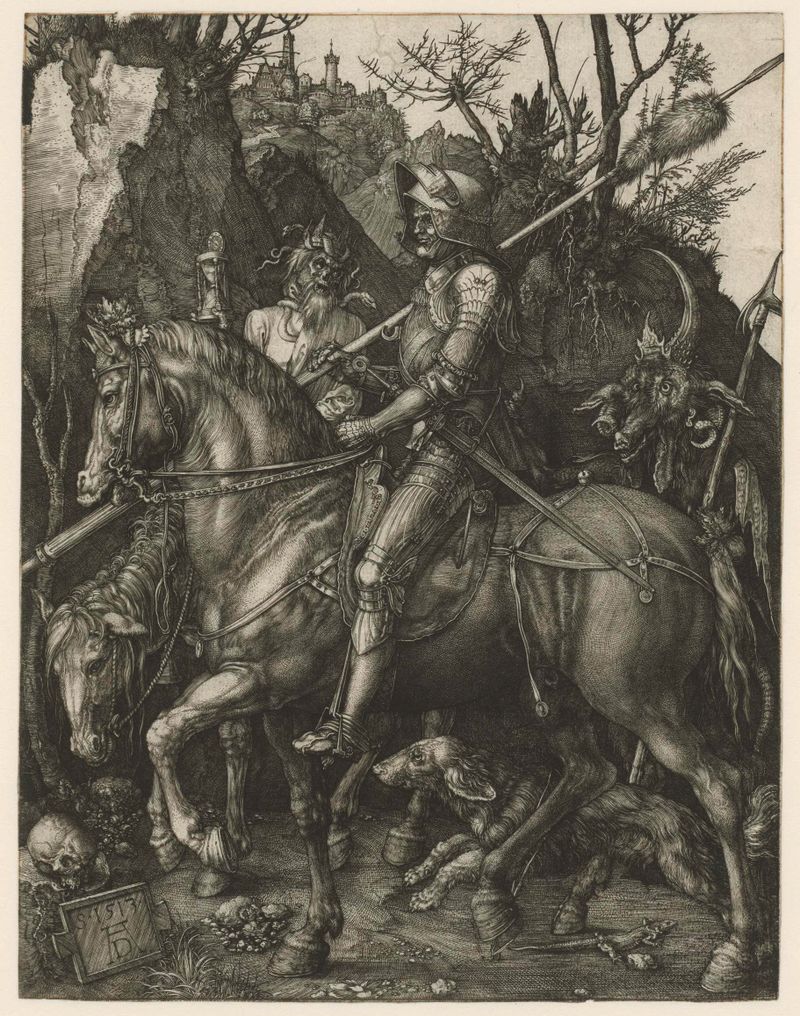
Knight, Death, and the Devil
Albrecht Dürer

De vier ruiters van de apocalyps
Albrecht Dürer

De vier ruiters van de apocalyps
Albrecht Dürer
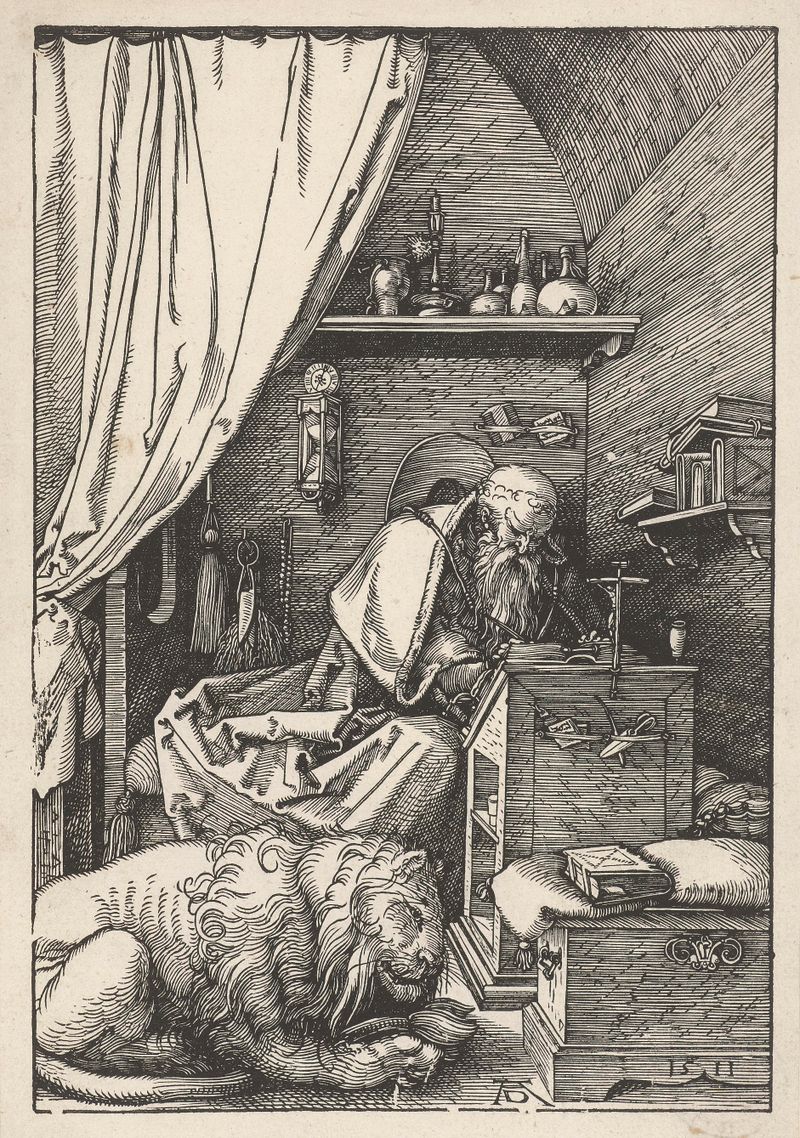
De Heilige Hiëronymus in zijn studeervertrek
Albrecht Dürer
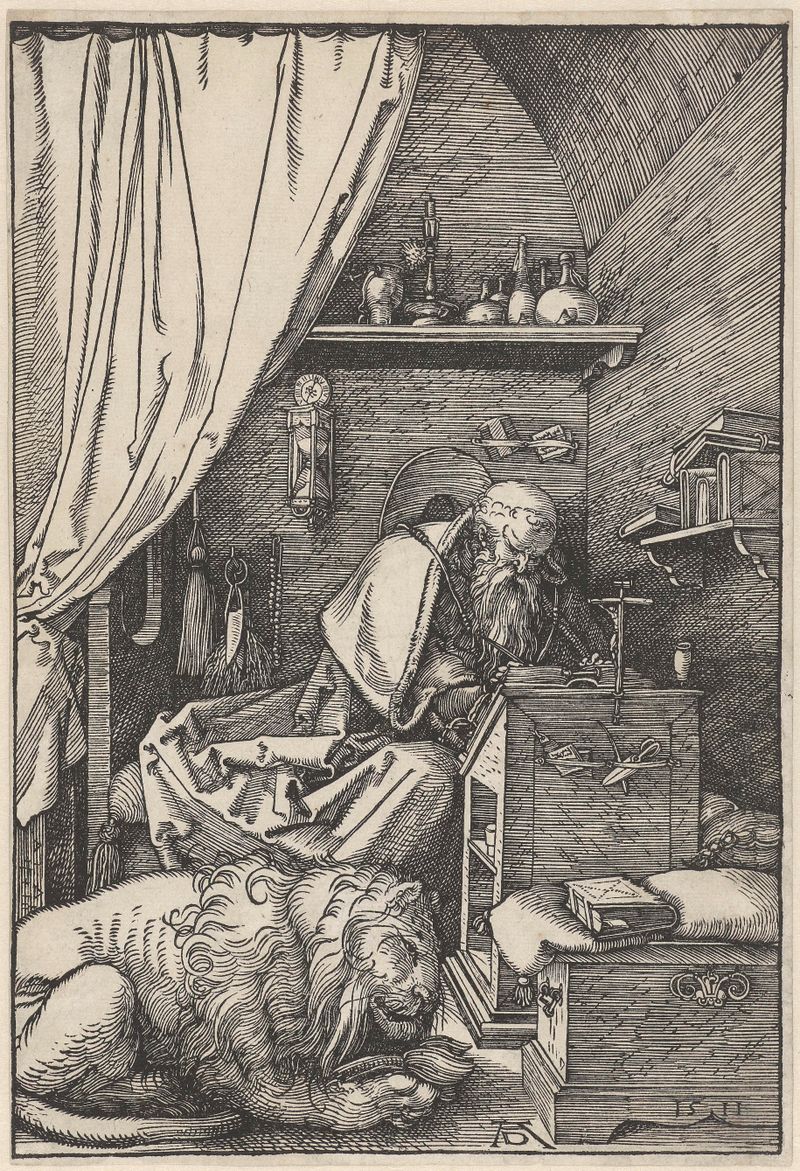
De Heilige Hiëronymus in zijn studeervertrek
Albrecht Dürer
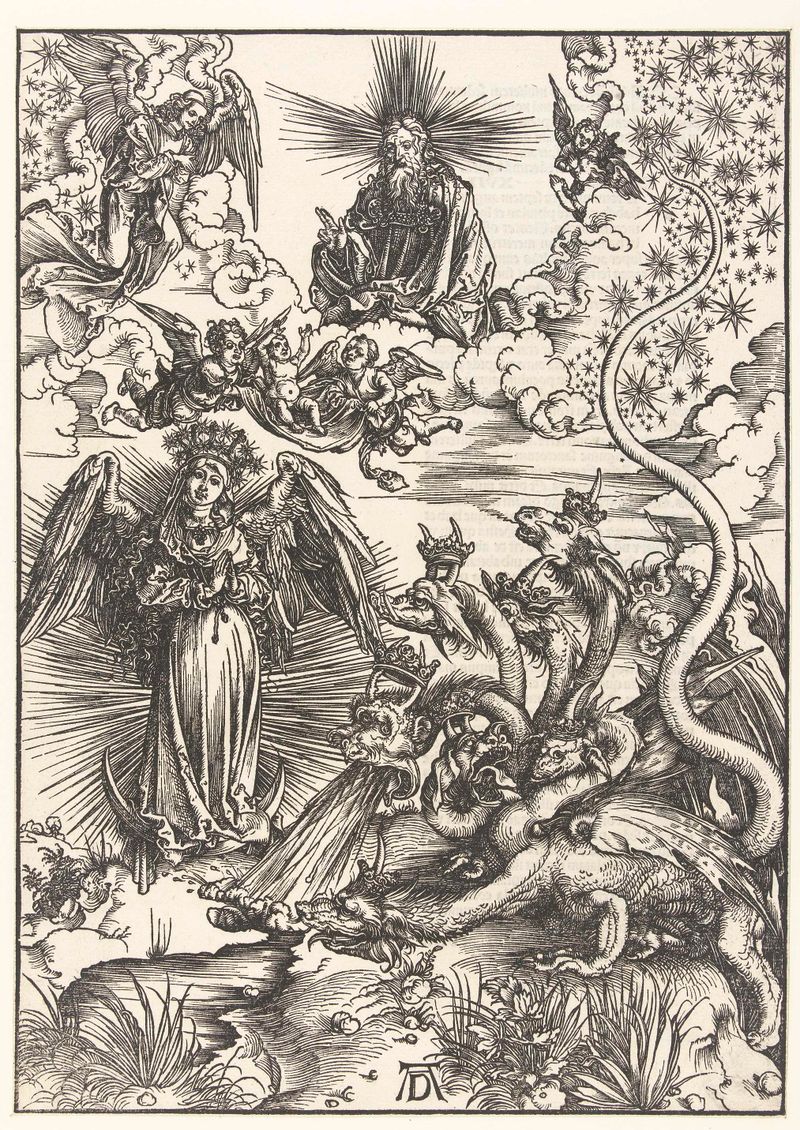
De apocalyptische vrouw en de zevenkoppige draak
Albrecht Dürer
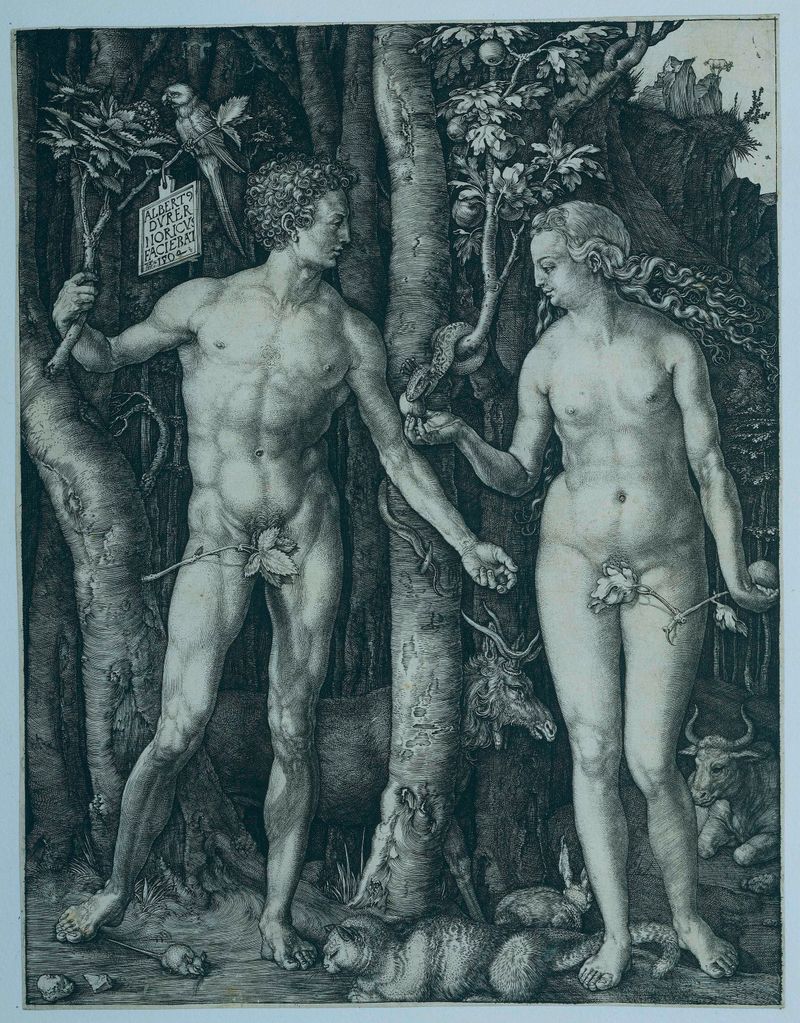
Adam en Eva
Albrecht Dürer
More Religious Art
Browse all →
The Return of the Prodigal Son
Rembrandt van Rijn

The Garden of Earthly Delights
El Bosco

Count Orgaz’ funeral
El Greco

The Hundred Guilder Print: the central piece with Christ preaching, the plate arched
Rembrandt van Rijn

The Descent from the Cross
Rogier van der Weyden

The return of the prodigal son
Rembrandt van Rijn