
De boetvaardige man (koning David?) — History & Facts
When did color learn to lie? In Dürer's world, hues can veil truth as easily as they illuminate it, revealing layers of human emotion and moral complexity. To appreciate this intricate work, look first at the figure of the penitent man, cloaked in a somber, muted palette that resonates with his inner turmoil. Notice how the light strikes his face, casting deep shadows that emphasize his expression of remorse. The delicate interplay of dark and light across his form draws your gaze, creating a stark contrast that feels almost palpable.
The background, painted in softer tones, recedes into ambiguity, suggesting a blend of his reality and the ethereal weight of his guilt. Delve deeper, and you’ll find rich symbolism woven throughout the piece. The man's lowered gaze and clenched hands speak to the gravity of repentance, while the faint suggestion of a crown hints at lost power and dignity. This duality—regality mingling with vulnerability—echoes the broader human experience of pride and fallibility.
The subtle, almost spectral presence of the light calls into question not just the man's path to redemption, but also the veracity of the very perceptions that guide him. Created between 1535 and 1545, this painting emerged during a transformative period for Dürer. Living in Nuremberg, he navigated a world where religious upheaval and artistic innovation were colliding. His commitment to blending realism with symbolic depth established him as a pivotal figure in Northern Renaissance art, pushing beyond mere representation to explore the human psyche and its moral dilemmas.
More Artworks by Albrecht Dürer
Browse all →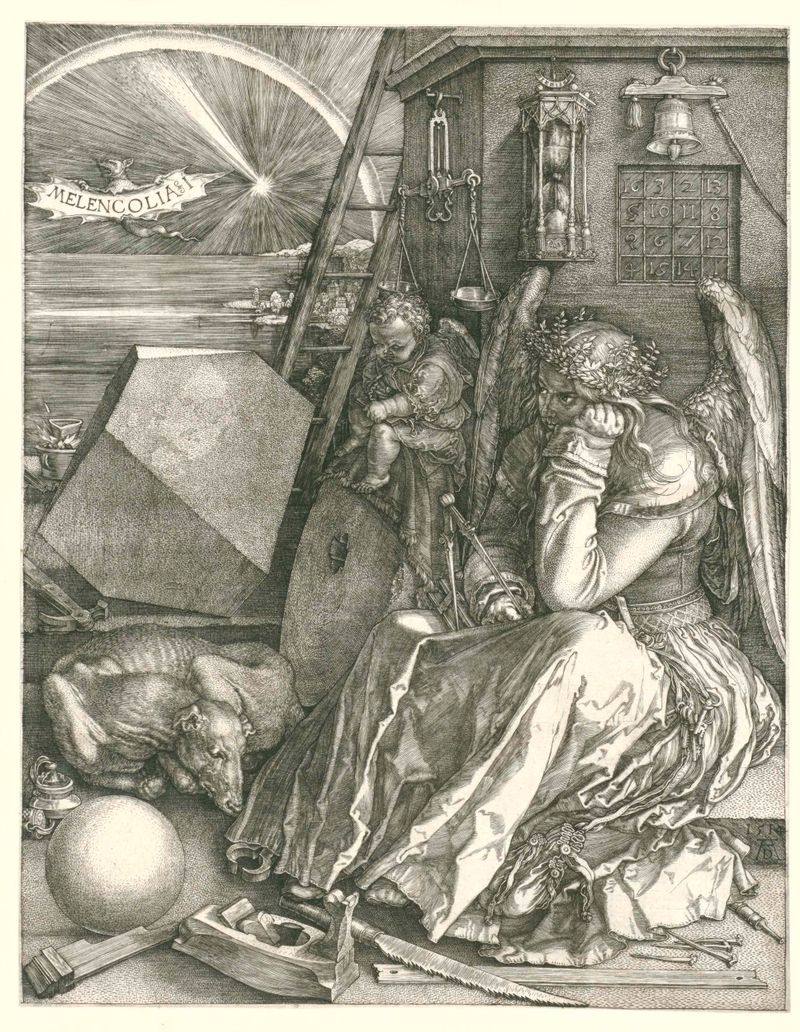
Melancholia
Albrecht Dürer
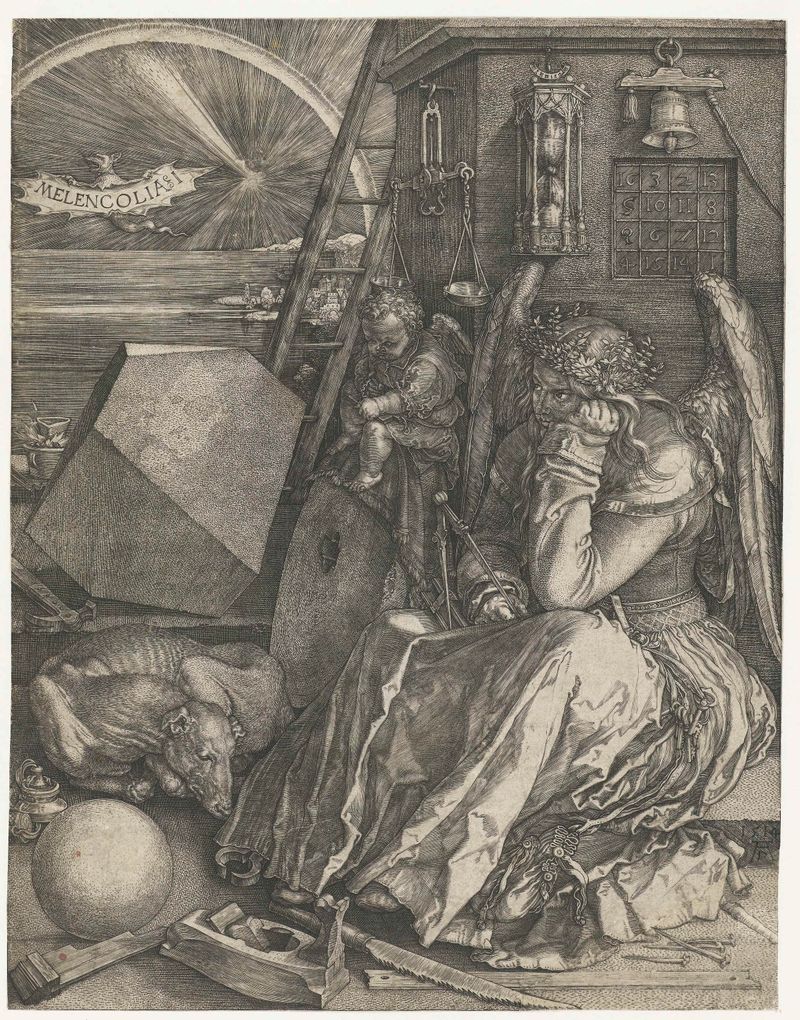
Melancholie
Albrecht Dürer

Neushoorn
Albrecht Dürer
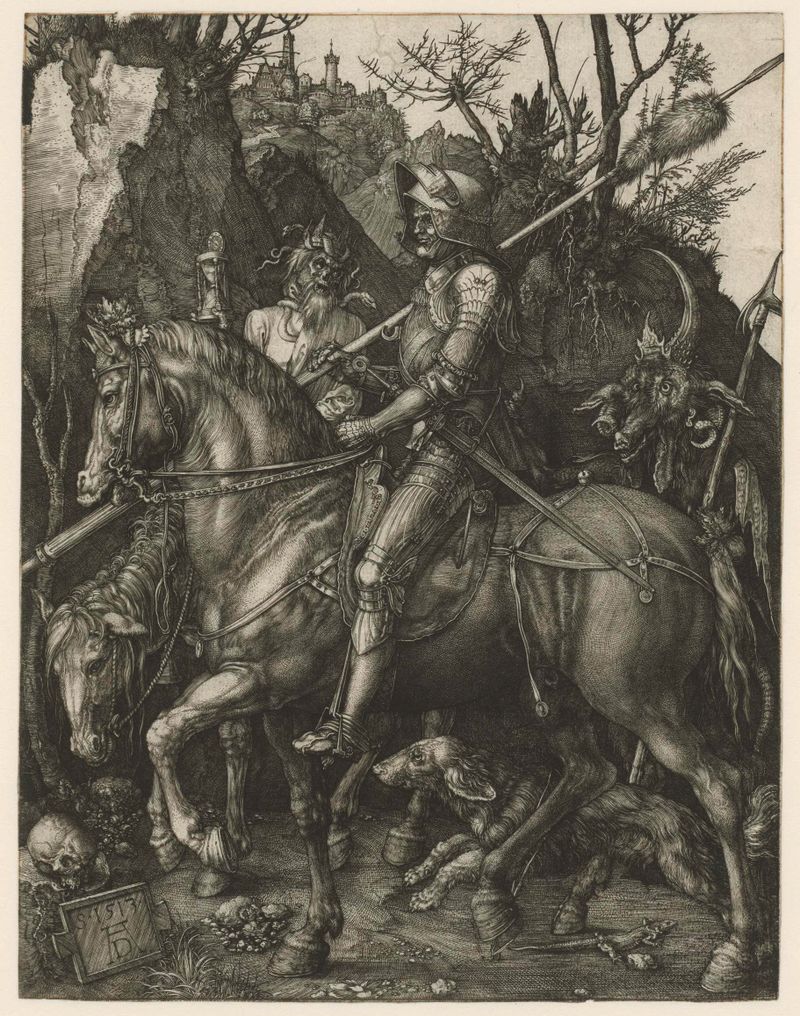
Knight, Death, and the Devil
Albrecht Dürer

De vier ruiters van de apocalyps
Albrecht Dürer

De vier ruiters van de apocalyps
Albrecht Dürer
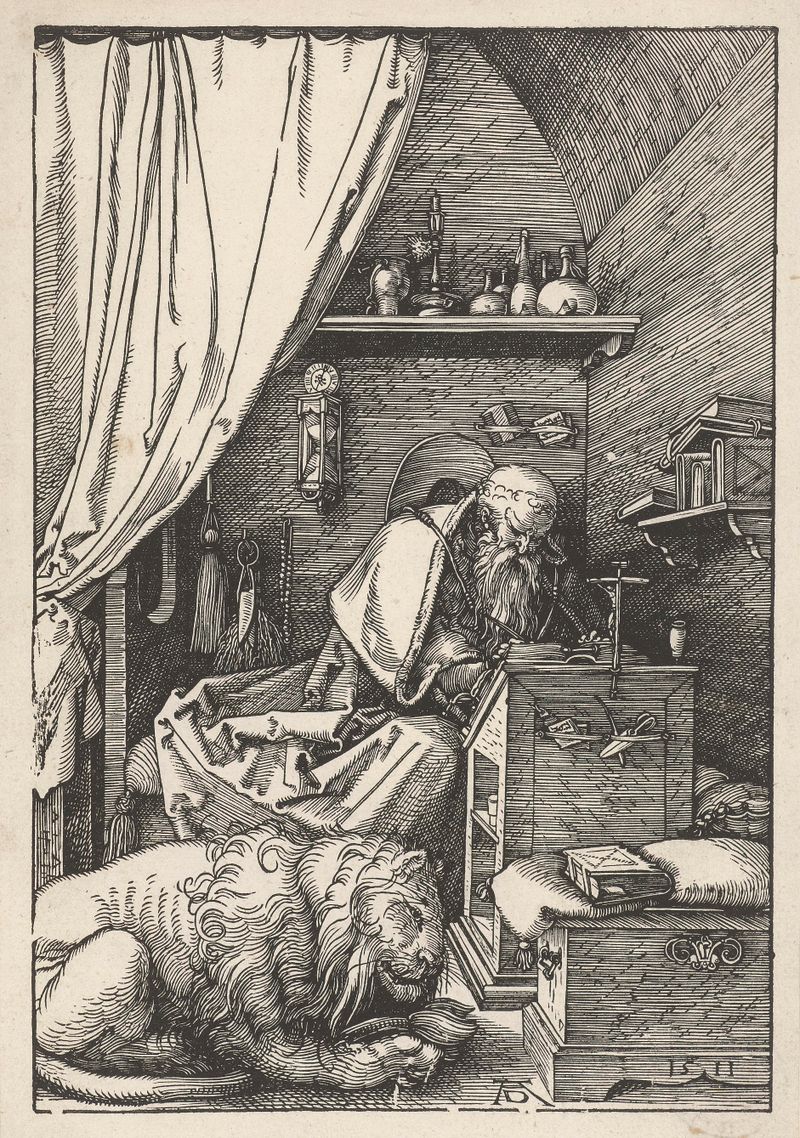
De Heilige Hiëronymus in zijn studeervertrek
Albrecht Dürer
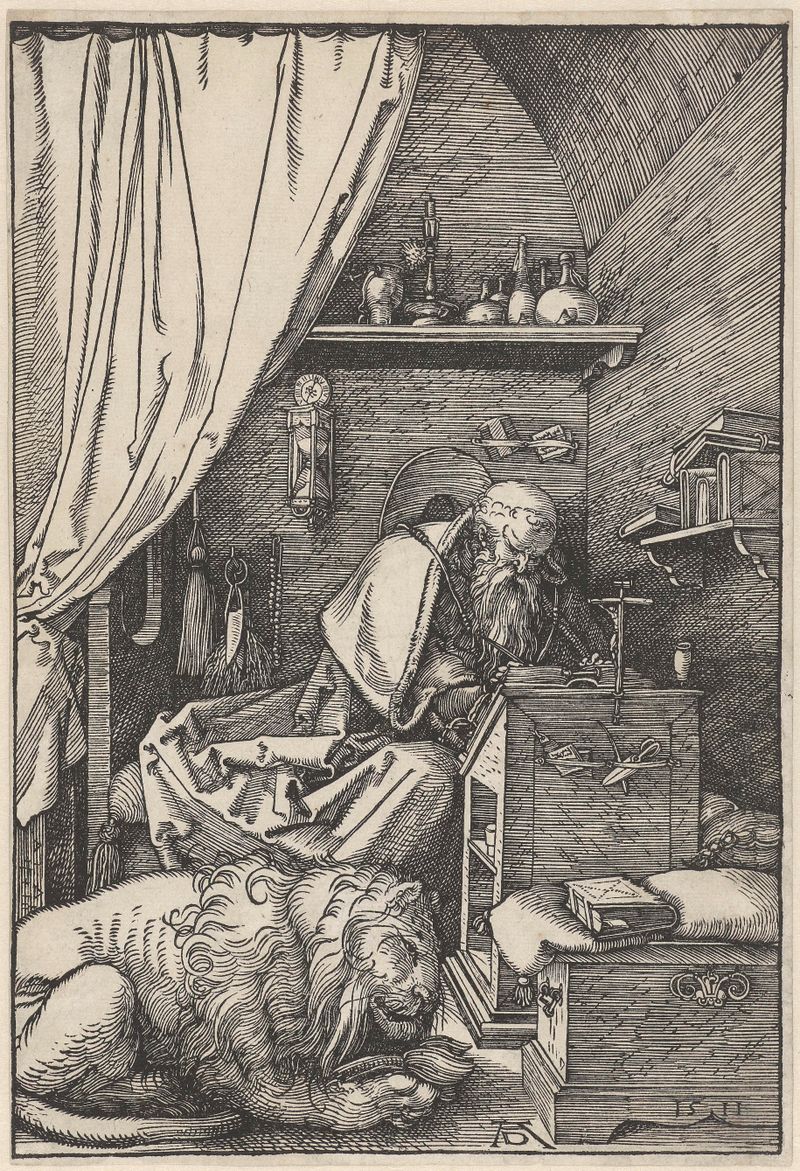
De Heilige Hiëronymus in zijn studeervertrek
Albrecht Dürer
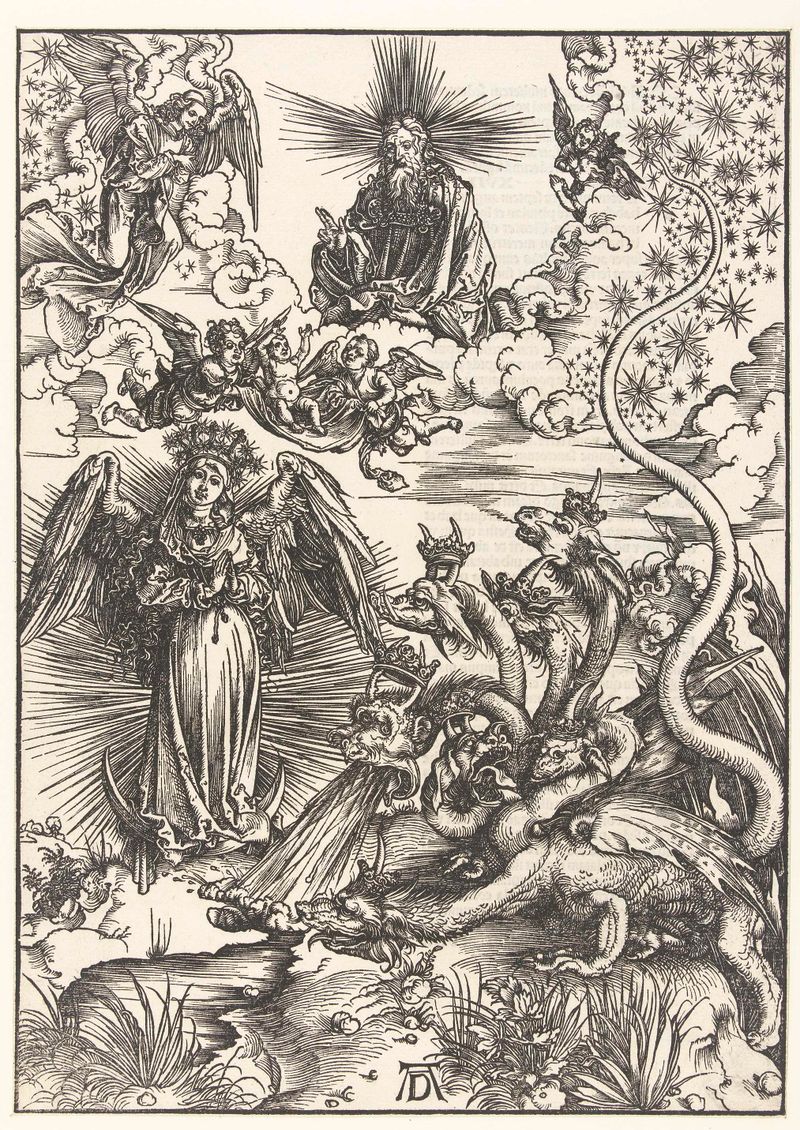
De apocalyptische vrouw en de zevenkoppige draak
Albrecht Dürer
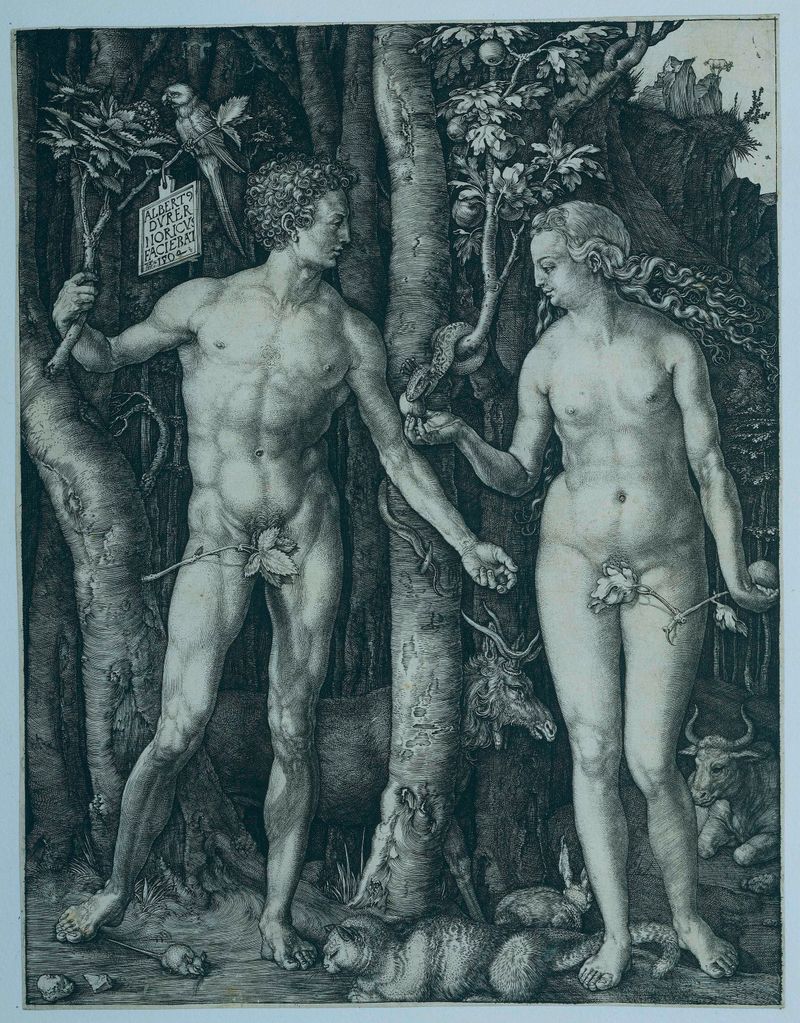
Adam en Eva
Albrecht Dürer
More Religious Art
Browse all →
The Return of the Prodigal Son
Rembrandt van Rijn

The Garden of Earthly Delights
El Bosco

Count Orgaz’ funeral
El Greco

The Hundred Guilder Print: the central piece with Christ preaching, the plate arched
Rembrandt van Rijn

The Descent from the Cross
Rogier van der Weyden

The return of the prodigal son
Rembrandt van Rijn