
De doornenkroning — History & Facts
What if beauty was never meant to be finished? In Albrecht Dürer’s De doornenkroning, we are drawn into a moment suspended in time, where the interplay of light and shadow becomes a dialogue with the divine. Look to the center of the piece, where a radiant halo surrounds Christ, illuminating his serene yet somber expression. Notice how the thorn crown, intricately rendered with delicate precision, casts intricate shadows that play across his brow. The surrounding figures, cloaked in rich colors, seem to draw back in reverence, their movements captured in a moment of awe.
The careful balance of light accentuates the emotional gravity of the scene, evoking both suffering and grace. Beneath this serene surface lies a profound tension between beauty and sacrifice. The thorns, while painful, are a poignant symbol of redemption, juxtaposed against the divine light that blesses the moment. There’s a rich contrast in the expressions of the onlookers—some display sorrow, while others appear in a fervor of devotion.
These small details reveal a complex narrative, where pain and reverence coexist, challenging the viewer to contemplate the essence of faith. Dürer painted De doornenkroning in 1512 during a period of great personal and artistic transformation in Nuremberg. The early 16th century saw the rise of Northern Renaissance humanism, with artists exploring themes of spirituality infused with a keen interest in the natural world. In creating this work, Dürer sought not only to depict a biblical scene but also to engage with the evolving conversations about beauty, humanity, and the divine, leaving an indelible mark on the art of his time.
More Artworks by Albrecht Dürer
Browse all →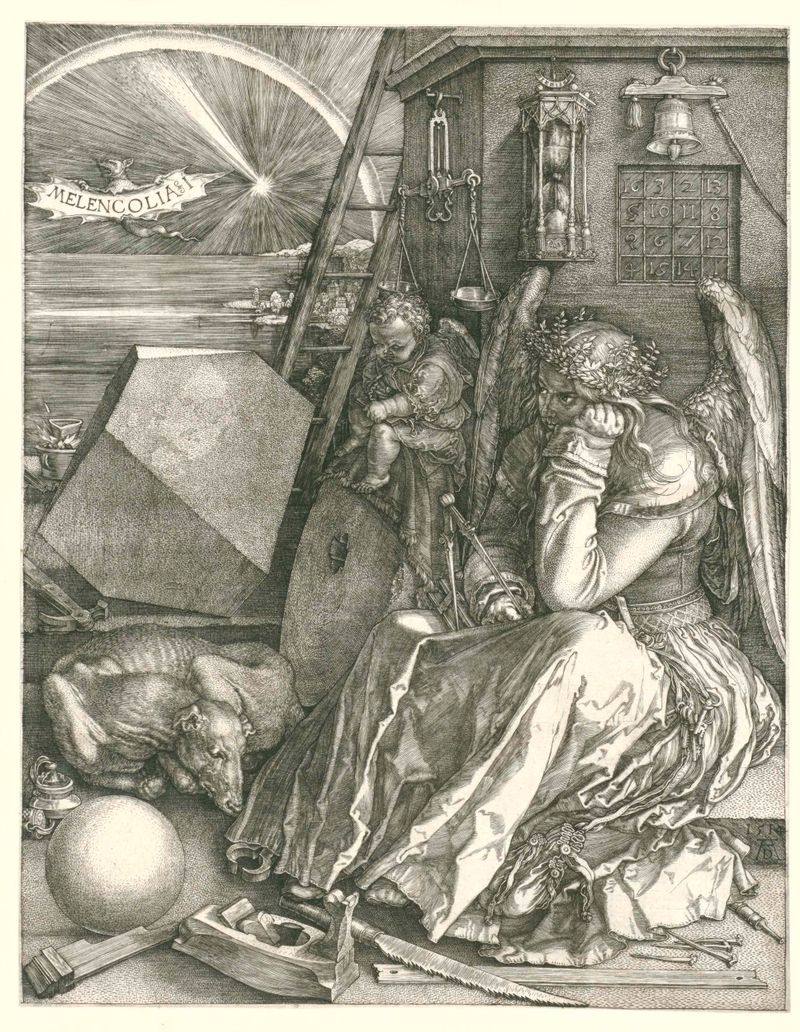
Melancholia
Albrecht Dürer
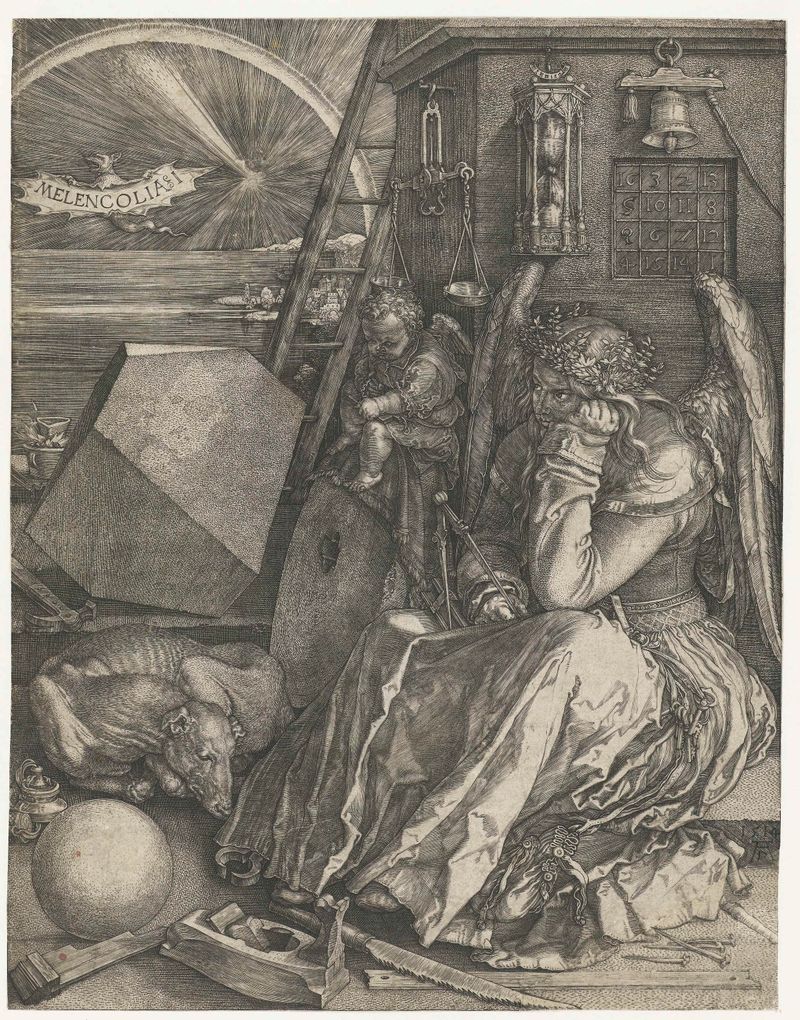
Melancholie
Albrecht Dürer
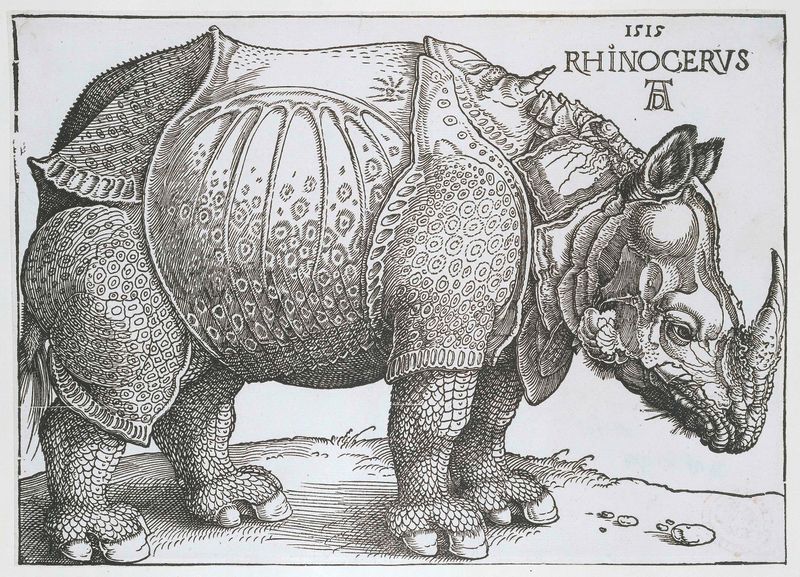
Neushoorn
Albrecht Dürer
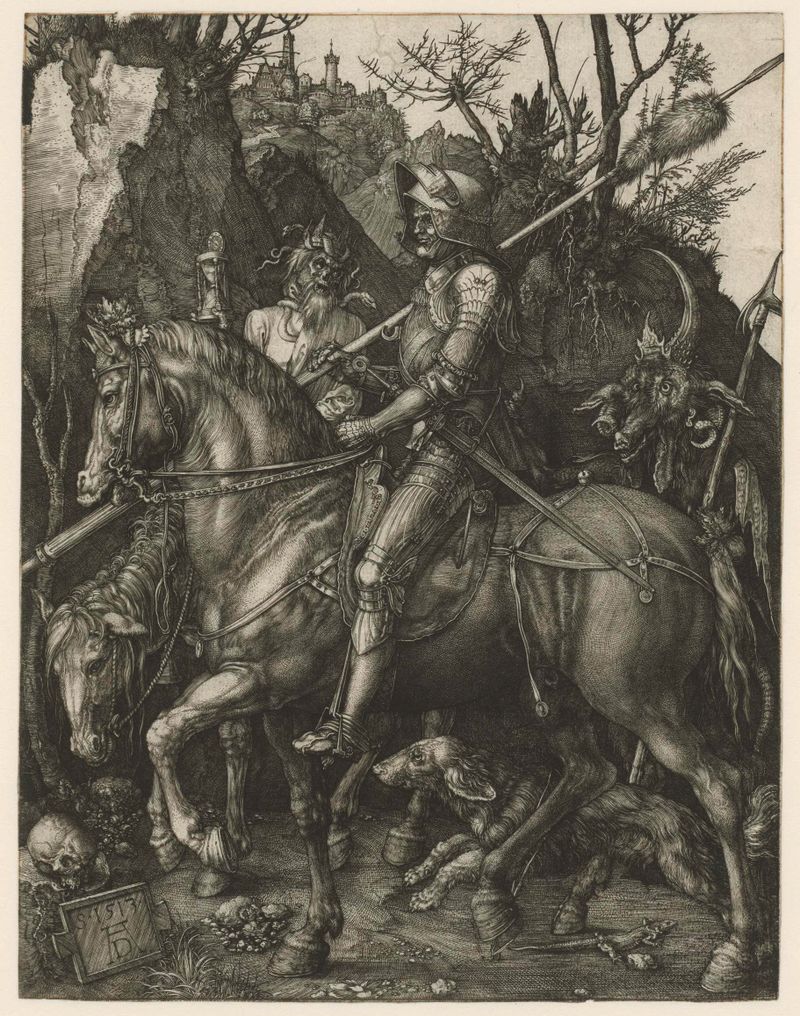
Knight, Death, and the Devil
Albrecht Dürer

De vier ruiters van de apocalyps
Albrecht Dürer

De vier ruiters van de apocalyps
Albrecht Dürer
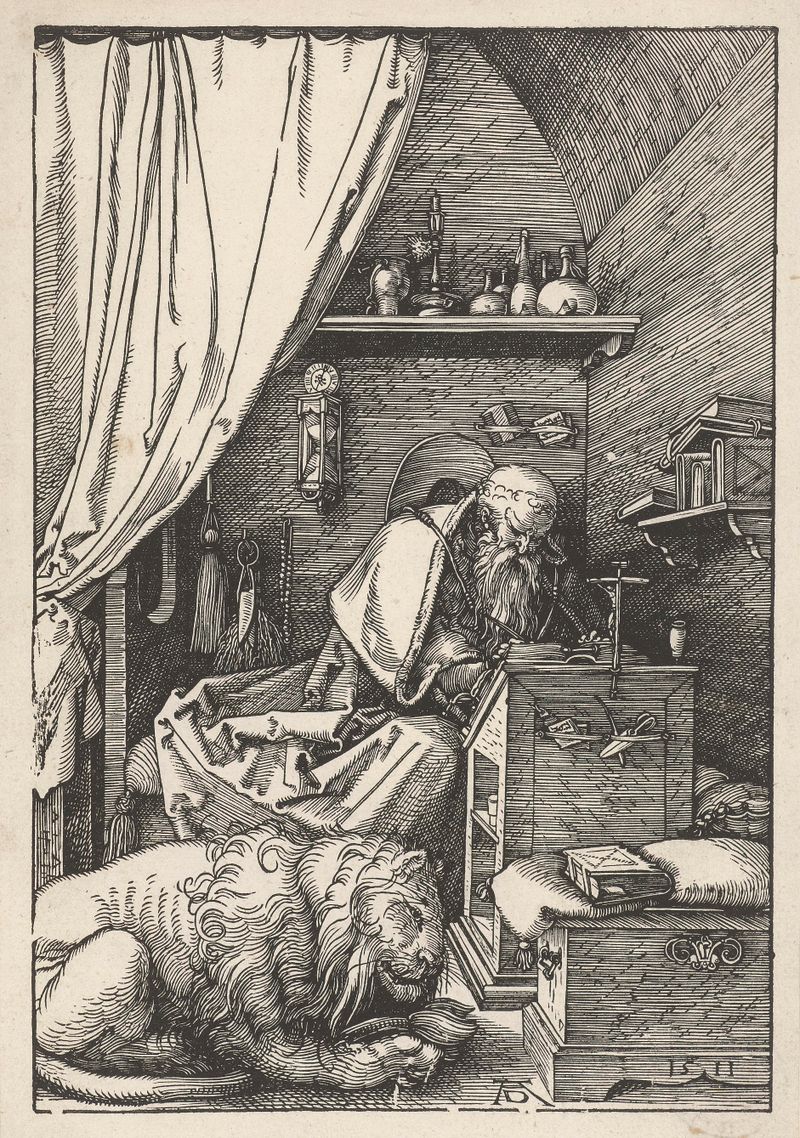
De Heilige Hiëronymus in zijn studeervertrek
Albrecht Dürer
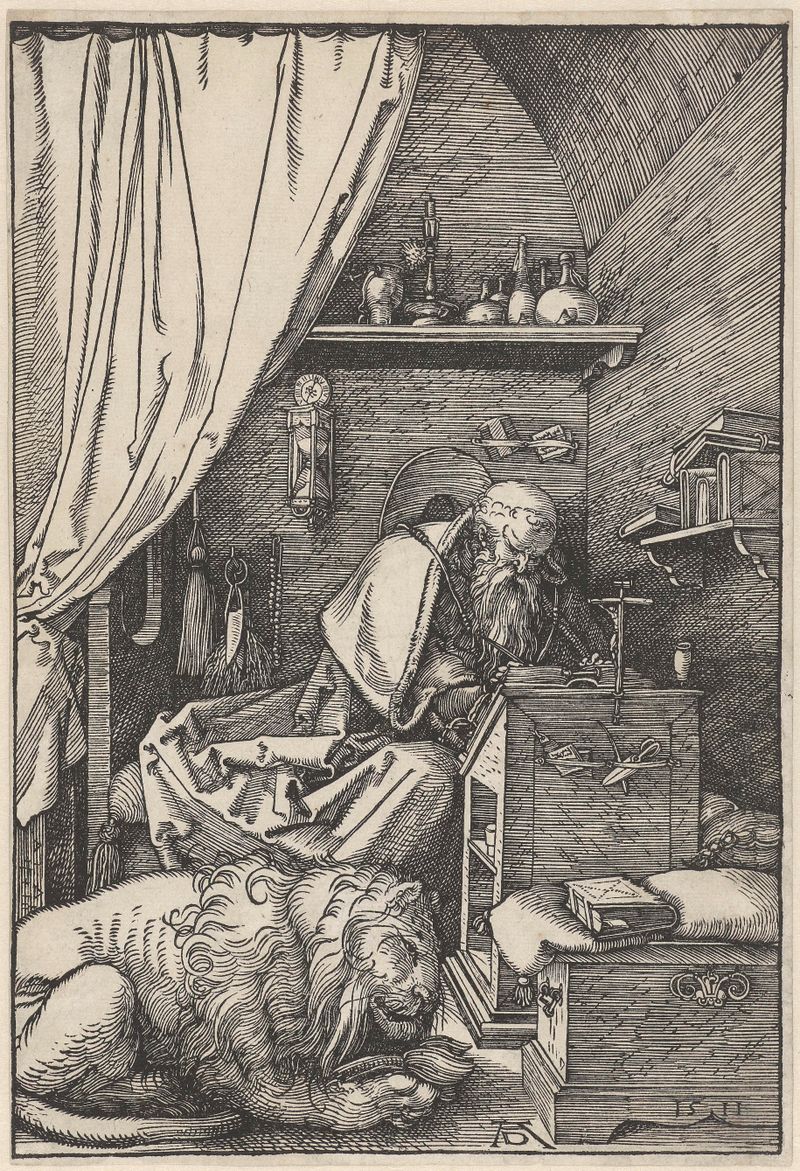
De Heilige Hiëronymus in zijn studeervertrek
Albrecht Dürer
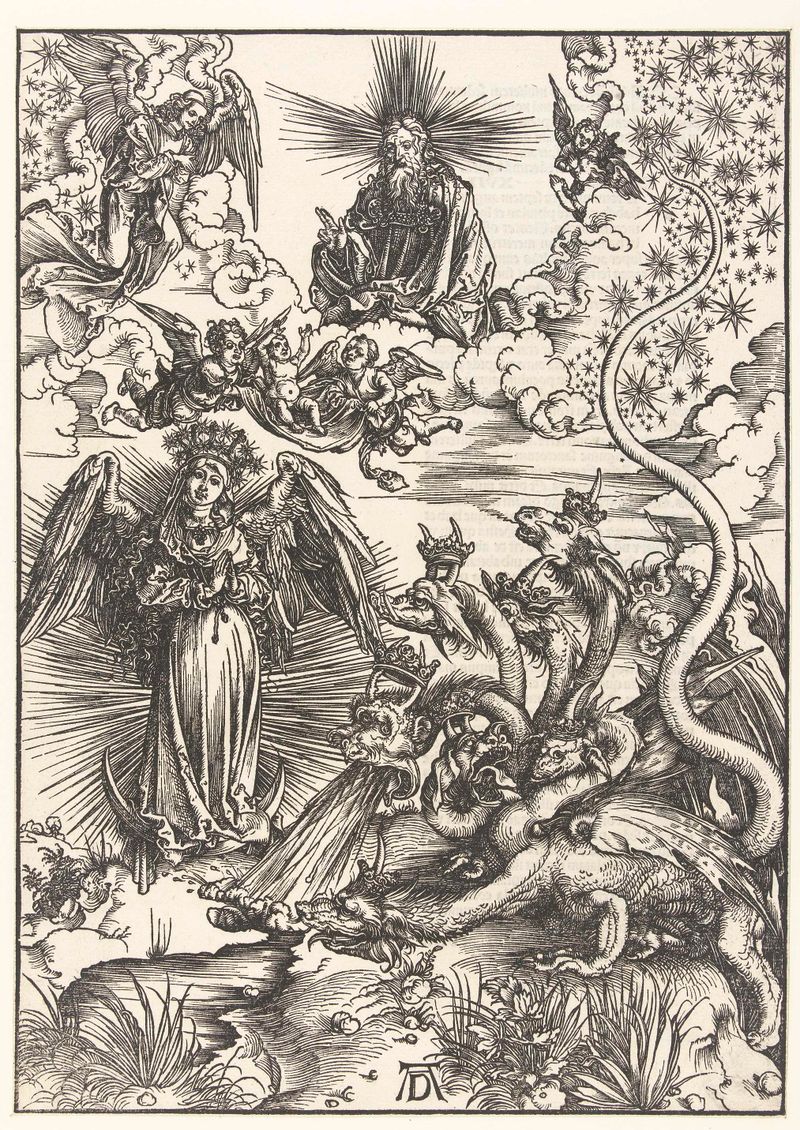
De apocalyptische vrouw en de zevenkoppige draak
Albrecht Dürer
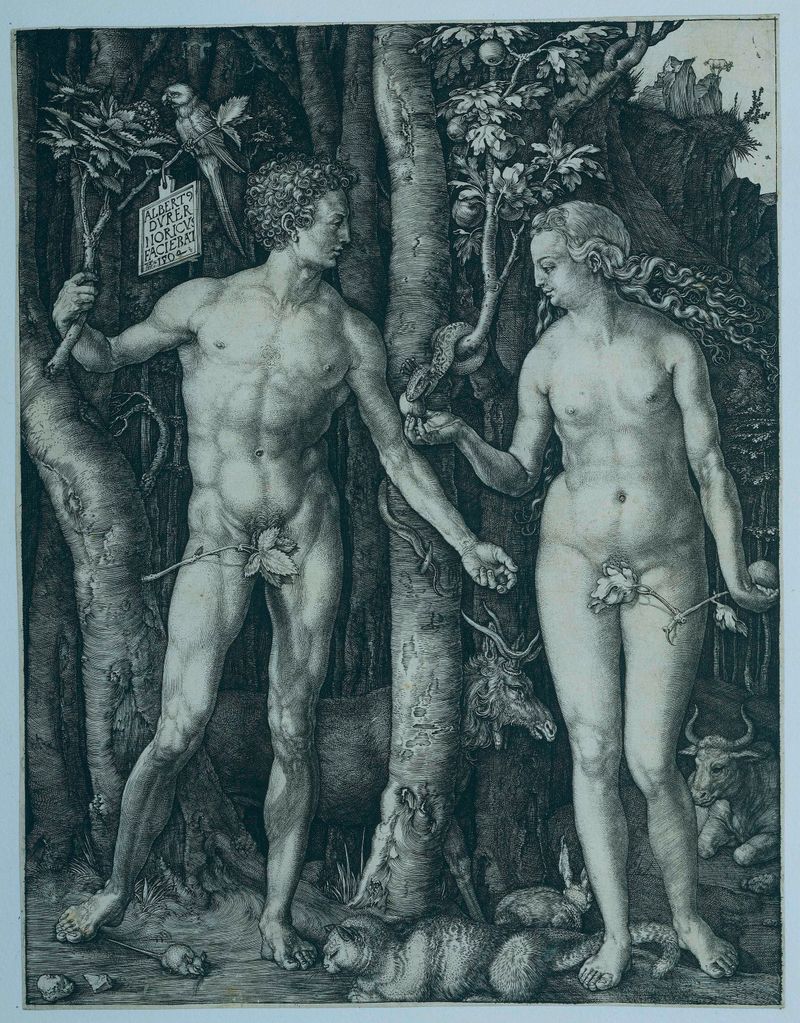
Adam en Eva
Albrecht Dürer
More Religious Art
Browse all →
The Return of the Prodigal Son
Rembrandt van Rijn

The Garden of Earthly Delights
El Bosco

Count Orgaz’ funeral
El Greco

The Hundred Guilder Print: the central piece with Christ preaching, the plate arched
Rembrandt van Rijn

The Descent from the Cross
Rogier van der Weyden

The return of the prodigal son
Rembrandt van Rijn