
De drie Maria's bij de discipelen — History & Facts
In the nuanced interplay of light and shadow, the essence of balance echos through the canvas, inviting a profound contemplation of faith and doubt. Look to the left at the three figures, their expressions a tapestry of emotions woven through delicate strokes. Notice how the soft palette of blues and earthy tones envelops them, suggesting a quiet reverence. The artist's meticulous detail in the drapery reveals the weight of their garments, anchoring them to the scene while the ethereal glow on their faces evokes a sense of divine enlightenment.
The setting, though sparse, is filled with an unspoken dialogue carried by the gestures of the disciples, their eyes drawn to the women with an intensity that transforms the moment into a sacred threshold. Amidst the calm, there is a palpable tension between belief and uncertainty. Each Maria embodies a unique response to the miraculous event, reflecting broader questions of faith—hope clashing with despair and conviction mingling with hesitation. The subtle contrast between the warm light that bathes the women and the cooler shadows that linger around the disciples creates a poignant reminder of the duality inherent in human experience, urging viewers to navigate their own crossroads between faith and doubt. Created in 1503, this piece emerged from the hand of a skilled artist known for their intricate depictions of biblical narratives.
Working in Delft during a period of rich artistic innovation, the painter was surrounded by the early developments of Northern Renaissance art, where attention to detail and emotional depth began to flourish. This work stands as a testament to both the artist’s mastery and the evolving discourse on spirituality in a changing world.
More Artworks by Master of Delft
Browse all →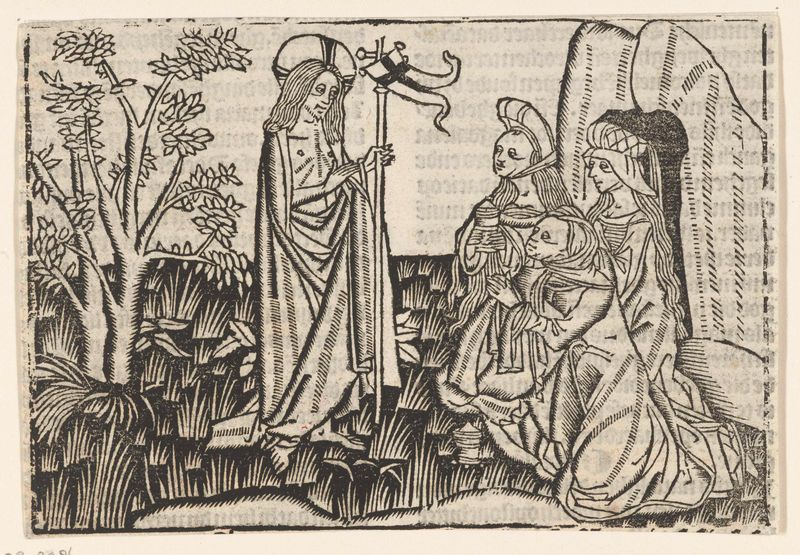
Christus verschijnt aan de drie Maria's
Master of Delft
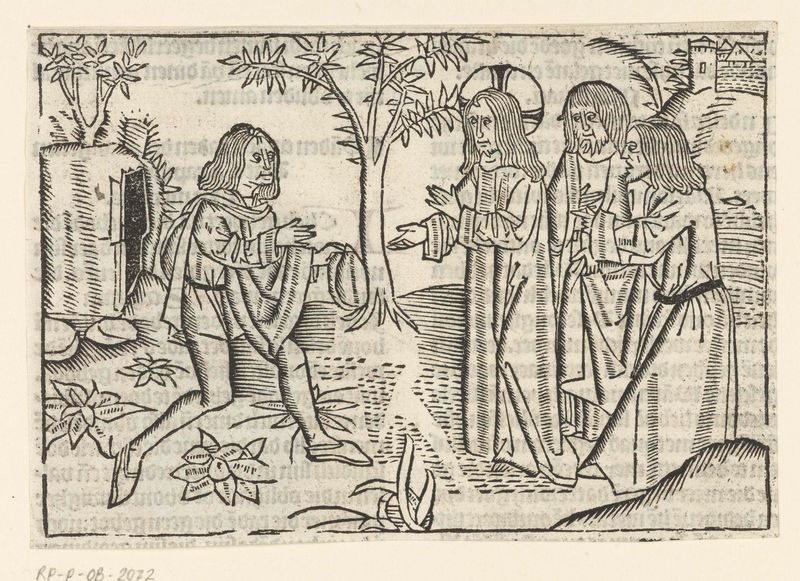
Christus en de rijke jongeling
Master of Delft
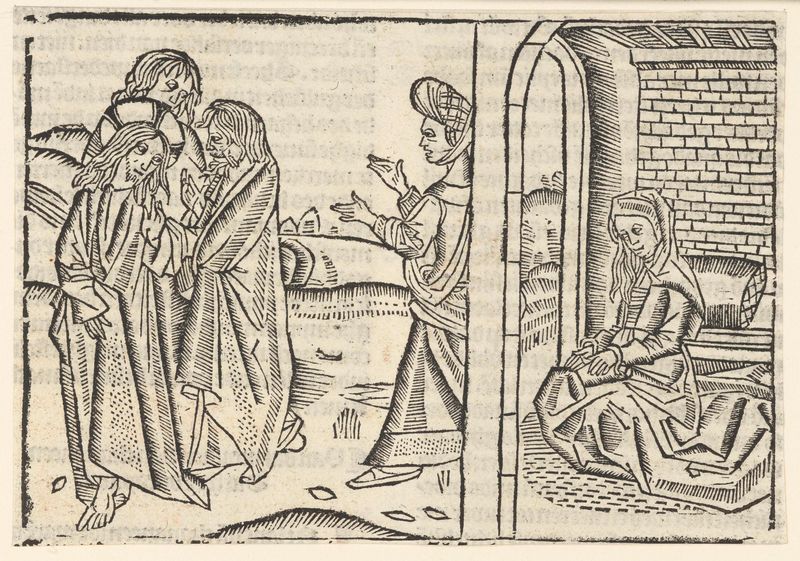
Christus en de Kanaänitische vrouw
Master of Delft
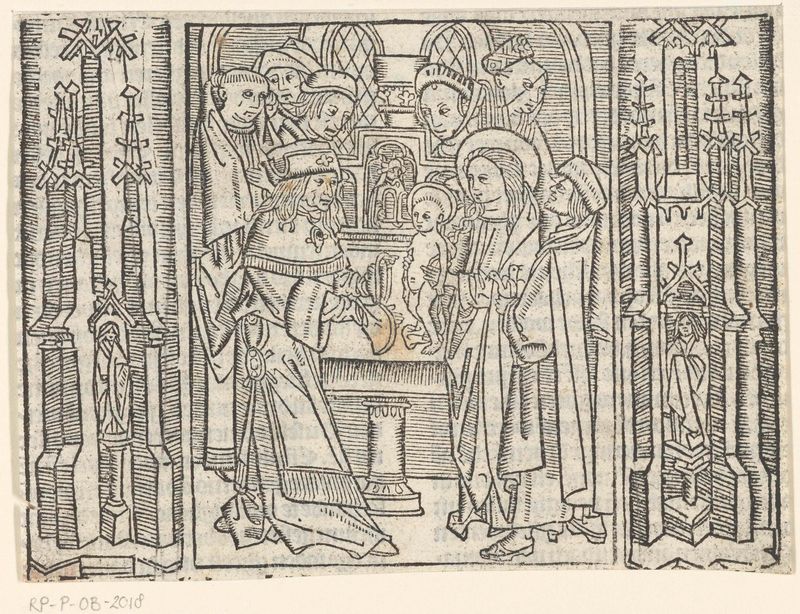
Presentatie van Christus in de tempel
Master of Delft
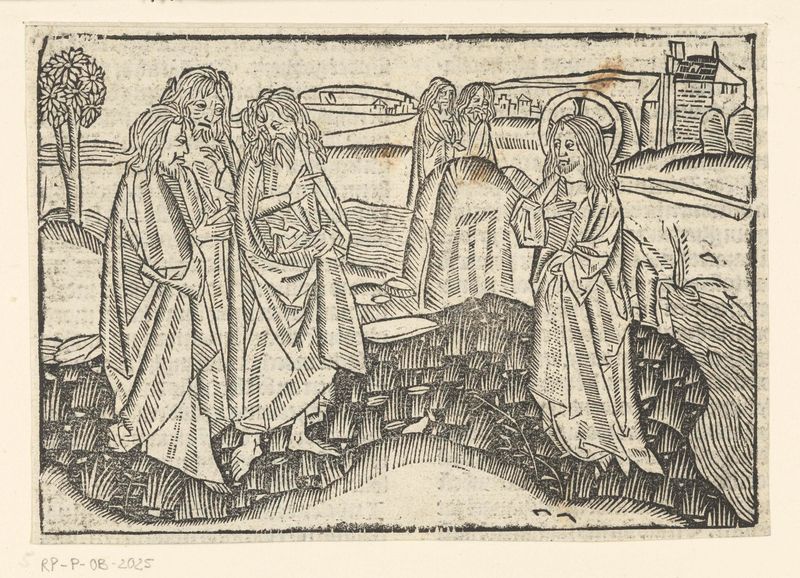
Christus kiest zijn eerste discipelen
Master of Delft
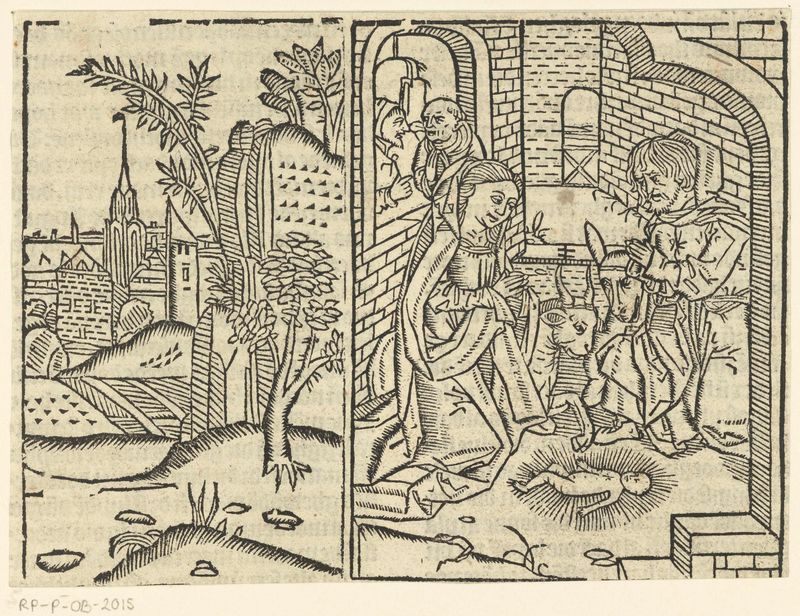
Geboorte van Christus
Master of Delft
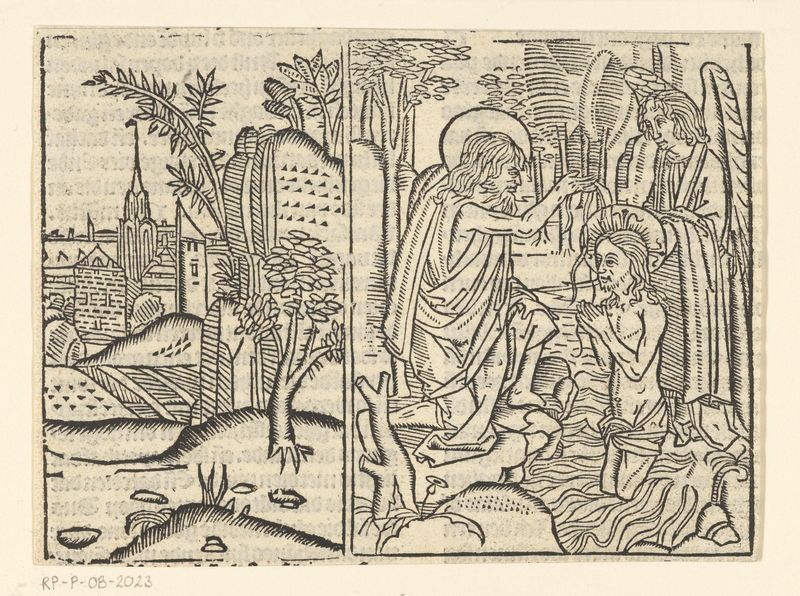
De doop van Christus in de Jordaan
Master of Delft
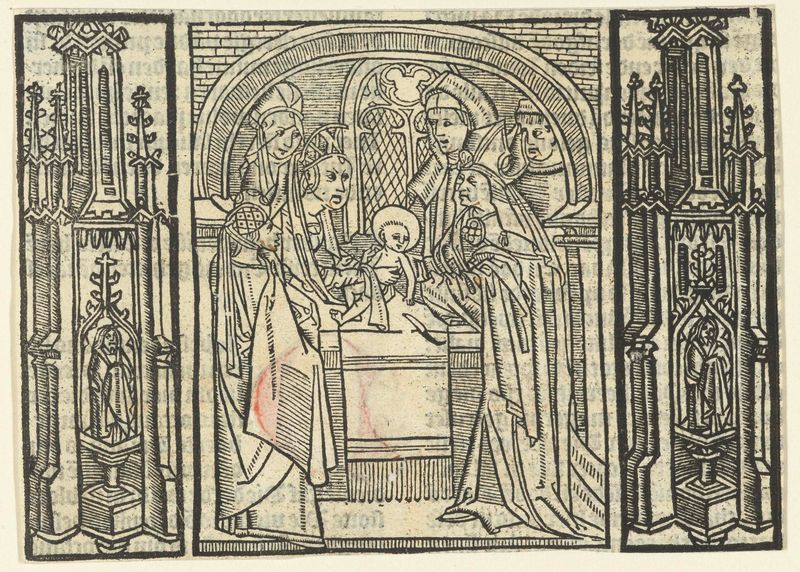
Besnijdenis van Christus
Master of Delft
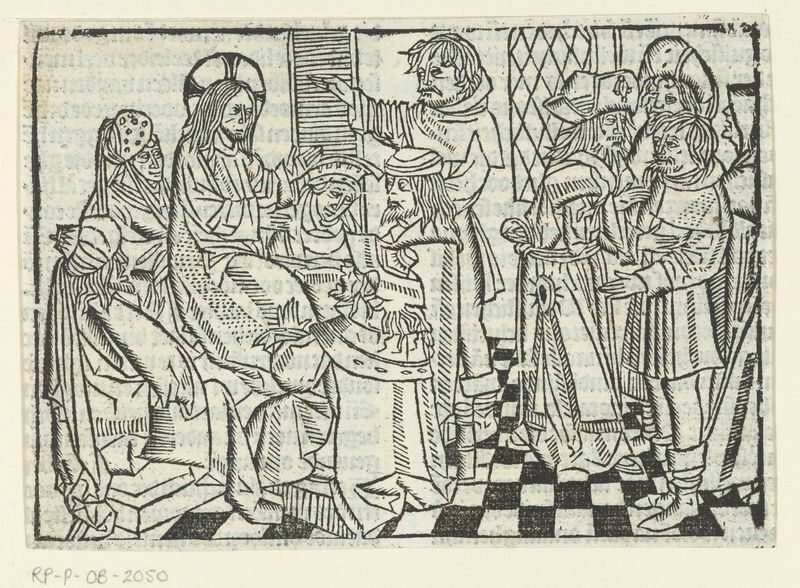
Christus geneest de man met een verdorde hand
Master of Delft
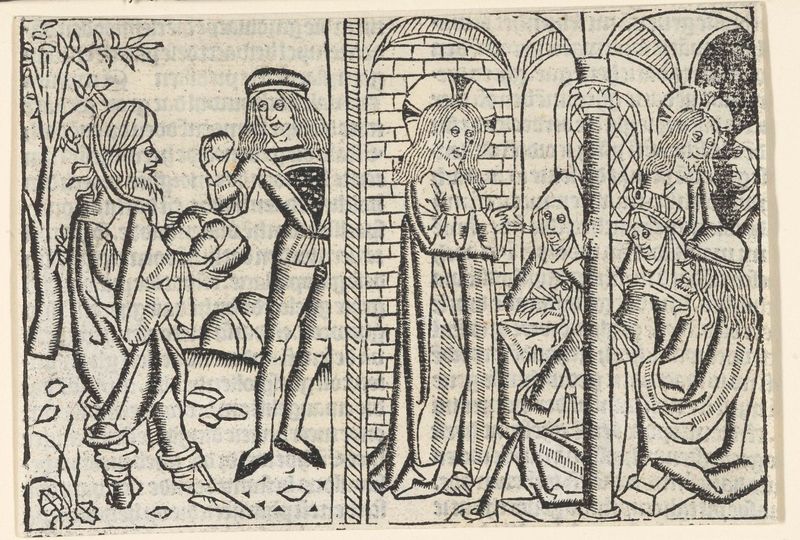
De Farizeeërs willen Christus stenigen
Master of Delft
More Religious Art
Browse all →
The Return of the Prodigal Son
Rembrandt van Rijn

The Garden of Earthly Delights
El Bosco

Count Orgaz’ funeral
El Greco

The Hundred Guilder Print: the central piece with Christ preaching, the plate arched
Rembrandt van Rijn

The Descent from the Cross
Rogier van der Weyden

The return of the prodigal son
Rembrandt van Rijn