
De Eilands Kerk te Amsterdam — History & Facts
Can paint confess what words never could? In De Eilands Kerk te Amsterdam, a profound serenity envelops the viewer, inviting introspection and quiet contemplation. Look to the left at the delicate archways of the church, each curve gracefully leading the eye toward the softly illuminated stained glass. Notice how the warm hues of gold and amber dance through the windows, casting a radiant glow that bathes the interior in a sacred light. The artist employs a meticulous attention to detail, with soft brushstrokes that create an ethereal quality, drawing you into the tranquil space where time seems to stand still. Beneath this serene surface, the artwork holds layers of meaning.
The harmony of architectural lines juxtaposed with the organic shapes of the surrounding trees emphasizes the balance between nature and human creation. In this relationship, there is a subtle tension: the church stands as a silent witness to the ebb and flow of life around it, a sanctuary amid the chaos of the world. The play of light and shadow further evokes feelings of peace, inviting a deep connection with the divine and the self. Wenckebach painted this work in the mid-20th century while living in Amsterdam, a time when the city was recovering from the scars of World War II.
His focus on serene landscapes and tranquil scenes reflects a larger movement in art that sought to restore a sense of beauty and hope in a changed world. In this context, the painting stands as a testament to resilience and the enduring power of faith and community.
More Artworks by Willem Wenckebach
Browse all →
Bakkersgang te Amsterdam
Willem Wenckebach

Oude huizen aan het Markenplein te Amsterdam
Willem Wenckebach

Oude huizen aan het Waterlooplein te Amsterdam
Willem Wenckebach
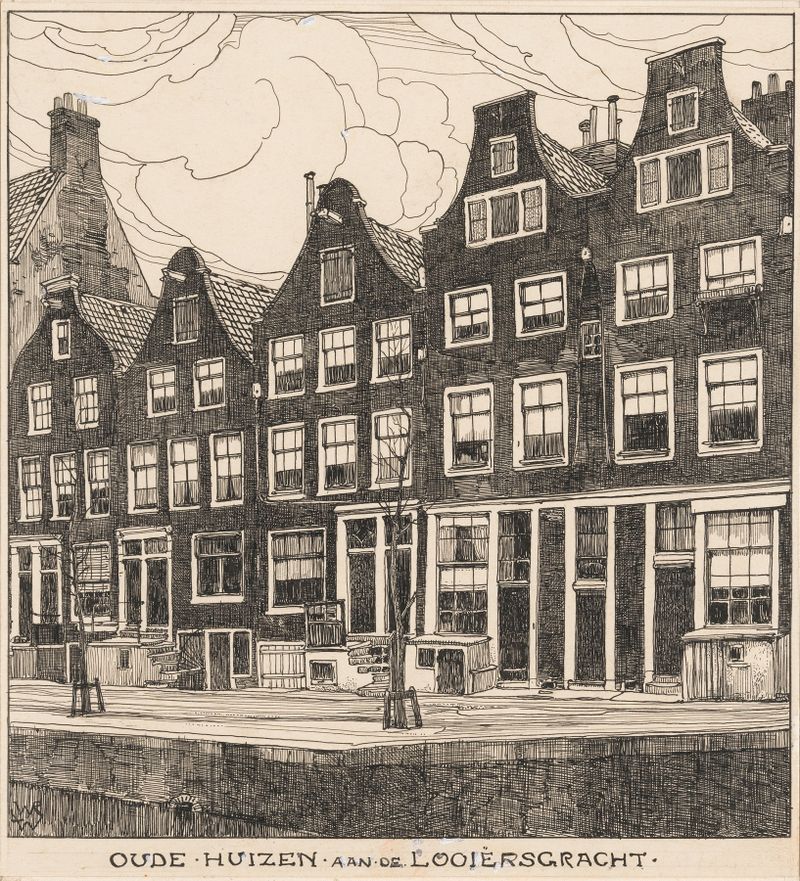
Oude huizen aan de Looiersgracht te Amsterdam
Willem Wenckebach
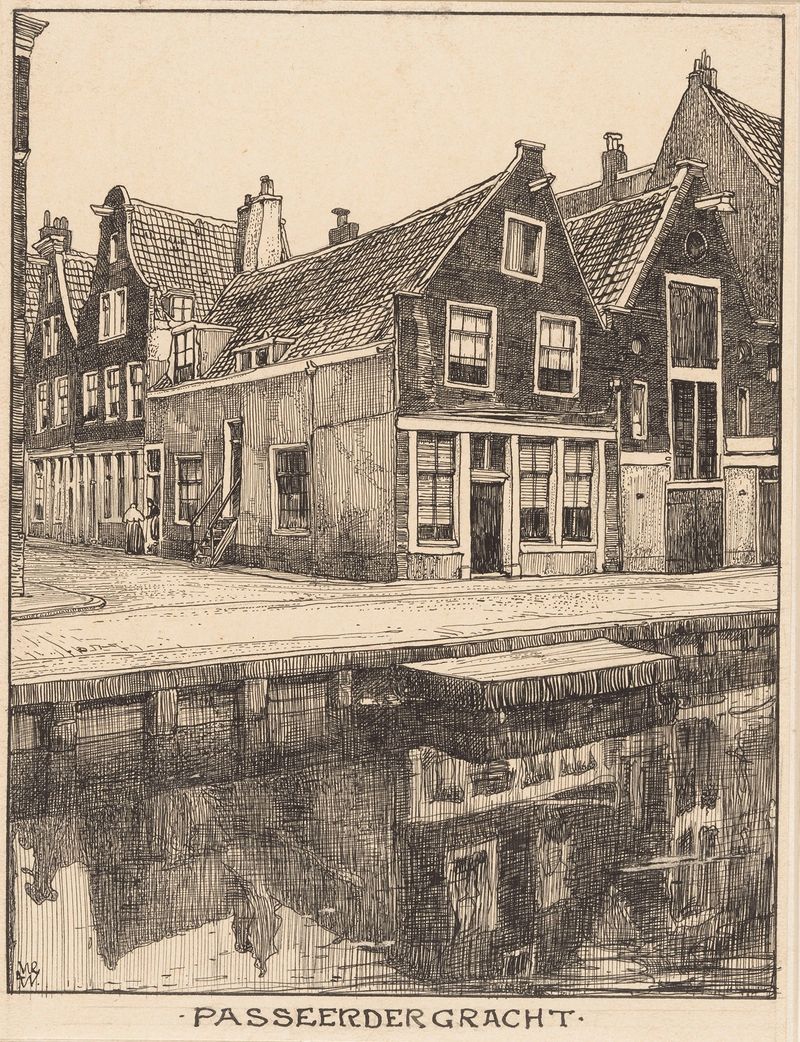
Passeerder Gracht te Amsterdam
Willem Wenckebach
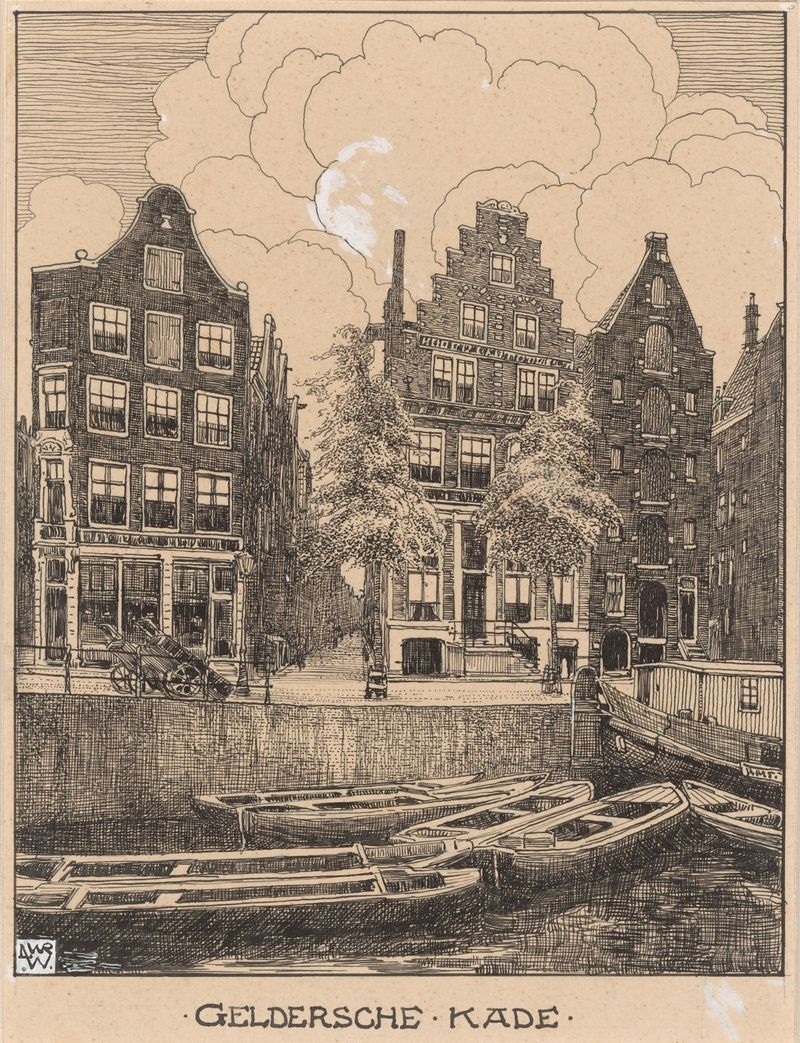
De Gelderse Kade te Amsterdam
Willem Wenckebach
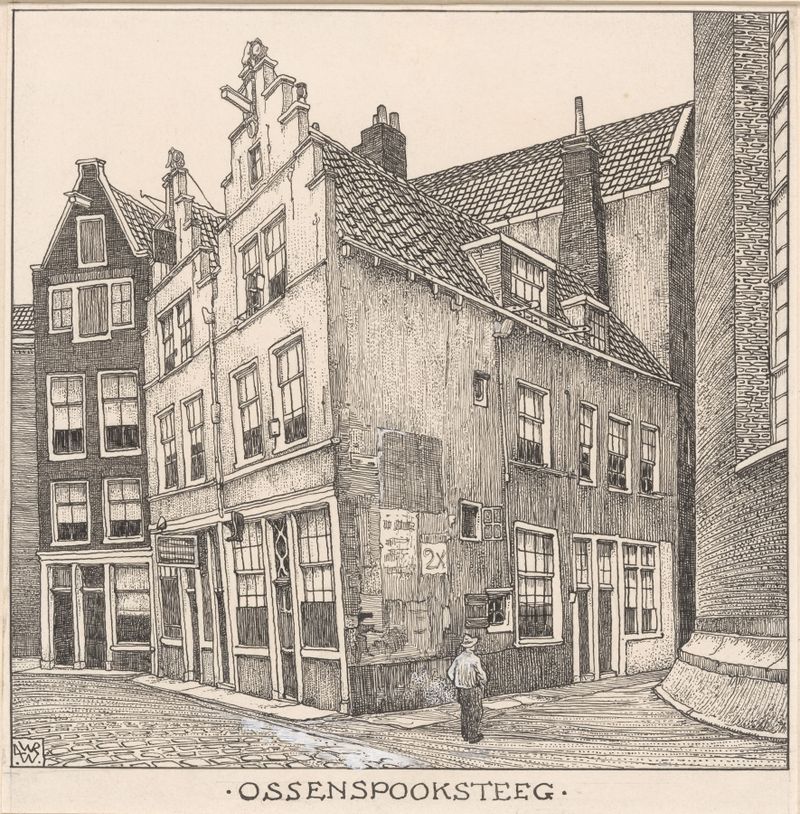
De Ossenspooksteeg te Amsterdam
Willem Wenckebach

Het Beurspleintje te Amsterdam
Willem Wenckebach
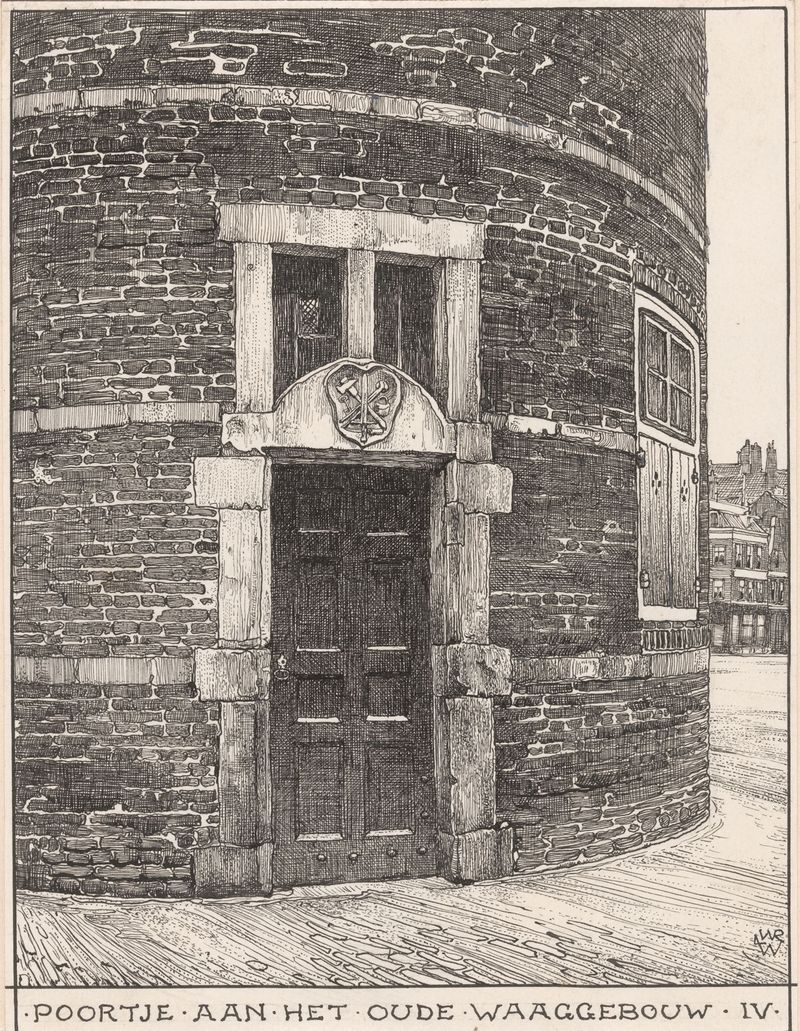
Poortje aan het oude Waaggebouw te Amsterdam
Willem Wenckebach

Torensluis te Amsterdam
Willem Wenckebach





