
De extase van Maria Magdalena — History & Facts
Could a single brushstroke hold eternity? In Albrecht Dürer’s work, De extase van Maria Magdalena, the deft strokes evoke a moment suspended in time, inviting contemplation of the divine and the human experience intertwined. Look to the left, where Mary Magdalene’s serene expression radiates a profound sense of introspection. Notice how her flowing hair cascades like golden sunlight, framed against the deep, soft shadows that envelop her figure. The palette combines earthy tones with ethereal highlights, creating a contrast that draws the eye to her contemplative gaze.
The careful use of light enhances the delicate textures of her skin, suggesting vulnerability and strength, a duality that Dürer masterfully captures. In this portrayal, Mary embodies both devotion and despair, her clasped hands hinting at a heart in tumult. The subtle tension between her serene expression and the tumultuous background, filled with hints of nature, evokes a sense of longing. Each detail—the petals around her, the play of light and shadow—serves as a reminder of the human struggle for transcendence and connection to the divine, revealing deeper emotional currents beneath the surface. Created between 1504 and 1505, Dürer painted this work during a time of personal and artistic transition.
Living in Nuremberg, he was deeply influenced by the Renaissance's humanist ideals, as well as his own explorations of spirituality and emotion. This period marked a pivotal moment in his career, as he sought to blend meticulous technique with profound themes, solidifying his position as a master of Northern Renaissance art.
More Artworks by Albrecht Dürer
Browse all →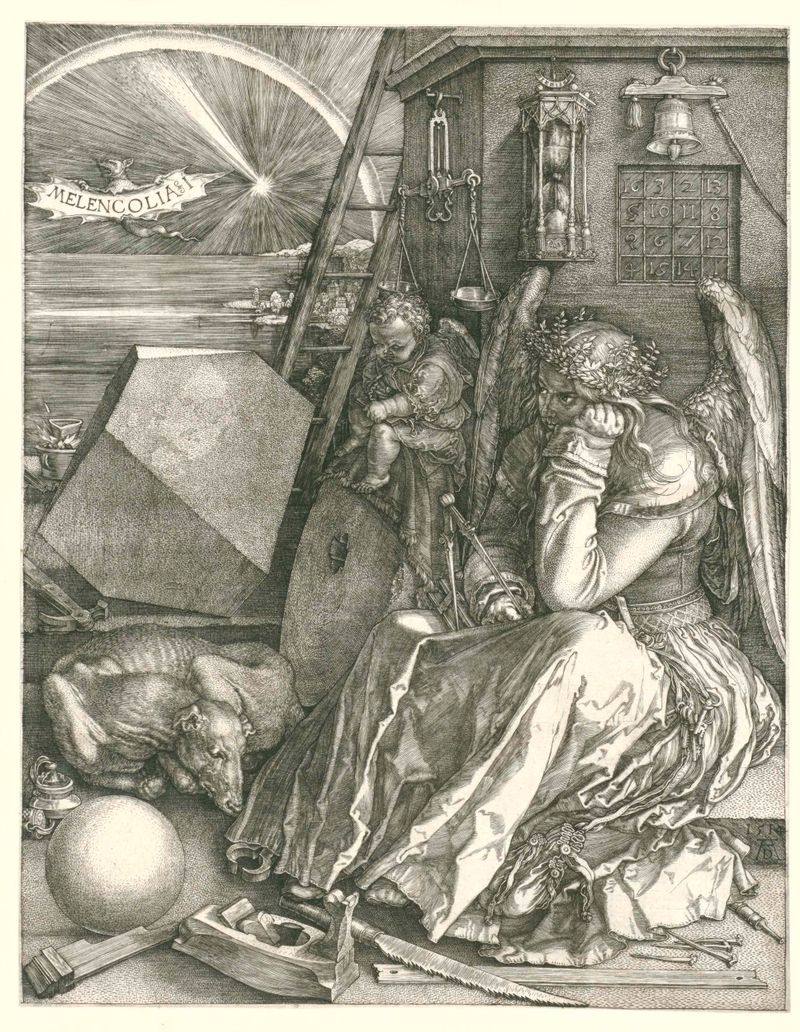
Melancholia
Albrecht Dürer
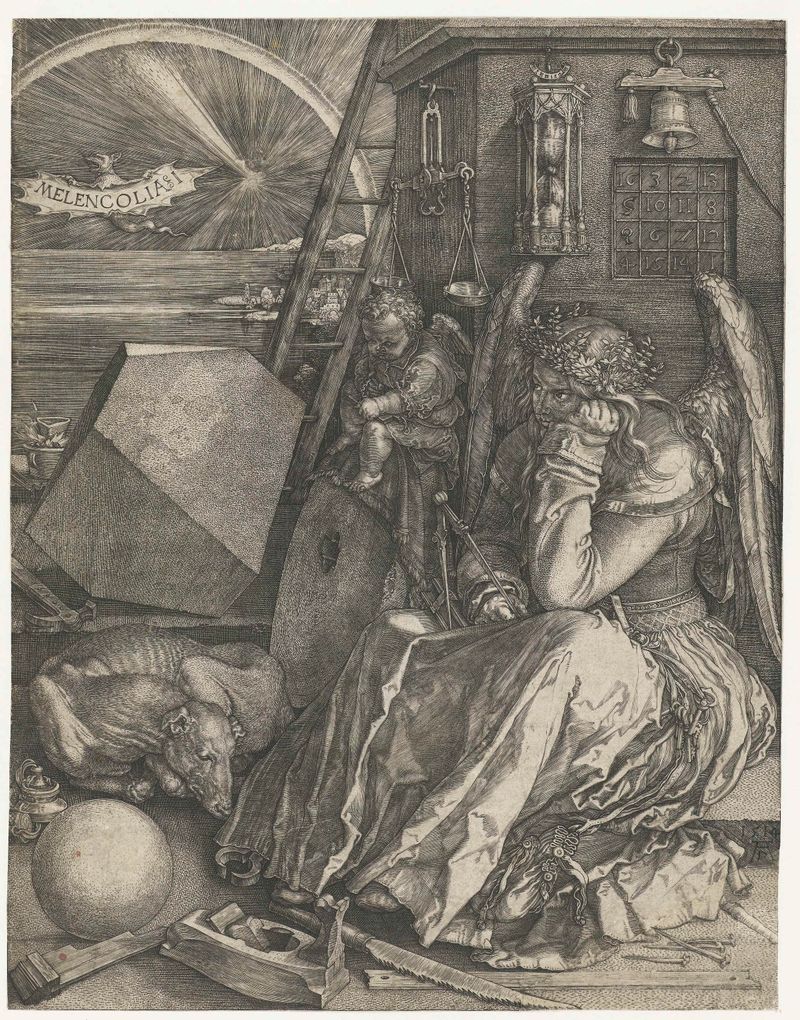
Melancholie
Albrecht Dürer
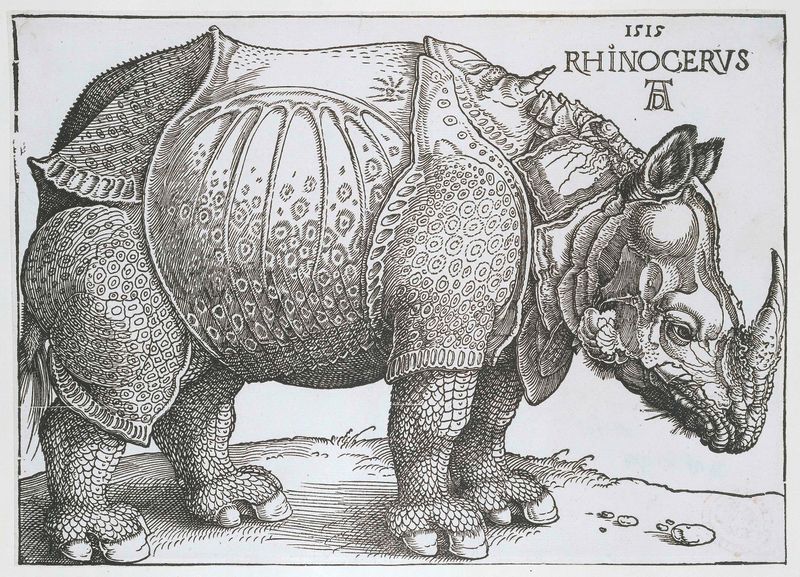
Neushoorn
Albrecht Dürer
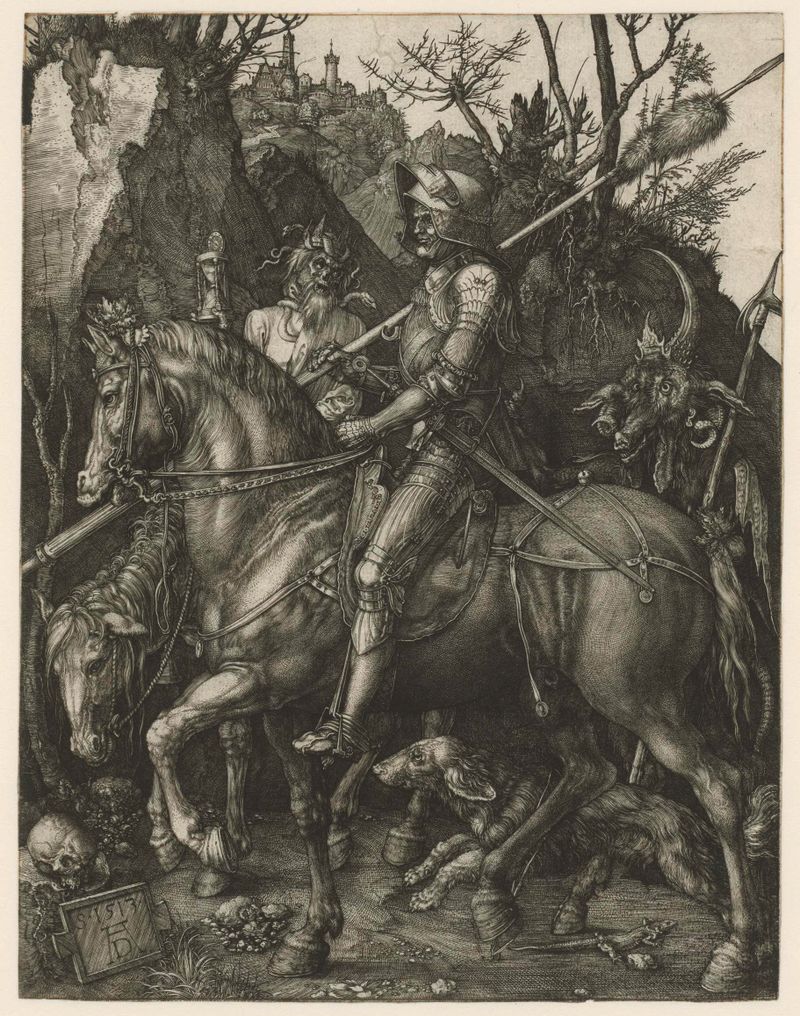
Knight, Death, and the Devil
Albrecht Dürer

De vier ruiters van de apocalyps
Albrecht Dürer

De vier ruiters van de apocalyps
Albrecht Dürer
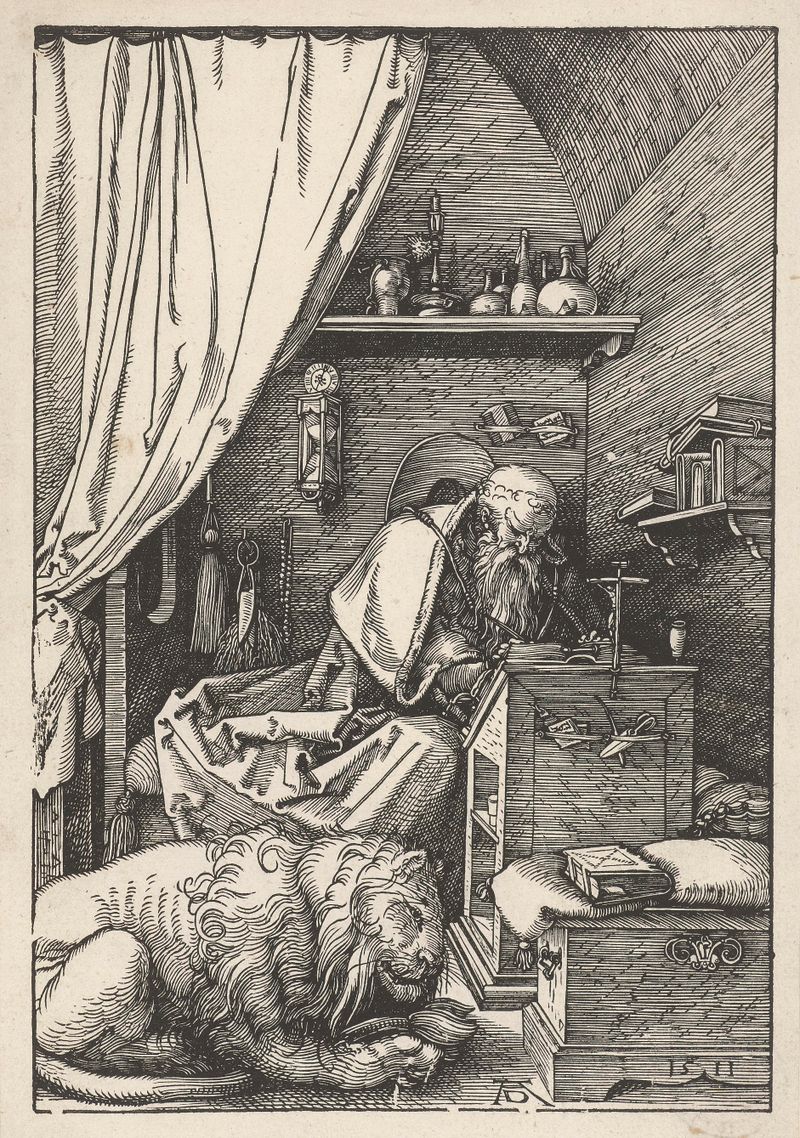
De Heilige Hiëronymus in zijn studeervertrek
Albrecht Dürer
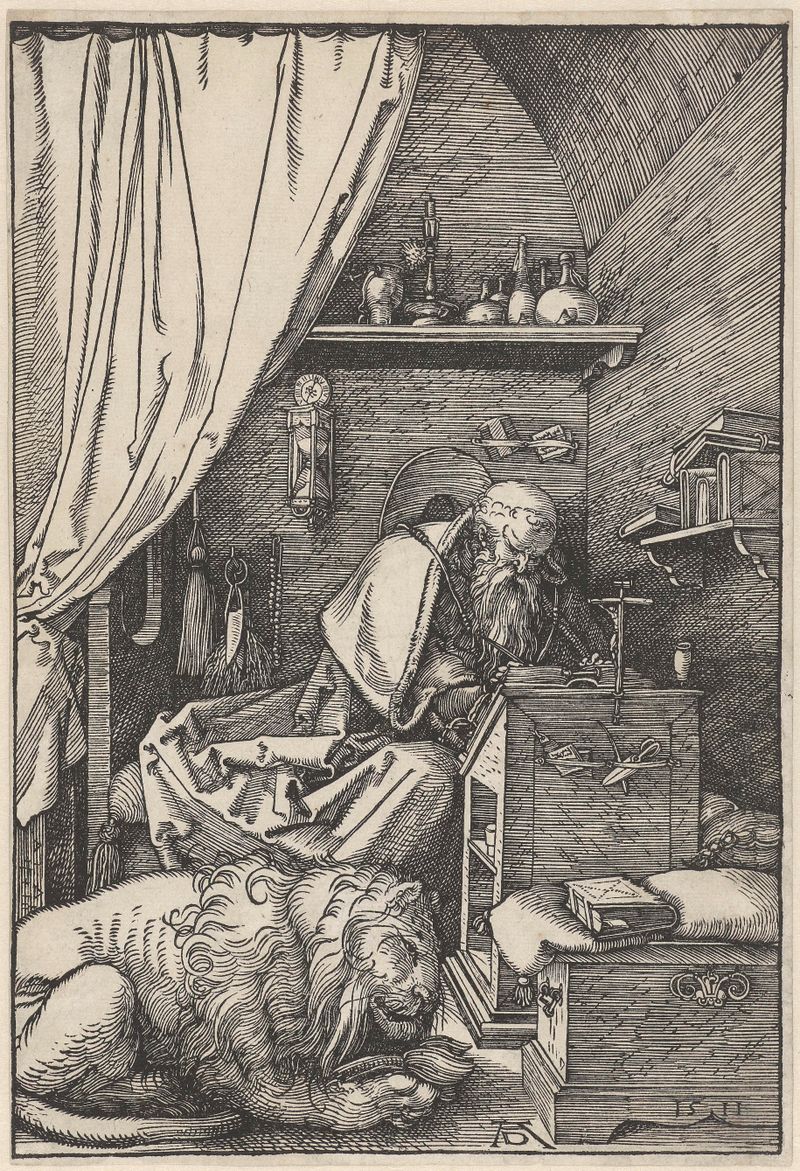
De Heilige Hiëronymus in zijn studeervertrek
Albrecht Dürer
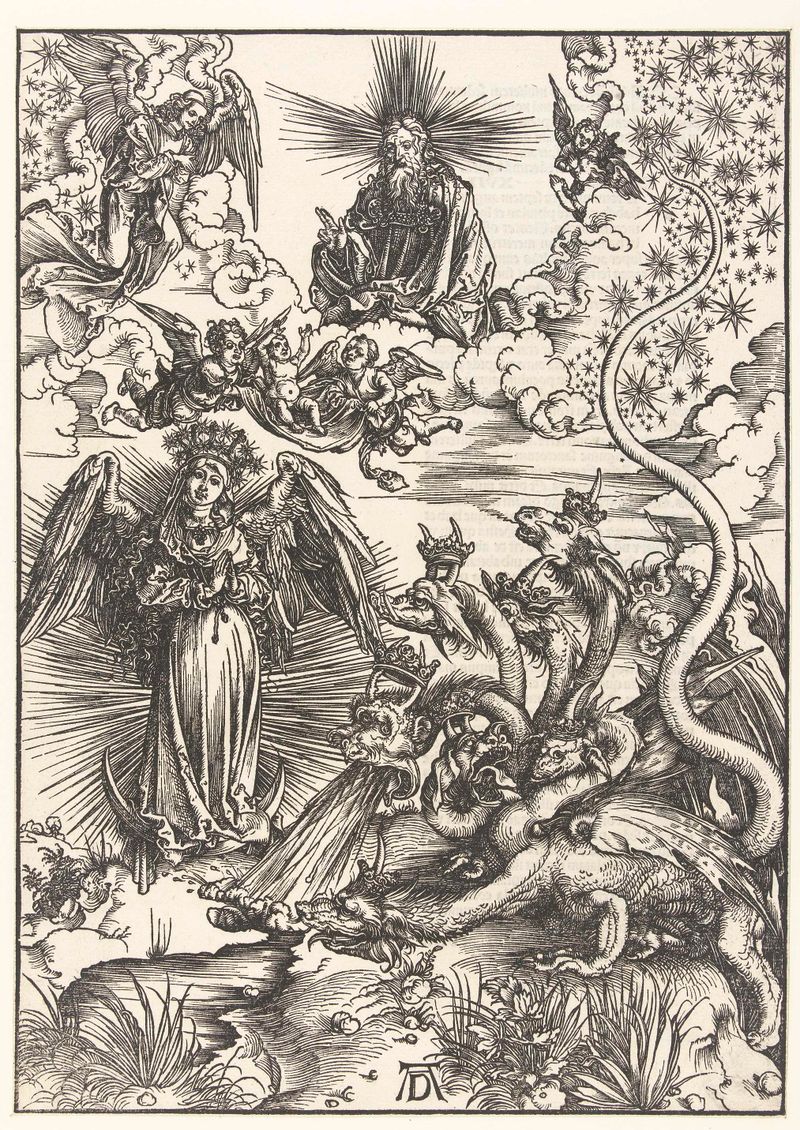
De apocalyptische vrouw en de zevenkoppige draak
Albrecht Dürer
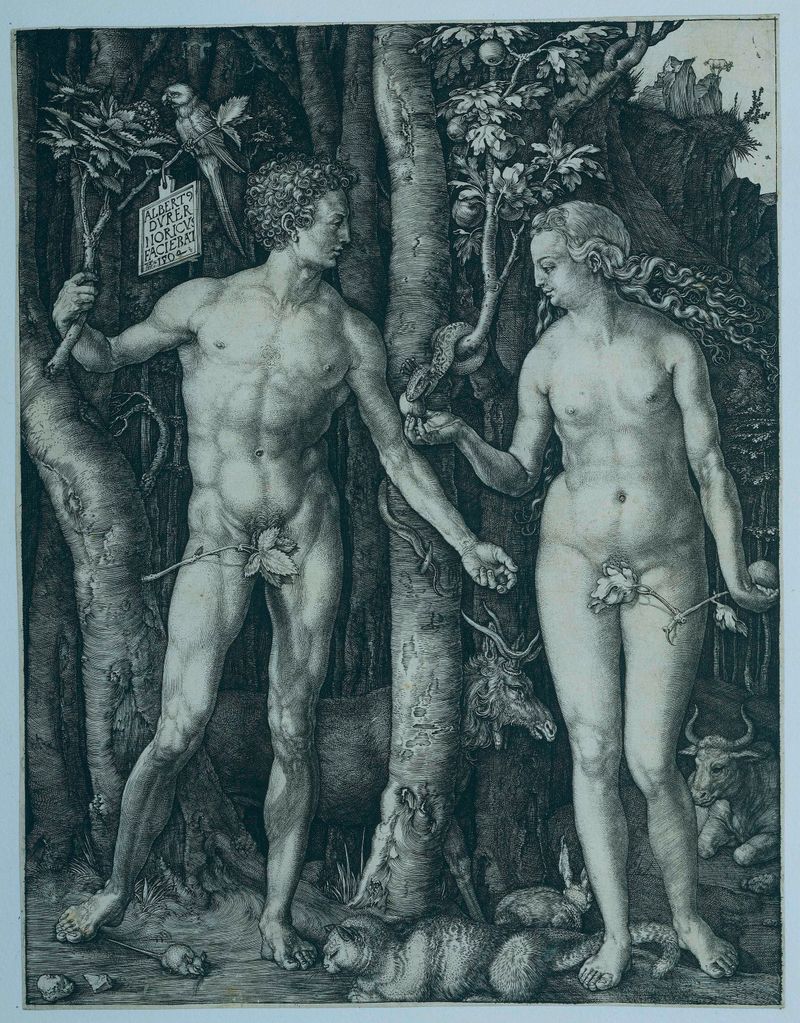
Adam en Eva
Albrecht Dürer
More Religious Art
Browse all →
The Return of the Prodigal Son
Rembrandt van Rijn

The Garden of Earthly Delights
El Bosco

Count Orgaz’ funeral
El Greco

The Hundred Guilder Print: the central piece with Christ preaching, the plate arched
Rembrandt van Rijn

The Descent from the Cross
Rogier van der Weyden

The return of the prodigal son
Rembrandt van Rijn