
De extase van Maria Magdalena — History & Facts
The stillness of a moment can reveal the depths of obsession, illuminating the secrets we keep close to our hearts. This profound exploration of desire and faith resonates through De extase van Maria Magdalena, where emotional intensity collides with spiritual contemplation. Focus on the central figure, Mary Magdalene, as she stands poised in reverie, her gaze cast downward, shrouded in a delicate play of soft light and shadow. Observe the intricate details of her flowing hair, the gentle folds of her garment, and the subtle halo that hints at her sanctity.
Dürer’s masterful use of color creates a warm, inviting atmosphere that envelops her, while the surrounding elements echo both her vulnerability and strength, leading the viewer deeper into her spiritual awakening. The tension between sacred and profane pulses beneath the surface—a stark interplay of human longing and divine grace. Each element, from the rich reds that signify passion to the deep blues invoking tranquility, speaks to the duality of her emotions. The faint background figures, almost ghostly in their presence, underscore the isolation of her experience, hinting at the burdens of her past while amplifying her spiritual epiphany. Painted between 1504 and 1505, Dürer was navigating the complexities of the Renaissance in Germany, a time of rebirth and re-evaluation of faith.
Emerging from a period of innovation, he was deeply influenced by the evolving landscapes of both art and spirituality, as he adeptly captured the essence of human emotion within a divine context in this piece.
More Artworks by Albrecht Dürer
Browse all →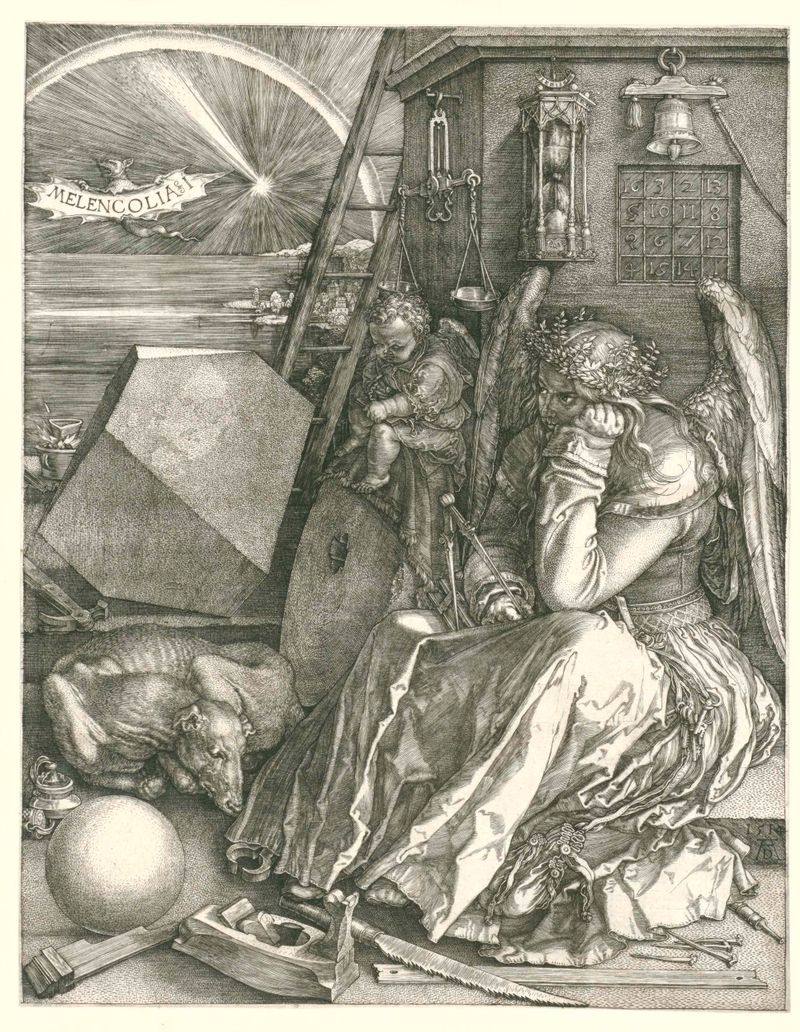
Melancholia
Albrecht Dürer
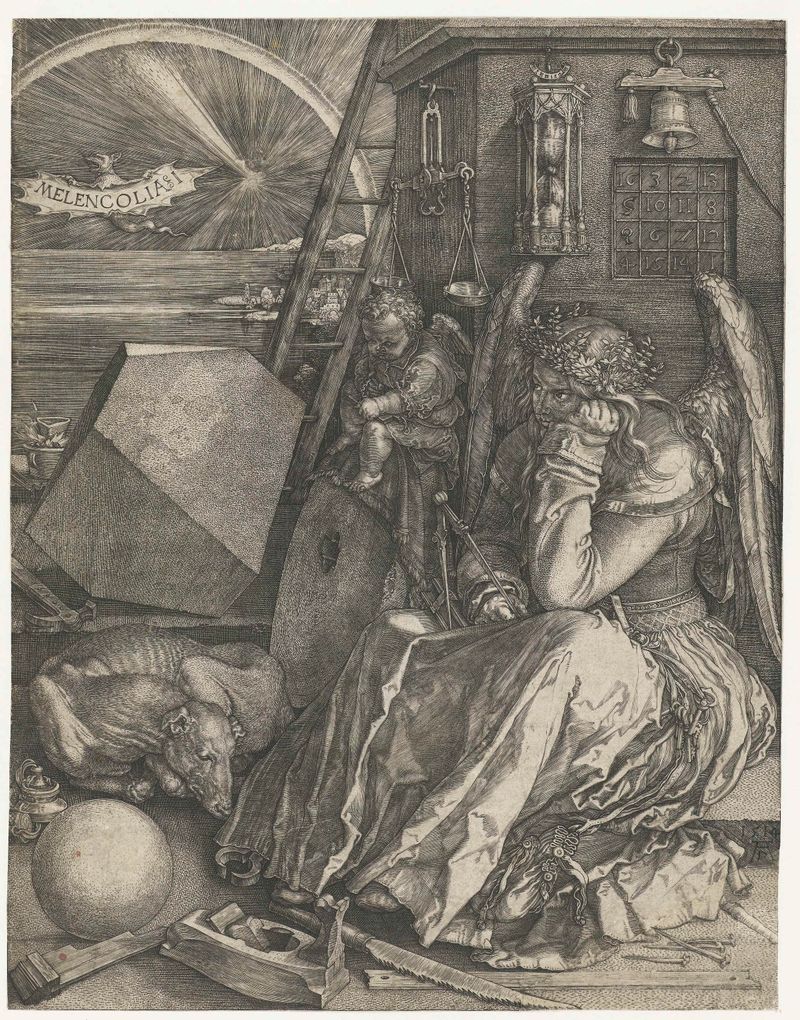
Melancholie
Albrecht Dürer

Neushoorn
Albrecht Dürer
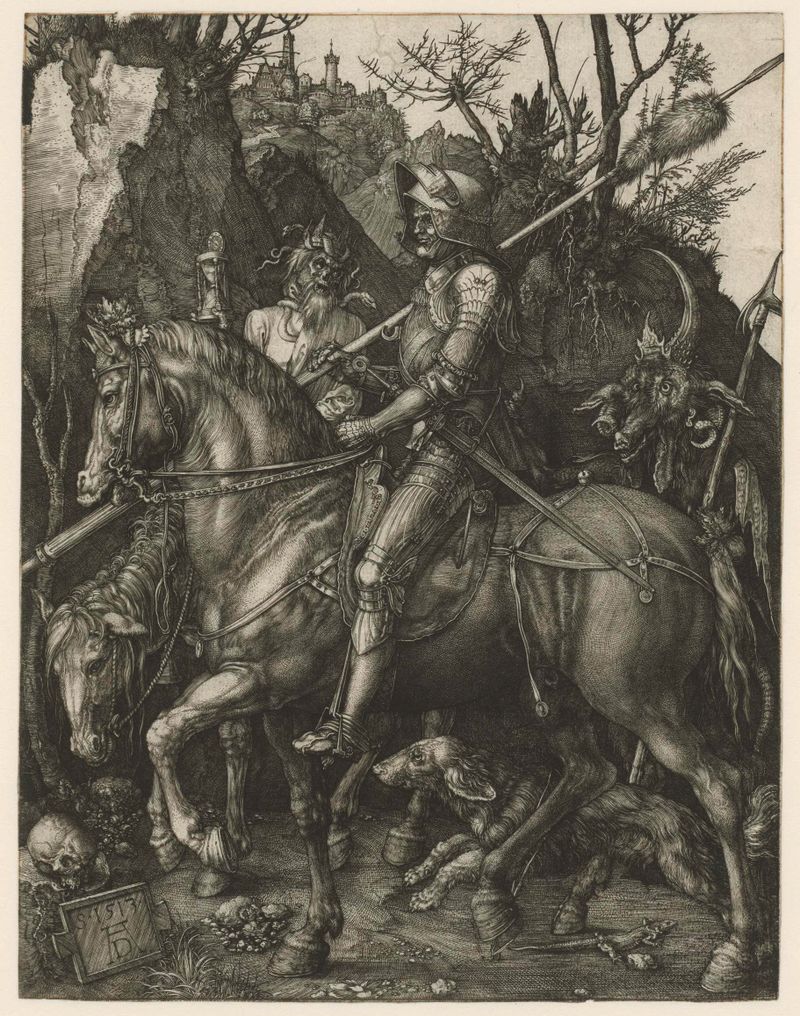
Knight, Death, and the Devil
Albrecht Dürer

De vier ruiters van de apocalyps
Albrecht Dürer

De vier ruiters van de apocalyps
Albrecht Dürer
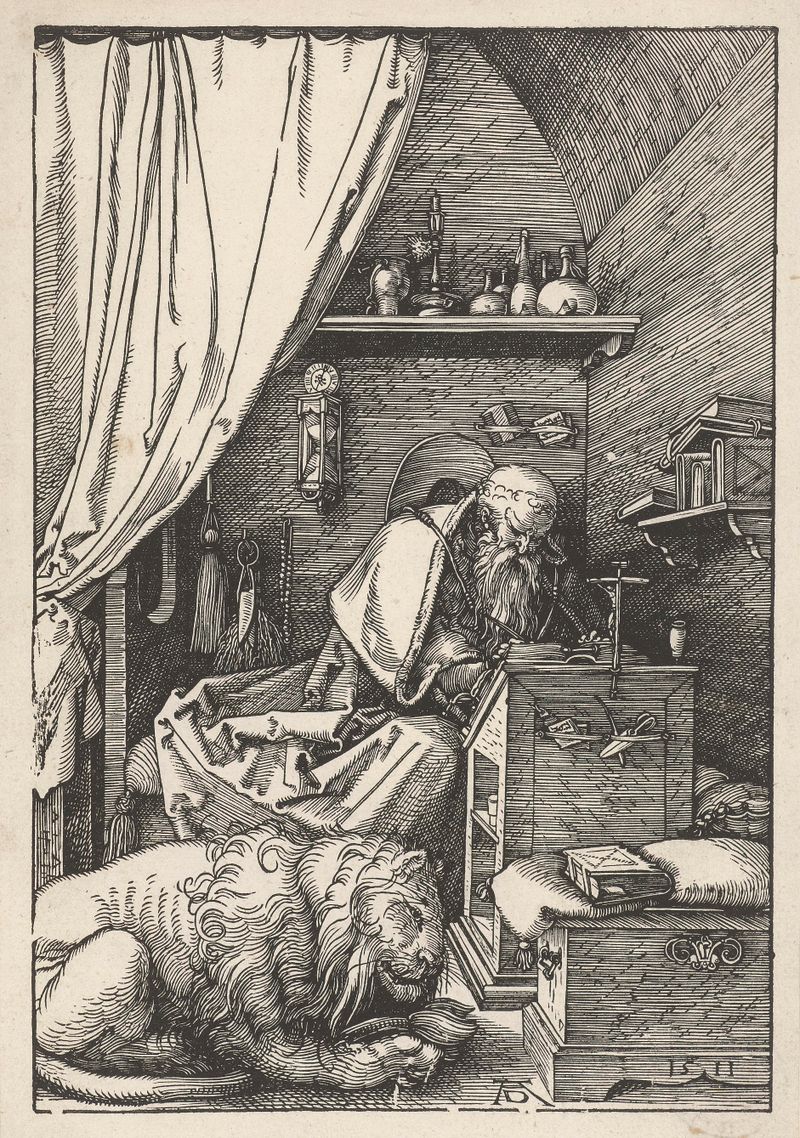
De Heilige Hiëronymus in zijn studeervertrek
Albrecht Dürer
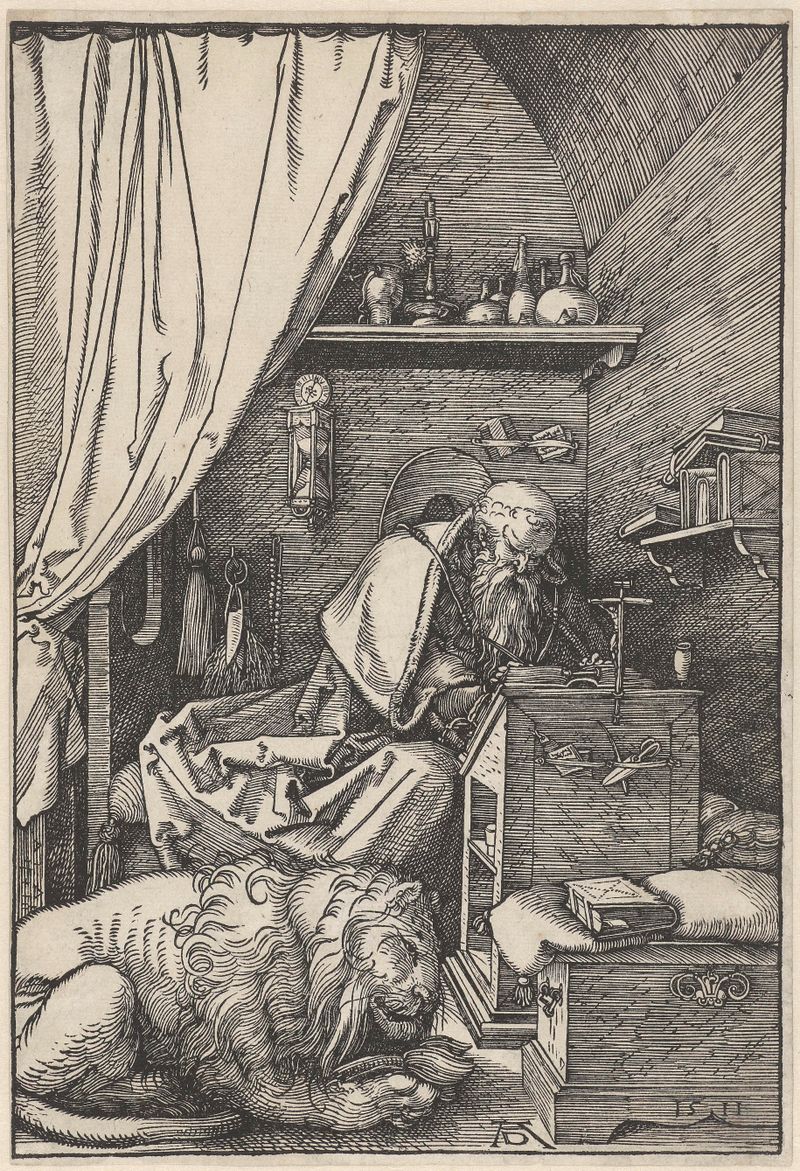
De Heilige Hiëronymus in zijn studeervertrek
Albrecht Dürer
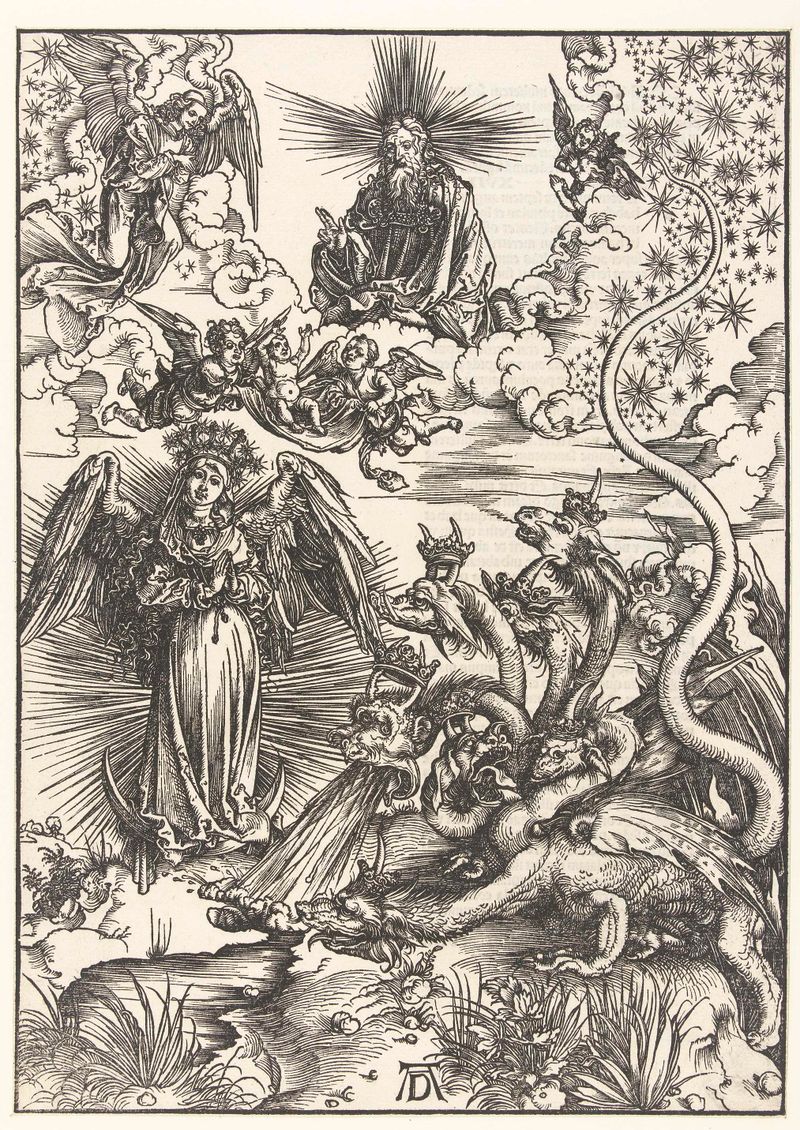
De apocalyptische vrouw en de zevenkoppige draak
Albrecht Dürer
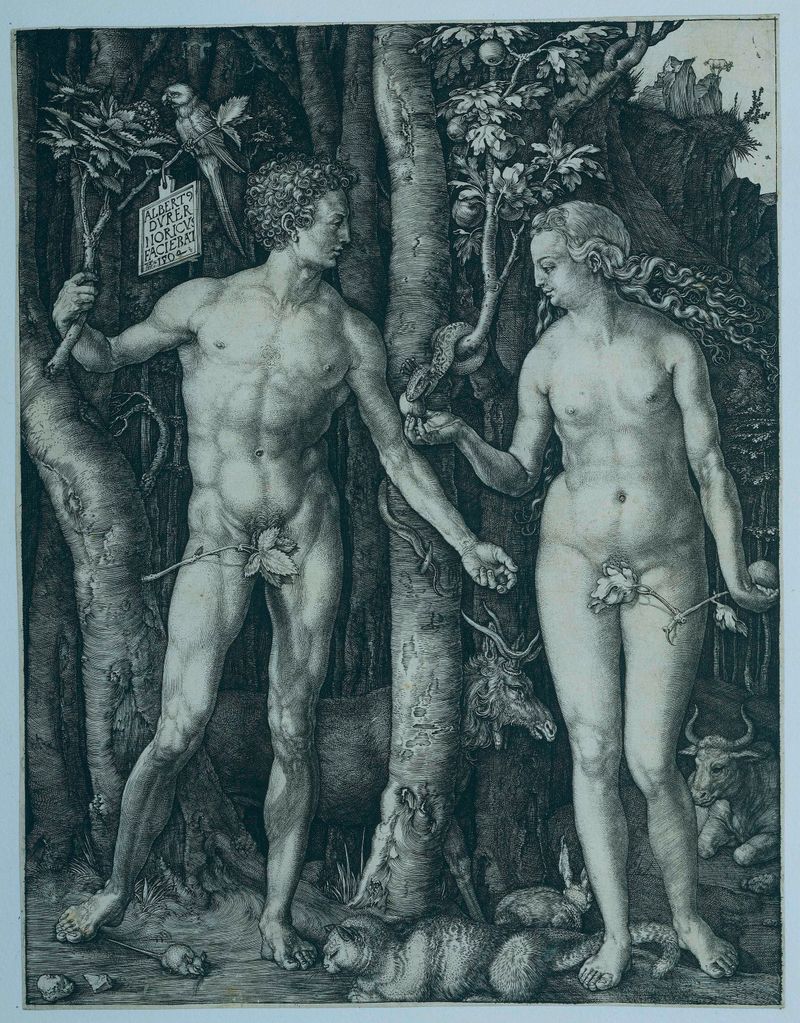
Adam en Eva
Albrecht Dürer
More Religious Art
Browse all →
The Return of the Prodigal Son
Rembrandt van Rijn

The Garden of Earthly Delights
El Bosco

Count Orgaz’ funeral
El Greco

The Hundred Guilder Print: the central piece with Christ preaching, the plate arched
Rembrandt van Rijn

The Descent from the Cross
Rogier van der Weyden

The return of the prodigal son
Rembrandt van Rijn