
De geboorte van Christus — History & Facts
In the stillness of a sacred moment, whispers of vulnerability and hope linger in the air. Look closely at the center of De geboorte van Christus, where the tender figure of the newborn rests cradled in a humble manger. Dürer invites your gaze first to the light illuminating the child, casting a gentle glow against a backdrop of muted tones. Notice the intricate details in the surrounding figures; the expressions of awe, reverence, and the burden of loneliness etched into their faces, as they gather in this profound yet solitary scene. The juxtaposition of the radiance of new life against the shadowed figures surrounding it speaks volumes.
There is an emotional tension between the joy of birth and the loneliness of existence, encapsulated in the gazes that yearn for connection. Dürer's meticulous lines and textures reveal the weight of human experience, where each character seems to carry their own unspoken sorrow, mirroring the birth of one destined to carry the world's burdens. Created in 1504 while Dürer was in Nuremberg, De geboorte van Christus reflects a period when the artist was grappling with personal and artistic growth amidst the broader Renaissance dialogue. This was a time of exploration in techniques and themes, as he sought to harmonize the spiritual with the human experience, aiming to evoke depth and introspection in a rapidly changing world.
More Artworks by Albrecht Dürer
Browse all →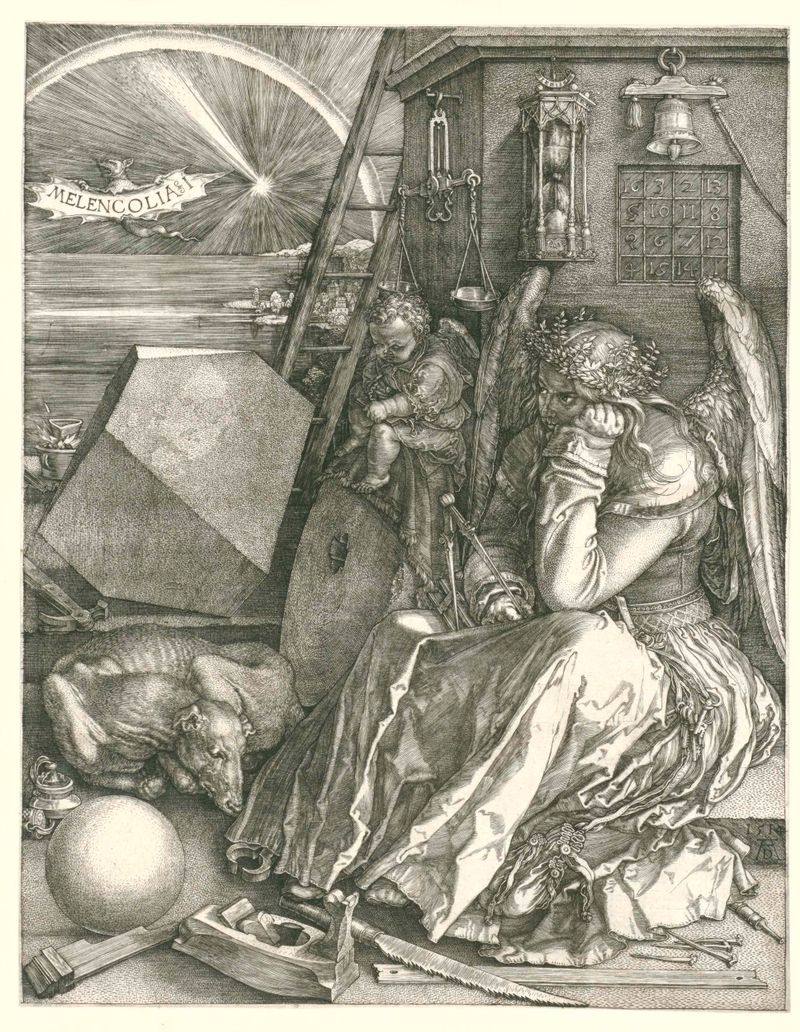
Melancholia
Albrecht Dürer
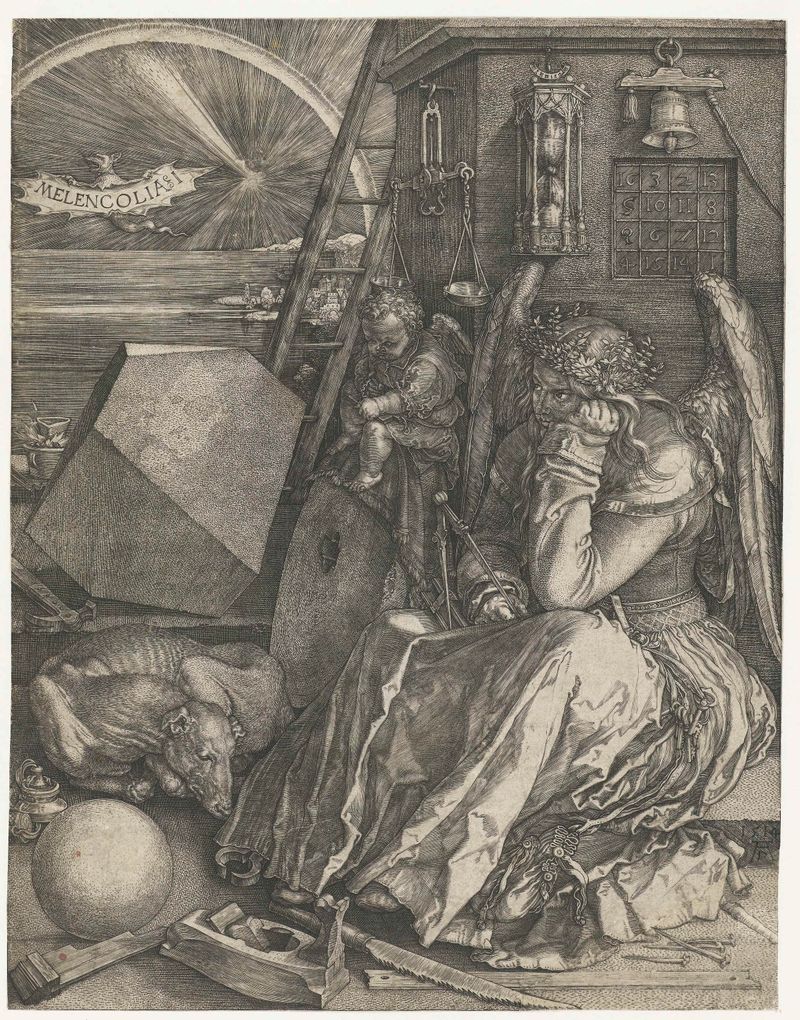
Melancholie
Albrecht Dürer
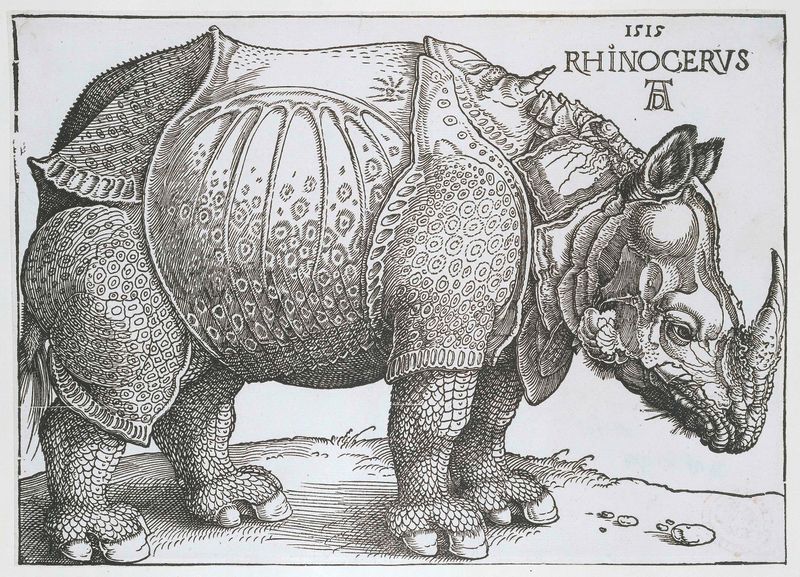
Neushoorn
Albrecht Dürer
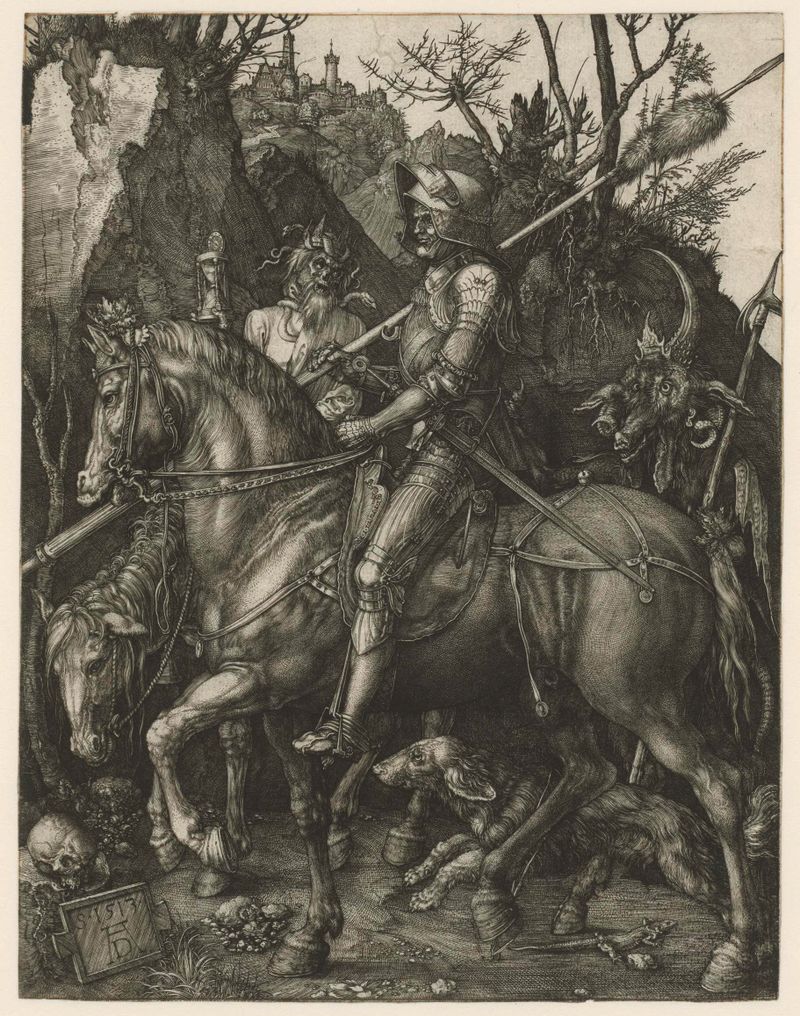
Knight, Death, and the Devil
Albrecht Dürer

De vier ruiters van de apocalyps
Albrecht Dürer

De vier ruiters van de apocalyps
Albrecht Dürer
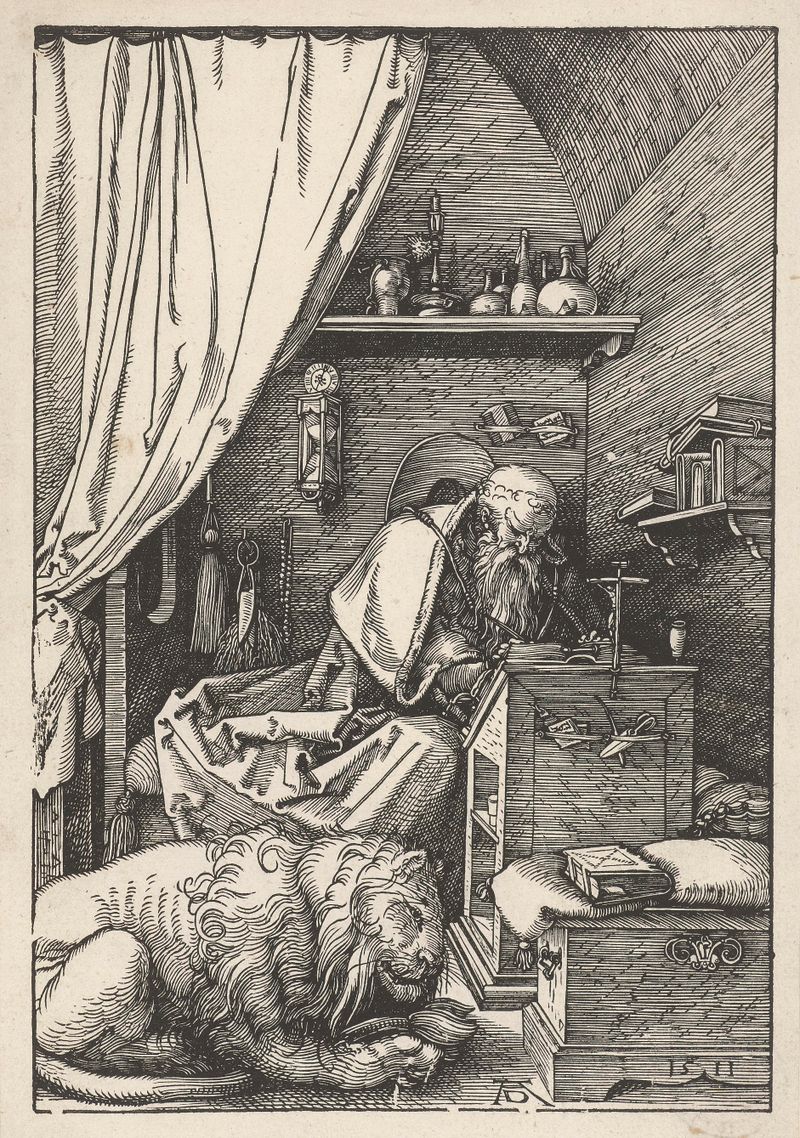
De Heilige Hiëronymus in zijn studeervertrek
Albrecht Dürer
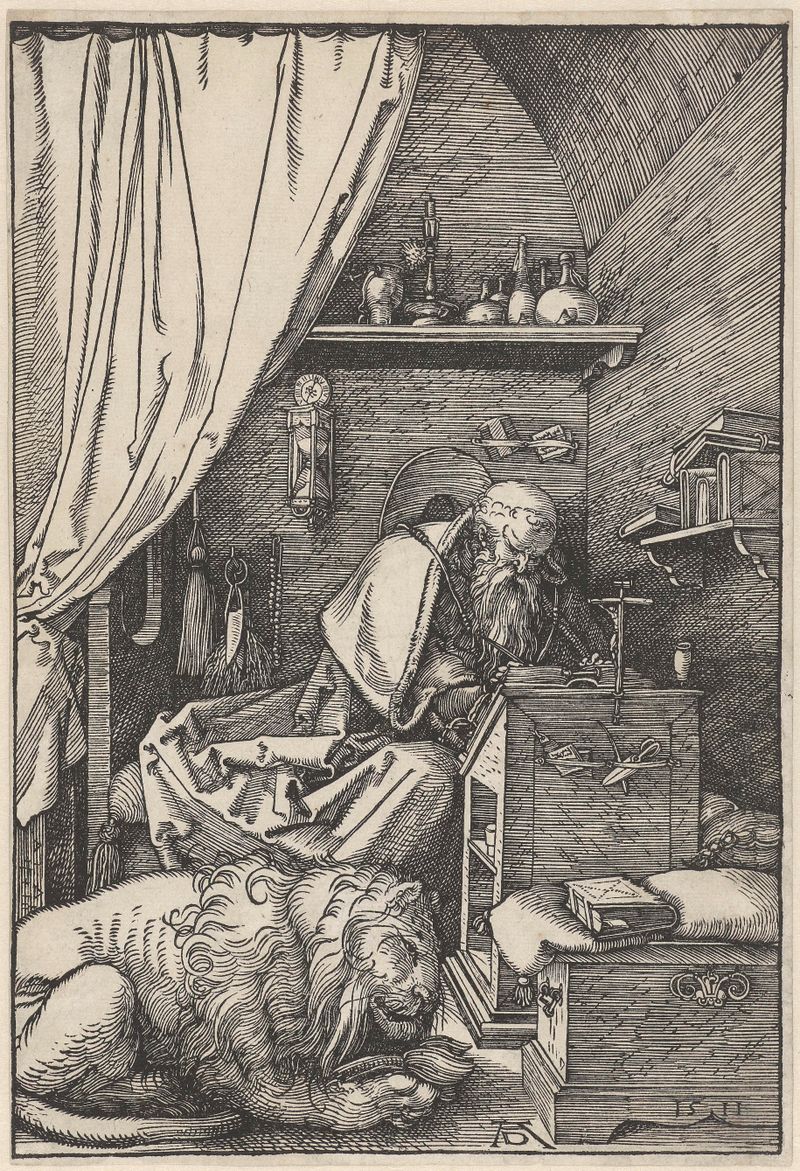
De Heilige Hiëronymus in zijn studeervertrek
Albrecht Dürer
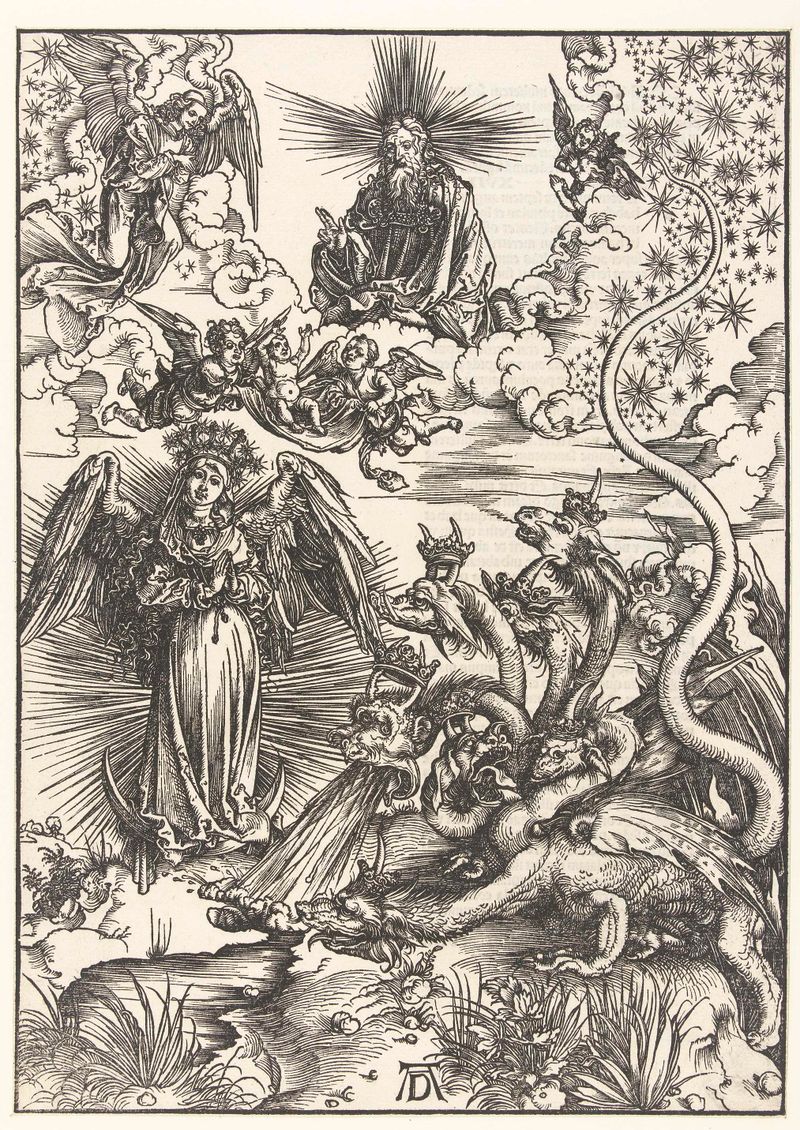
De apocalyptische vrouw en de zevenkoppige draak
Albrecht Dürer
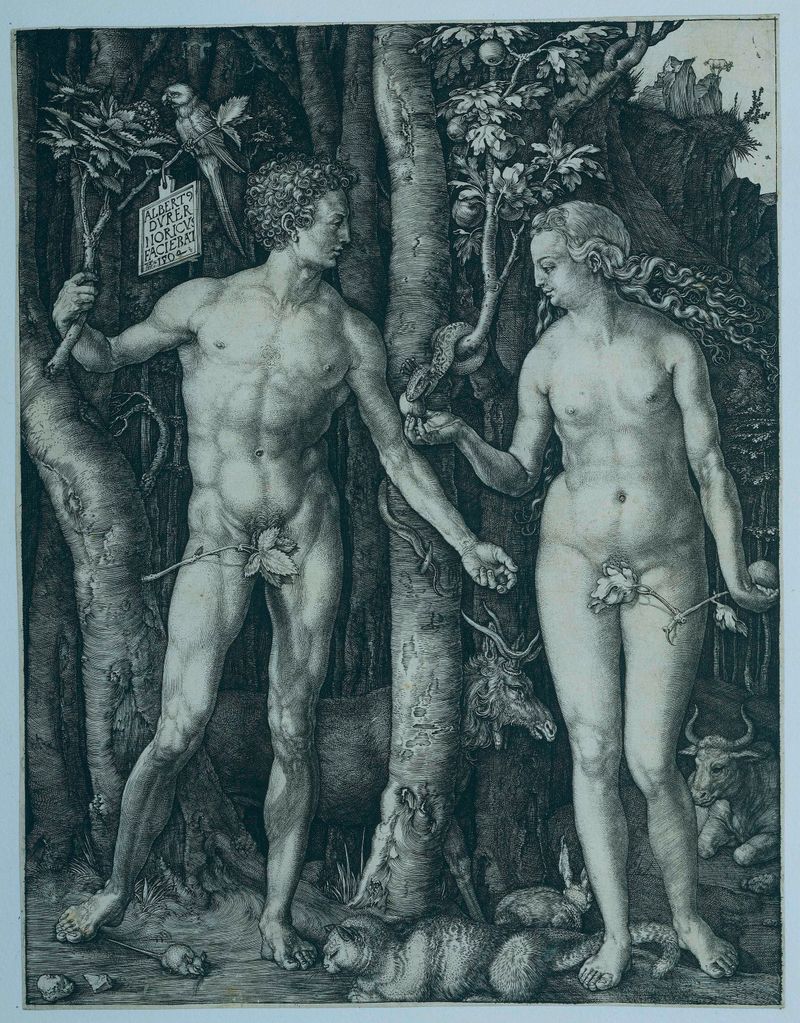
Adam en Eva
Albrecht Dürer
More Religious Art
Browse all →
The Return of the Prodigal Son
Rembrandt van Rijn

The Garden of Earthly Delights
El Bosco

Count Orgaz’ funeral
El Greco

The Hundred Guilder Print: the central piece with Christ preaching, the plate arched
Rembrandt van Rijn

The Descent from the Cross
Rogier van der Weyden

The return of the prodigal son
Rembrandt van Rijn