
De geboorte van Maria — History & Facts
Is this a mirror — or a memory? In De geboorte van Maria, the viewer is invited to peer into a moment steeped in desire, as the narrative unfolds in a delicate embrace of color and emotion. Look to the left at the elegantly draped figure of Saint Anne, her expression a poignant blend of maternal affection and solemn reverence. The intricate details of her garments, embellished with rich gold and deep reds, draw your gaze, while soft light bathes the scene, creating a sacred atmosphere. Notice how the figures are arranged, forming a triangular composition that leads to the central, radiant infant, Mary, embodying purity and hope.
The play of light and shadow enhances the depth, guiding the eye through the tenderness of this intimate birth. Delve deeper into the emotional undercurrents at play. The contrast between the vivid warmth of the figures and the cool, ethereal surroundings suggests a tension between the earthly and the divine. The subtle expressions of the surrounding onlookers reveal a blend of awe and longing, hinting at the broader implications of Mary's birth as a symbol of redemption.
There’s a palpable sense of anticipation, as if each character is caught between their present reality and the divine future that awaits. Created between 1501 and 1505, this work reflects Dürer’s deepening exploration of human emotion and spirituality during a period of great artistic innovation in Northern Europe. At this time, he was navigating the complexities of his career, balancing commercial success with a profound commitment to artistic integrity. Amidst the evolving landscapes of art, De geboorte van Maria stands as a testament to Dürer's ability to fuse technical mastery with heartfelt narrative, imbuing the scene with timeless resonance.
More Artworks by Albrecht Dürer
Browse all →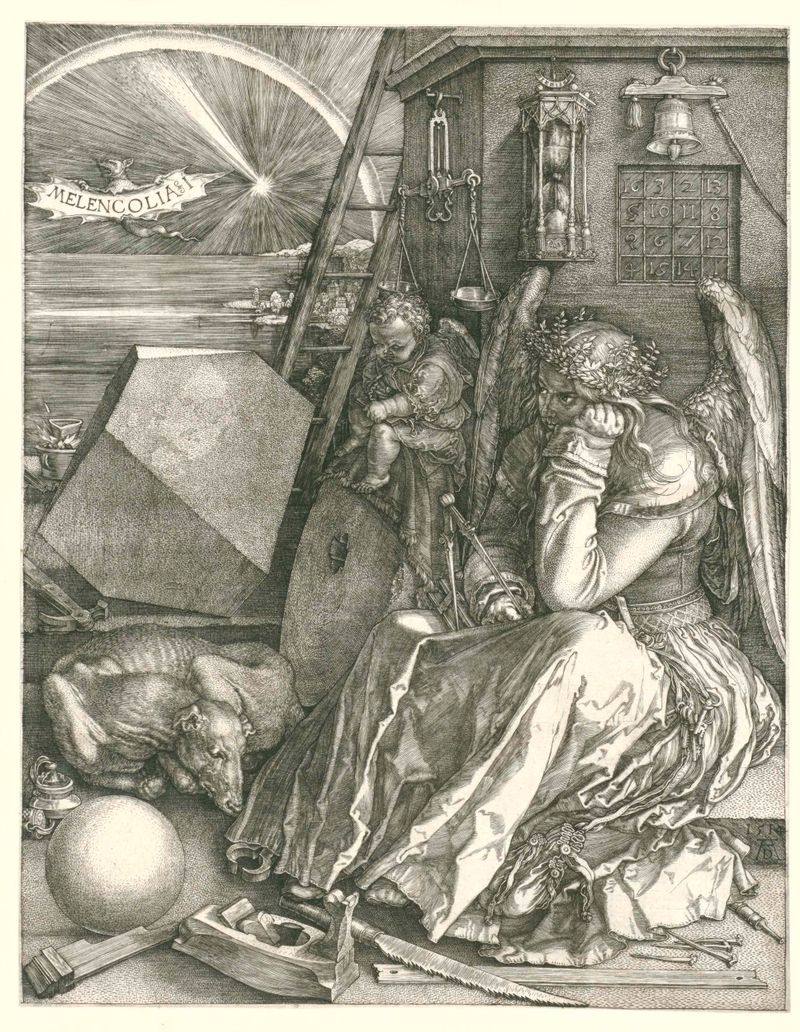
Melancholia
Albrecht Dürer
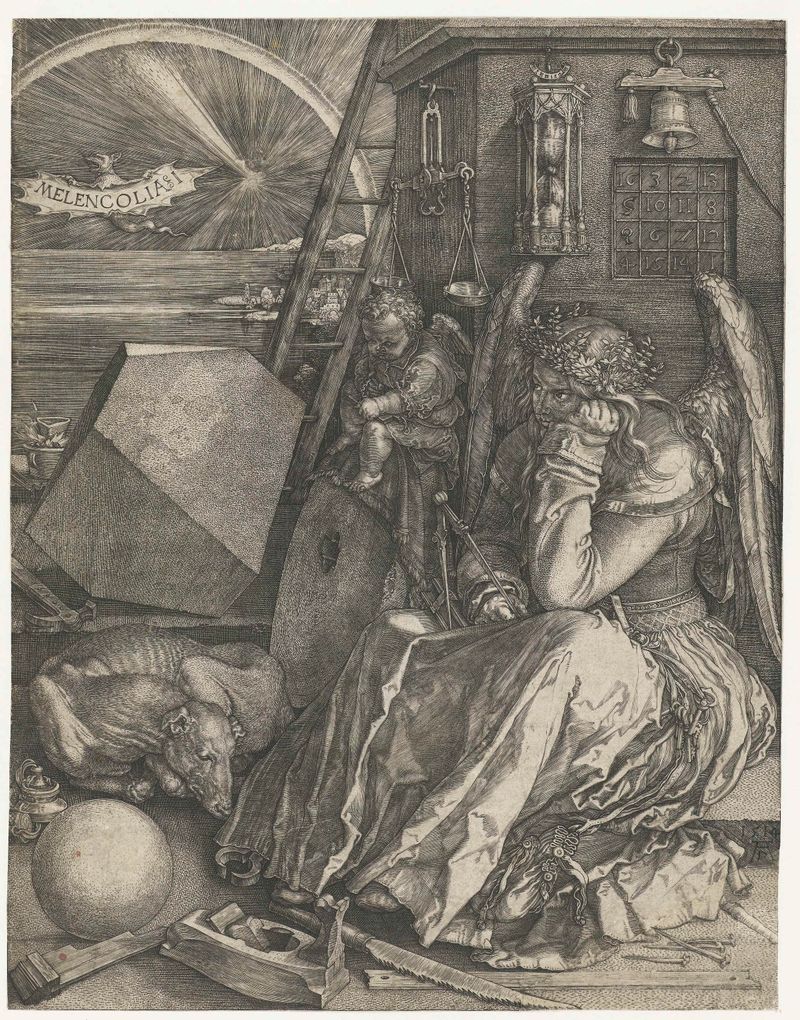
Melancholie
Albrecht Dürer

Neushoorn
Albrecht Dürer
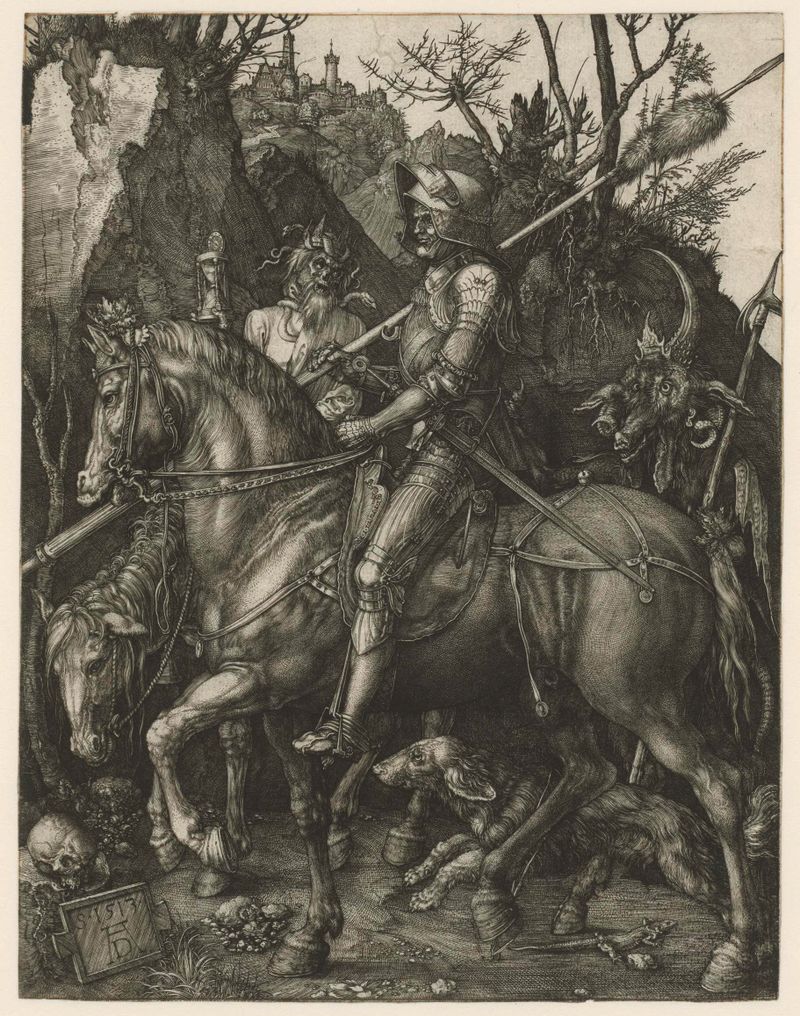
Knight, Death, and the Devil
Albrecht Dürer

De vier ruiters van de apocalyps
Albrecht Dürer

De vier ruiters van de apocalyps
Albrecht Dürer
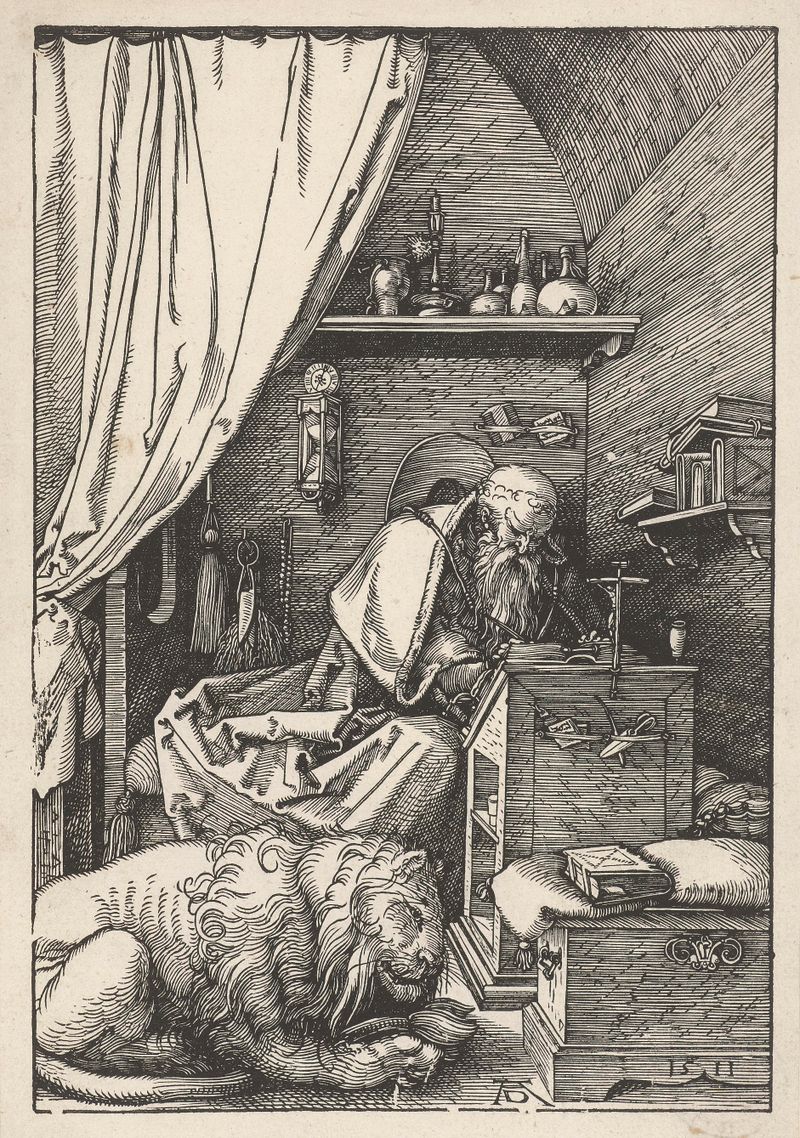
De Heilige Hiëronymus in zijn studeervertrek
Albrecht Dürer
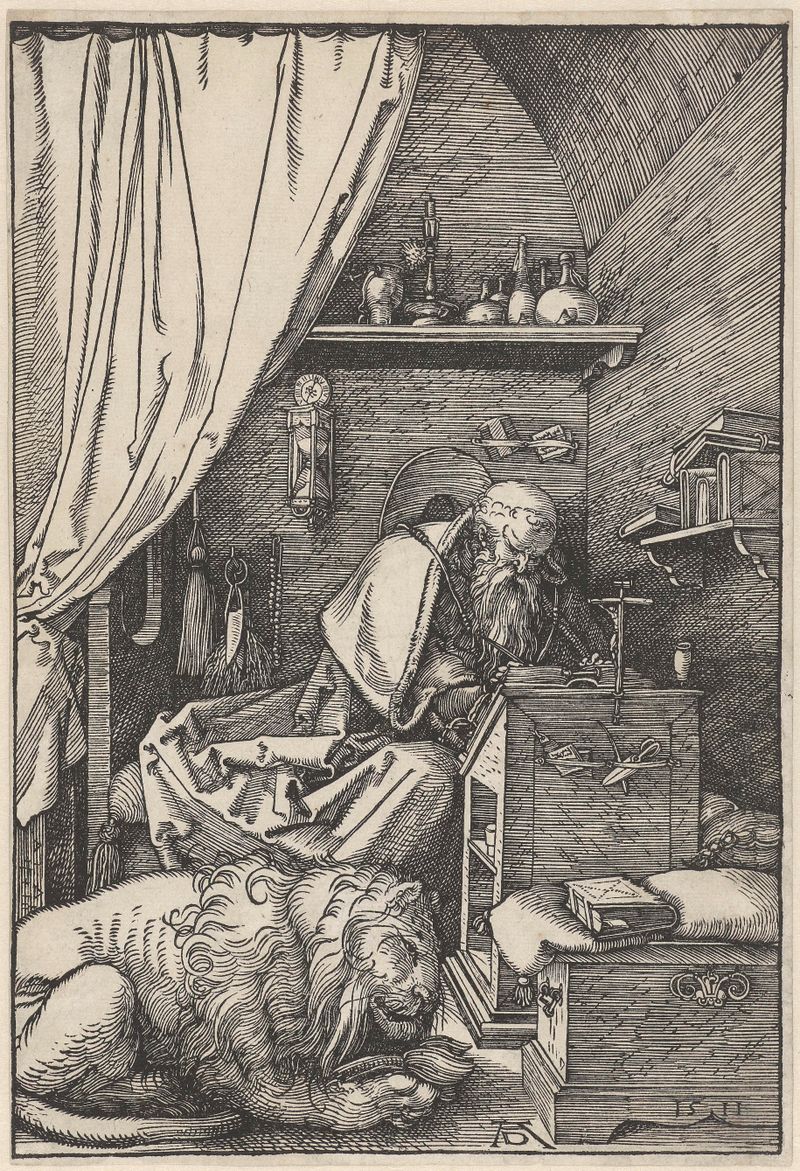
De Heilige Hiëronymus in zijn studeervertrek
Albrecht Dürer
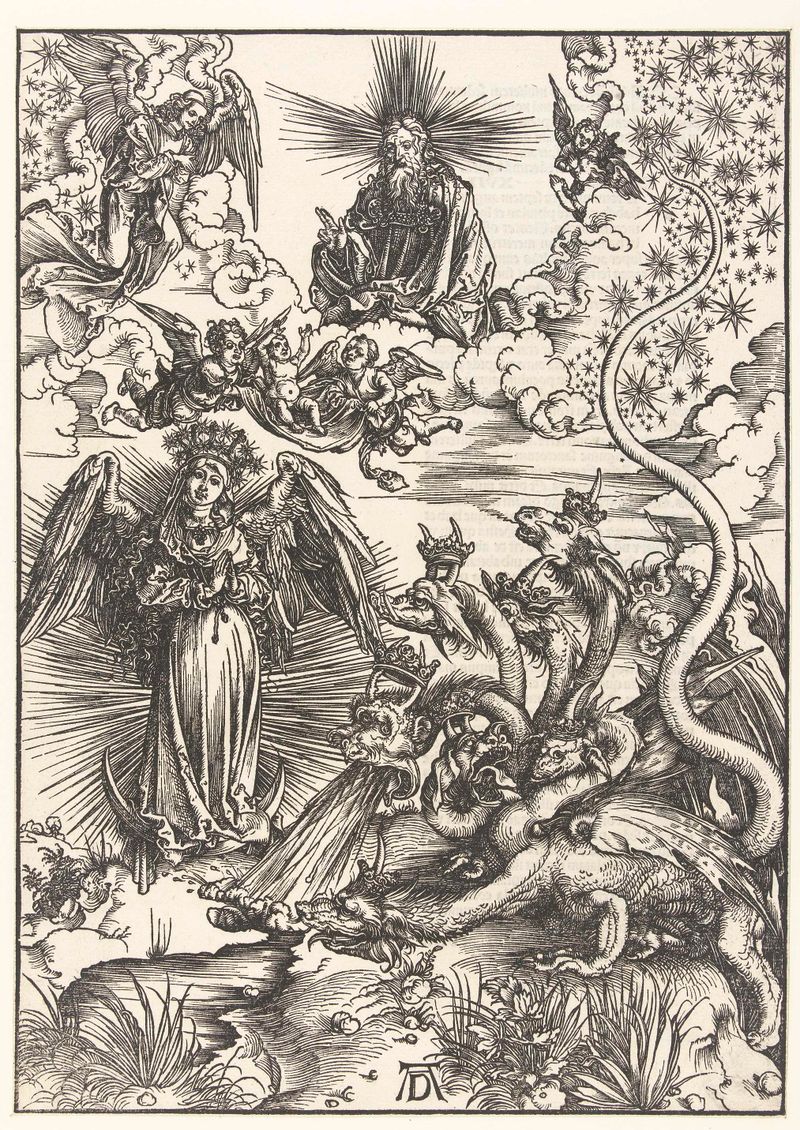
De apocalyptische vrouw en de zevenkoppige draak
Albrecht Dürer
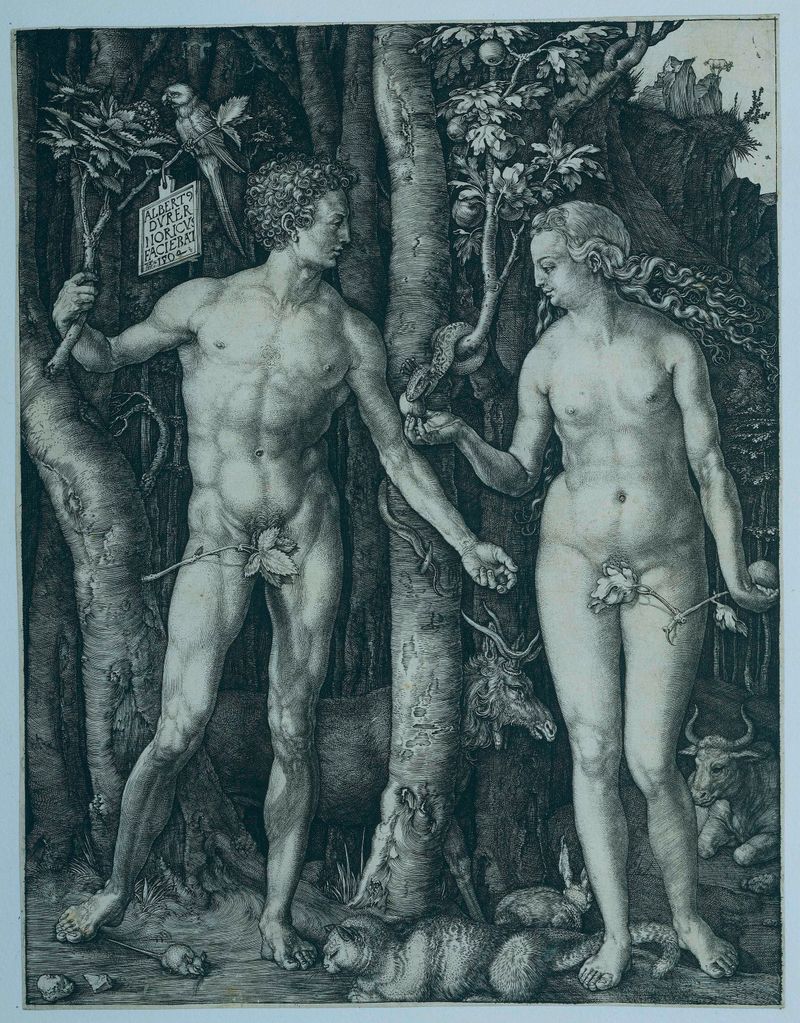
Adam en Eva
Albrecht Dürer
More Religious Art
Browse all →
The Return of the Prodigal Son
Rembrandt van Rijn

The Garden of Earthly Delights
El Bosco

Count Orgaz’ funeral
El Greco

The Hundred Guilder Print: the central piece with Christ preaching, the plate arched
Rembrandt van Rijn

The Descent from the Cross
Rogier van der Weyden

The return of the prodigal son
Rembrandt van Rijn