
De geboorte van Maria — History & Facts
Can paint confess what words never could? In the delicate folds of fabric and the soft glow of light, a deep yearning emerges, transcending time and language. Look to the central figure, where the radiant visage of the Virgin Mary is depicted with an ethereal quality. The gentle contours of her face, illuminated by a soft, divine light, draw the viewer’s gaze. Notice how the rich hues of her robe contrast with the muted tones of the background, emphasizing her purity and significance.
The careful detailing of her hands, tenderly cradling the newborn, speaks of maternal love and vulnerability, while the surrounding figures, solemn yet reverent, enhance the sacred atmosphere of the moment. Within this artwork lies the tension between the divine and the human, as the enveloping light signifies both reverence and the fragility of life. The expressions of the onlookers are imbued with a complexity of emotions—hope, awe, and perhaps a touch of sorrow—mirroring the profound implications of Mary's birth. This scene encapsulates not only a moment of arrival but also the weight of expectations and a destiny intertwined with sacrifice. Created between 1501 and 1505, this piece emerged during Dürer’s prolific years in Nuremberg, a time marked by profound shifts in art and spirituality.
As the Northern Renaissance flourished, the artist blended meticulous attention to detail with rich symbolic meanings, reflecting the evolving human consciousness of his era. Dürer’s exploration of religious themes was both a personal and cultural response to the changing tides of faith and artistry in a world grappling with profound transformation.
More Artworks by Albrecht Dürer
Browse all →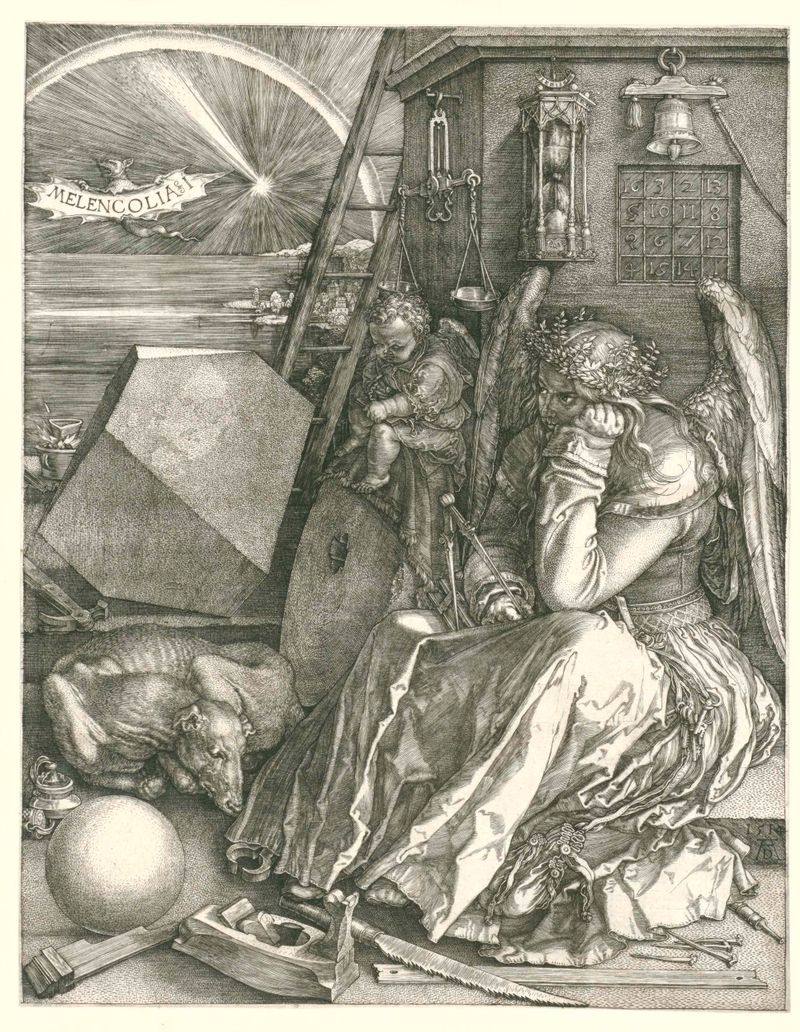
Melancholia
Albrecht Dürer
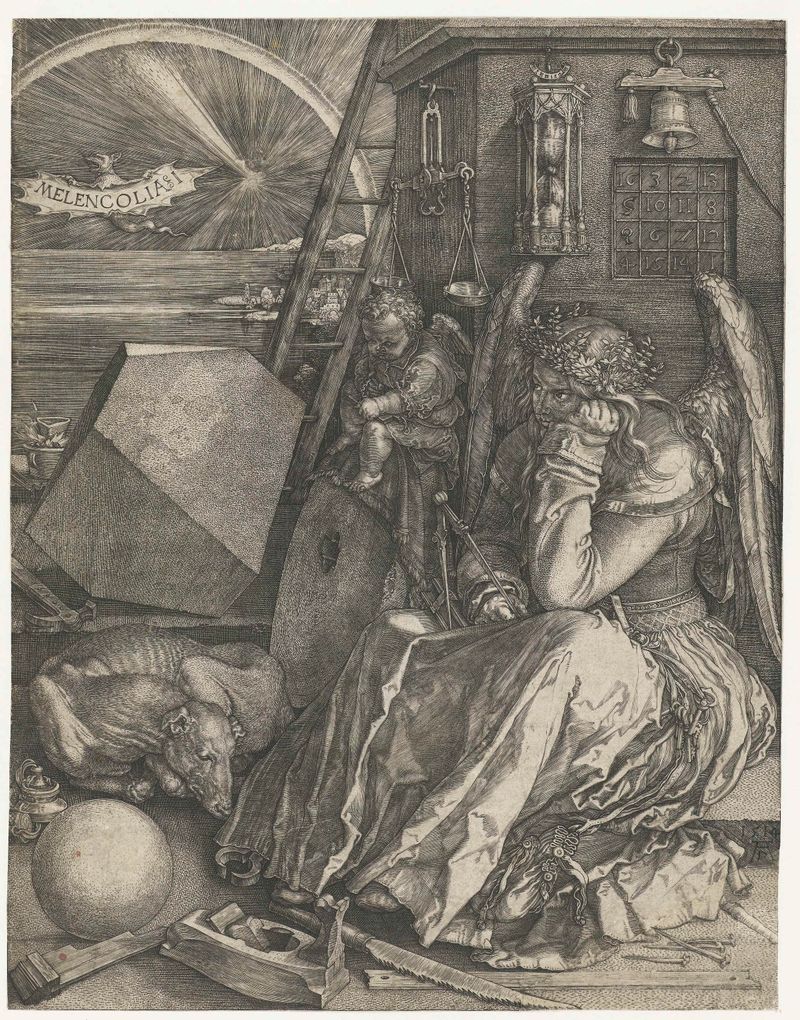
Melancholie
Albrecht Dürer
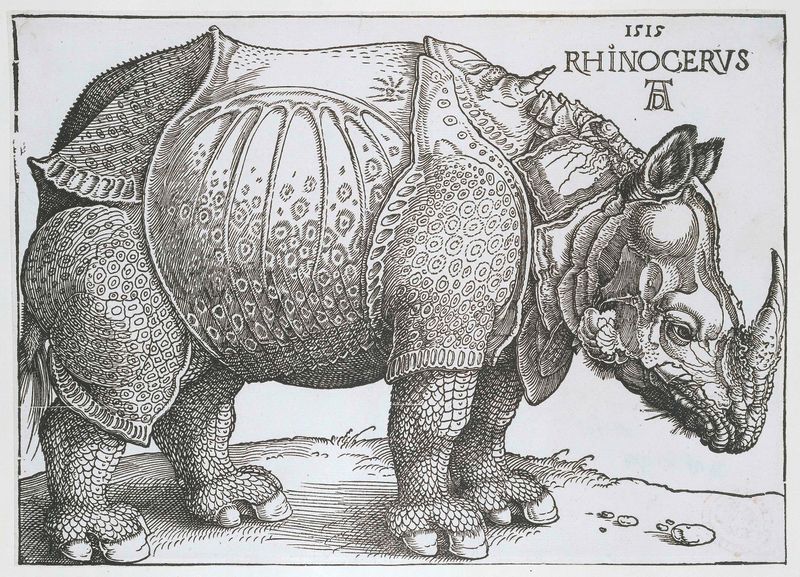
Neushoorn
Albrecht Dürer
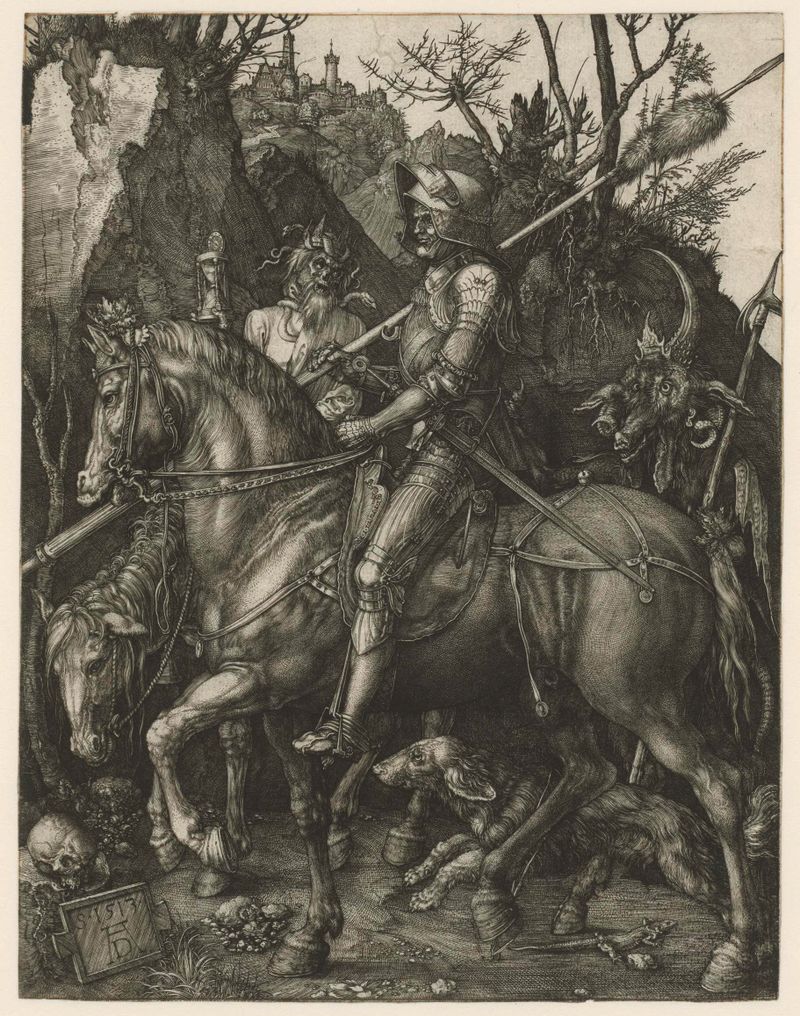
Knight, Death, and the Devil
Albrecht Dürer

De vier ruiters van de apocalyps
Albrecht Dürer

De vier ruiters van de apocalyps
Albrecht Dürer
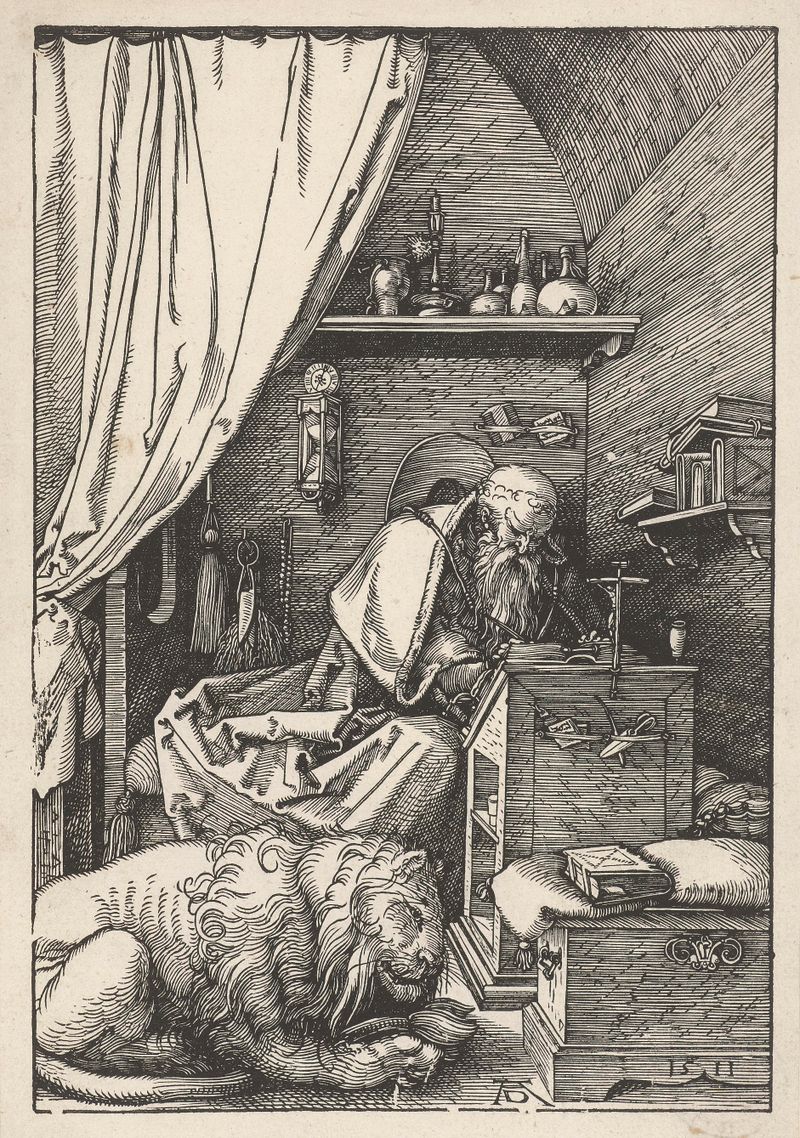
De Heilige Hiëronymus in zijn studeervertrek
Albrecht Dürer
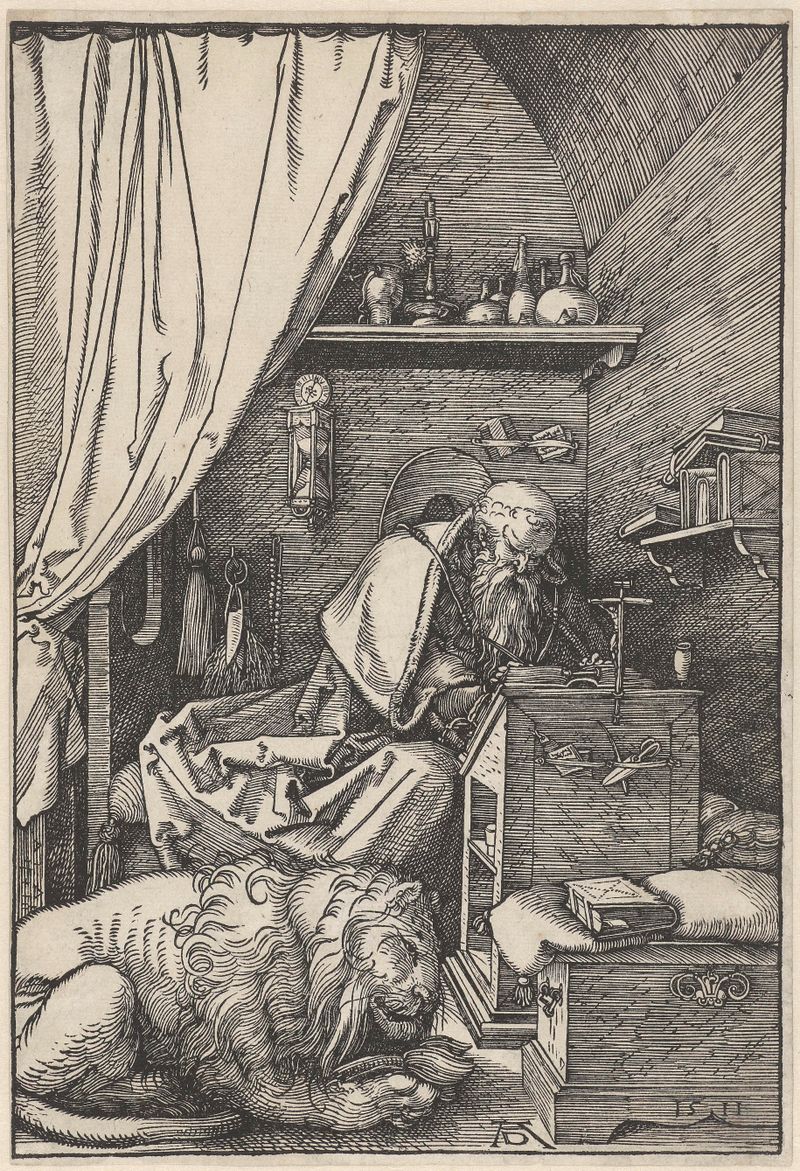
De Heilige Hiëronymus in zijn studeervertrek
Albrecht Dürer
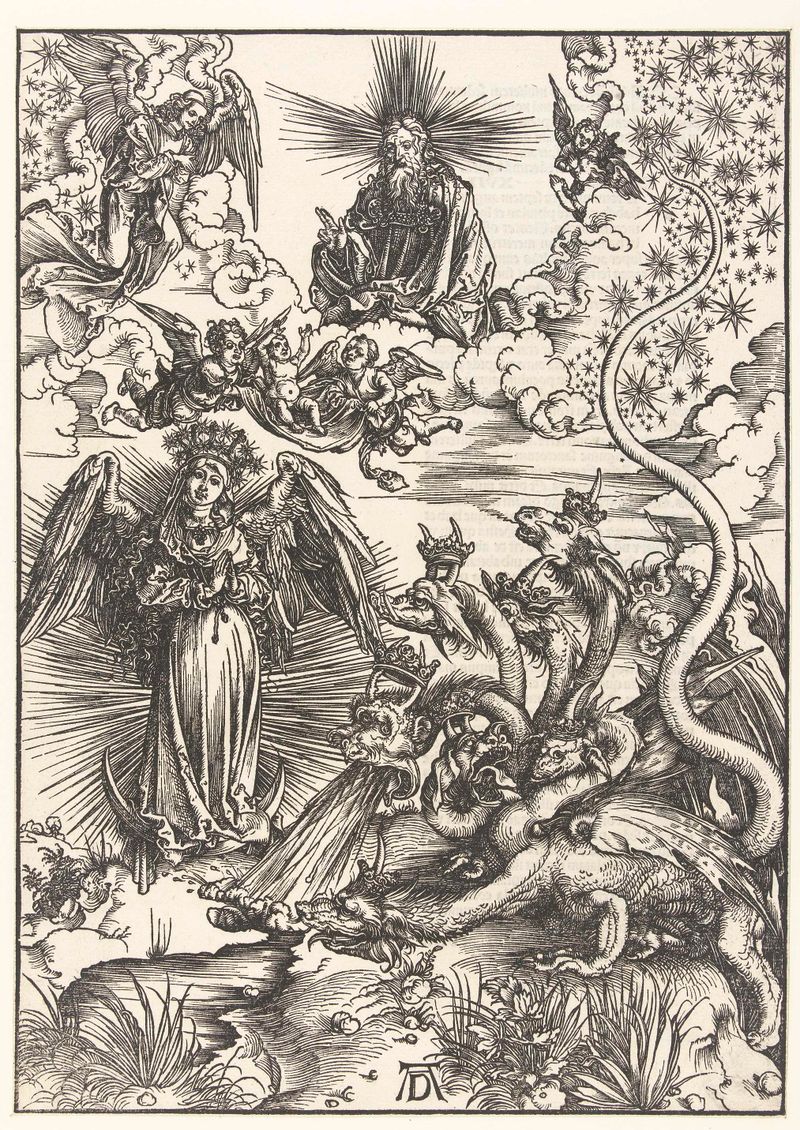
De apocalyptische vrouw en de zevenkoppige draak
Albrecht Dürer
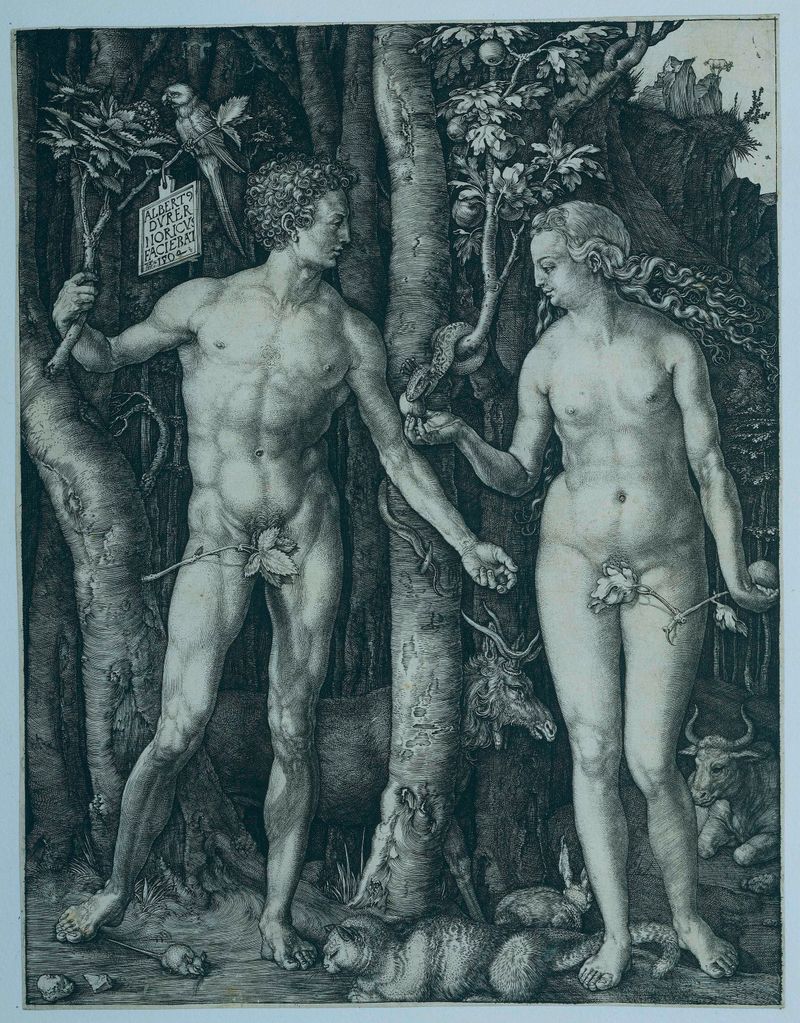
Adam en Eva
Albrecht Dürer
More Religious Art
Browse all →
The Return of the Prodigal Son
Rembrandt van Rijn

The Garden of Earthly Delights
El Bosco

Count Orgaz’ funeral
El Greco

The Hundred Guilder Print: the central piece with Christ preaching, the plate arched
Rembrandt van Rijn

The Descent from the Cross
Rogier van der Weyden

The return of the prodigal son
Rembrandt van Rijn