
De geseling — History & Facts
Where does light end, and longing begin? In the interplay between shadow and form, Dürer compels us to confront the delicate balance between life and mortality. As you gaze upon the composition, look to the center: the figure of Christ, bound and suffering, radiates with a haunting tranquility amidst the chaos of his torment. Strong contrasts between the deep, dark background and the illuminated flesh highlight the intensity of his pain. Pay attention to the meticulous detail in the lines of his body; each stroke serves to evoke both vulnerability and resilience, a duality that resonates deeply within the viewer. The somber expressions of the figures surrounding him — a blend of sorrow and awe — enhance the emotional tension.
The juxtaposition of their despair with Christ’s serene acceptance suggests a profound meditation on suffering and redemption. Notice how the intricate drapery of the garments creates a sense of movement, drawing the eye and emphasizing the narrative of sacrifice that envelops the scene. Each element, from the mournful eyes to the symbolism of the ropes, invites contemplation on the weight of mortality. Dürer created De geseling in 1512, during a period marked by both spiritual upheaval and artistic innovation.
Based in Nuremberg, he was navigating the tensions of the Reformation while establishing himself as a leading figure of the Northern Renaissance. This artwork reflects not just his technical prowess, but also his deep engagement with themes of faith, suffering, and the human condition, encapsulating a moment of intense personal and societal reflection.
More Artworks by Albrecht Dürer
Browse all →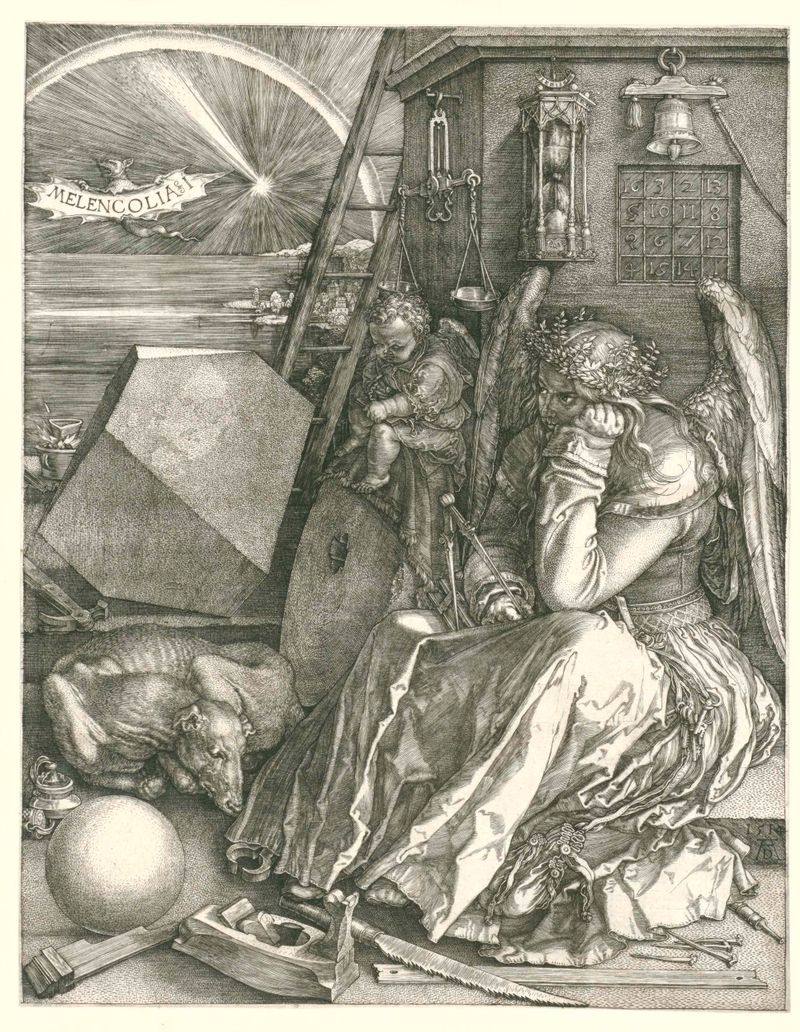
Melancholia
Albrecht Dürer
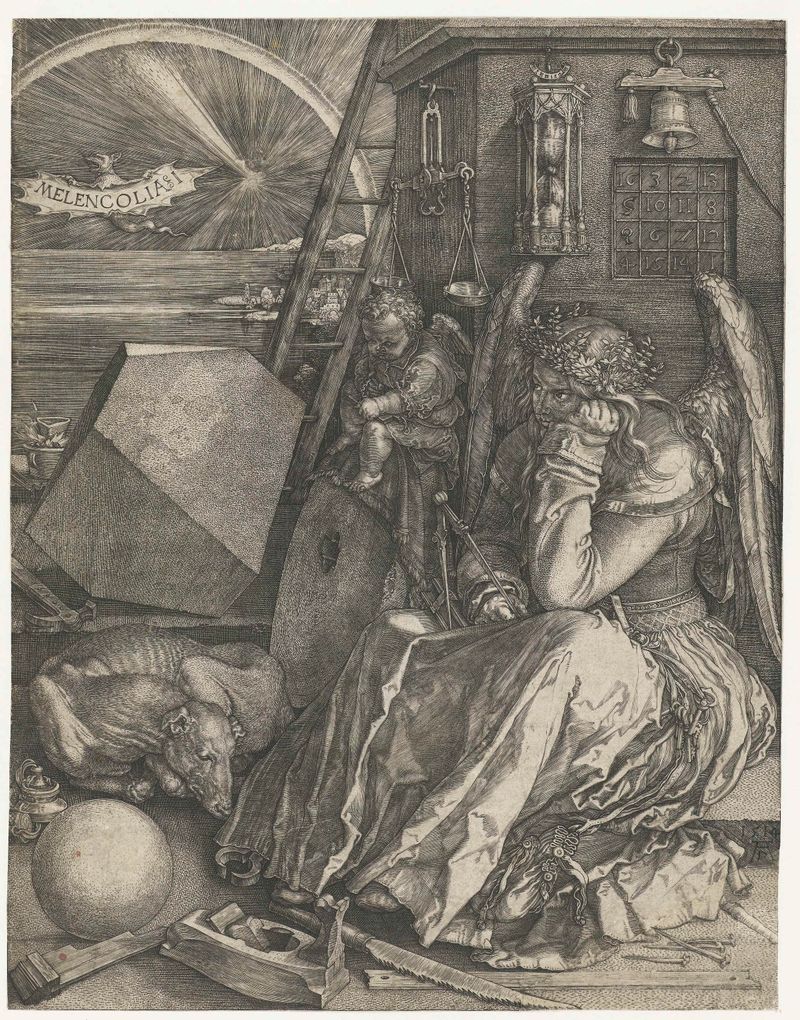
Melancholie
Albrecht Dürer
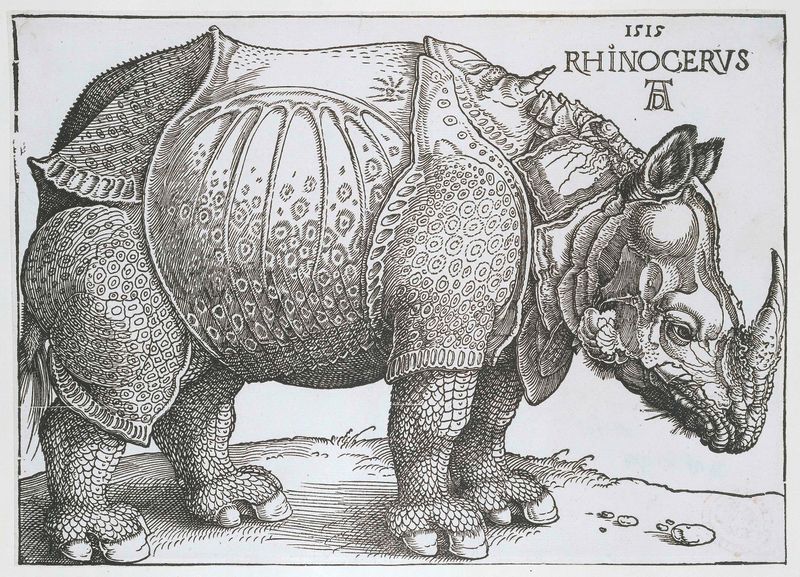
Neushoorn
Albrecht Dürer
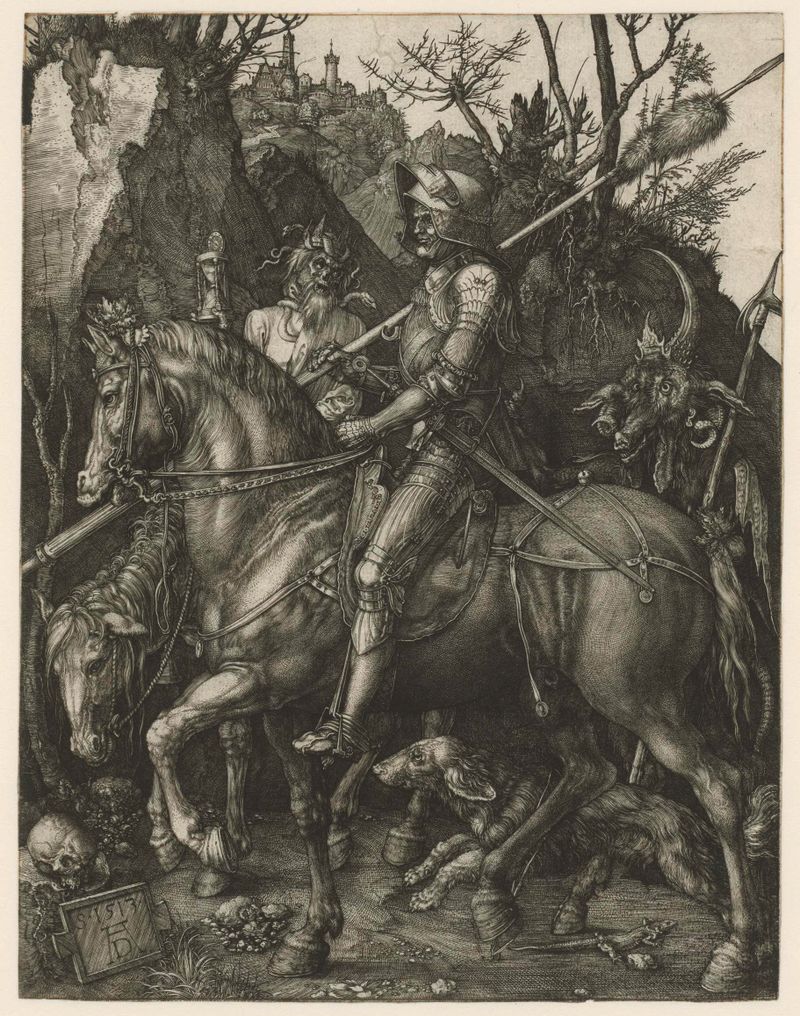
Knight, Death, and the Devil
Albrecht Dürer

De vier ruiters van de apocalyps
Albrecht Dürer

De vier ruiters van de apocalyps
Albrecht Dürer
De Heilige Hiëronymus in zijn studeervertrek
Albrecht Dürer
De Heilige Hiëronymus in zijn studeervertrek
Albrecht Dürer
De apocalyptische vrouw en de zevenkoppige draak
Albrecht Dürer
Adam en Eva
Albrecht Dürer
More Religious Art
Browse all →
The Return of the Prodigal Son
Rembrandt van Rijn

The Garden of Earthly Delights
El Bosco

Count Orgaz’ funeral
El Greco

The Hundred Guilder Print: the central piece with Christ preaching, the plate arched
Rembrandt van Rijn

The Descent from the Cross
Rogier van der Weyden

The return of the prodigal son
Rembrandt van Rijn