
De Heilige Antonius voor een stad — History & Facts
In the realm of art, the duality of existence often intertwines, revealing profound truths beneath layers of aesthetic allure. This interplay is particularly poignant in a piece that evokes the cycle of life through its intricate details and layered symbolism. Look to the center of the canvas, where the serene figure of Saint Anthony stands, draped in soft robes that seem to shimmer in a golden light. His tranquil expression contrasts sharply with the bustling urban landscape that rises behind him, a city filled with ominous architecture and figures cloaked in shadow.
Notice the meticulous brushwork of Dürer, each stroke revealing the tension between divine calm and worldly chaos, while the warm hues of gold and brown envelop the scene, inviting viewers to contemplate the harmony of faith and reality. Delve deeper, and you will uncover the layers of meaning hidden in the foreground. The saint's gaze, resolute yet compassionate, speaks to the struggle of the human spirit amidst the distractions of the material world. The city, visually imposing, represents the trials and tribulations faced by humanity, suggesting a path toward rebirth through unwavering faith.
In this contrast lies a reminder of the continuous cycle of despair and hope, where beauty emerges from suffering. Painted in 1519, this work captures Dürer at a pivotal moment in his career, during his time in Nuremberg, a city flourishing with Renaissance ideas. Having returned from his travels in Italy, Dürer synthesized classical influences with his northern roots, exploring themes of spirituality and human experience. The tumultuous political landscape of Europe was mirrored in his work, as he sought to articulate the complexities of existence through a lens of faith and artistry.
More Artworks by Albrecht Dürer
Browse all →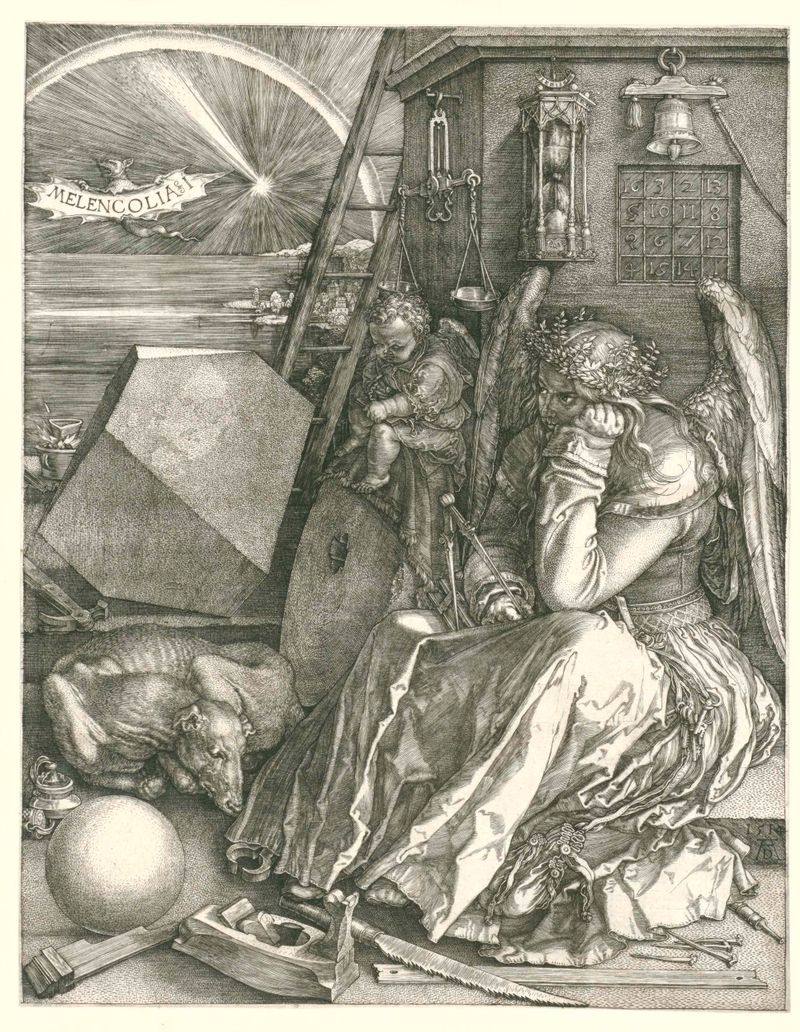
Melancholia
Albrecht Dürer
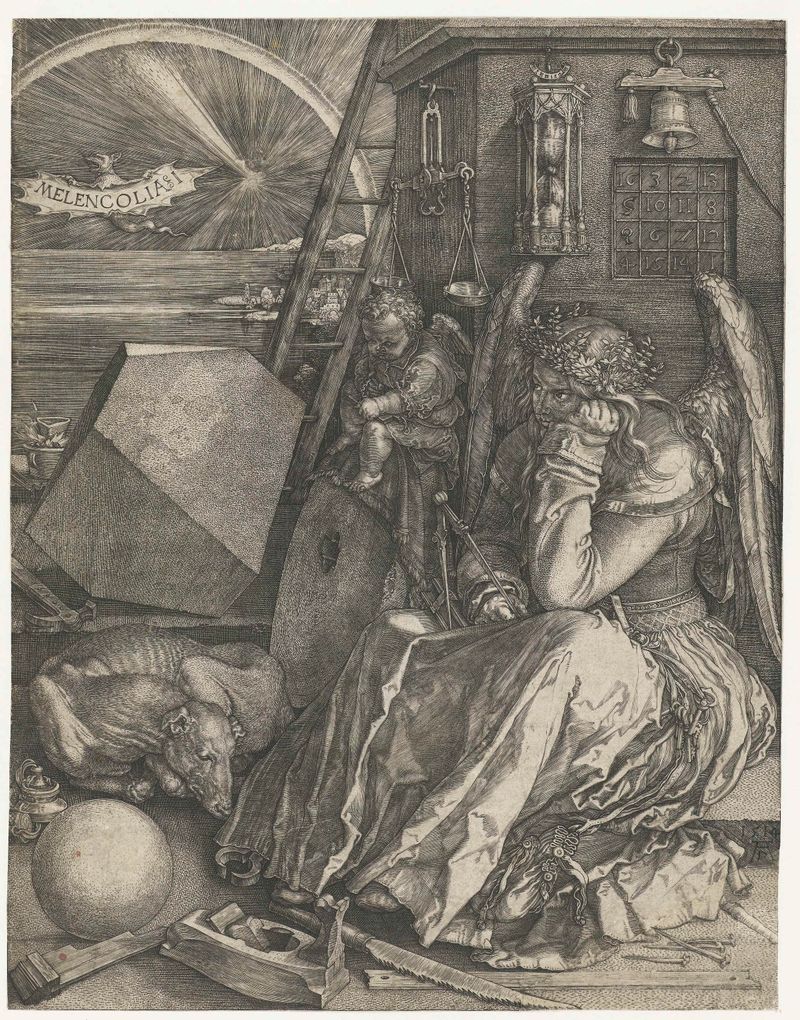
Melancholie
Albrecht Dürer
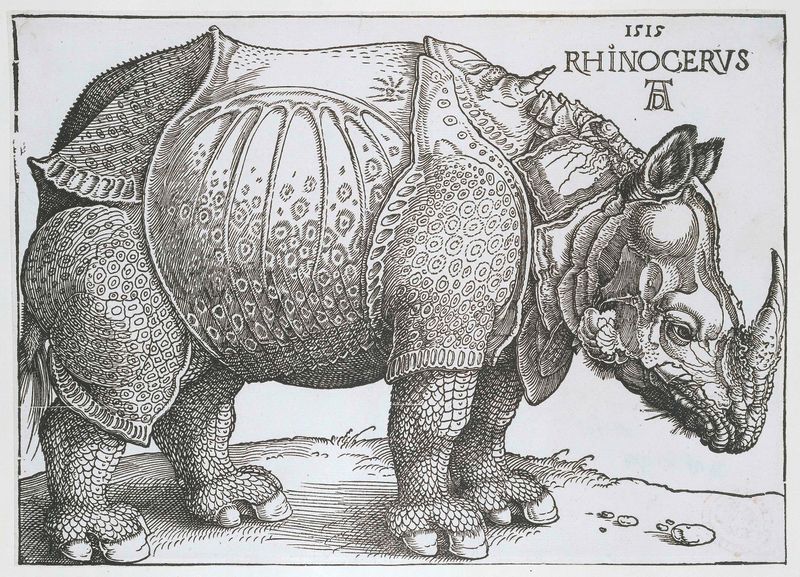
Neushoorn
Albrecht Dürer
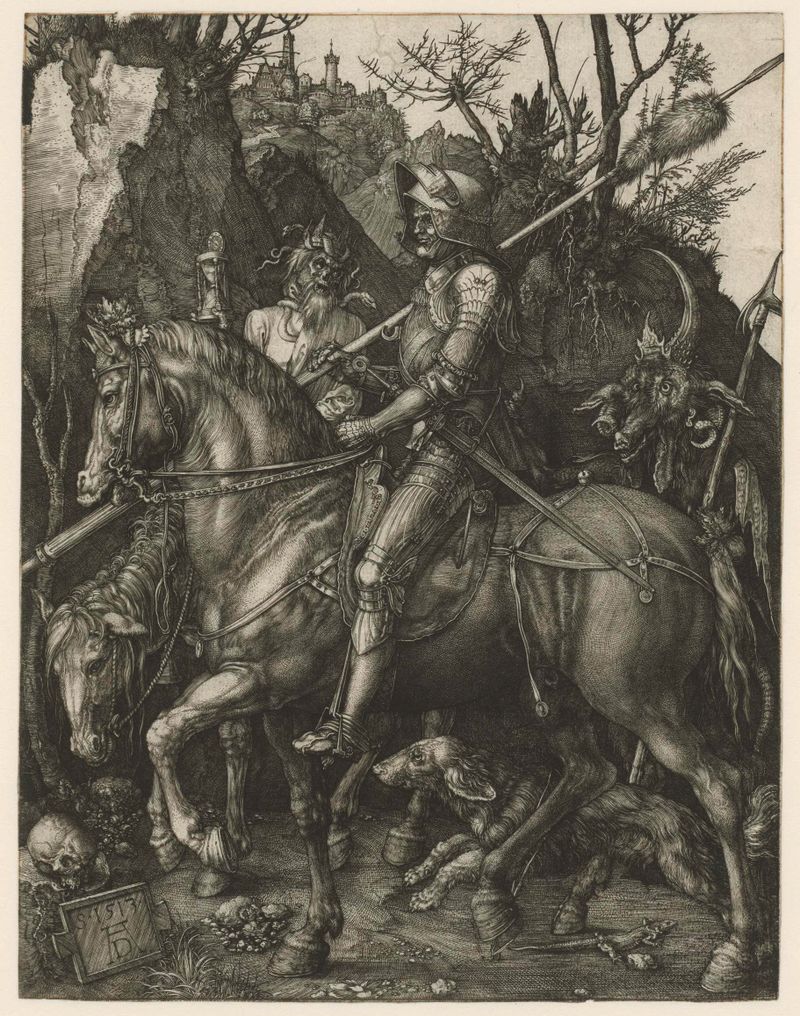
Knight, Death, and the Devil
Albrecht Dürer

De vier ruiters van de apocalyps
Albrecht Dürer

De vier ruiters van de apocalyps
Albrecht Dürer
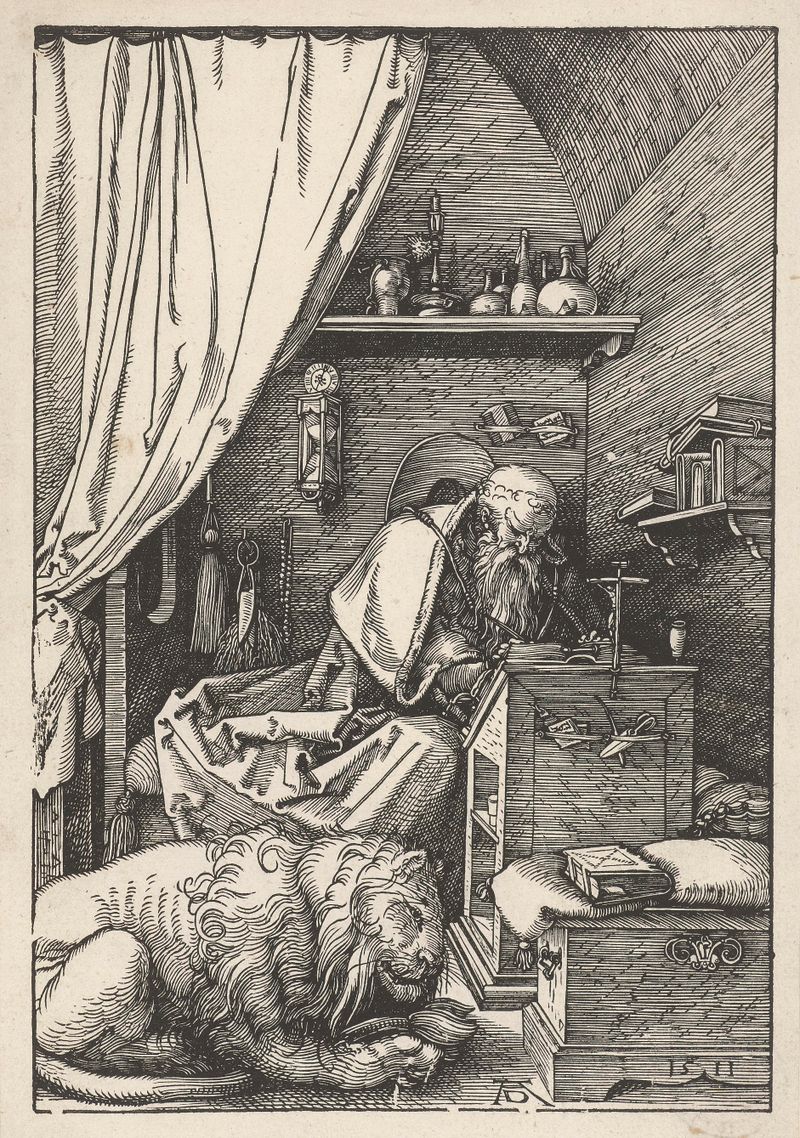
De Heilige Hiëronymus in zijn studeervertrek
Albrecht Dürer
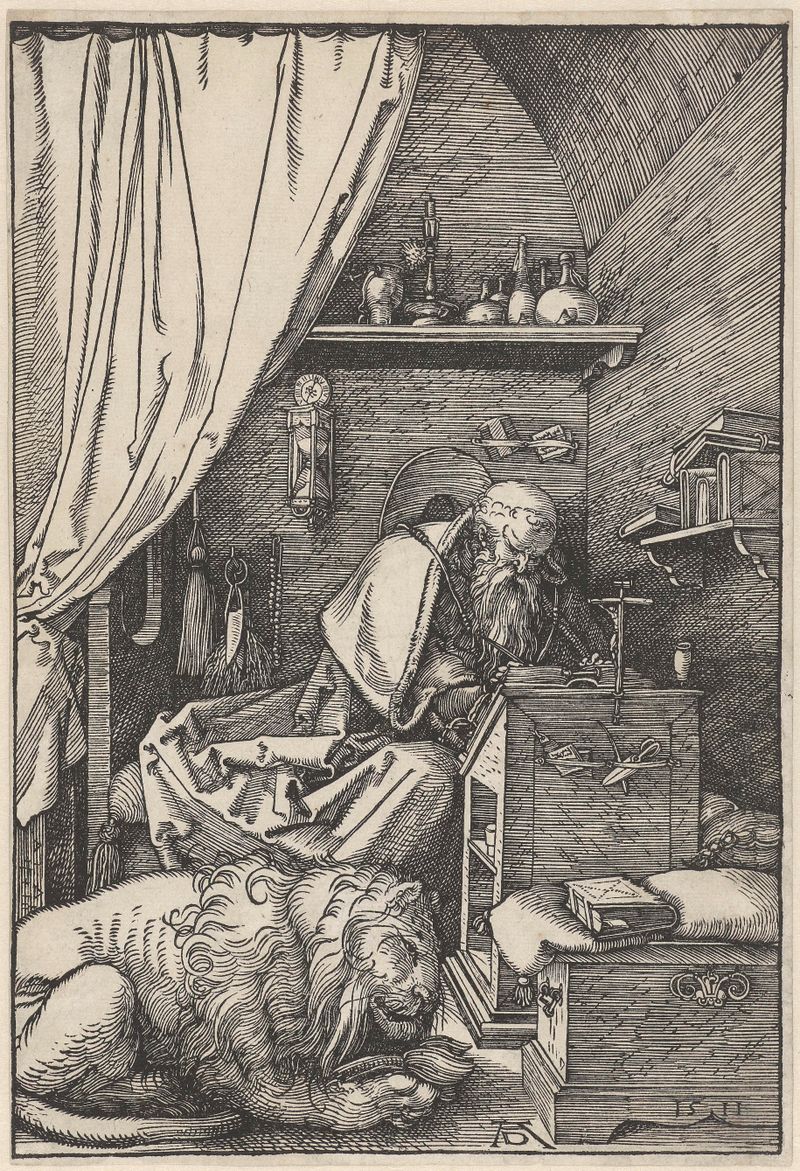
De Heilige Hiëronymus in zijn studeervertrek
Albrecht Dürer
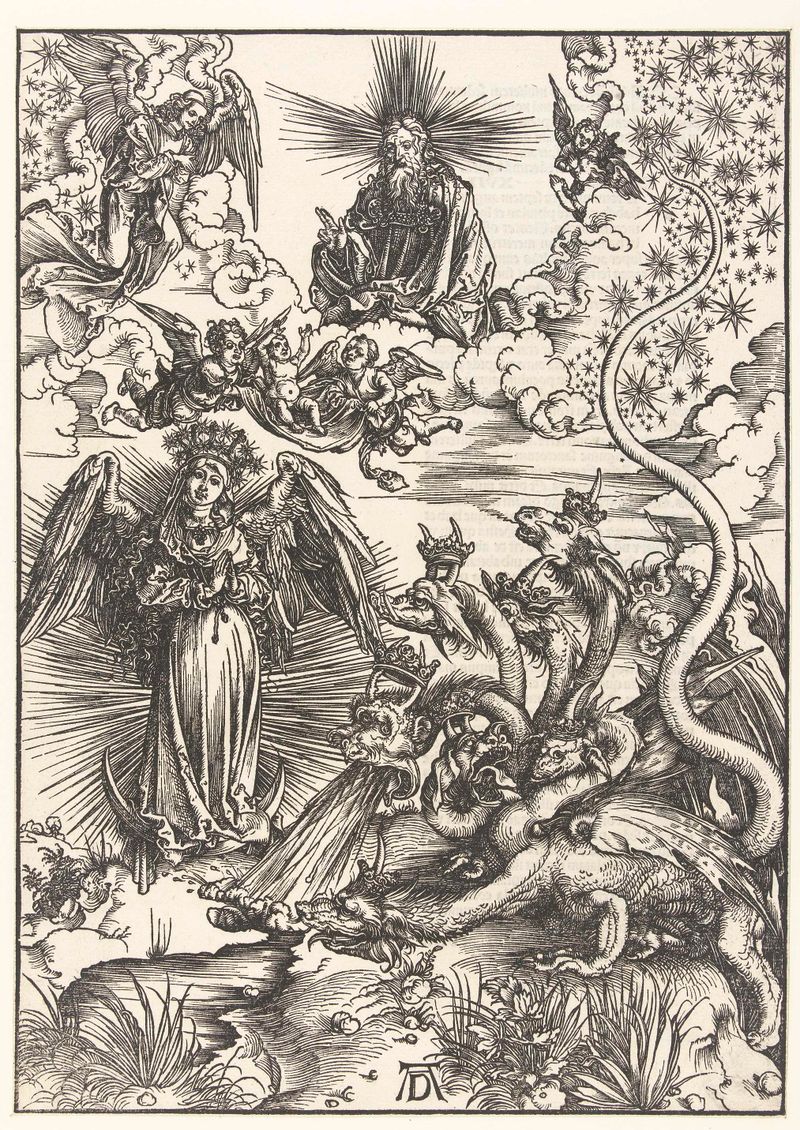
De apocalyptische vrouw en de zevenkoppige draak
Albrecht Dürer
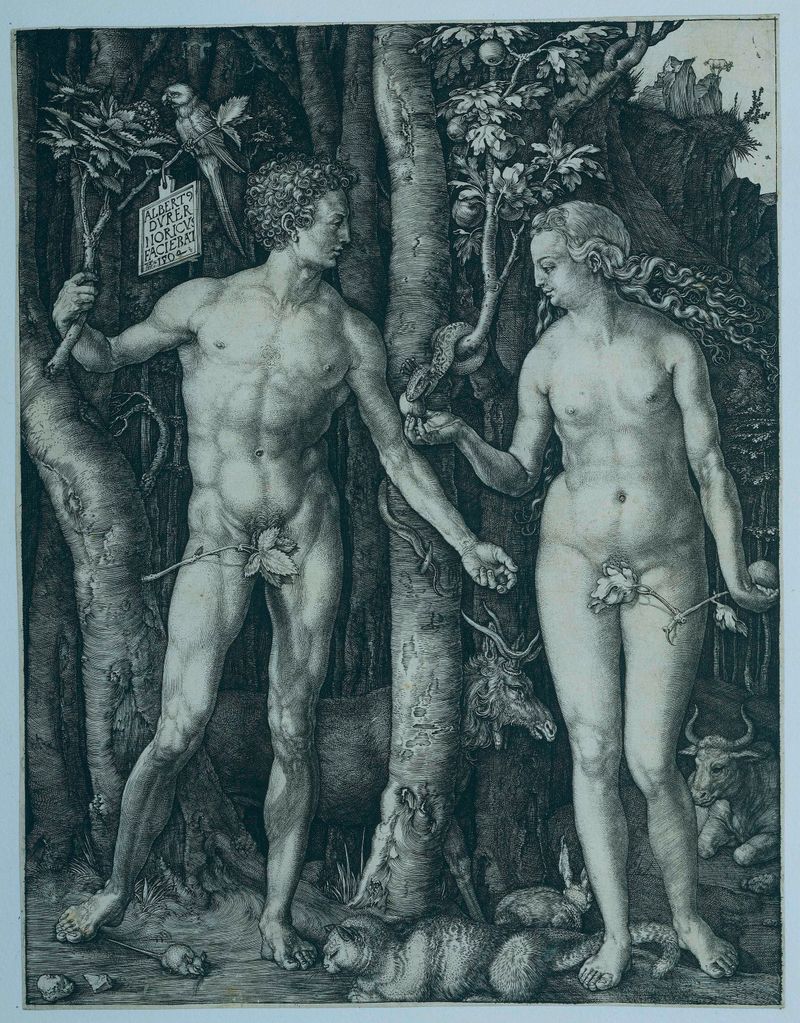
Adam en Eva
Albrecht Dürer
More Religious Art
Browse all →
The Return of the Prodigal Son
Rembrandt van Rijn

The Garden of Earthly Delights
El Bosco

Count Orgaz’ funeral
El Greco

The Hundred Guilder Print: the central piece with Christ preaching, the plate arched
Rembrandt van Rijn

The Descent from the Cross
Rogier van der Weyden

The return of the prodigal son
Rembrandt van Rijn