
De Heilige Antonius voor een stad — History & Facts
In De Heilige Antonius voor een stad, Dürer captures a moment laden with obsession, where faith and the weight of the past collide in a city that seems to hold its breath. Look to the left at the figure of St. Anthony, his expression a study in contemplation, radiating both humility and resolve. Notice how the folds of his robe cascade elegantly down, rendered with meticulous detail.
The light falls gently upon his face, illuminating the softness that belies the gravity of his task. To the right, the sprawling cityscape invites the viewer's gaze, its architecture a blend of rationale and reverence, mirroring the duality of existence itself. Yet, look closer and you’ll find a tension brewing—the stark contrast between the serene figure and the bustling city. St.
Anthony's solitary stance hints at an internal struggle, a man wrestling with his thoughts while surrounded by the relentless demands of urban life. The vibrant colors of the city juxtapose with the muted tones of Anthony's attire, suggesting a rift between earthly concerns and spiritual pursuits. In this tension lies the essence of obsession, a desire to grasp the divine amid mortal chaos. Dürer painted De Heilige Antonius voor een stad in 1519 during a time of significant personal and societal upheaval.
He was deeply immersed in the Renaissance, a period marked by the intersection of humanism and religious fervor. At this juncture, Dürer was reflecting on his own beliefs and the changing landscape of art, grappling with how to convey complex emotions through his work amidst a world teetering on the brink of transformation.
More Artworks by Albrecht Dürer
Browse all →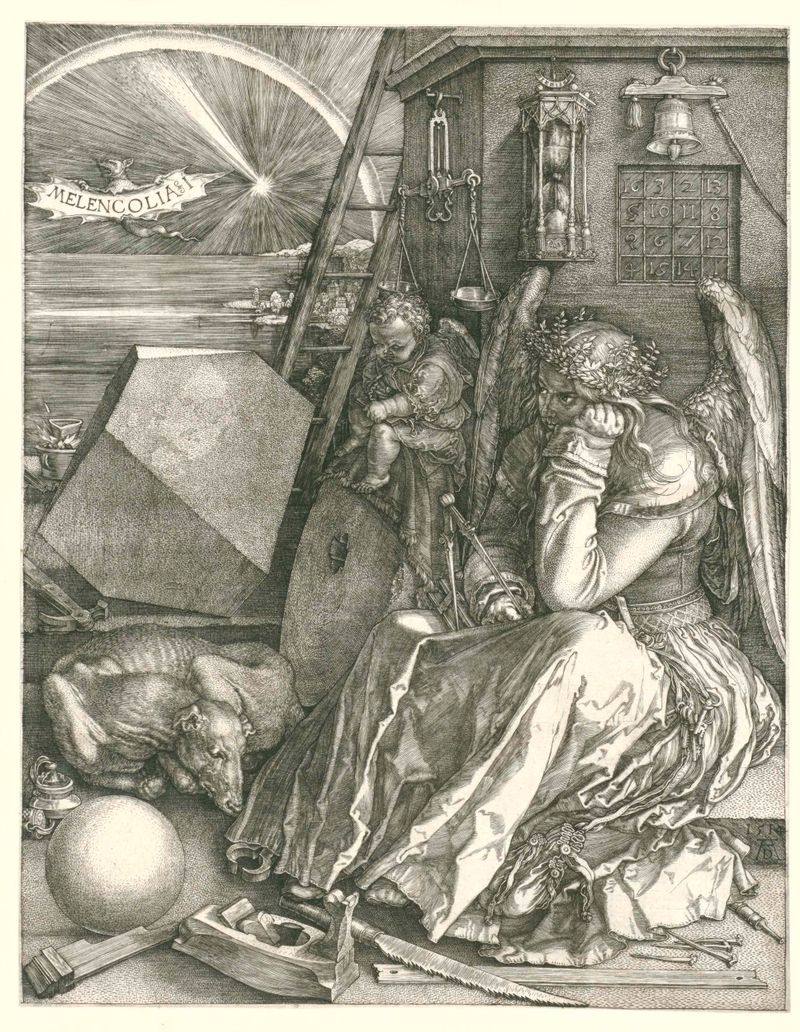
Melancholia
Albrecht Dürer
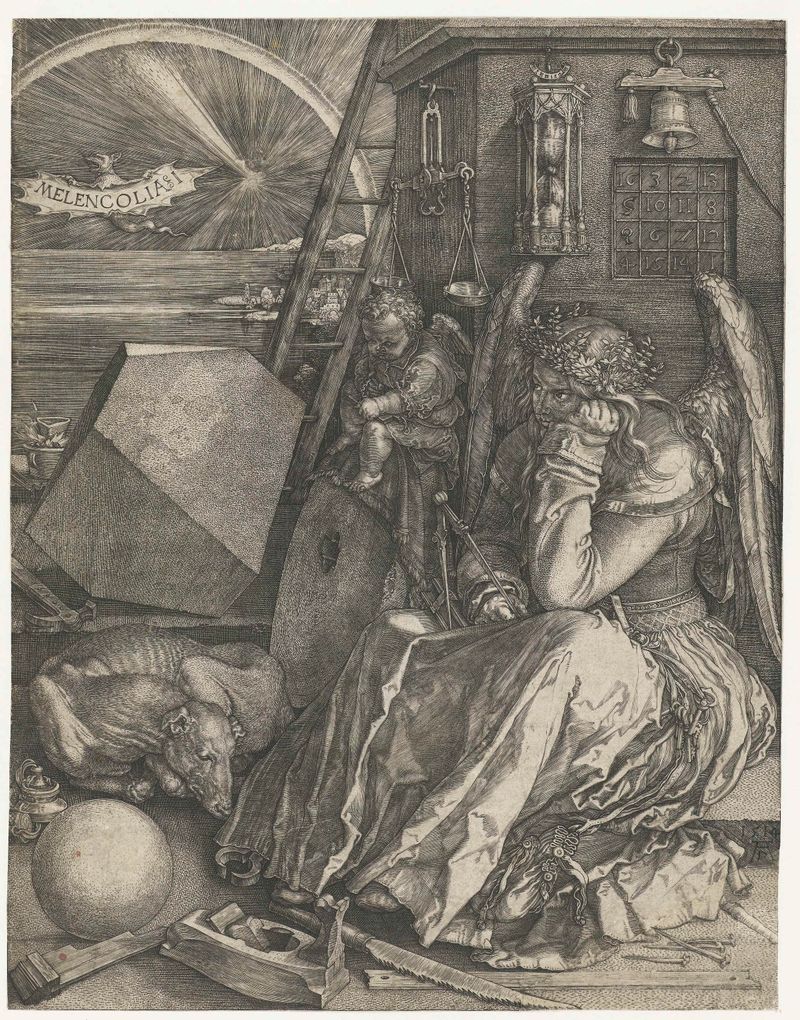
Melancholie
Albrecht Dürer

Neushoorn
Albrecht Dürer
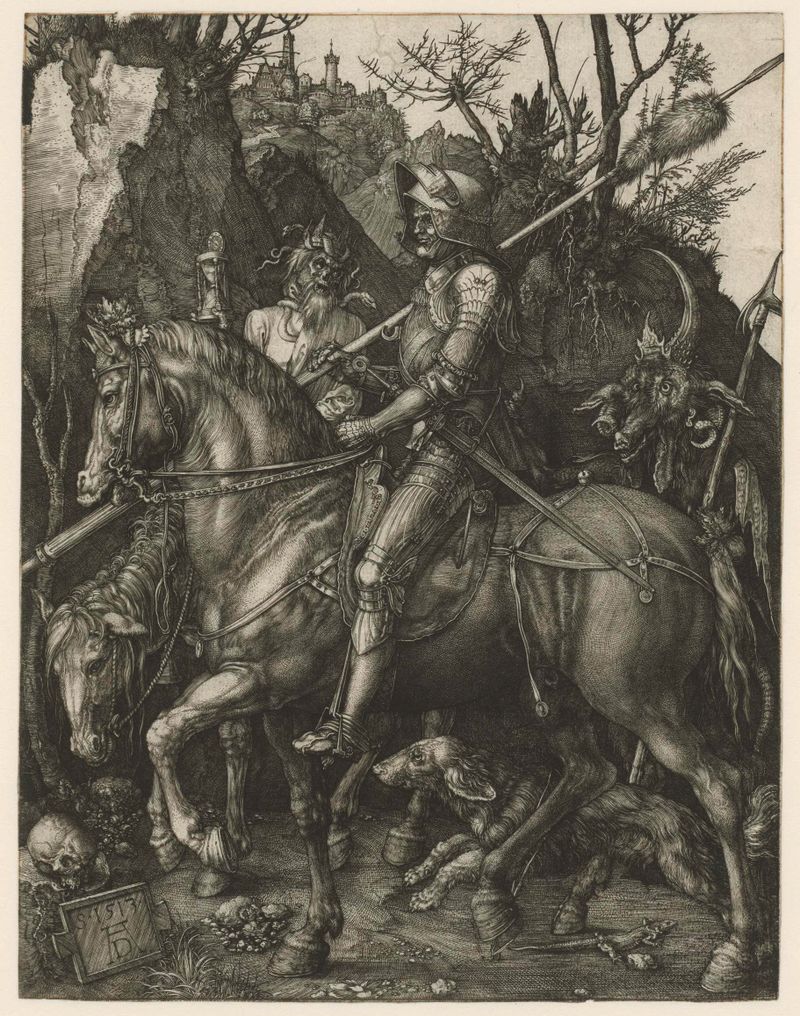
Knight, Death, and the Devil
Albrecht Dürer

De vier ruiters van de apocalyps
Albrecht Dürer

De vier ruiters van de apocalyps
Albrecht Dürer
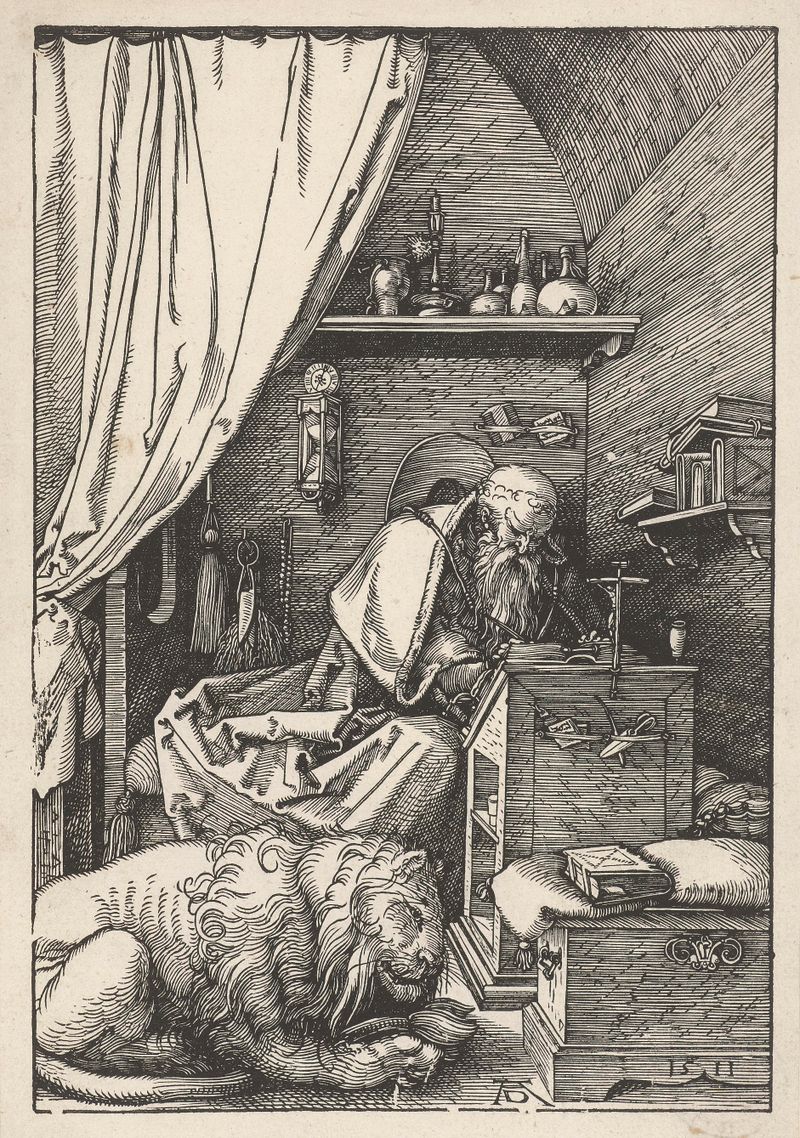
De Heilige Hiëronymus in zijn studeervertrek
Albrecht Dürer
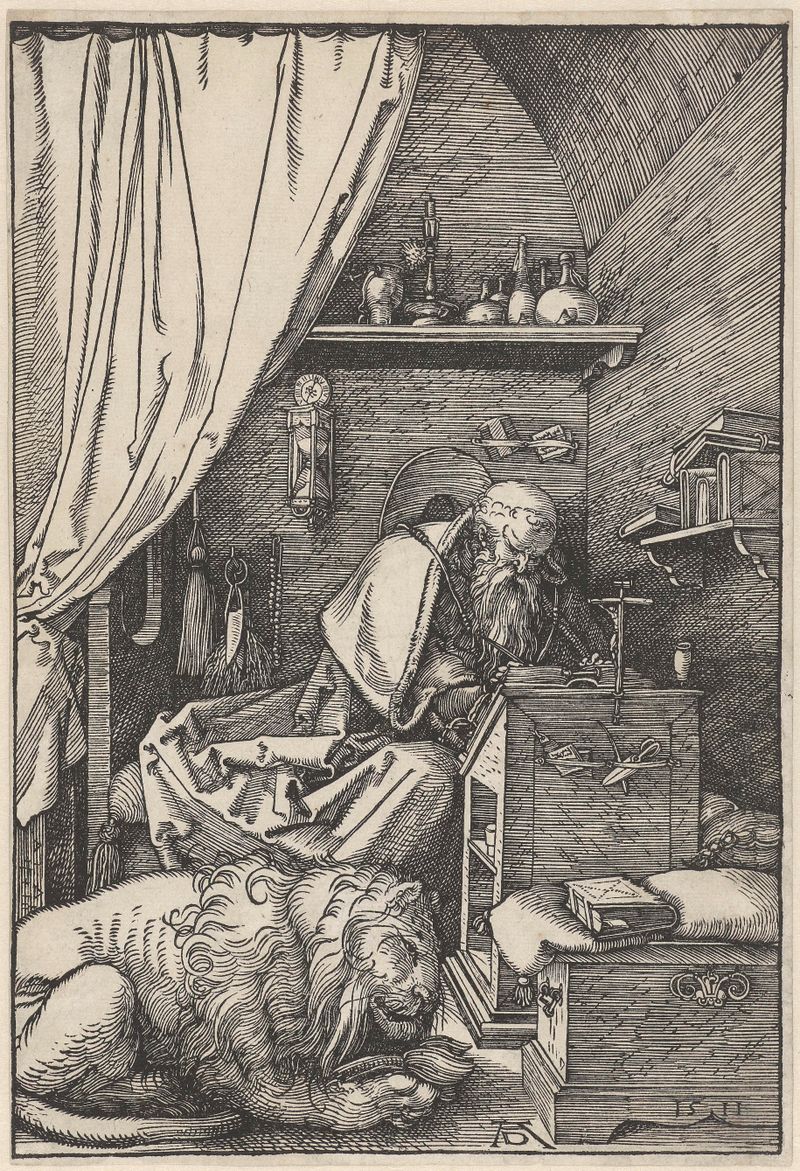
De Heilige Hiëronymus in zijn studeervertrek
Albrecht Dürer
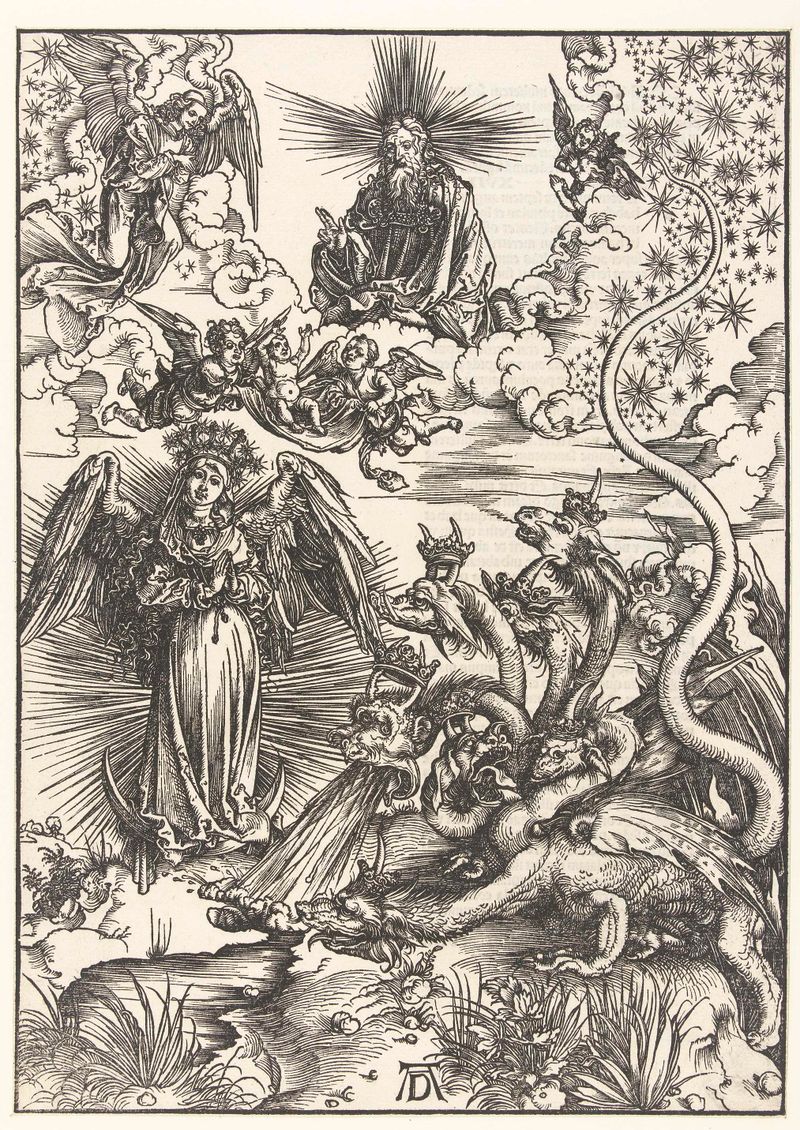
De apocalyptische vrouw en de zevenkoppige draak
Albrecht Dürer
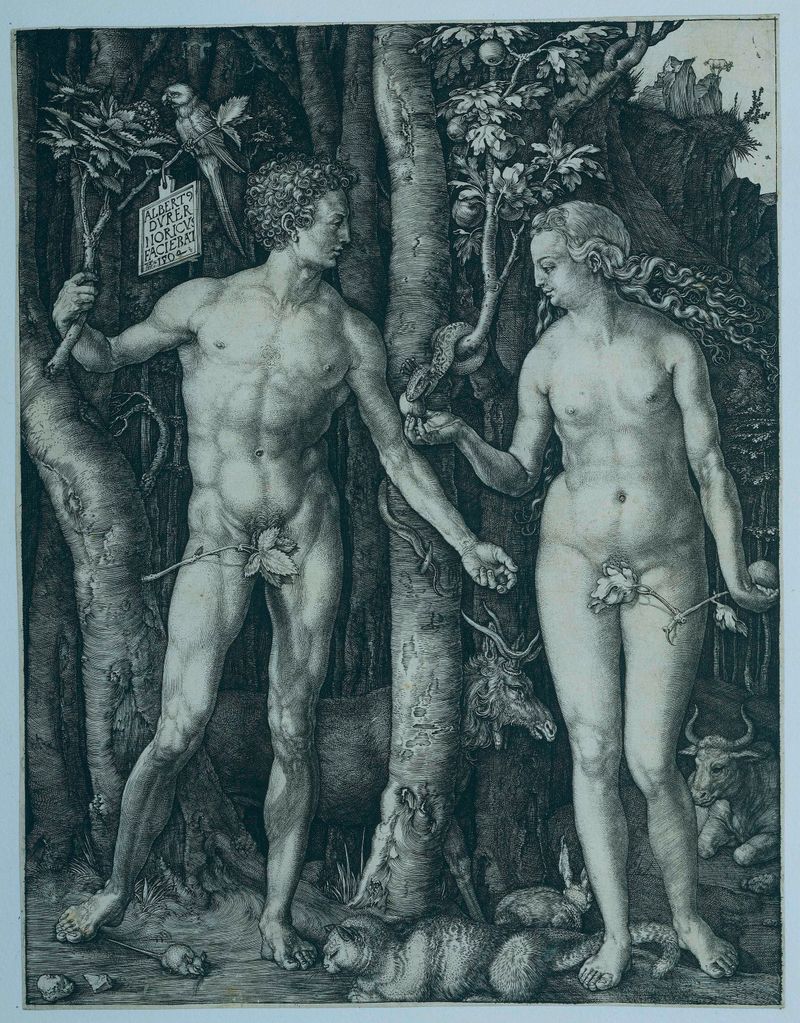
Adam en Eva
Albrecht Dürer
More Religious Art
Browse all →
The Return of the Prodigal Son
Rembrandt van Rijn

The Garden of Earthly Delights
El Bosco

Count Orgaz’ funeral
El Greco

The Hundred Guilder Print: the central piece with Christ preaching, the plate arched
Rembrandt van Rijn

The Descent from the Cross
Rogier van der Weyden

The return of the prodigal son
Rembrandt van Rijn