
De Heilige Christoffel draagt het Christuskind — History & Facts
In De Heilige Christoffel draagt het Christuskind, Albrecht Dürer captures this duality, weaving themes of rebirth with a touch of the sacred. The painting draws the viewer into a world where faith transcends suffering, encapsulating a moment where the divine carries the weight of humanity. Look to the figure of St. Christopher at the center, robust and noble, his muscular frame enveloping the Christ Child.
Notice how the light casts a gentle glow on the child’s serene face, illuminating innocence against the tumultuous backdrop. The intricate details in Dürer’s brushwork reveal a mastery of texture—each fold in Christopher’s robe, each strand of his hair, rendered with a precision that invites you to explore the depth of the scene. The rich color palette, dominated by earthy tones and vibrant golds, heightens the sense of both majesty and humility. Beneath this serene exterior lies a tension—the strength of St.
Christopher juxtaposed against the vulnerability of the Christ Child. This contrast speaks to the myriad of burdens carried in the name of faith; Christopher, often revered for his protection of travelers, becomes a vessel of hope and sacrifice. The painting invites contemplation of the cycles of life and death, rebirth and redemption—what is the cost of carrying such a precious burden? Created in 1511, this piece emerged during a period of great change in Europe, marked by the onset of the Reformation.
Dürer, based in Nuremberg, was at the forefront of the Northern Renaissance, navigating his own artistic evolution while grappling with a society in flux. His work not only reflects personal conviction but also a broader exploration of spirituality and human experience, resonating with viewers in a time rife with both turmoil and transformation.
More Artworks by Albrecht Dürer
Browse all →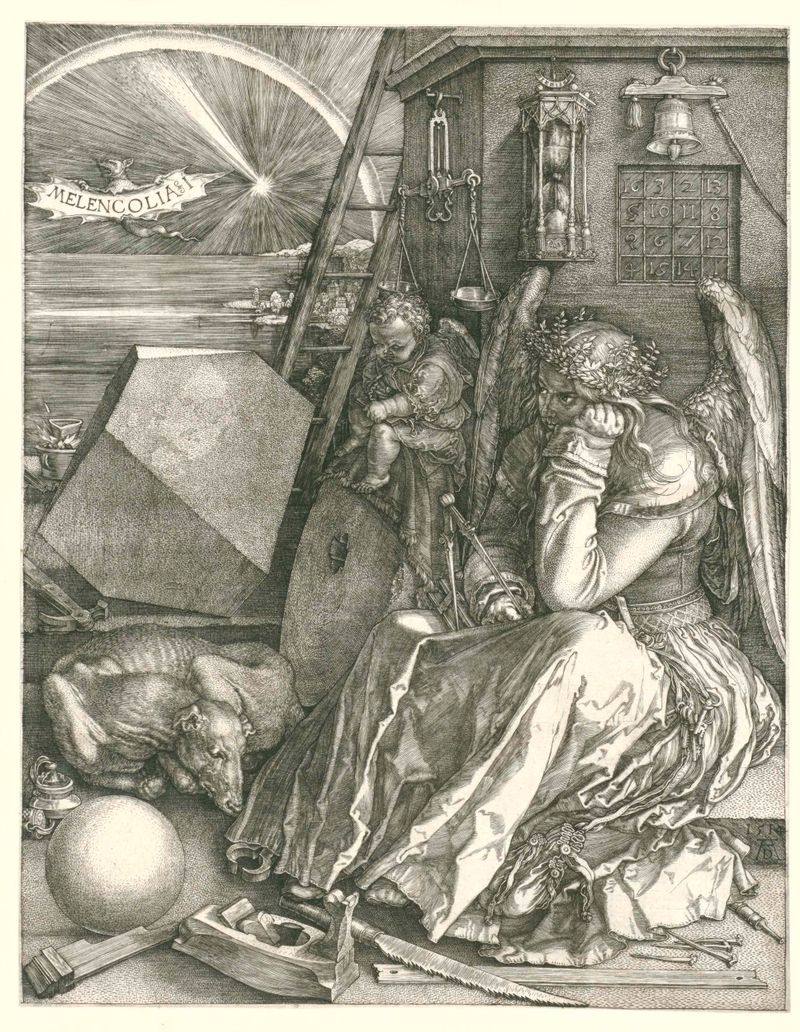
Melancholia
Albrecht Dürer
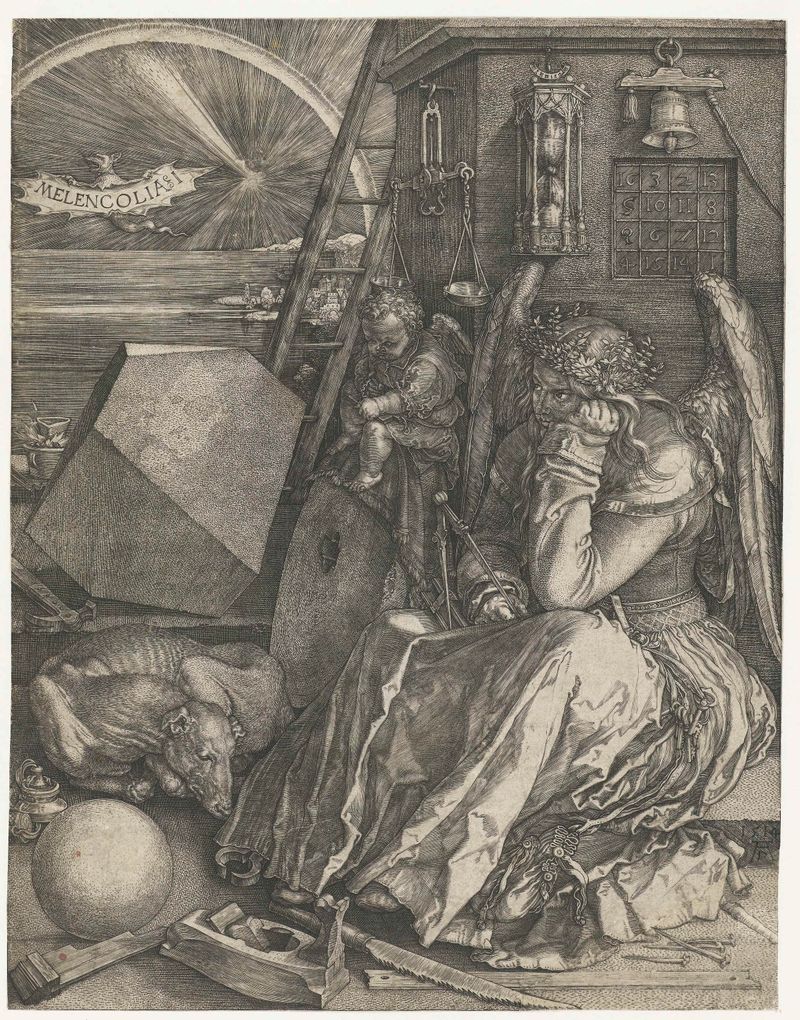
Melancholie
Albrecht Dürer

Neushoorn
Albrecht Dürer
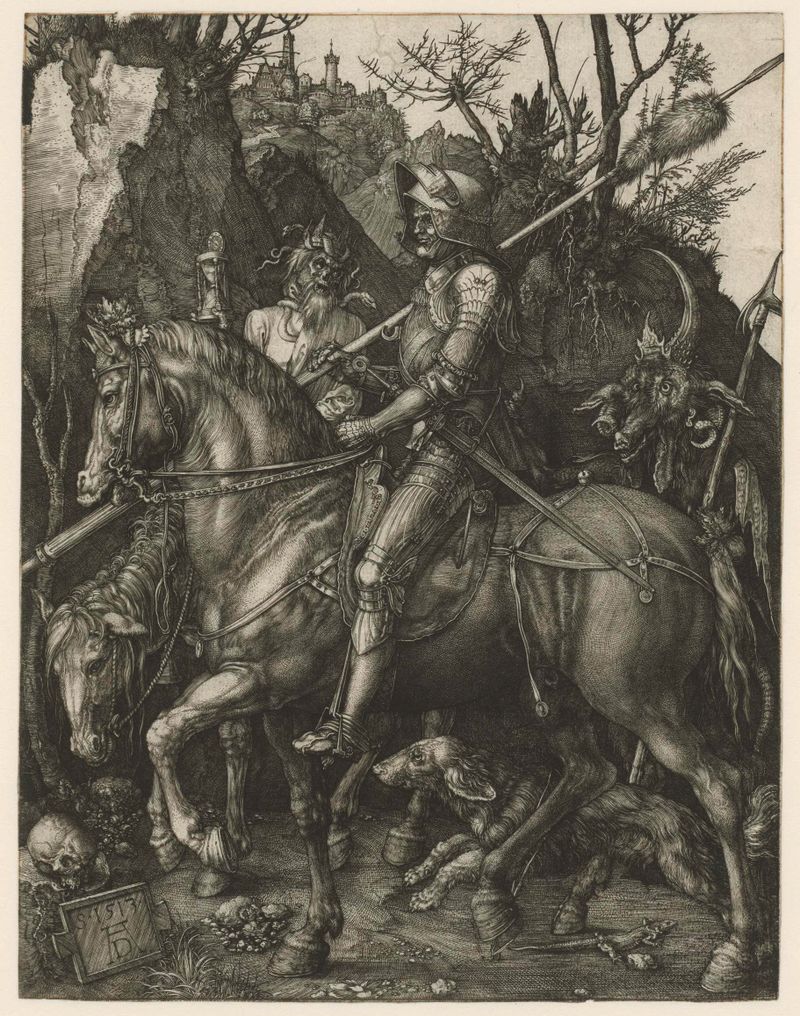
Knight, Death, and the Devil
Albrecht Dürer

De vier ruiters van de apocalyps
Albrecht Dürer

De vier ruiters van de apocalyps
Albrecht Dürer
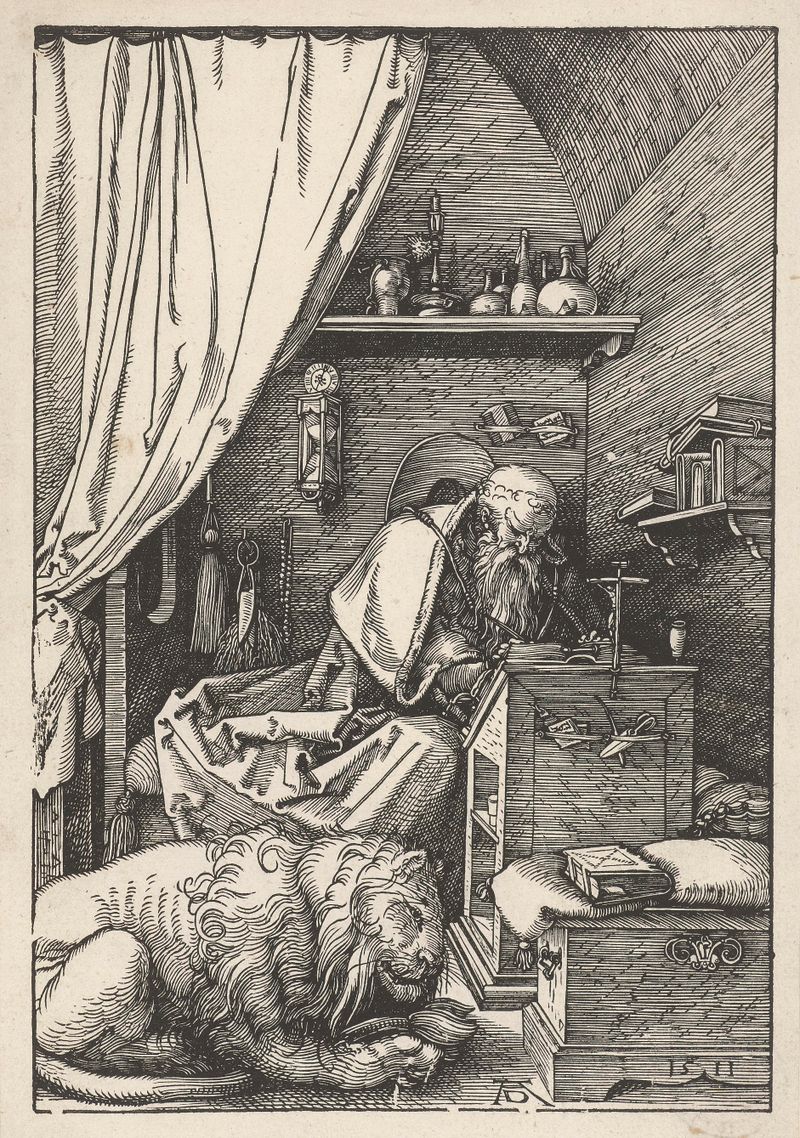
De Heilige Hiëronymus in zijn studeervertrek
Albrecht Dürer
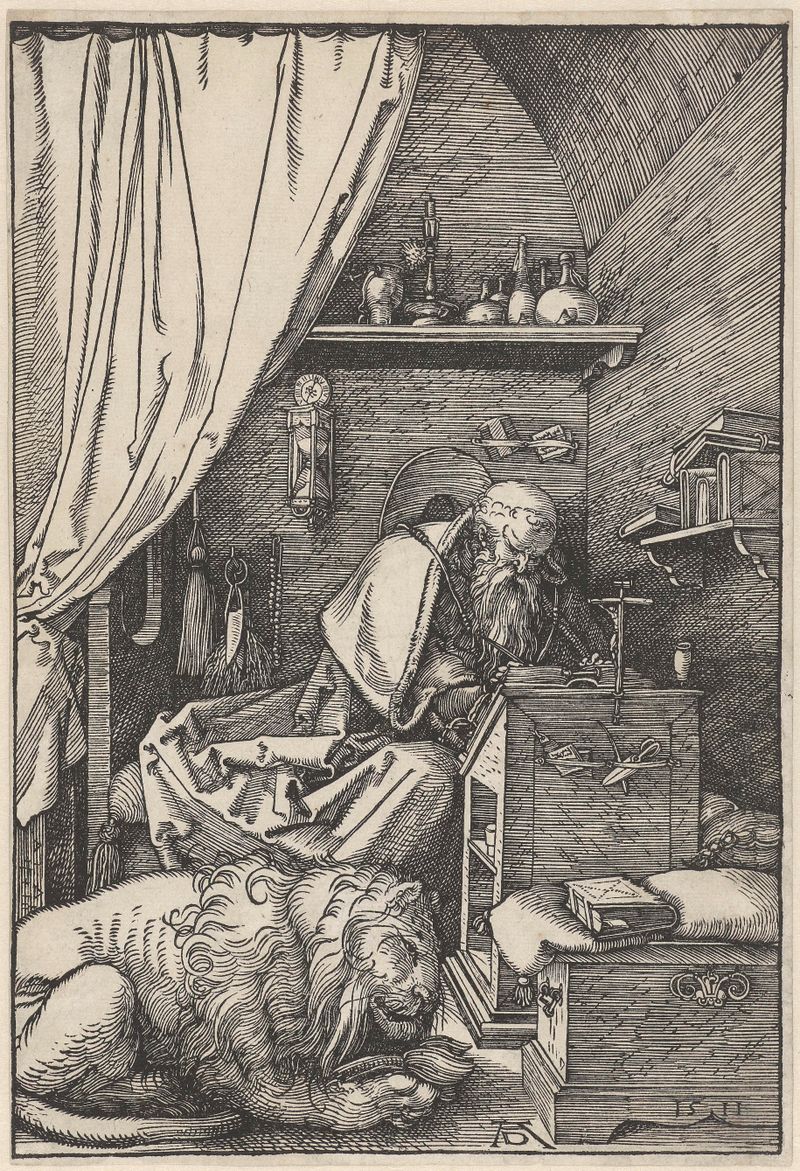
De Heilige Hiëronymus in zijn studeervertrek
Albrecht Dürer
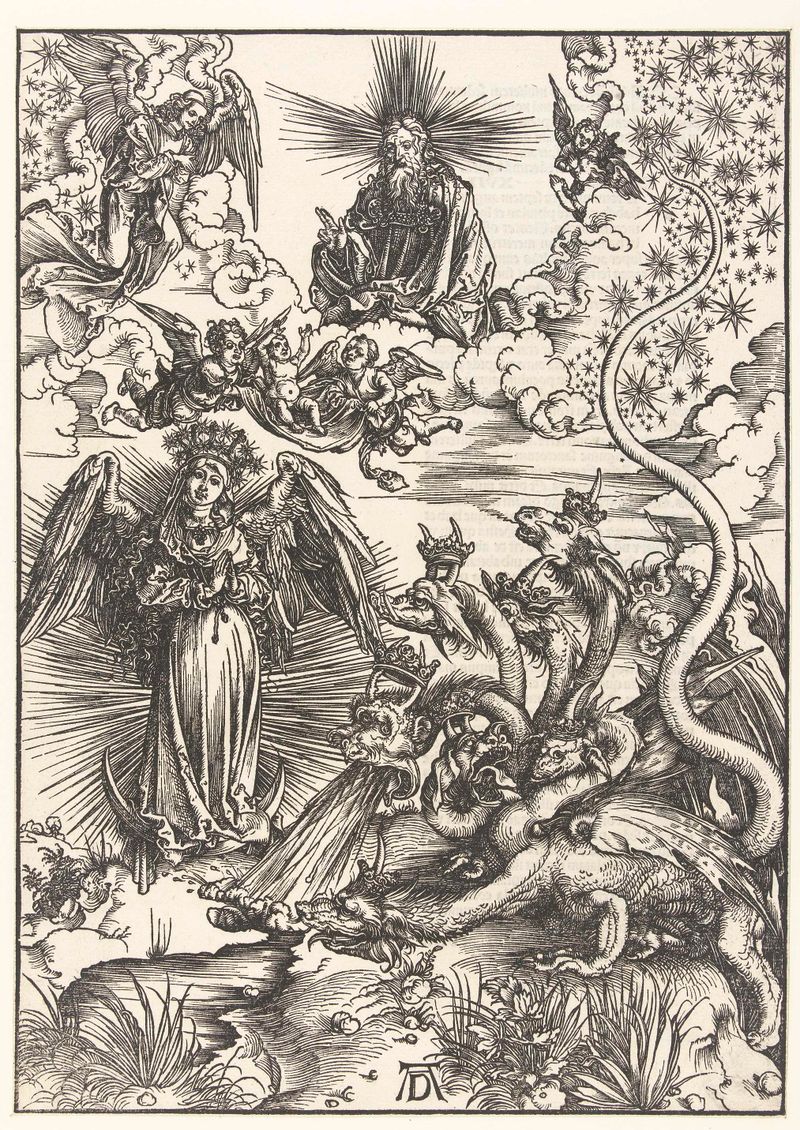
De apocalyptische vrouw en de zevenkoppige draak
Albrecht Dürer
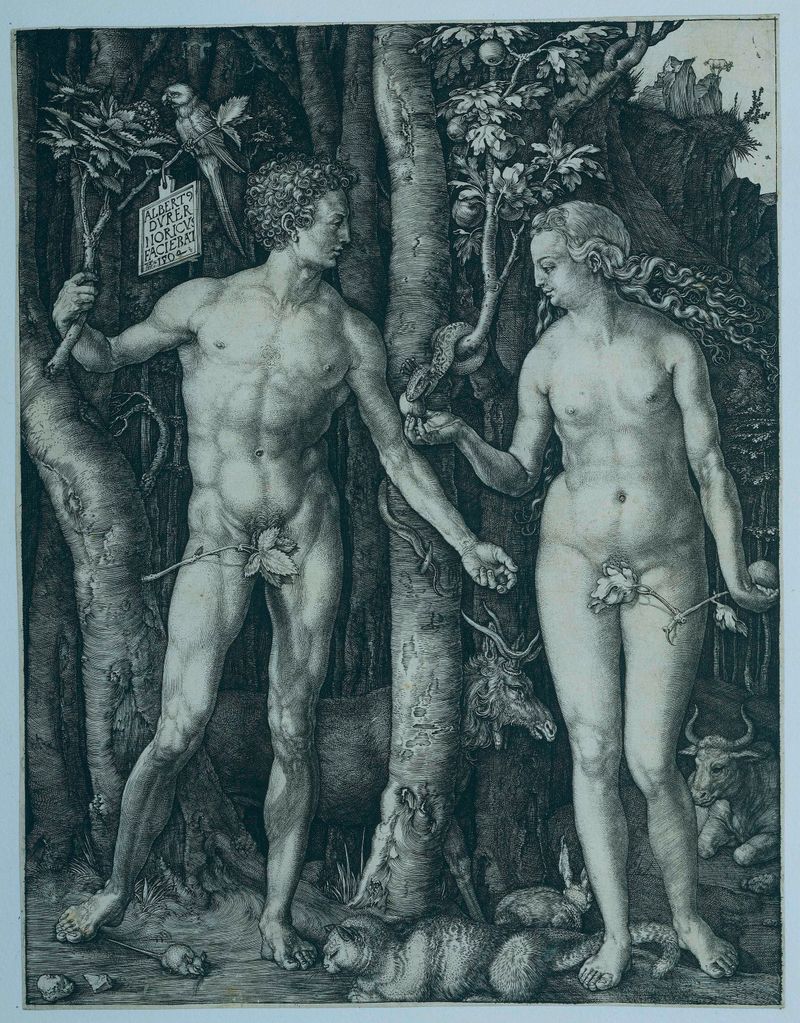
Adam en Eva
Albrecht Dürer
More Religious Art
Browse all →
The Return of the Prodigal Son
Rembrandt van Rijn

The Garden of Earthly Delights
El Bosco

Count Orgaz’ funeral
El Greco

The Hundred Guilder Print: the central piece with Christ preaching, the plate arched
Rembrandt van Rijn

The Descent from the Cross
Rogier van der Weyden

The return of the prodigal son
Rembrandt van Rijn