
De Heilige Familie in Egypte — History & Facts
In the heart of every artwork lies an emptiness waiting to be filled with vision and spirit, and Albrecht Dürer’s De Heilige Familie in Egypte exemplifies this transformative power. Focus on the figures at the center of the composition, where Mary, Joseph, and the infant Christ appear in a tender moment of quietude. The delicate lines of their robes, rendered with exquisite detail, draw the eye immediately. Notice how the warm hues of earthy browns and muted greens envelop them, creating a sanctuary amidst the surrounding chaos.
The play of light across their faces speaks to grace and reverence, illuminating the sacredness of this familial bond. Yet beneath this serene surface lies a profound tension. The surrounding landscape feels vast and empty, echoing the solitude of their journey into Egypt. The gentle gestures of the figures contrast sharply with the stillness of the background, hinting at an underlying anxiety of exile and displacement.
Dürer captures the fragile sanctity of their togetherness against a world that feels both nurturing and threatening, a duality that resonates deeply within the viewer’s heart. Created between 1500 and 1504, this work emerged during a time of personal turmoil for Dürer, as he navigated the changing landscape of art and politics in Northern Europe. The Renaissance was in full bloom, and the artist sought to merge the traditions of Italian masters with the emerging Northern European sensibilities. In this painting, he not only articulates a biblical narrative but also addresses the universal themes of family, safety, and the human condition through meticulously crafted detail and profound emotional depth.
More Artworks by Albrecht Dürer
Browse all →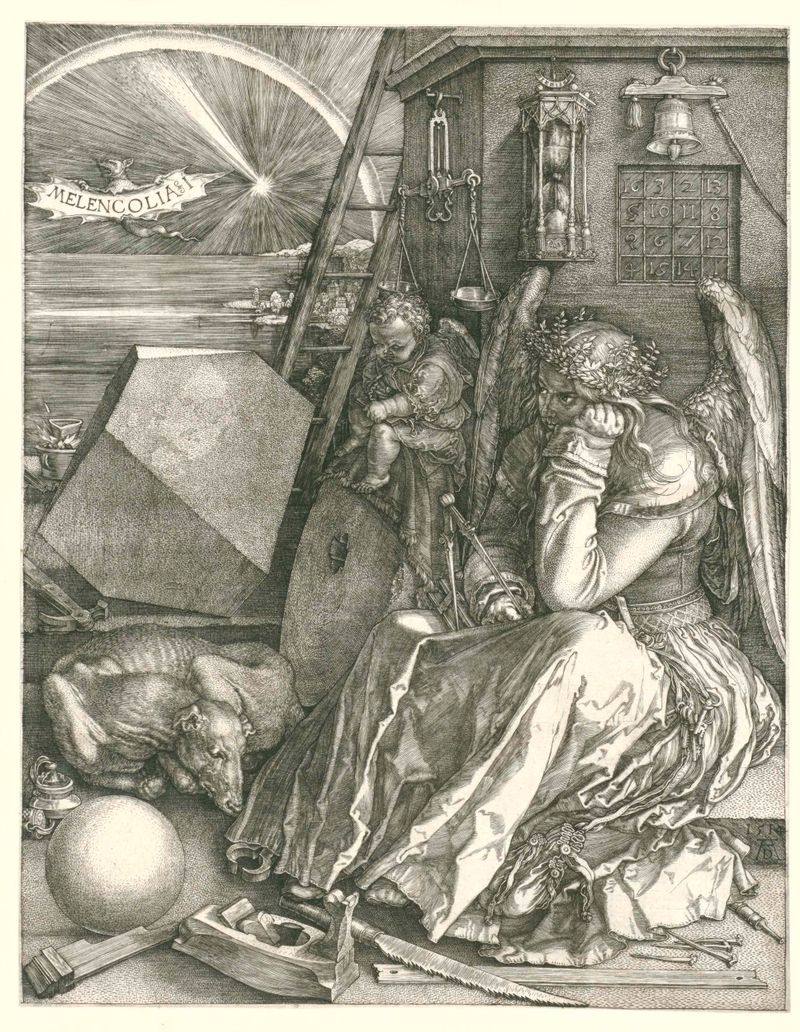
Melancholia
Albrecht Dürer
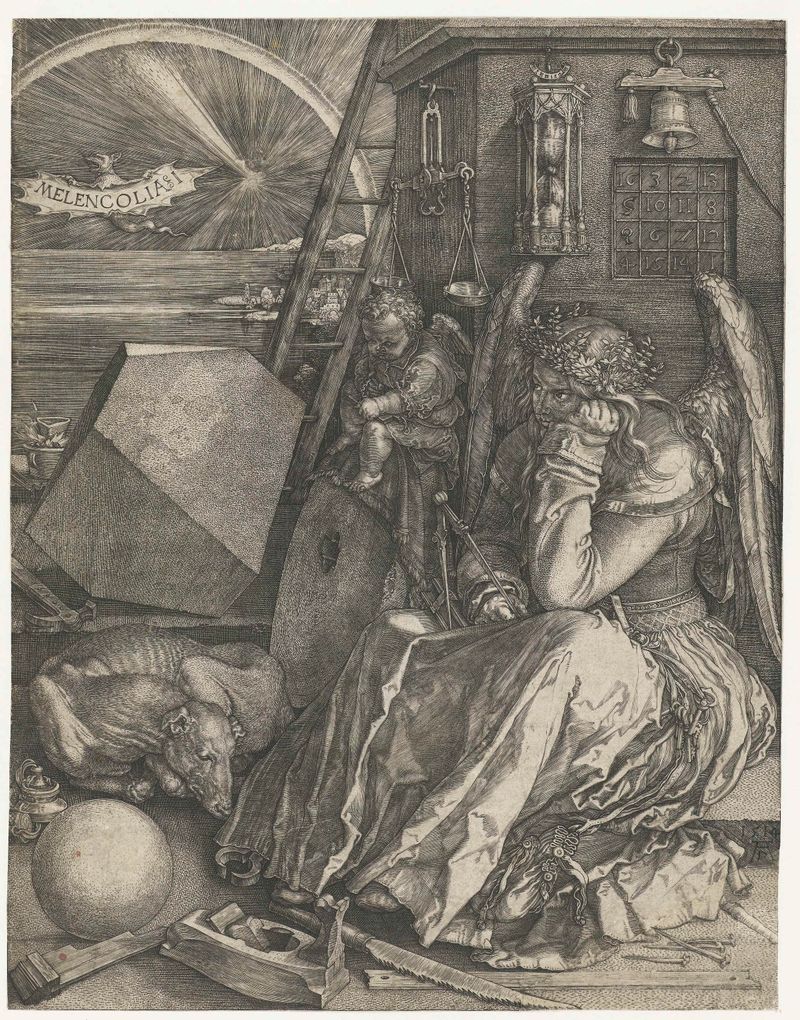
Melancholie
Albrecht Dürer

Neushoorn
Albrecht Dürer
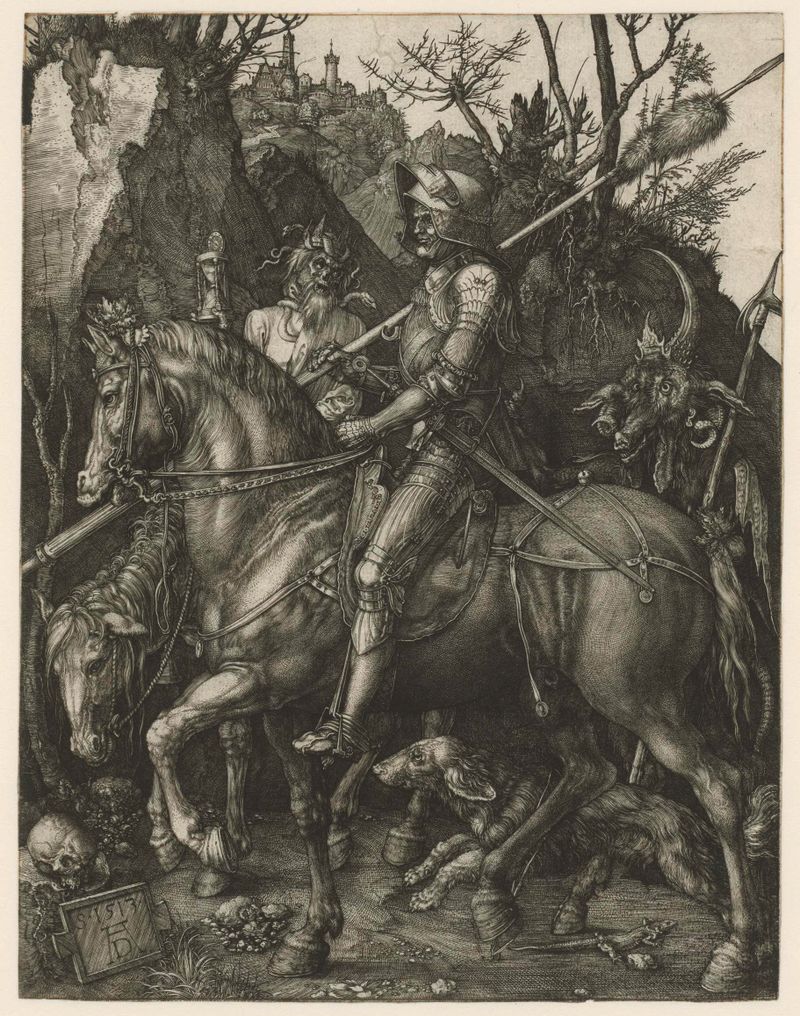
Knight, Death, and the Devil
Albrecht Dürer

De vier ruiters van de apocalyps
Albrecht Dürer

De vier ruiters van de apocalyps
Albrecht Dürer
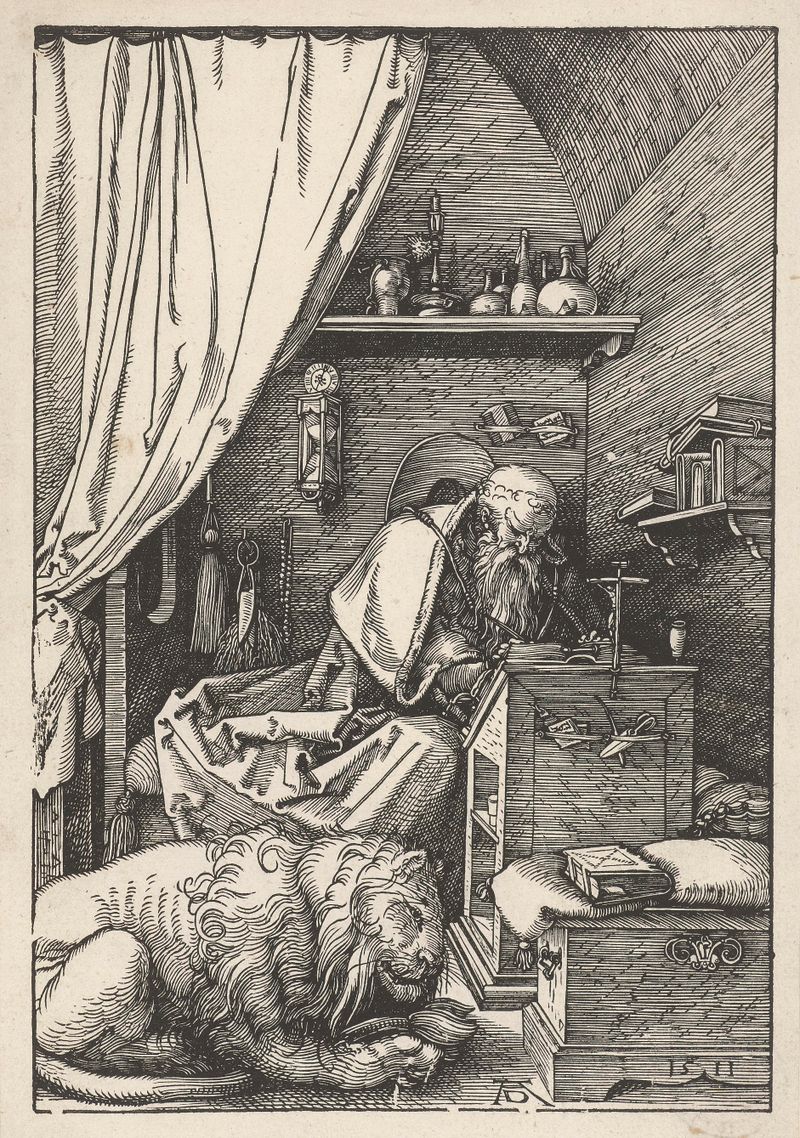
De Heilige Hiëronymus in zijn studeervertrek
Albrecht Dürer
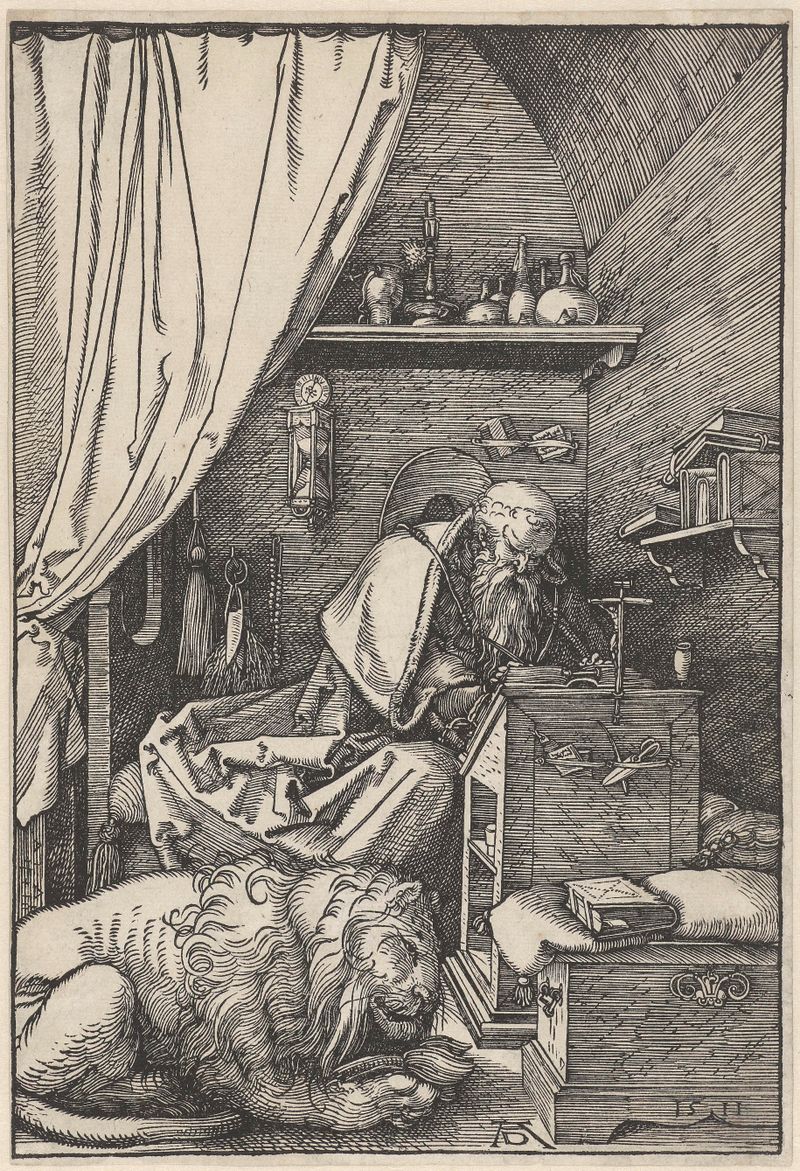
De Heilige Hiëronymus in zijn studeervertrek
Albrecht Dürer
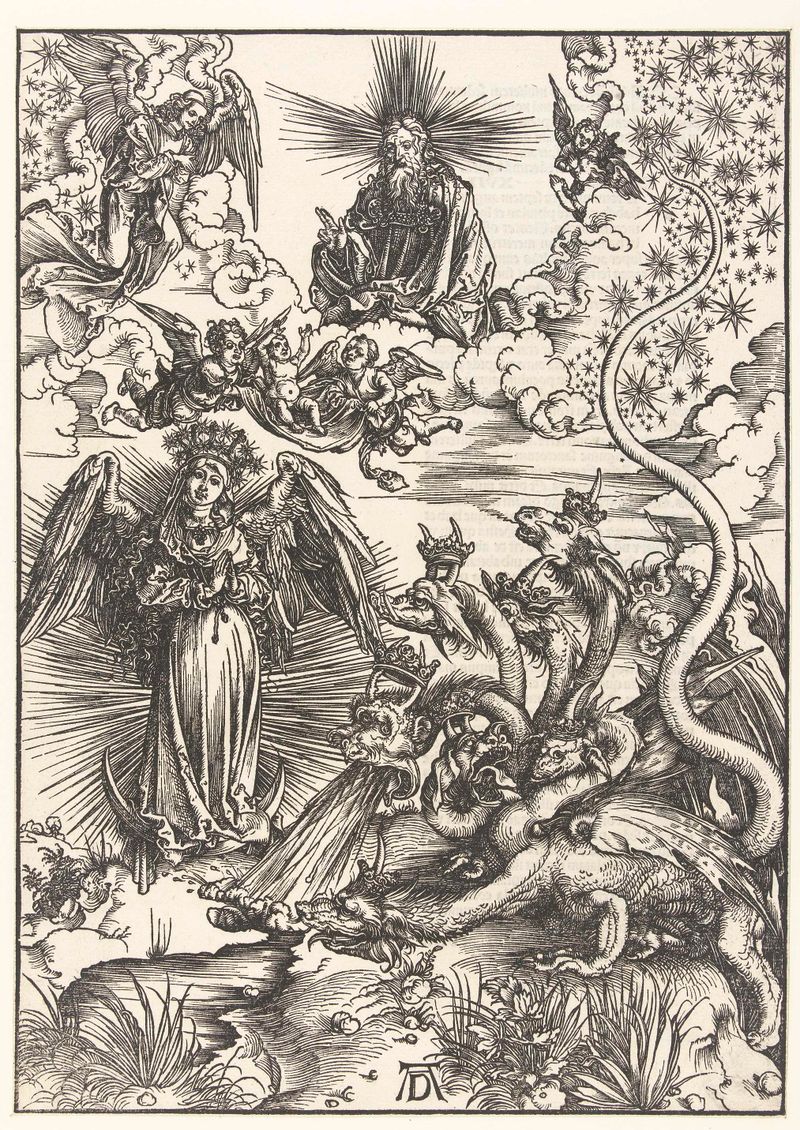
De apocalyptische vrouw en de zevenkoppige draak
Albrecht Dürer
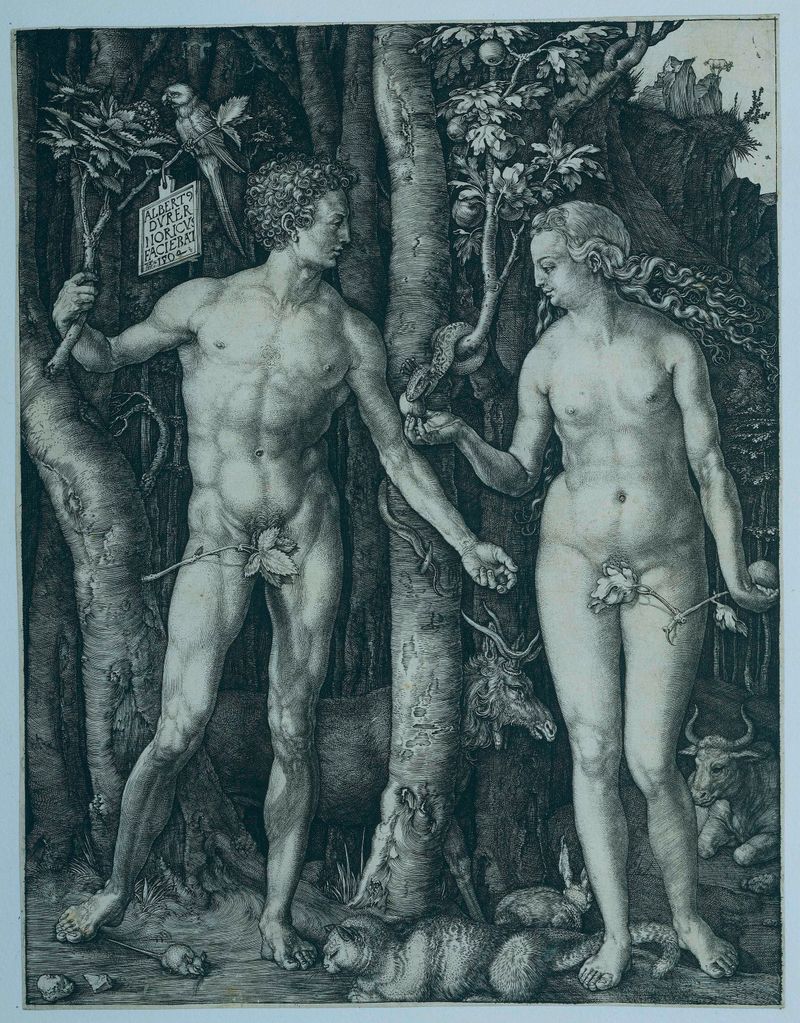
Adam en Eva
Albrecht Dürer
More Religious Art
Browse all →
The Return of the Prodigal Son
Rembrandt van Rijn

The Garden of Earthly Delights
El Bosco

Count Orgaz’ funeral
El Greco

The Hundred Guilder Print: the central piece with Christ preaching, the plate arched
Rembrandt van Rijn

The Descent from the Cross
Rogier van der Weyden

The return of the prodigal son
Rembrandt van Rijn