
De Heilige Familie in Egypte — History & Facts
Can paint confess what words never could? In De Heilige Familie in Egypte, silence envelops the Holy Family, stirring a poignant contemplation of their shared sanctity and vulnerability. Look to the left at the tender embrace between Mary and the infant Jesus. The delicate play of soft, muted colors creates a halo of warmth surrounding them, while the subtly etched outlines evoke a sense of intimacy and protection. The darkened background juxtaposes their luminous figures, accentuating the ethereal quality of their bond.
Notice how the light grazes the edges of their forms, a technique that draws the viewer’s eye and invites deeper reflection on their unity against a backdrop of uncertainty. The artwork encapsulates a profound contrast: the serenity of the Holy Family amid the perilous journey of exile. The tender expressions reveal an emotional gravity, hinting at the burdens of prophecy that weigh on Mary. Meanwhile, Joseph’s watchful demeanor speaks volumes about his protective role, embodying both strength and tenderness.
These nuanced interactions suggest that even in silence, profound narratives unfold, echoing themes of love, sacrifice, and resilience. Created between 1500 and 1504, this piece emerged during a pivotal time in Dürer’s career, as he sought to blend Northern European detail with the emerging influence of the Italian Renaissance. Living in Nuremberg, he was deeply engaged in the exploration of human emotion and spirituality, reflecting the wider shifts in art and society during the late 15th century. This painting not only showcases his mastery but also serves as a poignant testament to the enduring themes of faith and family.
More Artworks by Albrecht Dürer
Browse all →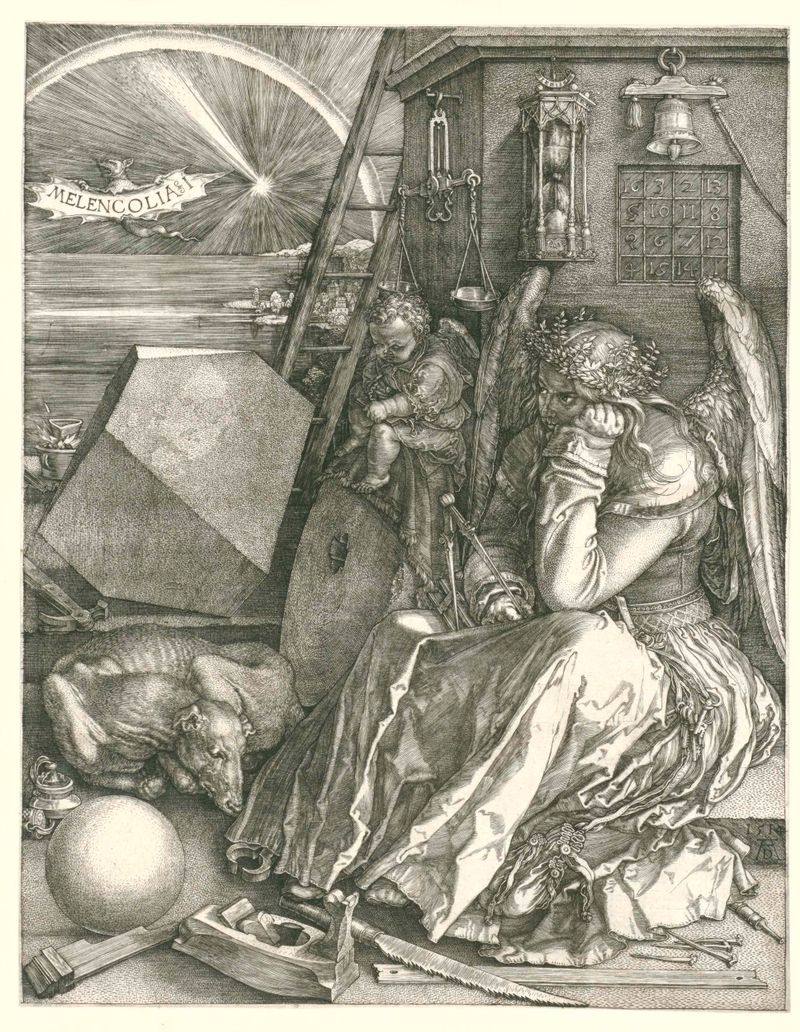
Melancholia
Albrecht Dürer
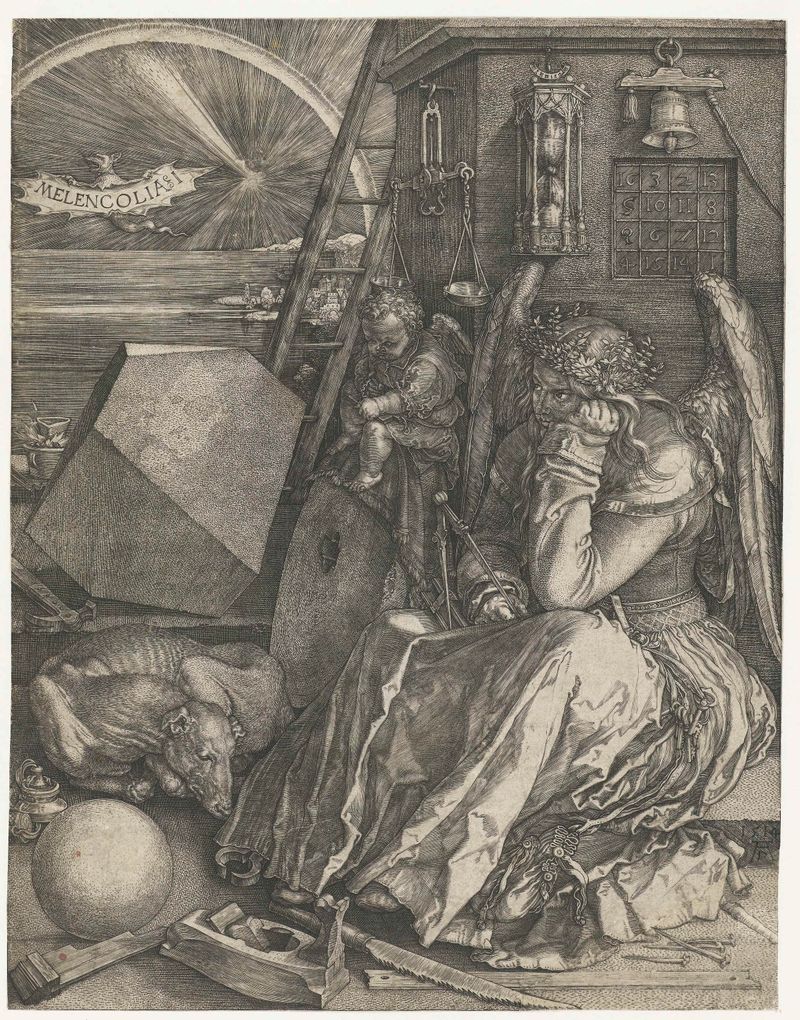
Melancholie
Albrecht Dürer
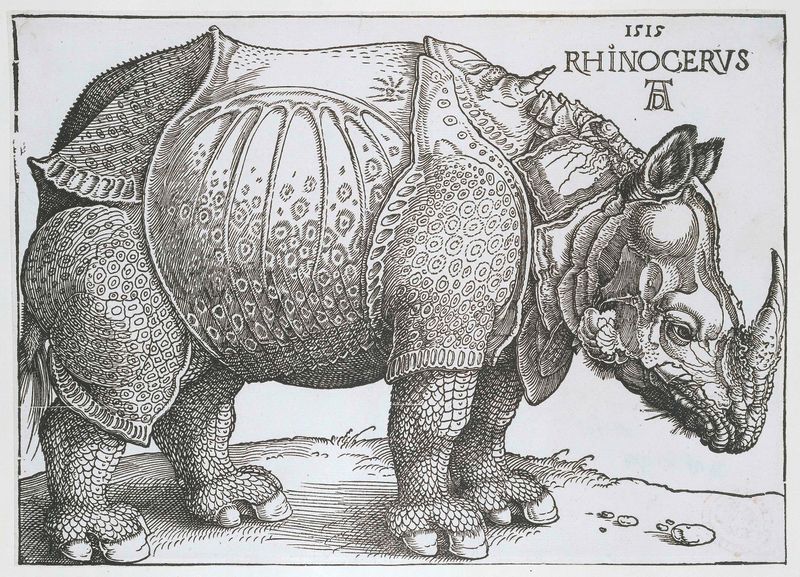
Neushoorn
Albrecht Dürer
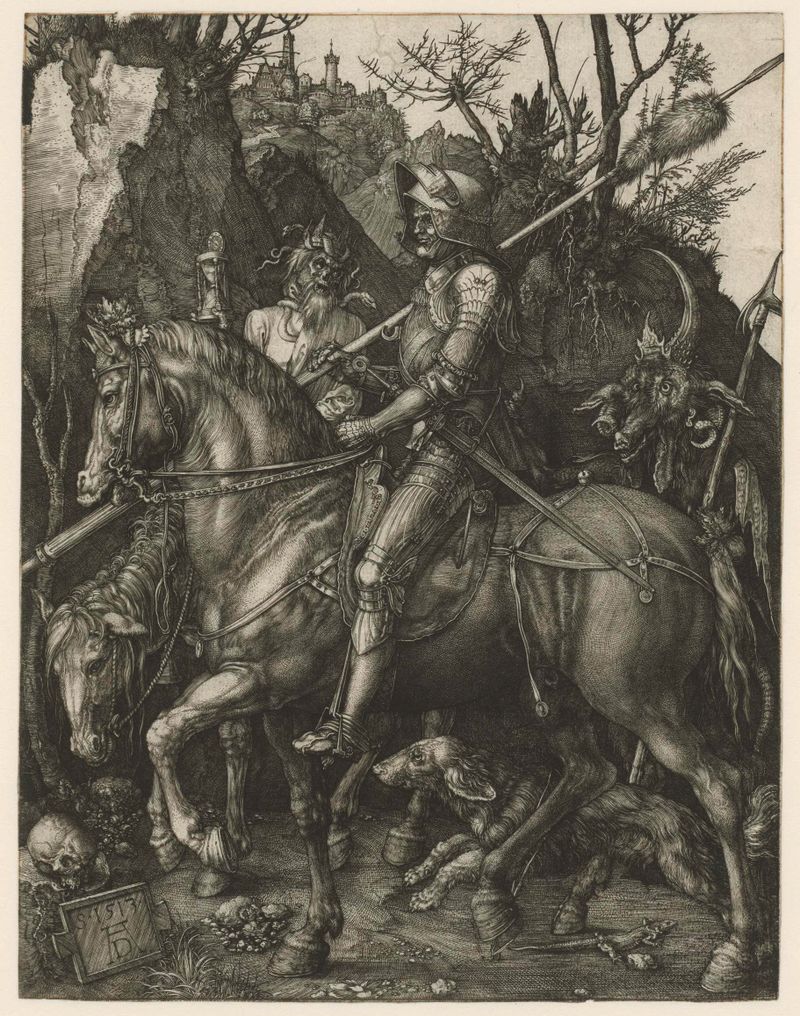
Knight, Death, and the Devil
Albrecht Dürer

De vier ruiters van de apocalyps
Albrecht Dürer

De vier ruiters van de apocalyps
Albrecht Dürer
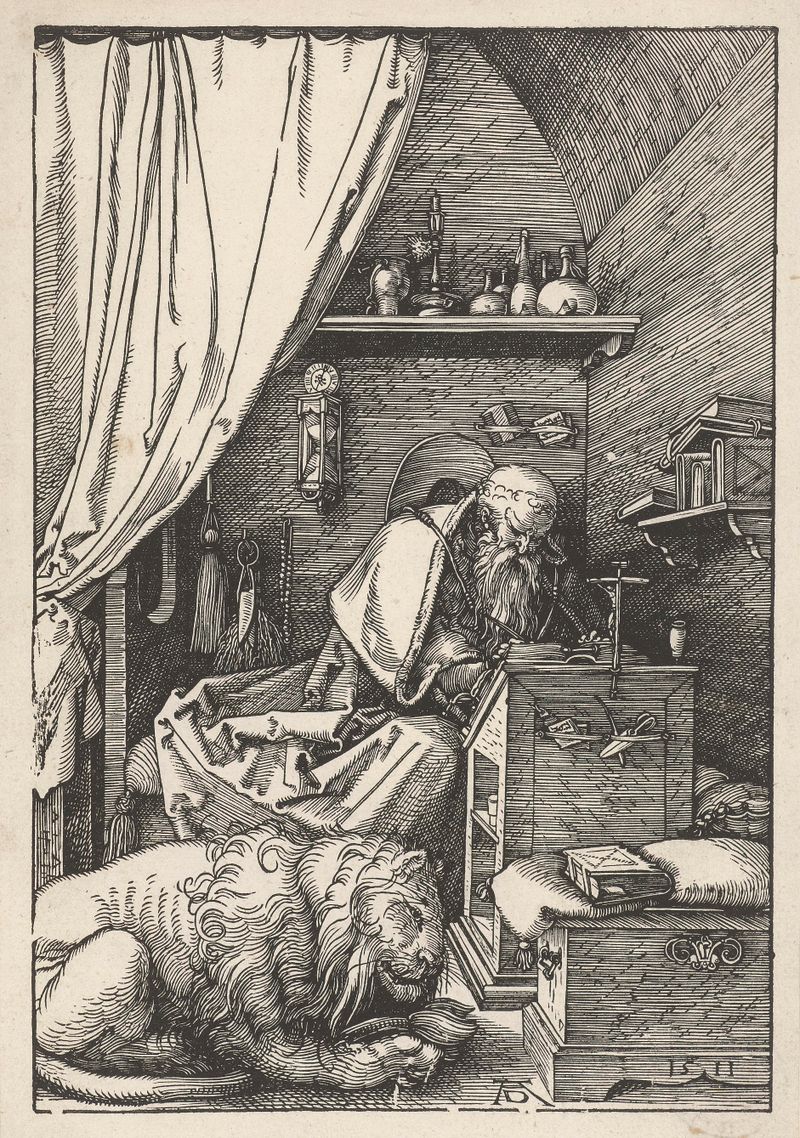
De Heilige Hiëronymus in zijn studeervertrek
Albrecht Dürer
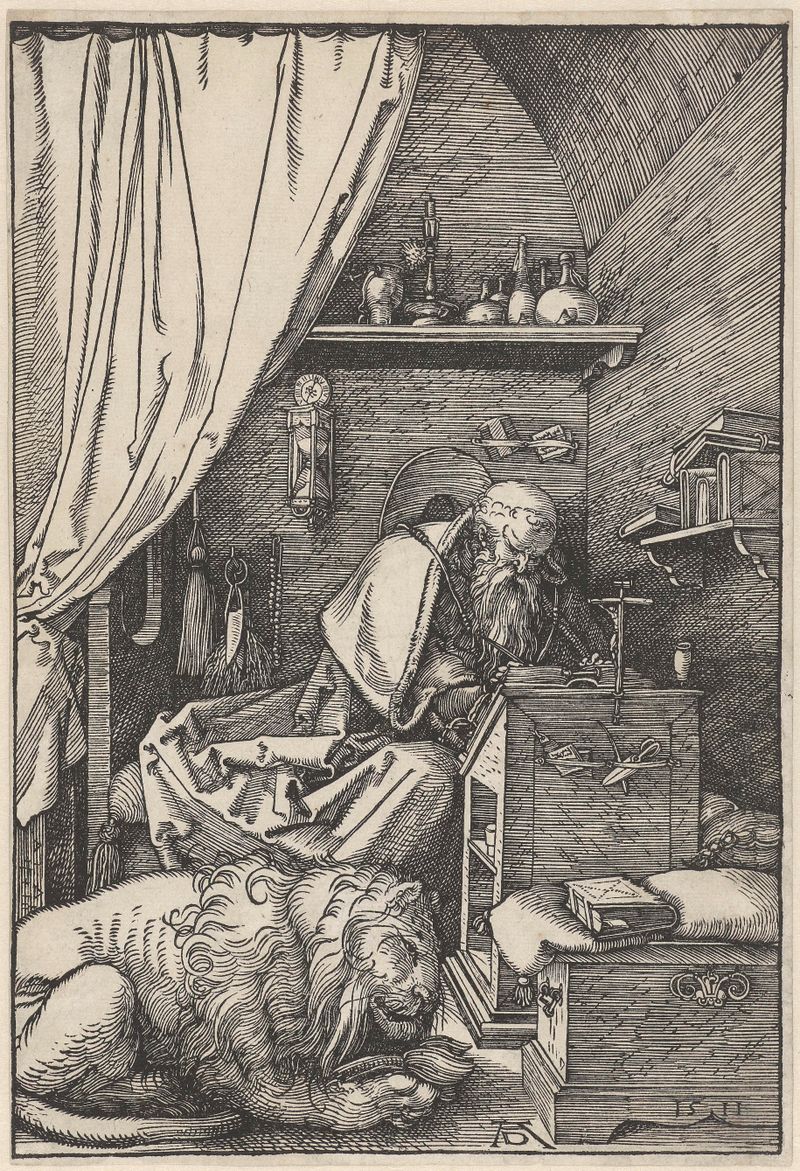
De Heilige Hiëronymus in zijn studeervertrek
Albrecht Dürer
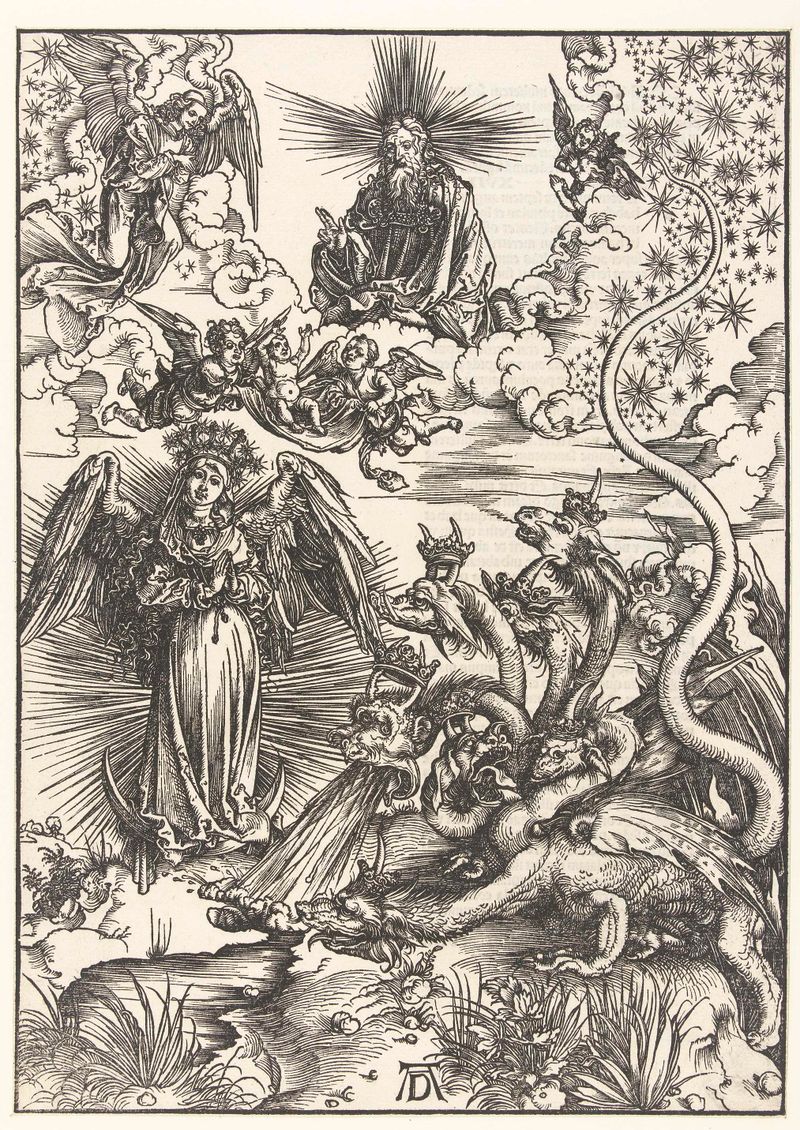
De apocalyptische vrouw en de zevenkoppige draak
Albrecht Dürer
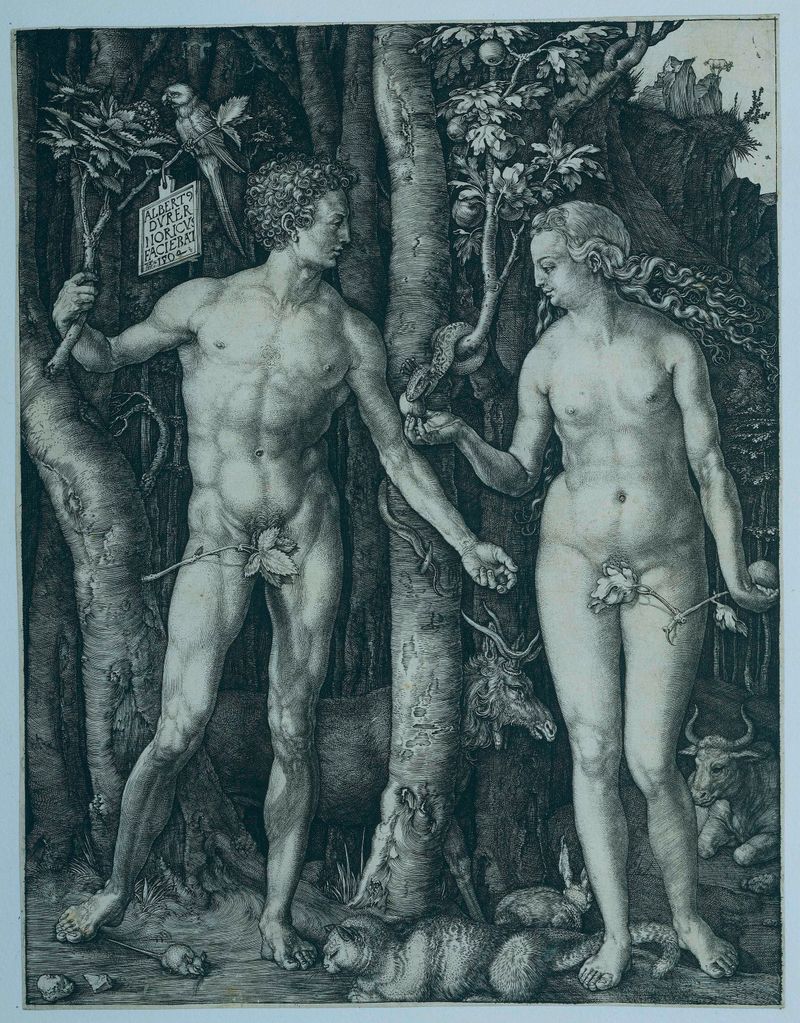
Adam en Eva
Albrecht Dürer
More Religious Art
Browse all →
The Return of the Prodigal Son
Rembrandt van Rijn

The Garden of Earthly Delights
El Bosco

Count Orgaz’ funeral
El Greco

The Hundred Guilder Print: the central piece with Christ preaching, the plate arched
Rembrandt van Rijn

The Descent from the Cross
Rogier van der Weyden

The return of the prodigal son
Rembrandt van Rijn