
De Heilige Familie in Egypte — History & Facts
In a world torn by turmoil, a family finds solace in the fragile cocoon of love and resilience, awakening to their new reality. Look to the center of the composition, where the Holy Family stands at the heart of the scene. Mary cradles the infant, her expression tender yet burdened, while Joseph’s protective posture hints at the weight of their journey. The soft, muted palette draws the eye, infusing the piece with a sense of tranquility amidst chaos.
Dürer’s meticulous attention to detail is evident in the textures of their garments, the gentle play of light, and the surrounding landscape that seems to cradle them in a moment of stillness. Yet beneath the surface lies a profound narrative. The tension between the serene expressions and the dark shadows encroaching from the edges suggests not only physical danger but emotional trials as well. The contrast between the divine light illuminating the family and the somber tones of the background evokes the weight of their sacrifice and longing for safety.
Each brushstroke speaks to the fragility of their existence and the hope that flickers like a candle in the dark. In 1511, during a period of personal and artistic exploration, the artist was navigating the complexities of his own identity and faith while grappling with the shift in the art world towards the Renaissance ideals. Set against a backdrop of social upheaval and religious reformation, De Heilige Familie in Egypte reflects not only Dürer’s mastery but also his deep engagement with themes of protection and the fragility of human life.
More Artworks by Albrecht Dürer
Browse all →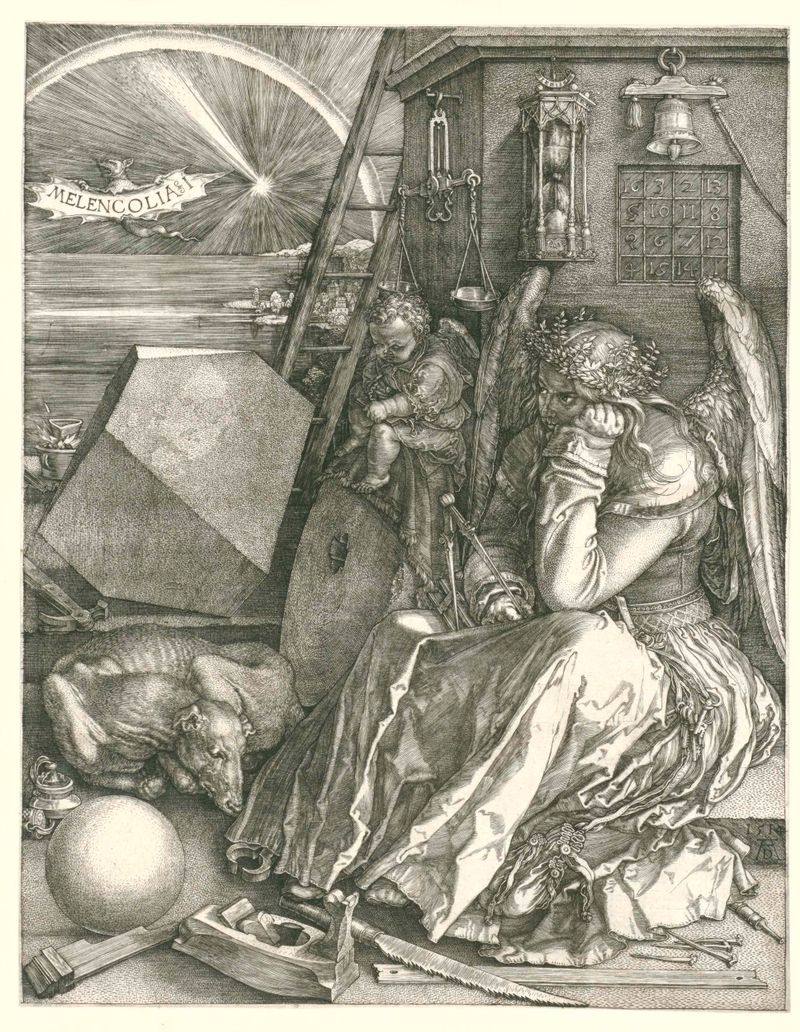
Melancholia
Albrecht Dürer
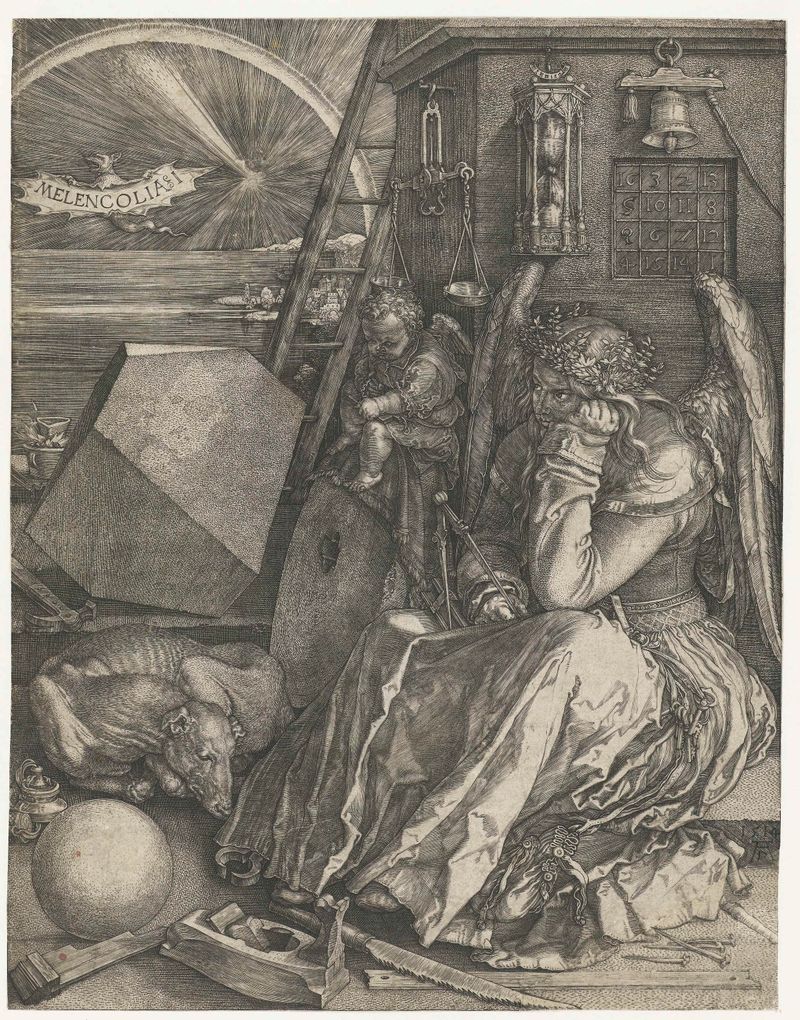
Melancholie
Albrecht Dürer

Neushoorn
Albrecht Dürer
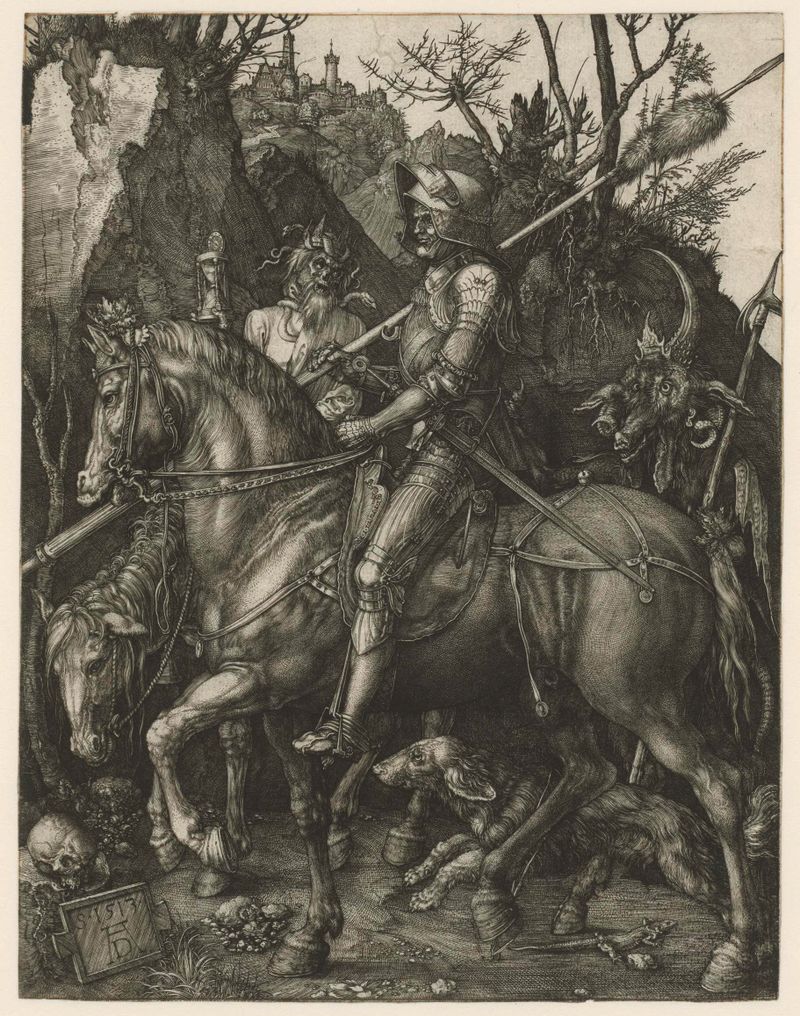
Knight, Death, and the Devil
Albrecht Dürer

De vier ruiters van de apocalyps
Albrecht Dürer

De vier ruiters van de apocalyps
Albrecht Dürer
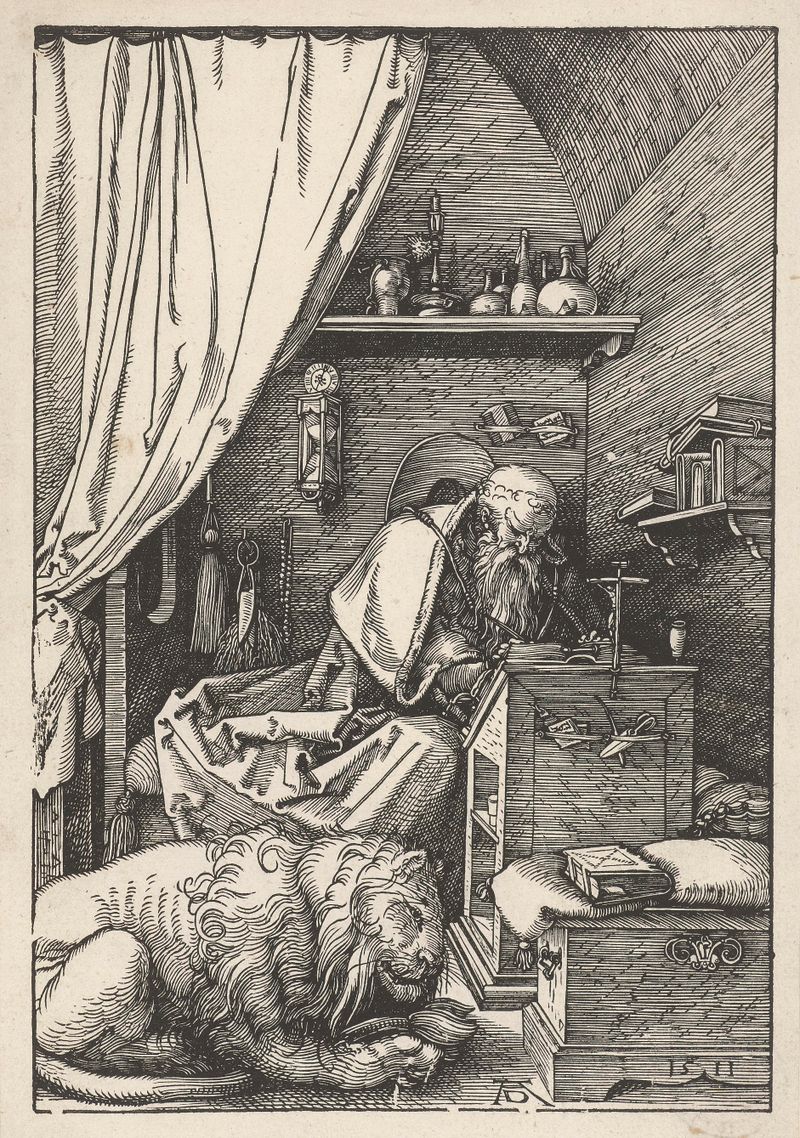
De Heilige Hiëronymus in zijn studeervertrek
Albrecht Dürer
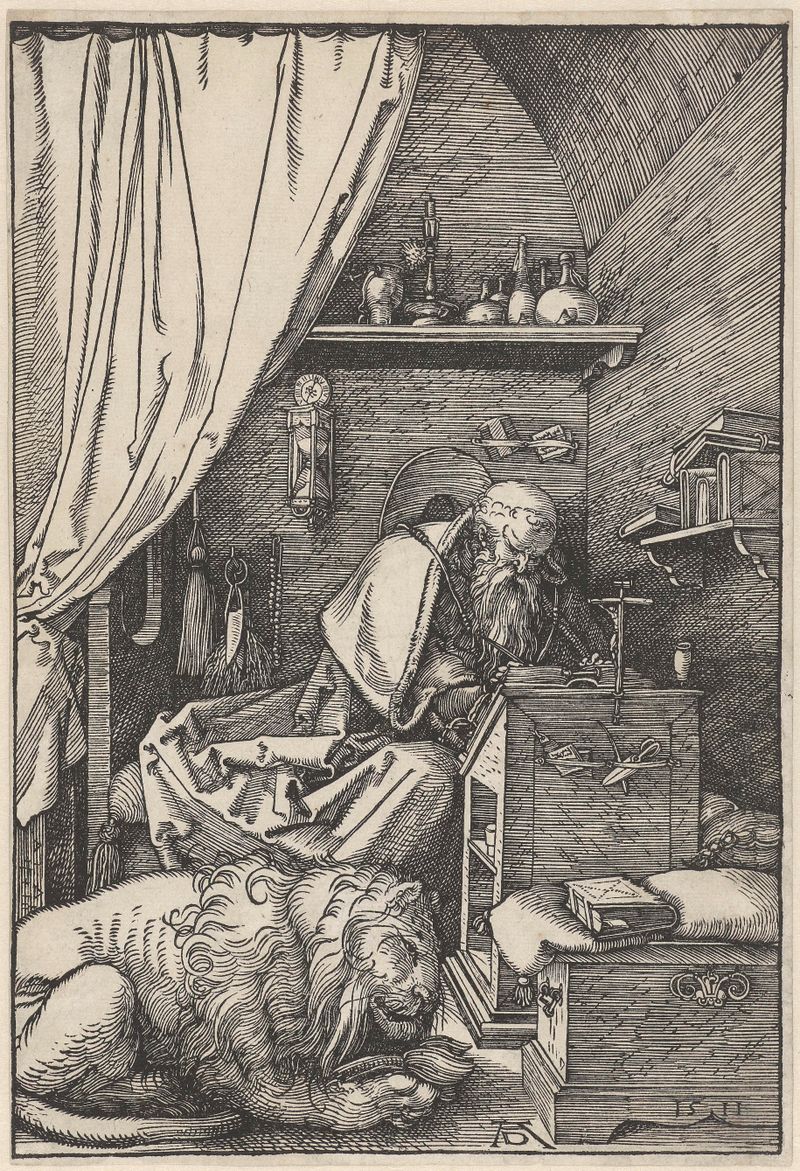
De Heilige Hiëronymus in zijn studeervertrek
Albrecht Dürer
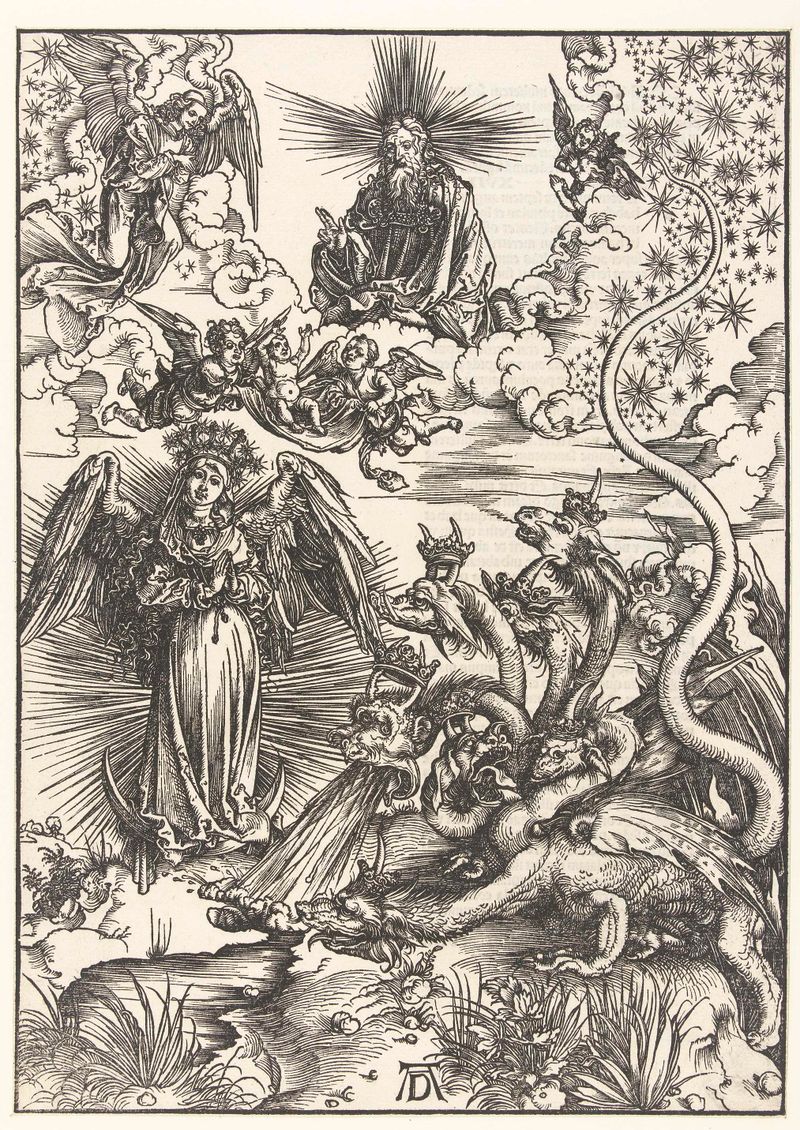
De apocalyptische vrouw en de zevenkoppige draak
Albrecht Dürer
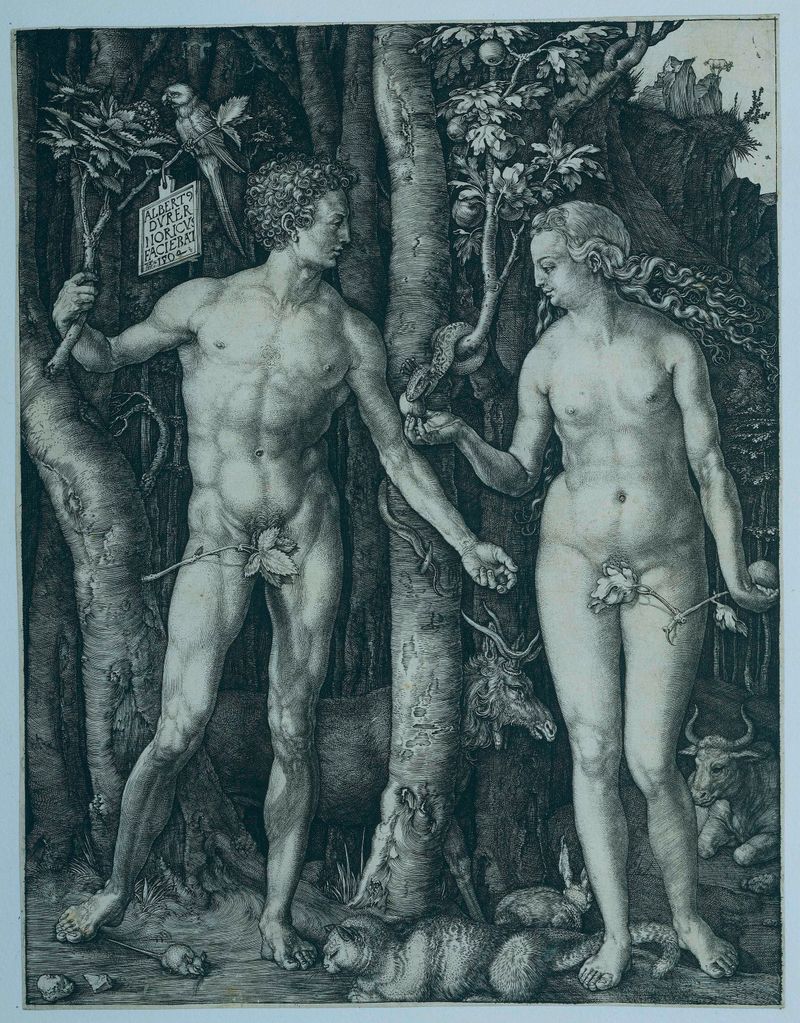
Adam en Eva
Albrecht Dürer
More Religious Art
Browse all →
The Return of the Prodigal Son
Rembrandt van Rijn

The Garden of Earthly Delights
El Bosco

Count Orgaz’ funeral
El Greco

The Hundred Guilder Print: the central piece with Christ preaching, the plate arched
Rembrandt van Rijn

The Descent from the Cross
Rogier van der Weyden

The return of the prodigal son
Rembrandt van Rijn