
De Heilige Familie met Anna en Joachim — History & Facts
What secret hides in the quiet of the canvas? Albrecht Dürer invites us to explore the luminous interplay of light and shadow that envelops the Holy Family, revealing truths that transcend the painted surface. Look to the right at the gentle grace of Anna, her hands delicately cradling a book, while Joachim stands nearby, his eyes fixed intently on the infant Jesus. The soft, radiant light bathes their figures, highlighting the intricate details of their garments and the delicate textures of the surrounding drapery. Notice how Dürer's masterful technique brings a sense of depth and three-dimensionality to the scene, enhancing the emotional connection between the figures as they exist in a space that feels both intimate and sacred. In this composition, contrasts are woven into the fabric of the imagery—between light and dark, youth and age, and the earthly and divine.
The open book in Anna's hands symbolizes wisdom and maternal knowledge, while the attentive gaze of Joachim suggests protection and familial duty. Each element, from the softness of the faces to the meticulous pattern of the textiles, reflects a profound narrative of love, reverence, and the weight of expectation that accompanies parenthood. Dürer painted this scene in 1511 during a period of significant artistic growth in Northern Europe. Living in Nuremberg, he was influenced by the rise of humanism and the complexities of spiritual life, which compelled him to explore themes of divinity intertwined with human experience.
This painting embodies these ideals, showcasing his mastery of form and light, while also reflecting the rich cultural tapestry of his time.
More Artworks by Albrecht Dürer
Browse all →
Melancholia
Albrecht Dürer
Melancholie
Albrecht Dürer

Neushoorn
Albrecht Dürer
Knight, Death, and the Devil
Albrecht Dürer

De vier ruiters van de apocalyps
Albrecht Dürer

De vier ruiters van de apocalyps
Albrecht Dürer
De Heilige Hiëronymus in zijn studeervertrek
Albrecht Dürer
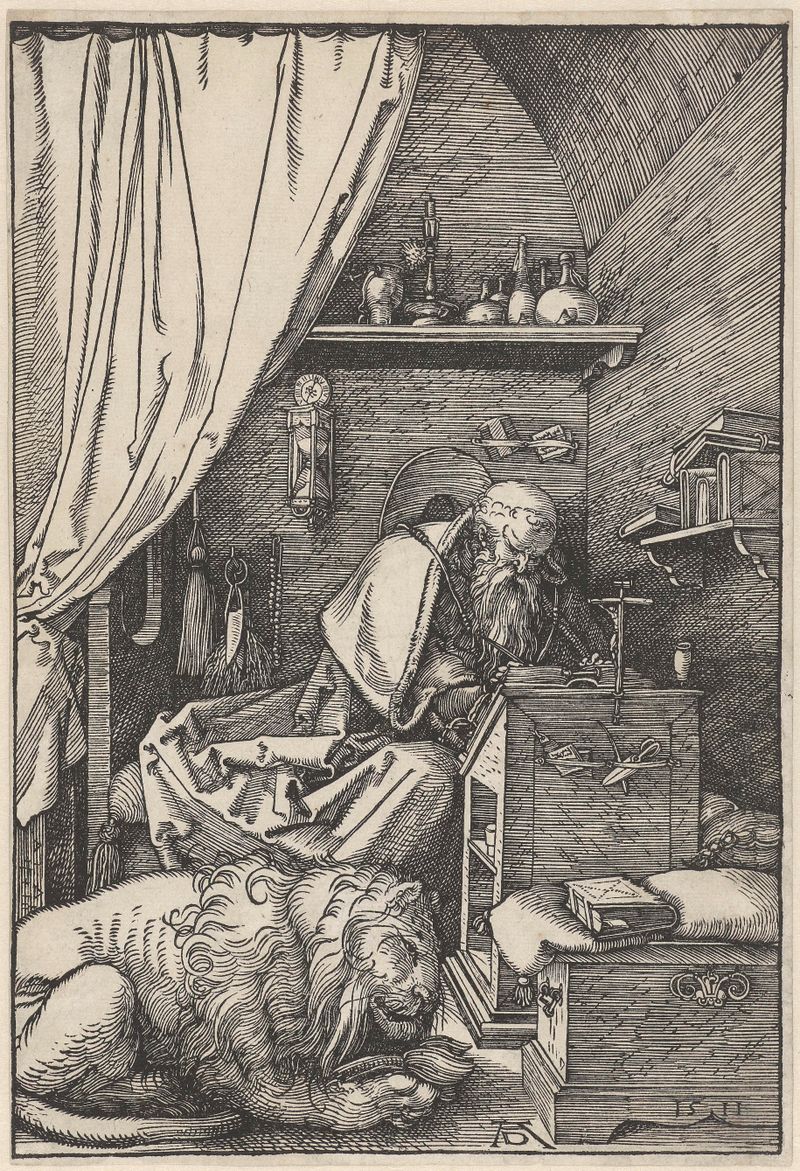
De Heilige Hiëronymus in zijn studeervertrek
Albrecht Dürer
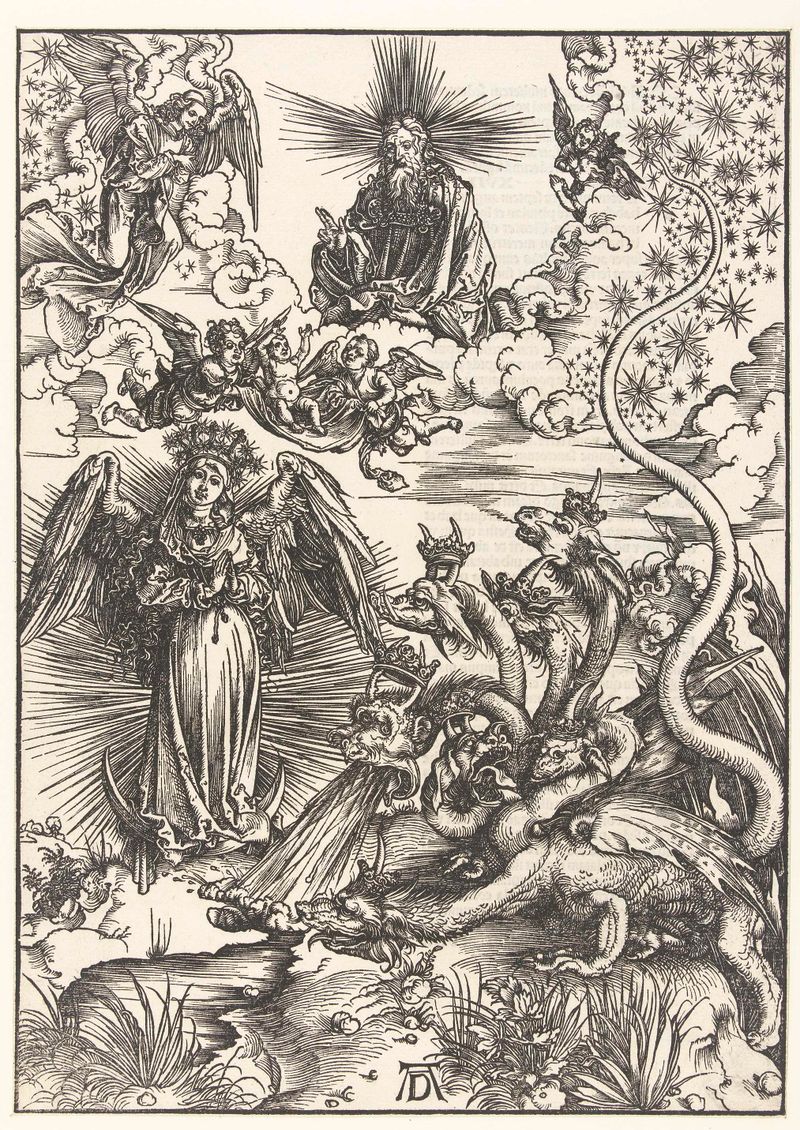
De apocalyptische vrouw en de zevenkoppige draak
Albrecht Dürer
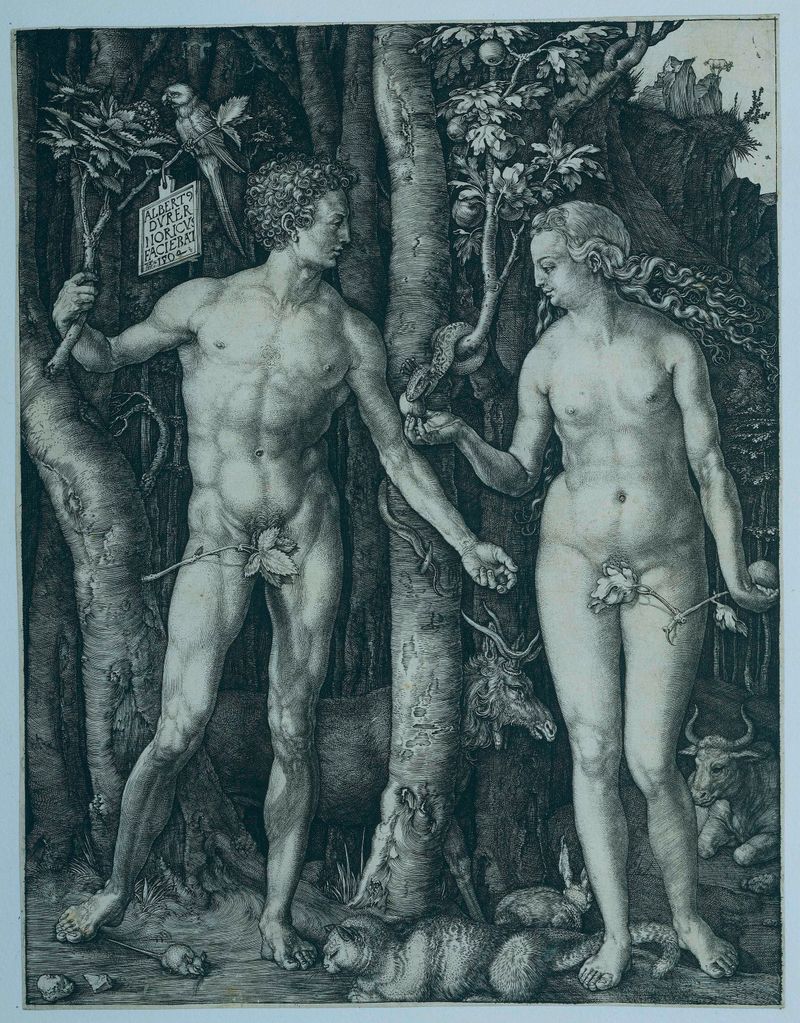
Adam en Eva
Albrecht Dürer
More Religious Art
Browse all →
The Return of the Prodigal Son
Rembrandt van Rijn

The Garden of Earthly Delights
El Bosco

Count Orgaz’ funeral
El Greco

The Hundred Guilder Print: the central piece with Christ preaching, the plate arched
Rembrandt van Rijn

The Descent from the Cross
Rogier van der Weyden

The return of the prodigal son
Rembrandt van Rijn