
De Heilige Familie met de libelle — History & Facts
Is this a mirror — or a memory? The delicate interplay of innocence and fragility weaves through the essence of familial love, captured in a moment that transcends time. As you explore the piece, look first to the gentle expressions of the figures, focusing on the serene gaze of the Virgin Mary. Notice how her hands cradle the child with both strength and tenderness, a juxtaposition of maternal protection and vulnerability. The soft tones of the background contrast against the vivid colors of their garments, drawing the eye to the libelle that flits delicately through the air, symbolizing the transience of life. Within this intimate tableau, emotional tensions emerge: the innocence of youth, the weight of responsibility, and the ephemeral nature of existence.
Each figure presents a layer of meaning; the dragonfly becomes a poignant reminder of fragility, while the rich, earthy palette speaks to the stability of family amidst the chaos of the world. Observing the subtle gestures and interactions reveals a deeper connection — a snapshot of a tender moment that resonates with universal themes of love, loss, and the sacred bonds that endure. Created between 1493 and 1497, Dürer painted this piece during a time when he was grappling with his rising fame and the complexities of the Northern Renaissance. Living in Nuremberg, he was deeply influenced by humanist ideals and the profound shifts in art and culture.
This work exemplifies his mastery in merging meticulous detail with emotional depth, marking a pivotal moment in his illustrious career.
More Artworks by Albrecht Dürer
Browse all →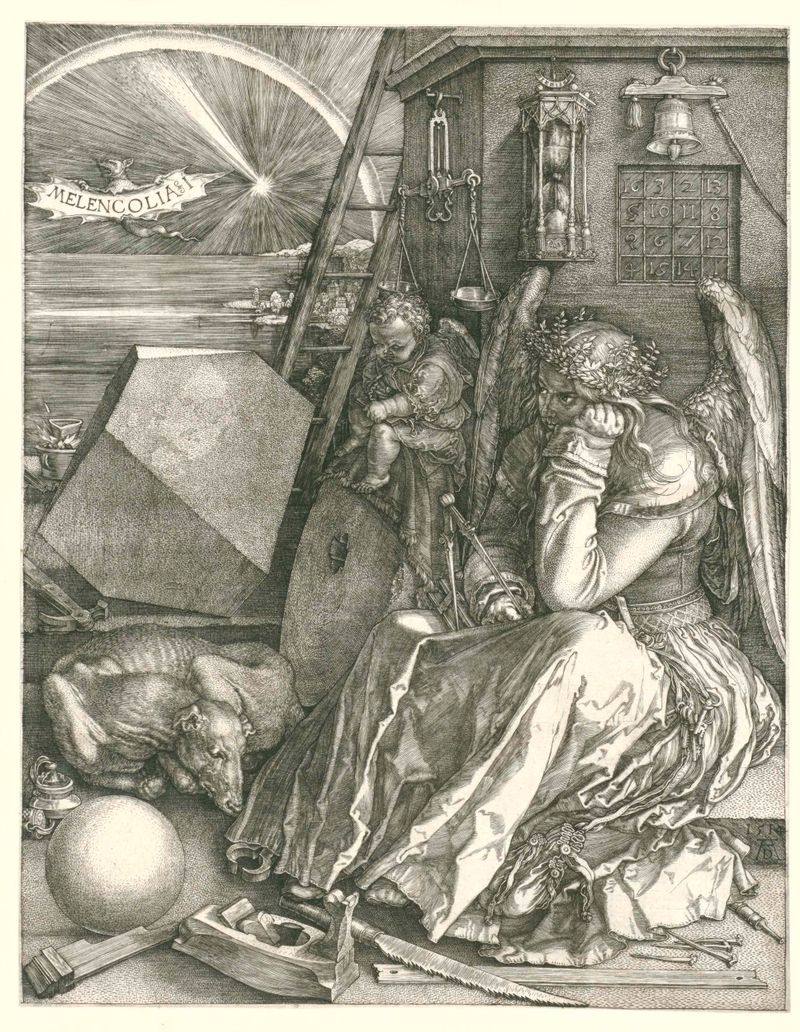
Melancholia
Albrecht Dürer
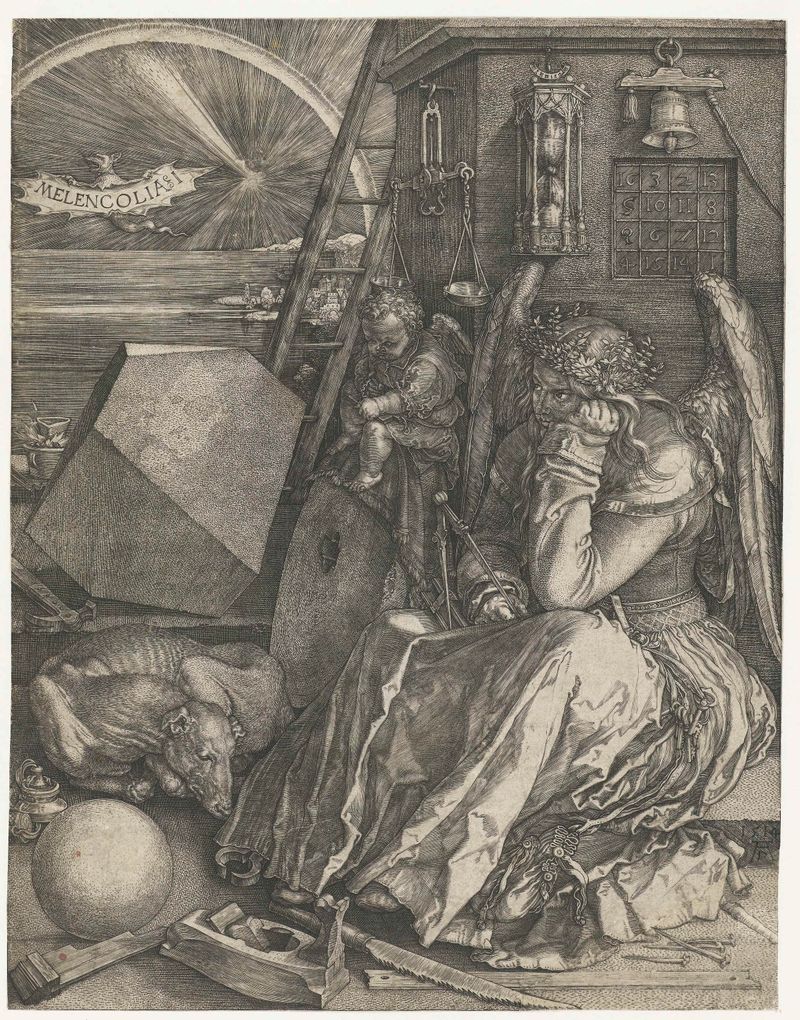
Melancholie
Albrecht Dürer
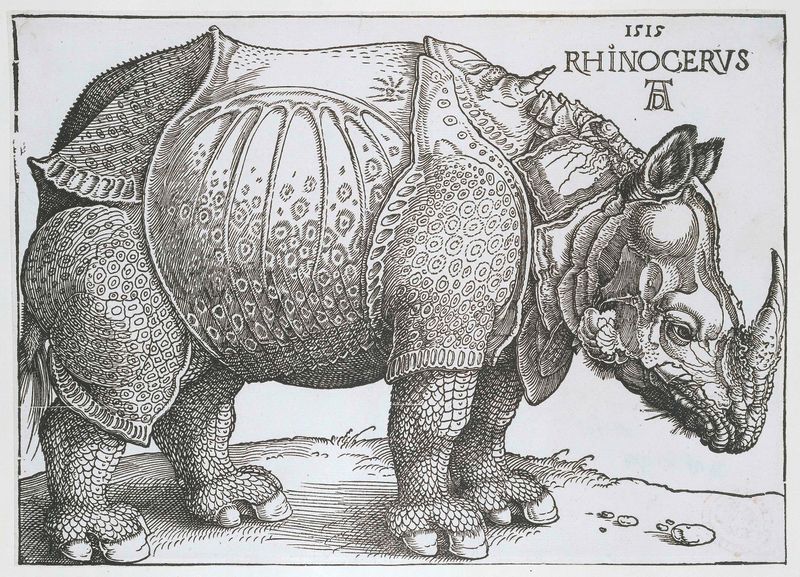
Neushoorn
Albrecht Dürer
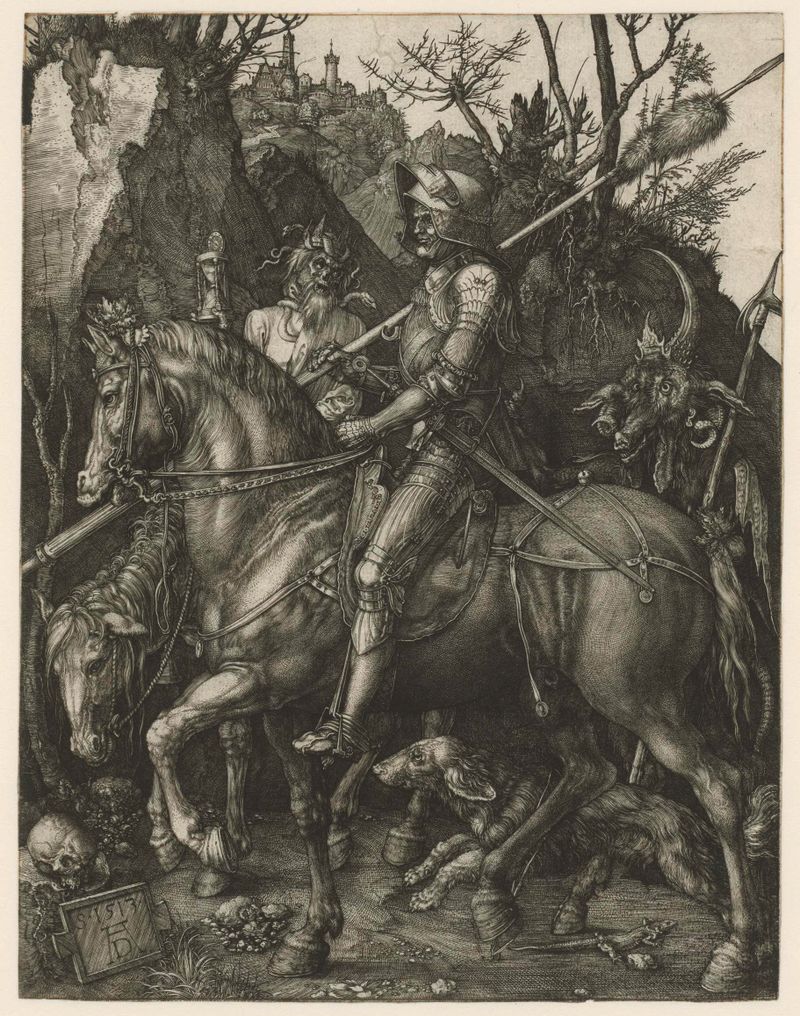
Knight, Death, and the Devil
Albrecht Dürer

De vier ruiters van de apocalyps
Albrecht Dürer

De vier ruiters van de apocalyps
Albrecht Dürer
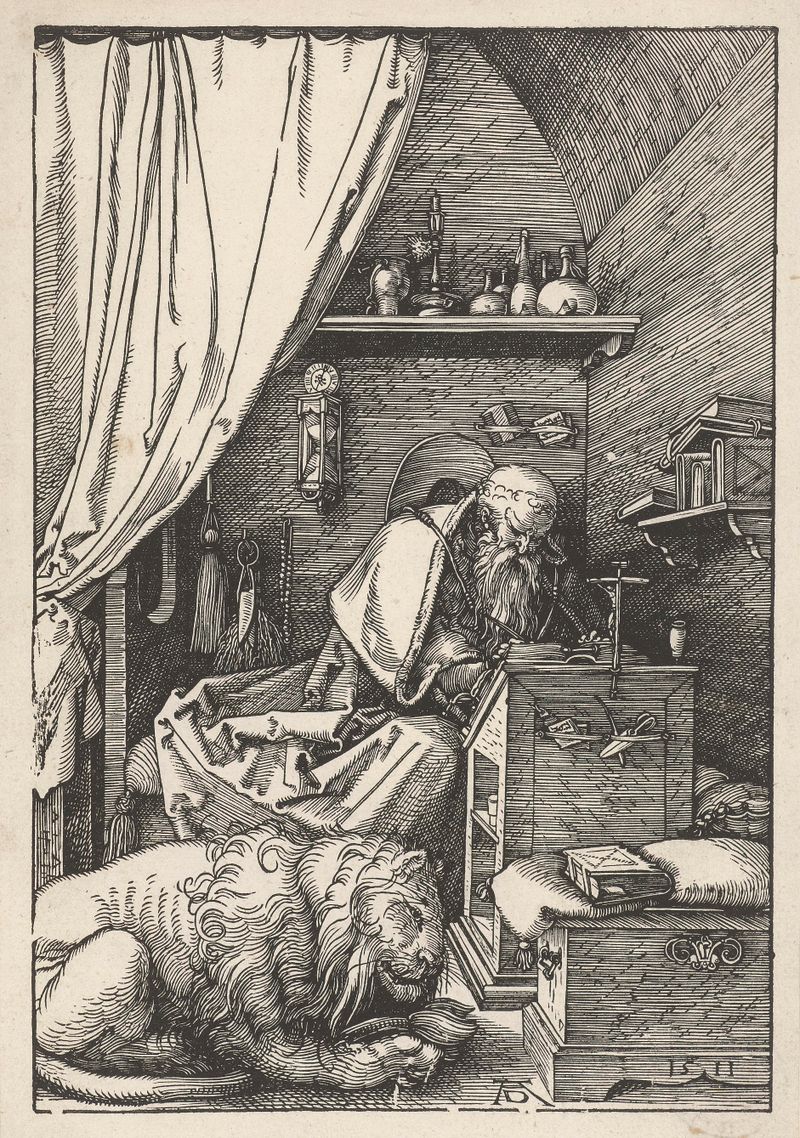
De Heilige Hiëronymus in zijn studeervertrek
Albrecht Dürer
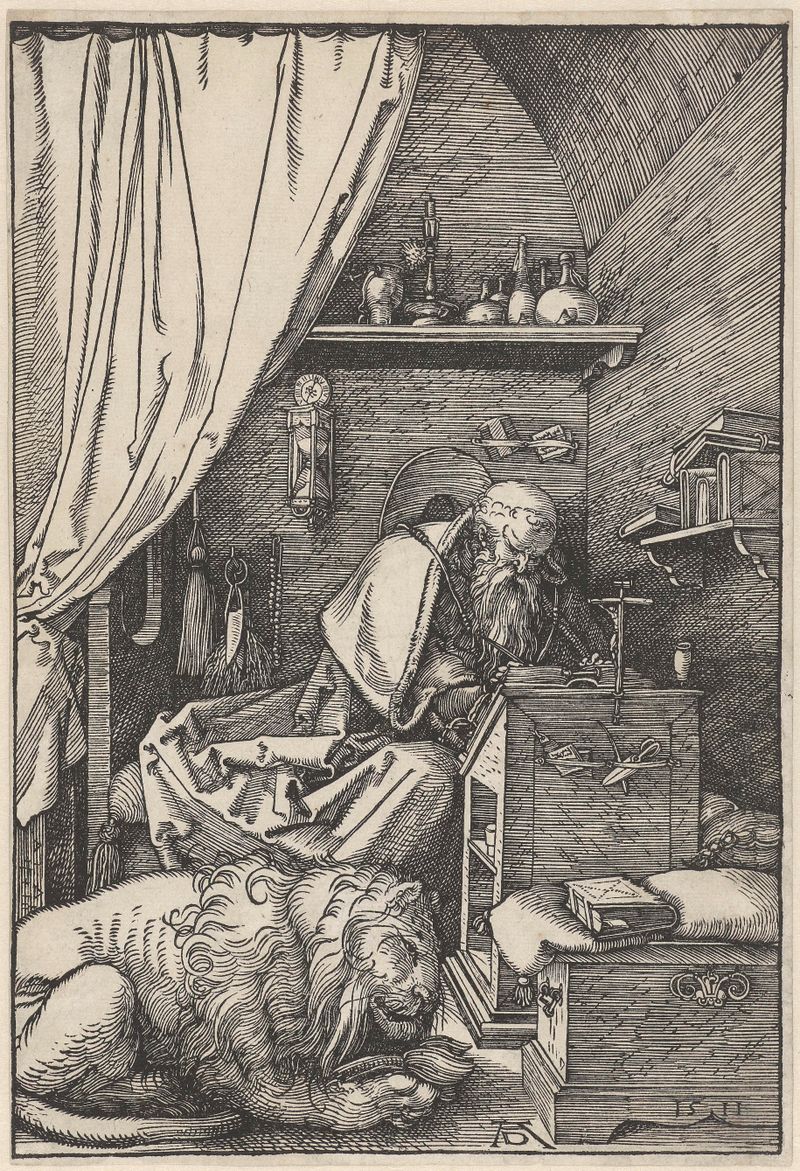
De Heilige Hiëronymus in zijn studeervertrek
Albrecht Dürer
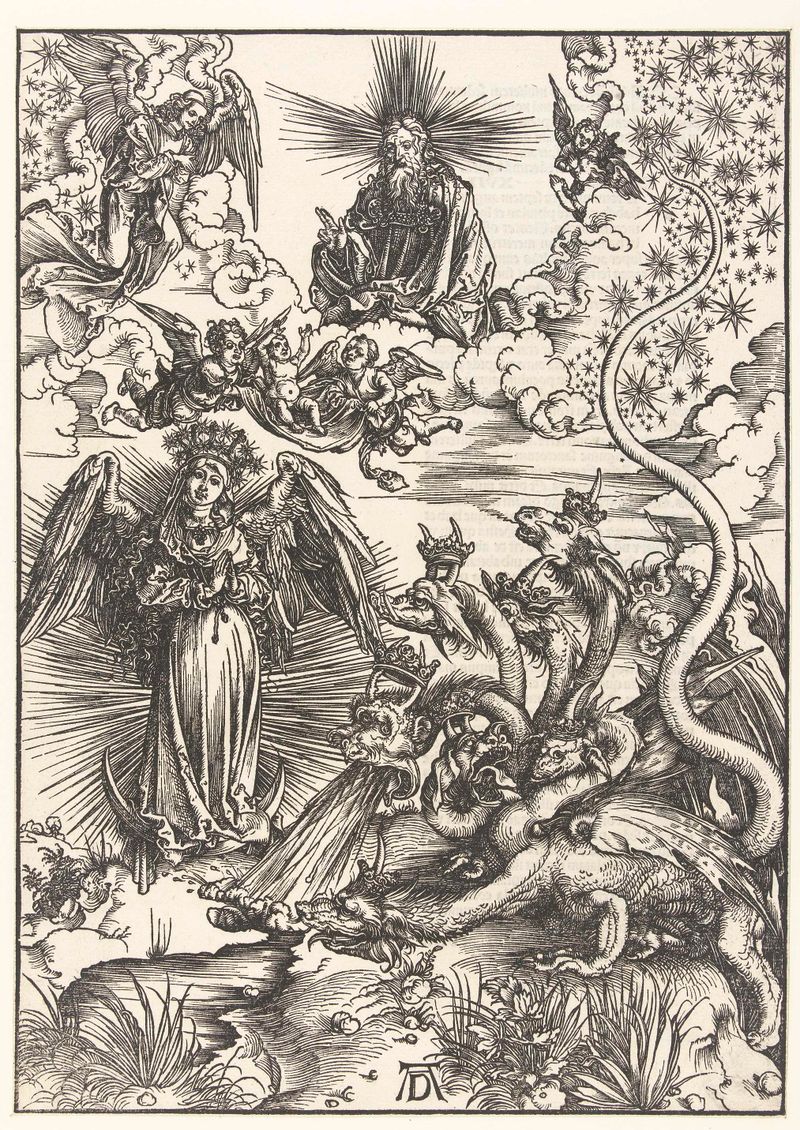
De apocalyptische vrouw en de zevenkoppige draak
Albrecht Dürer
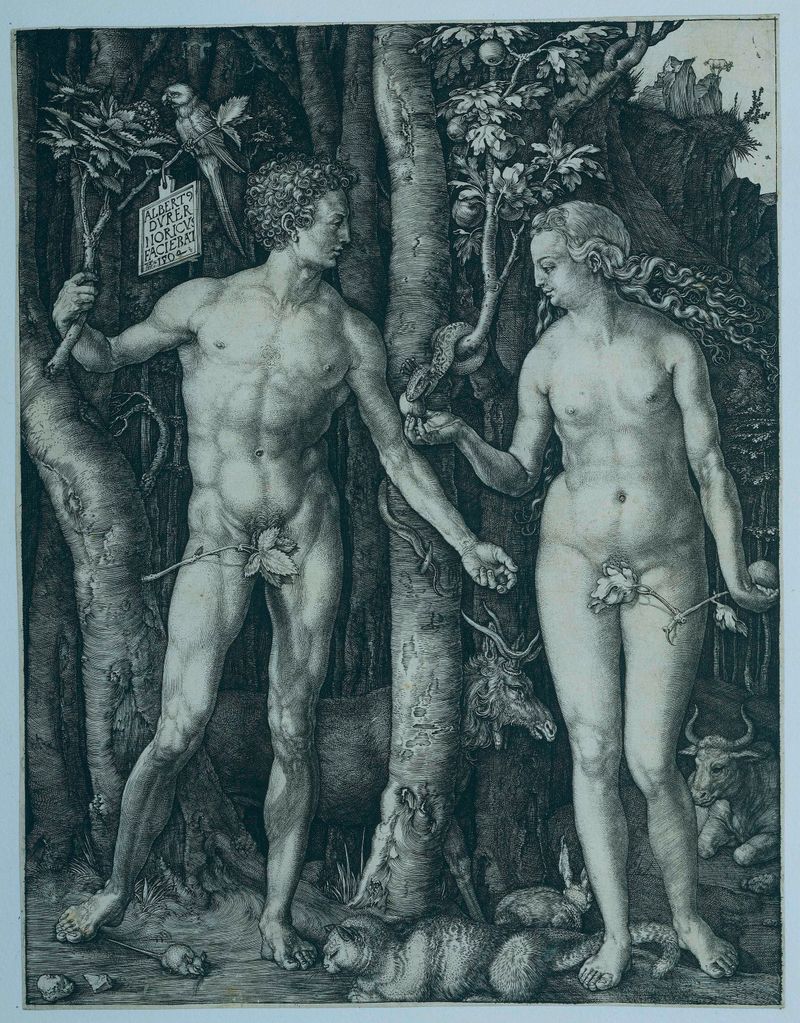
Adam en Eva
Albrecht Dürer
More Religious Art
Browse all →
The Return of the Prodigal Son
Rembrandt van Rijn

The Garden of Earthly Delights
El Bosco

Count Orgaz’ funeral
El Greco

The Hundred Guilder Print: the central piece with Christ preaching, the plate arched
Rembrandt van Rijn

The Descent from the Cross
Rogier van der Weyden

The return of the prodigal son
Rembrandt van Rijn