
De Heilige Familie met drie hazen — History & Facts
Did the painter know this moment would outlive them? In the tender embrace of familial love, Albrecht Dürer captures not only a scene of devotion but also an essence of ecstatic connection that transcends time. Look to the center of the canvas where the Holy Family resides, their figures exuding warmth and intimacy. Notice how the soft, golden light bathes Mary and the child Jesus, illuminating their serene expressions. To the left, Joseph watches over them, his presence a pillar of strength, while three hares at their feet introduce a playful tension, hinting at the delicate balance between innocence and the earthly realm.
Dürer's meticulous detail in the figures’ garments and the surrounding foliage showcases his expert technique, blending realism with emotional depth. The hares, often symbols of fertility and abundance, contrast sharply with the divinity of the scene, suggesting a deeper commentary on the interplay between the sacred and the mundane. The harmony between the figures evokes a sense of protection, yet the presence of the hares injects an exhilarating undercurrent, inviting viewers to contemplate life's fleeting joys alongside eternal love. Each gaze and gesture invites reflection, pulling us into a dialogue on the nature of familial bonds and the ecstatic moments that define our existence. Dürer created this piece between 1495 and 1499, during a period of significant artistic development in Northern Europe.
Having returned to Nuremberg after a formative trip to Italy, he was infused with new ideas about perspective and form. This painting reflects not only his mastery of detail but also the growing interest in humanism and the intimate portrayal of personal relationships during the Renaissance.
More Artworks by Albrecht Dürer
Browse all →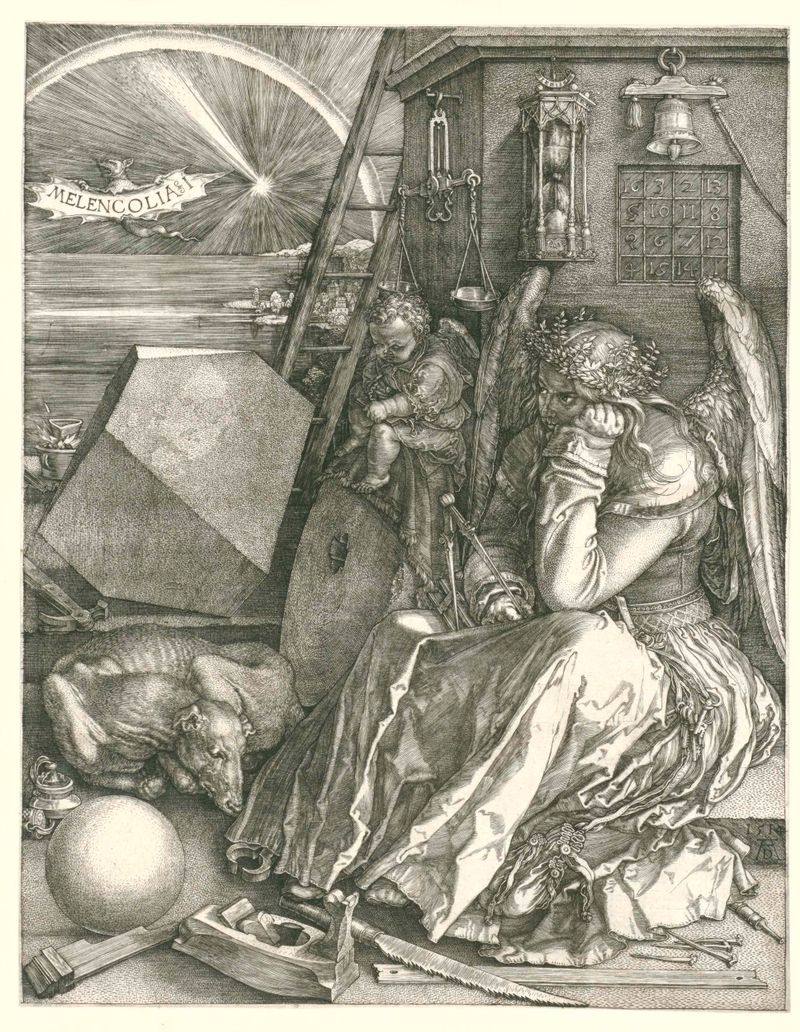
Melancholia
Albrecht Dürer
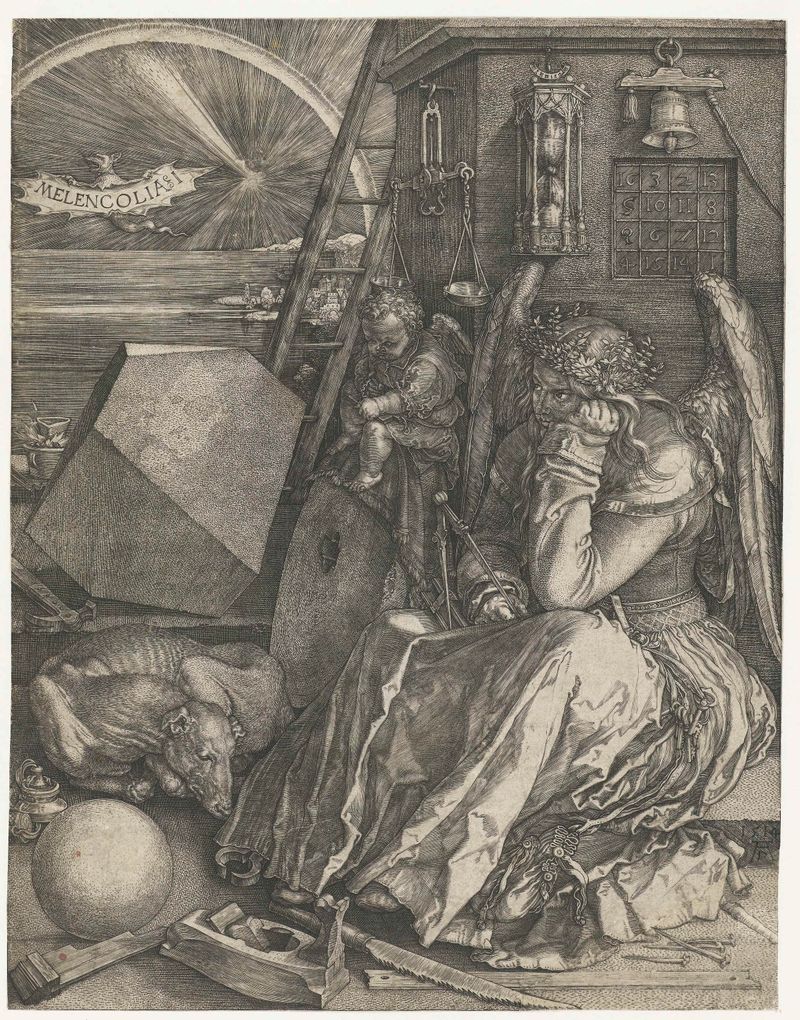
Melancholie
Albrecht Dürer
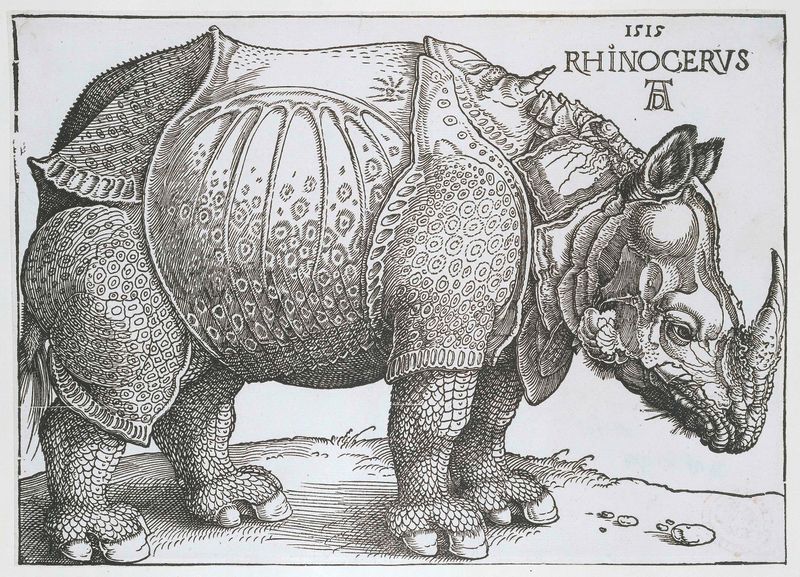
Neushoorn
Albrecht Dürer
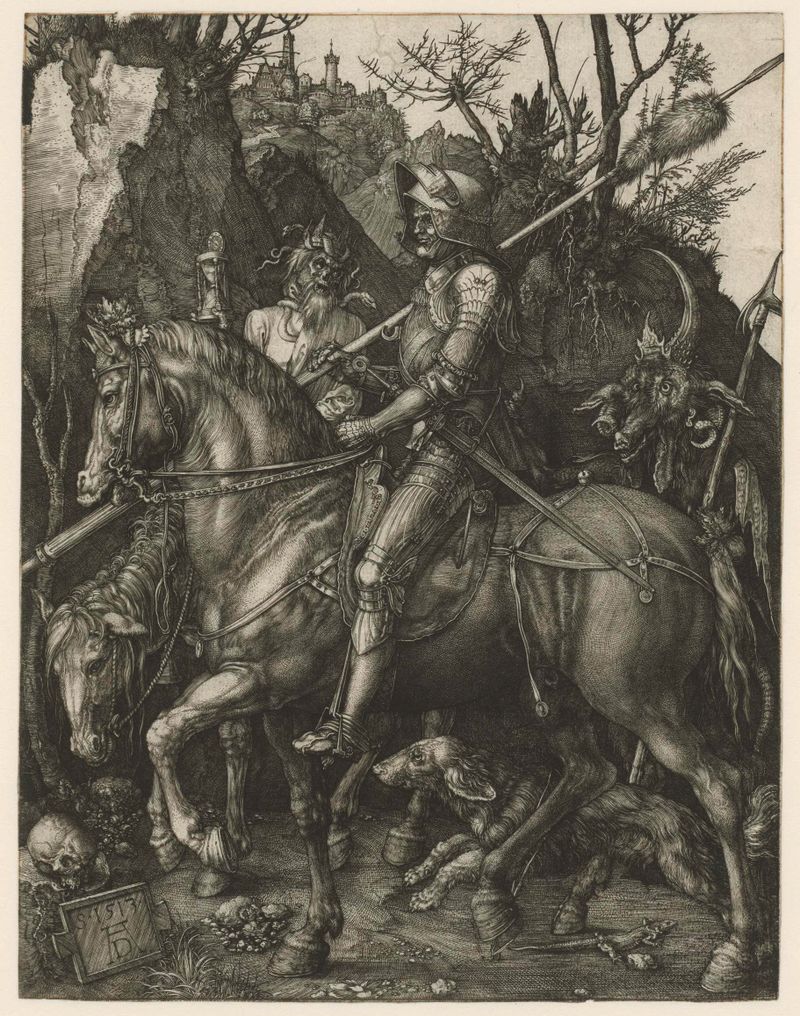
Knight, Death, and the Devil
Albrecht Dürer

De vier ruiters van de apocalyps
Albrecht Dürer

De vier ruiters van de apocalyps
Albrecht Dürer
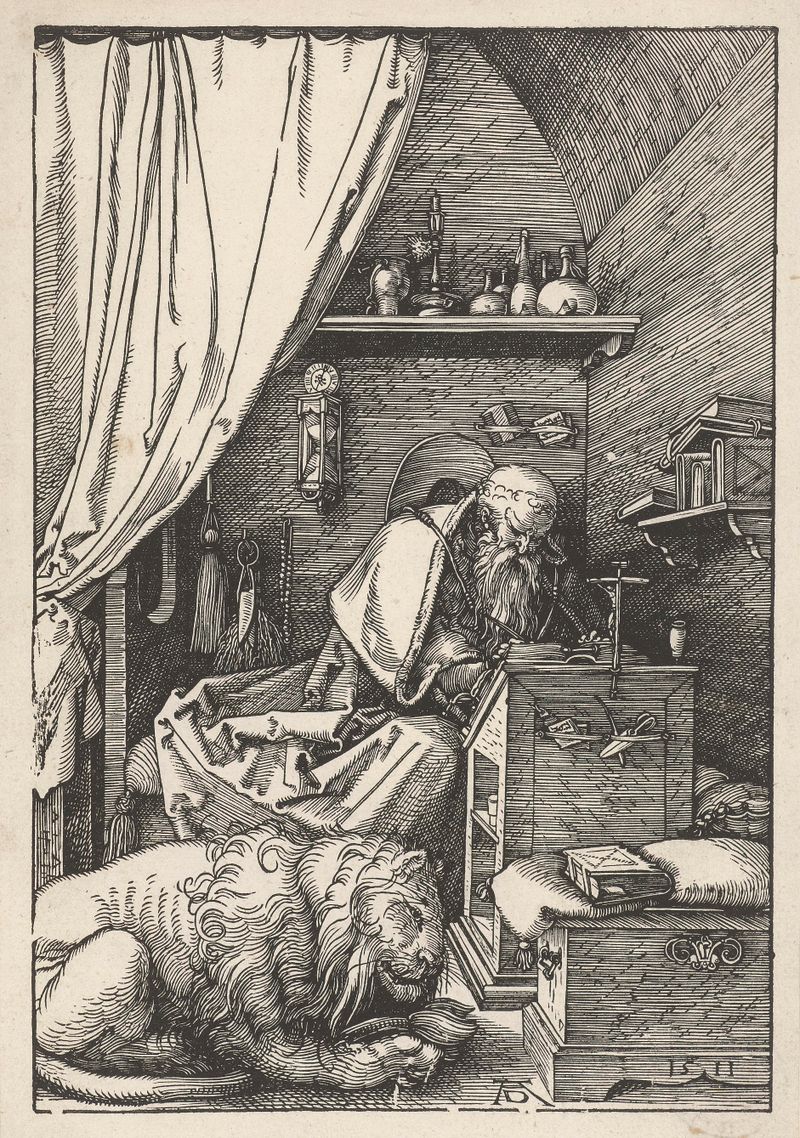
De Heilige Hiëronymus in zijn studeervertrek
Albrecht Dürer
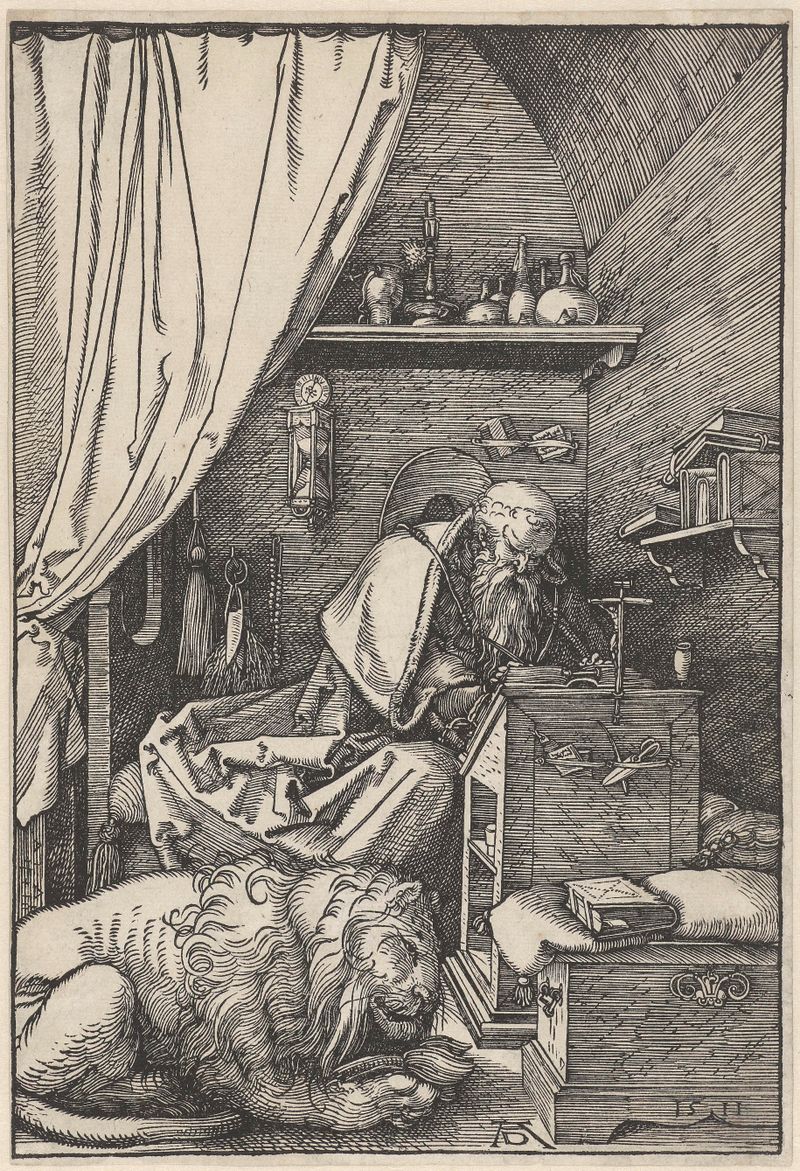
De Heilige Hiëronymus in zijn studeervertrek
Albrecht Dürer
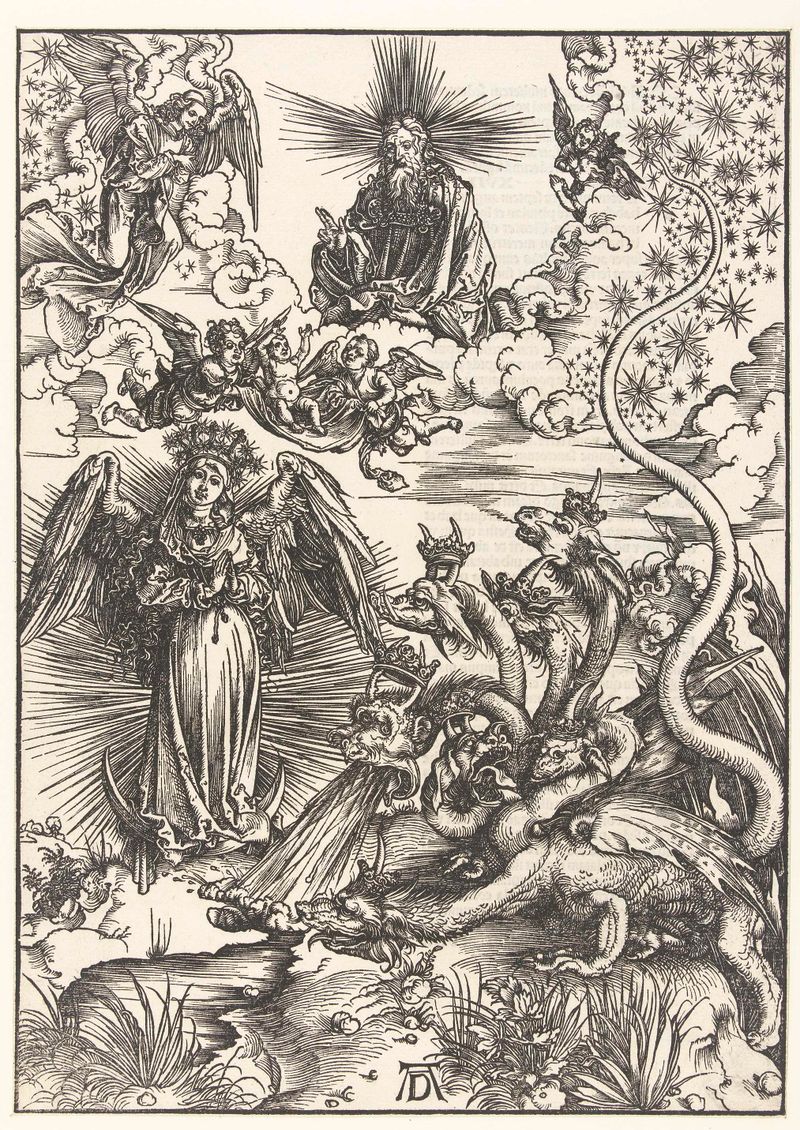
De apocalyptische vrouw en de zevenkoppige draak
Albrecht Dürer
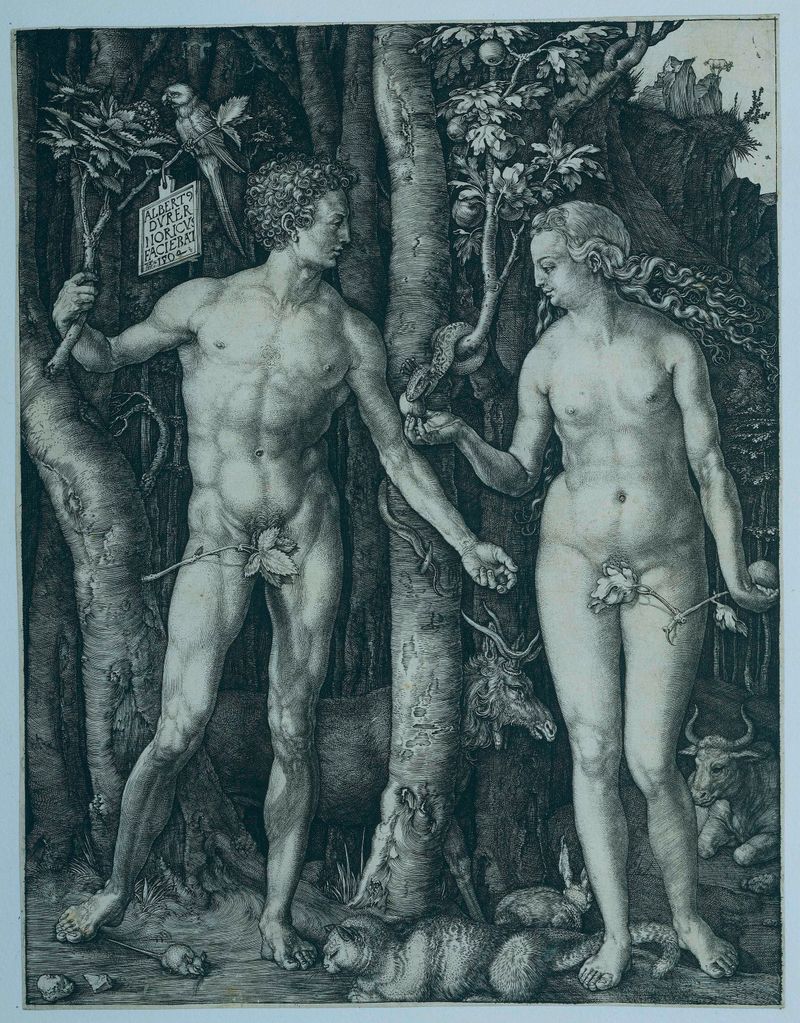
Adam en Eva
Albrecht Dürer
More Religious Art
Browse all →
The Return of the Prodigal Son
Rembrandt van Rijn

The Garden of Earthly Delights
El Bosco

Count Orgaz’ funeral
El Greco

The Hundred Guilder Print: the central piece with Christ preaching, the plate arched
Rembrandt van Rijn

The Descent from the Cross
Rogier van der Weyden

The return of the prodigal son
Rembrandt van Rijn