
De Heilige Familie met Johannes de Evangelist, Maria Magdalena en Nicodemus — History & Facts
In the delicate interplay of creation, artistic expression becomes a vessel for deeper truths, revealing the struggles entwined with the divine. Look closely at the figures clustered around the central composition, where the Virgin Mary tenderly cradles the Child, casting a protective aura. Notice how the soft light illuminates their faces, highlighting the gentle curves and delicate textures of their garments. The rich colors of gold and azure envelop the scene, while the intricate details of Dürer’s technique invite you to explore the subtleties of their expressions and gestures, each echoing their profound emotional weight. Yet, beneath the serene surface, hidden tensions linger.
The presence of Nicodemus, draped in shadow, contrasts with the luminous figures of Mary and the Child, suggesting themes of doubt and faith. The positioning of John the Evangelist, slightly apart but engaged, hints at the fractious interplay between belief and skepticism. Each figure embodies a complexity of human emotion, intertwining pain and devotion, while the surrounding elements, from the foliage to the architecture, reinforce the sacredness of their moment. During the early 16th century, Dürer was deeply immersed in the Renaissance, seeking to blend northern and southern artistic traditions.
Painted between 1510 and 1515, this work reflects his exploration of religious themes while grappling with personal challenges, including the struggles of artistic innovation and the fluctuating political landscape of Europe. Here, he deftly navigates the interplay of spiritual and human experiences, capturing a moment that resonates through time.
More Artworks by Albrecht Dürer
Browse all →
Melancholia
Albrecht Dürer
Melancholie
Albrecht Dürer
Neushoorn
Albrecht Dürer
Knight, Death, and the Devil
Albrecht Dürer

De vier ruiters van de apocalyps
Albrecht Dürer

De vier ruiters van de apocalyps
Albrecht Dürer
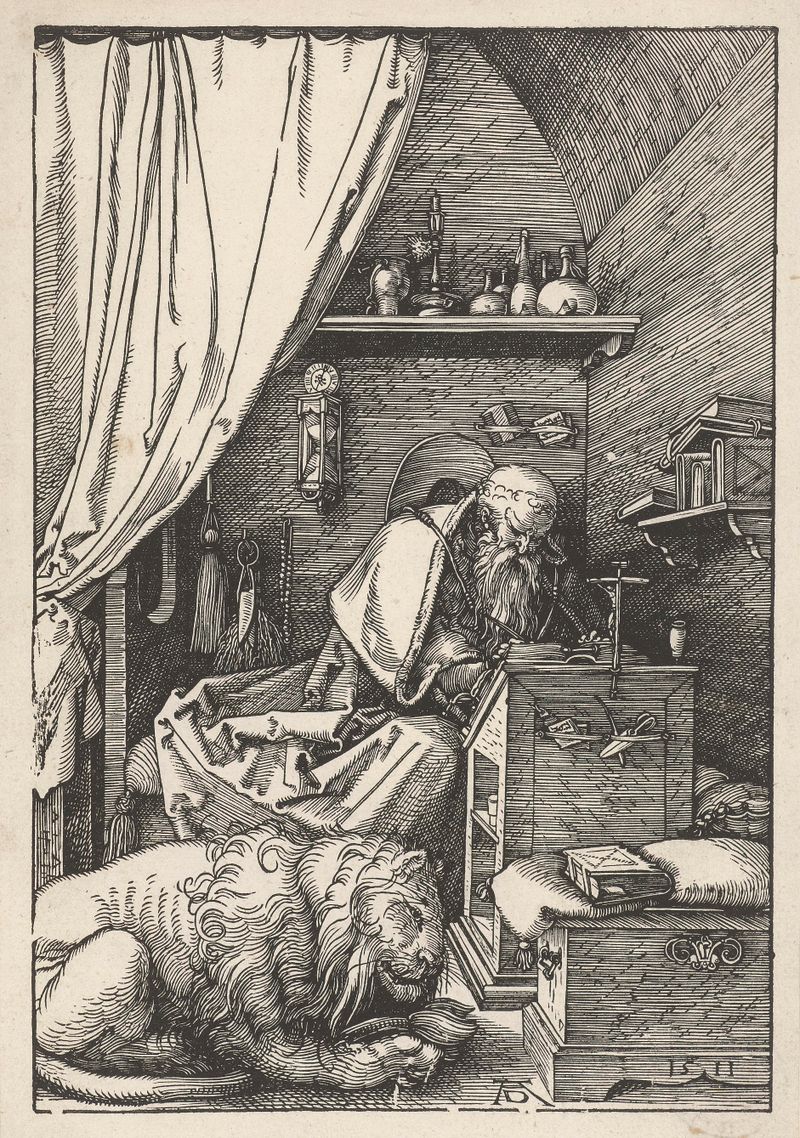
De Heilige Hiëronymus in zijn studeervertrek
Albrecht Dürer
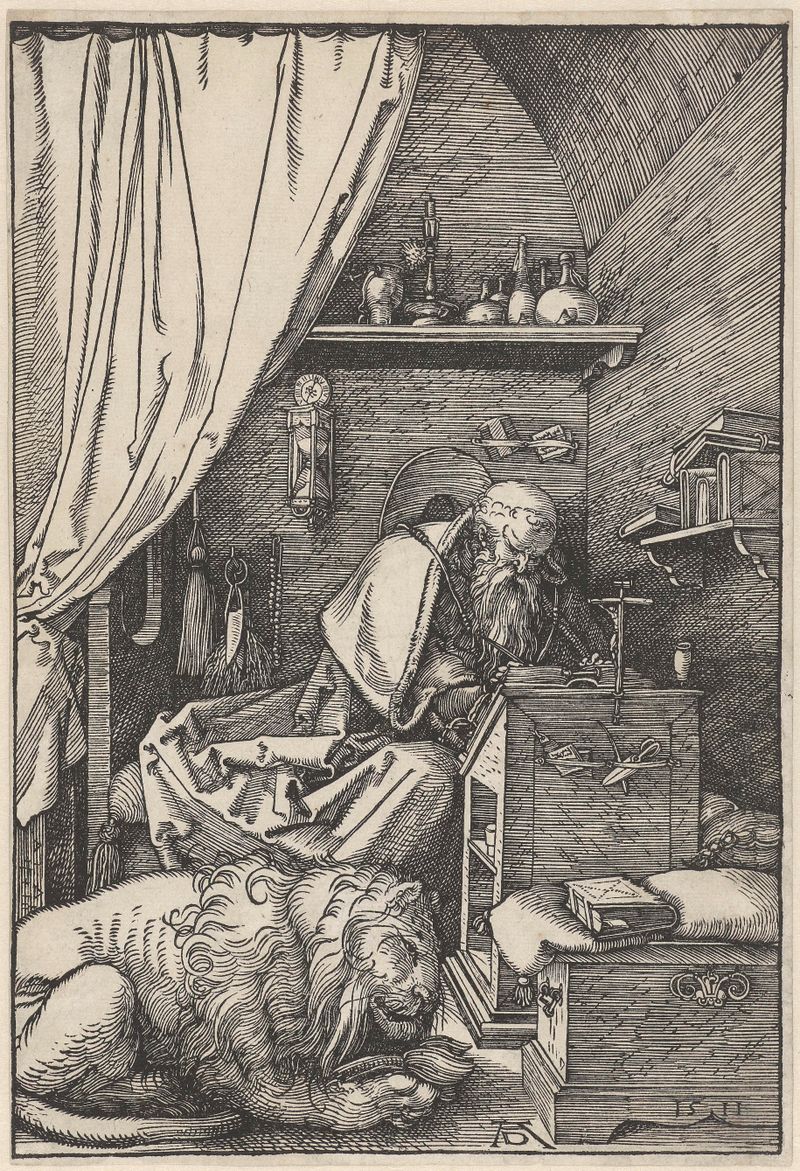
De Heilige Hiëronymus in zijn studeervertrek
Albrecht Dürer
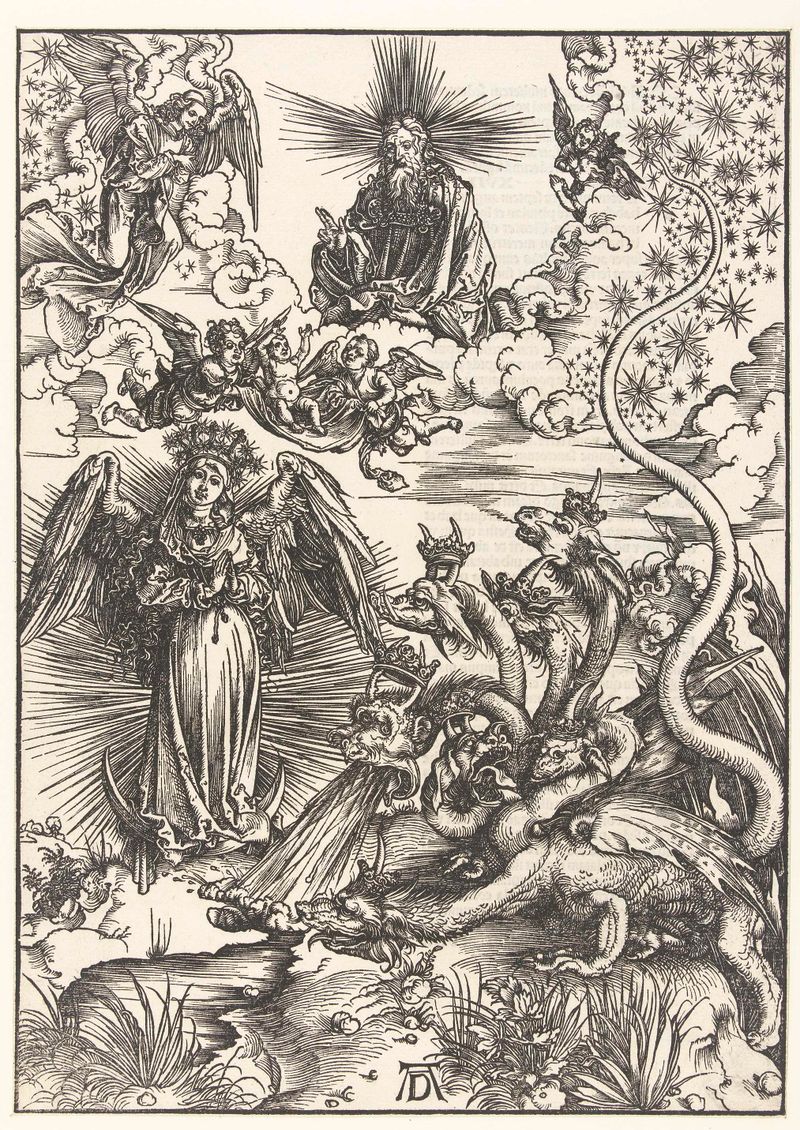
De apocalyptische vrouw en de zevenkoppige draak
Albrecht Dürer
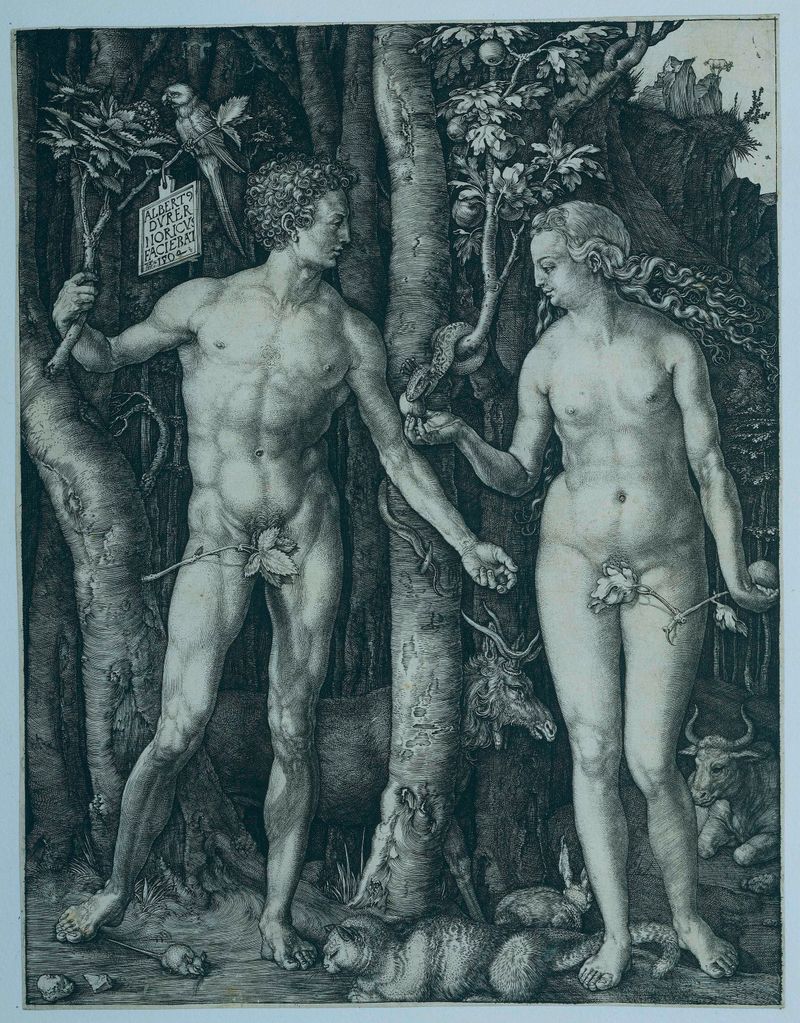
Adam en Eva
Albrecht Dürer
More Religious Art
Browse all →
The Return of the Prodigal Son
Rembrandt van Rijn

The Garden of Earthly Delights
El Bosco

Count Orgaz’ funeral
El Greco

The Hundred Guilder Print: the central piece with Christ preaching, the plate arched
Rembrandt van Rijn

The Descent from the Cross
Rogier van der Weyden

The return of the prodigal son
Rembrandt van Rijn