
De Heilige Hiëronymus in de wildernis — History & Facts
In De Heilige Hiëronymus in de wildernis, the weight of solitude and reflection captures the eternal struggle for legacy. The painting invites profound introspection, urging us to ponder our own paths in the shadows of great thinkers. Focus first on the figure of Saint Jerome, seated in deep contemplation amidst a dense, shadowy wilderness. His worn robes and the somber palette of browns and greens evoke a sense of earthly burdens.
Notice the delicate play of light that filters through the trees, illuminating his furrowed brow and the open book in his lap, symbolizing wisdom and the pursuit of knowledge. Dürer’s meticulous detail serves to draw the viewer into this moment of stillness and thought, emphasizing the dichotomy between the serene beauty of nature and the ruggedness of solitude. Within this composition lies the paradox of enlightenment and isolation. The surrounding wilderness, while lush and alive, hints at the wild chaos of the world that Jerome seeks to escape.
The lion resting by his side signifies both companionship and the untamed aspects of existence, a nod to the complexity of human nature and the struggle for understanding amidst cries for purpose. Every element lays bare the tension between spiritual aspiration and earthly reality—a message that reverberates through time. Created in 1512 during a period of intense artistic innovation, the artist was immersed in the transition from the Gothic to the Renaissance. Living in Nuremberg, a hub of artistic exchange, Dürer was profoundly influenced by humanism and the exploration of individual expression.
His work reflected not only personal introspection but also the broader cultural shifts of his time, as artists began to grapple with identity and legacy in their creations.
More Artworks by Albrecht Dürer
Browse all →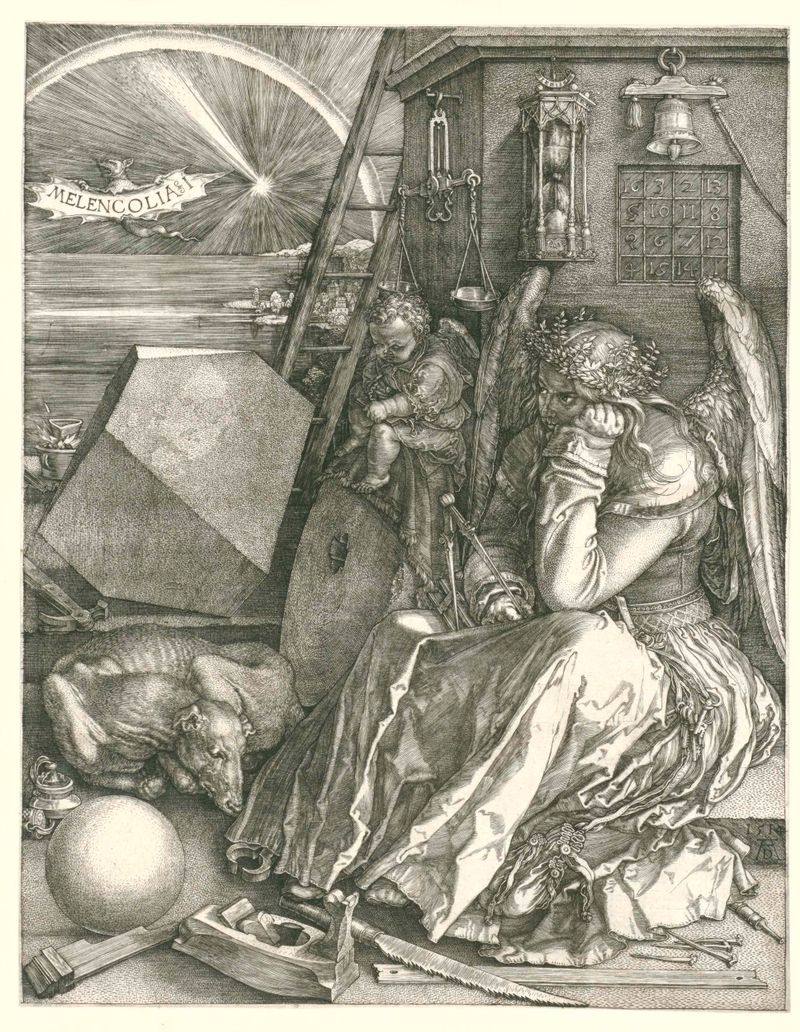
Melancholia
Albrecht Dürer
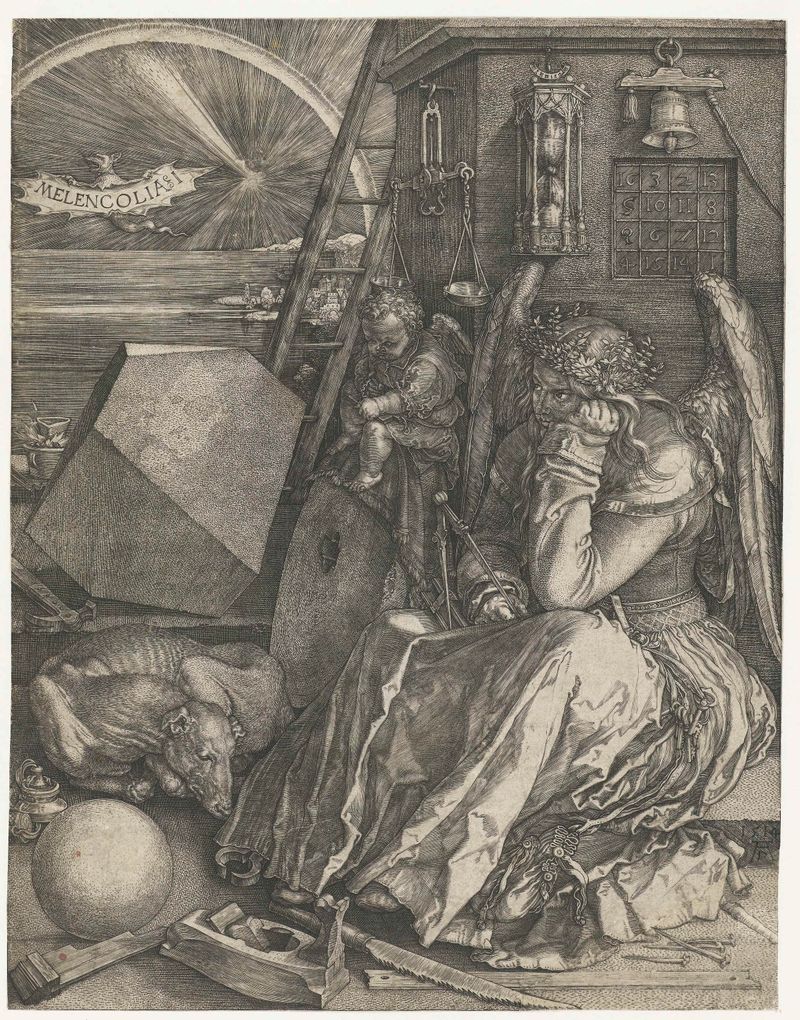
Melancholie
Albrecht Dürer
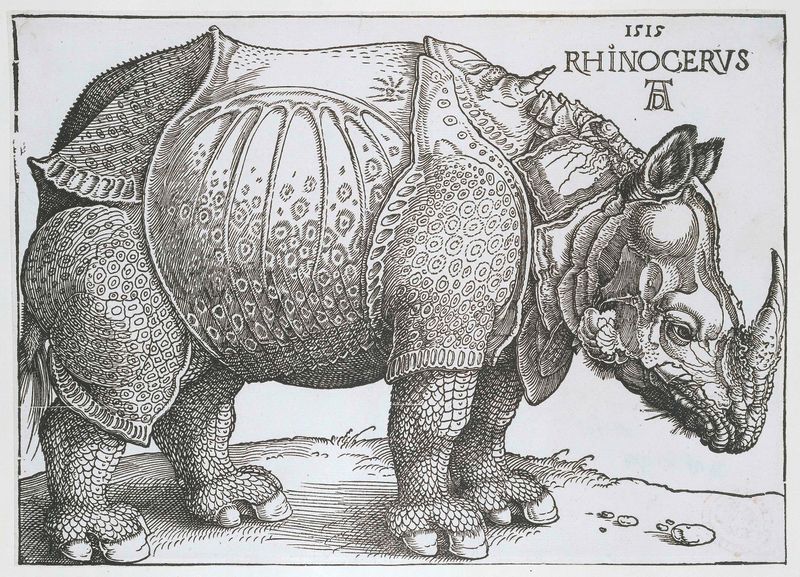
Neushoorn
Albrecht Dürer
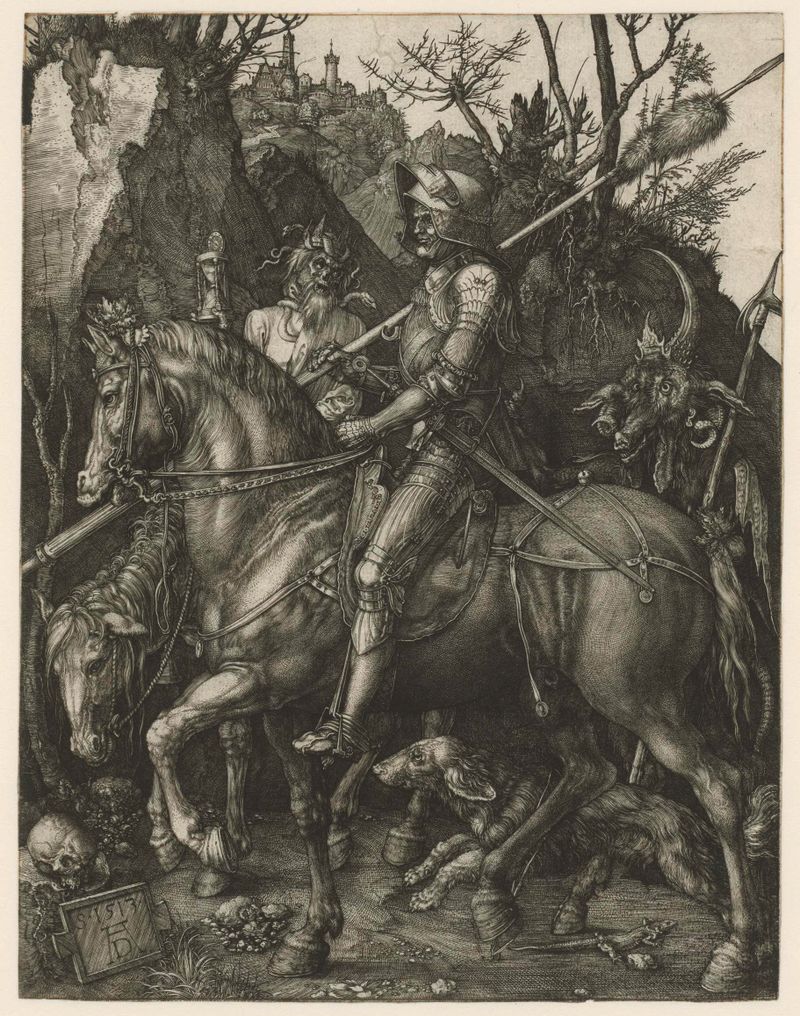
Knight, Death, and the Devil
Albrecht Dürer

De vier ruiters van de apocalyps
Albrecht Dürer

De vier ruiters van de apocalyps
Albrecht Dürer
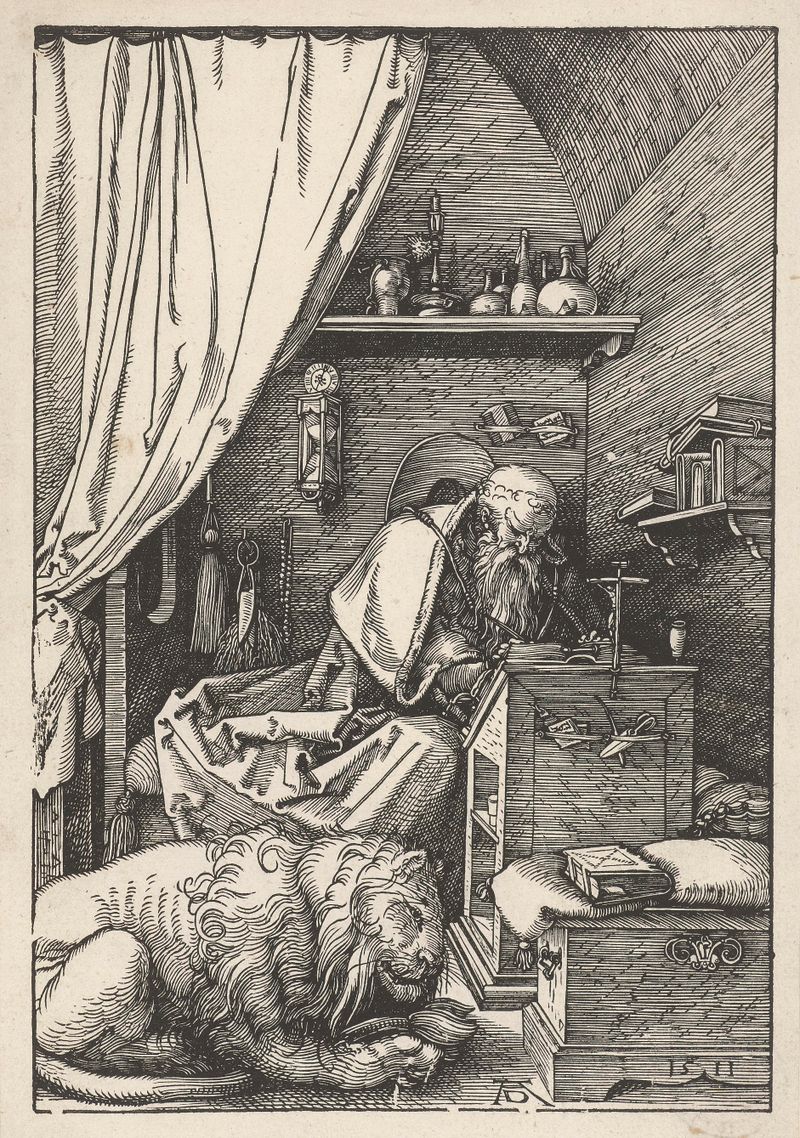
De Heilige Hiëronymus in zijn studeervertrek
Albrecht Dürer
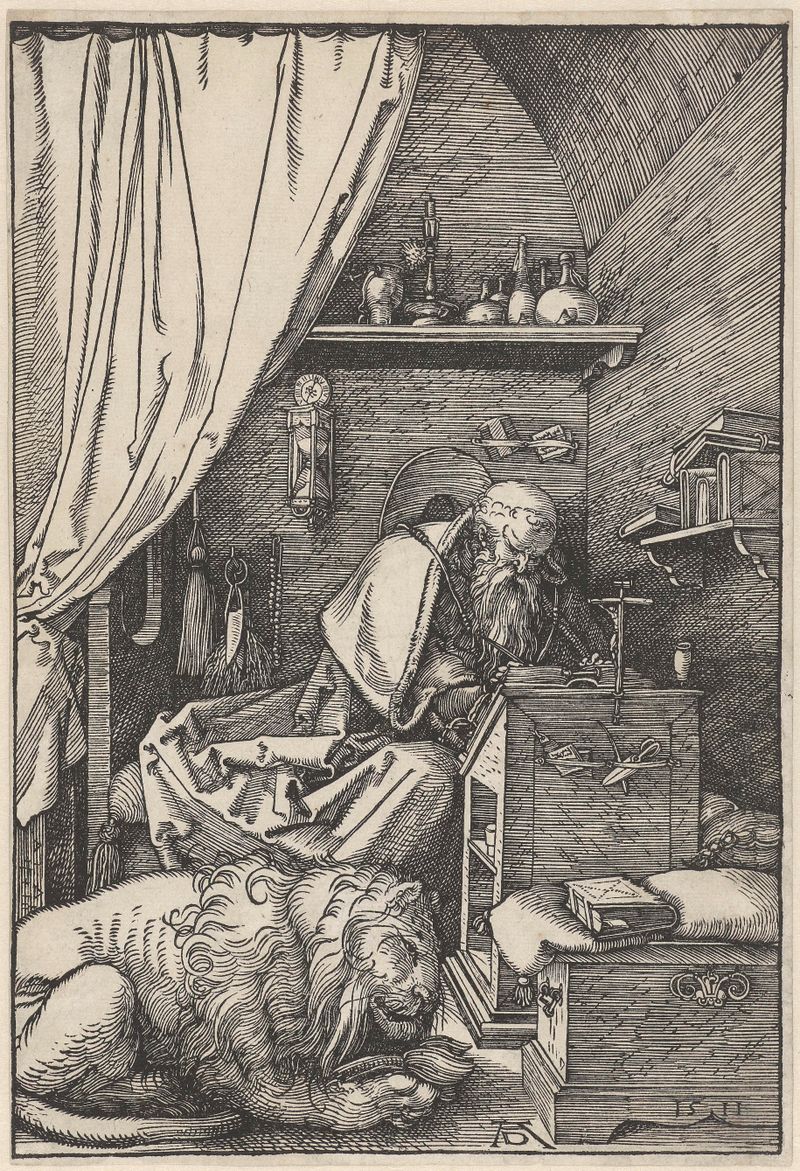
De Heilige Hiëronymus in zijn studeervertrek
Albrecht Dürer
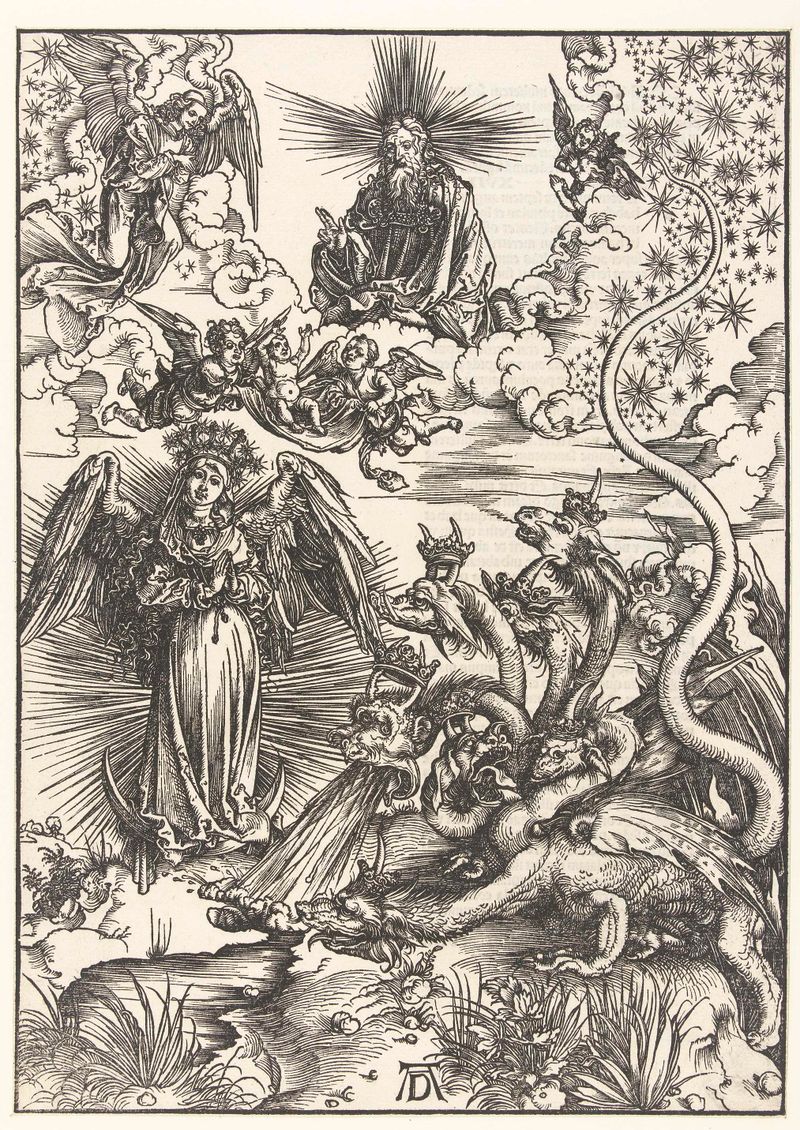
De apocalyptische vrouw en de zevenkoppige draak
Albrecht Dürer
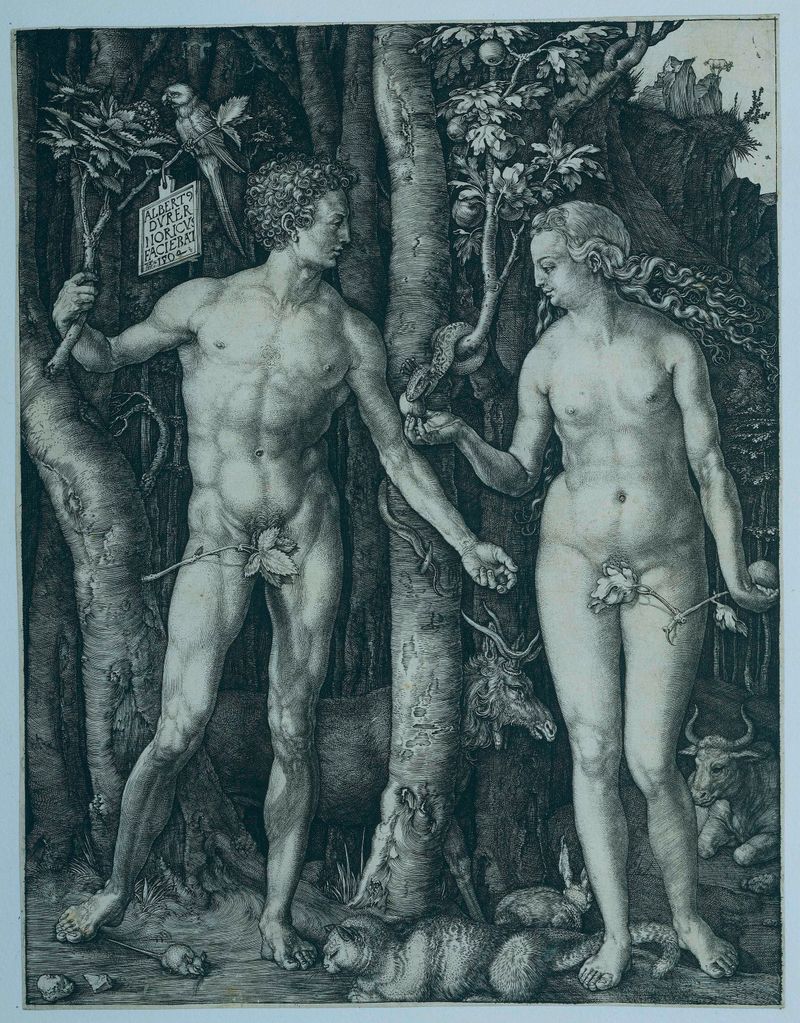
Adam en Eva
Albrecht Dürer
More Religious Art
Browse all →
The Return of the Prodigal Son
Rembrandt van Rijn

The Garden of Earthly Delights
El Bosco

Count Orgaz’ funeral
El Greco

The Hundred Guilder Print: the central piece with Christ preaching, the plate arched
Rembrandt van Rijn

The Descent from the Cross
Rogier van der Weyden

The return of the prodigal son
Rembrandt van Rijn