
De Heilige Hiëronymus schrijvend in een grot — History & Facts
In the serene depths of existence, the soul stirs awake amidst shadows and light, seeking enlightenment through contemplation and artistry. Look to the left at the figure of St. Jerome, his brow furrowed in intense focus as he writes. The soft glow of natural light filters into the cave, illuminating the intricacies of his fur-lined cloak and the rugged stone surrounding him.
Dürer’s meticulous attention to detail draws the eye to the delicate textures of the paper and ink, showcasing the artist’s skill with chiaroscuro that enhances the depth and sincerity of the moment. This interplay of light and shadow not only captures a physical space but also evokes a profound sense of introspection. Beneath the surface, the work speaks to the duality of knowledge and solitude. The isolation of the saint suggests a deep emotional struggle, reflecting the tension between worldly distractions and spiritual enlightenment.
The presence of the lion, a faithful companion at his feet, symbolizes strength and protection yet also hints at the complex relationship between man and nature. The stark cave setting contrasts the vibrant inner world of thought, reinforcing the idea that true awakening often occurs in the quietest of places. Dürer created this masterpiece between 1608 and 1618, during a period of personal reflection and artistic maturation. Living in Nuremberg, he was influenced by the Northern Renaissance’s strong emphasis on detail and realism, as well as the shifting tides of spiritual thought across Europe.
The painting embodies his quest for truth and the human experience, reflecting a world in transition yet eternally engaged with the quest for understanding.
More Artworks by Albrecht Dürer
Browse all →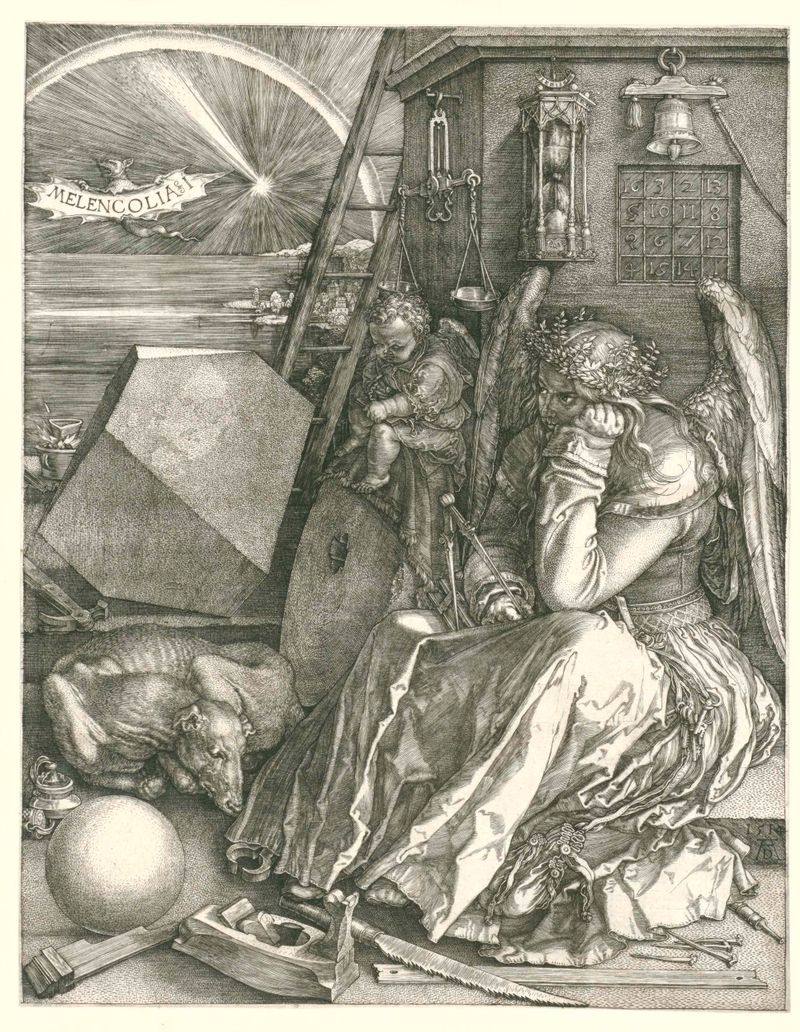
Melancholia
Albrecht Dürer
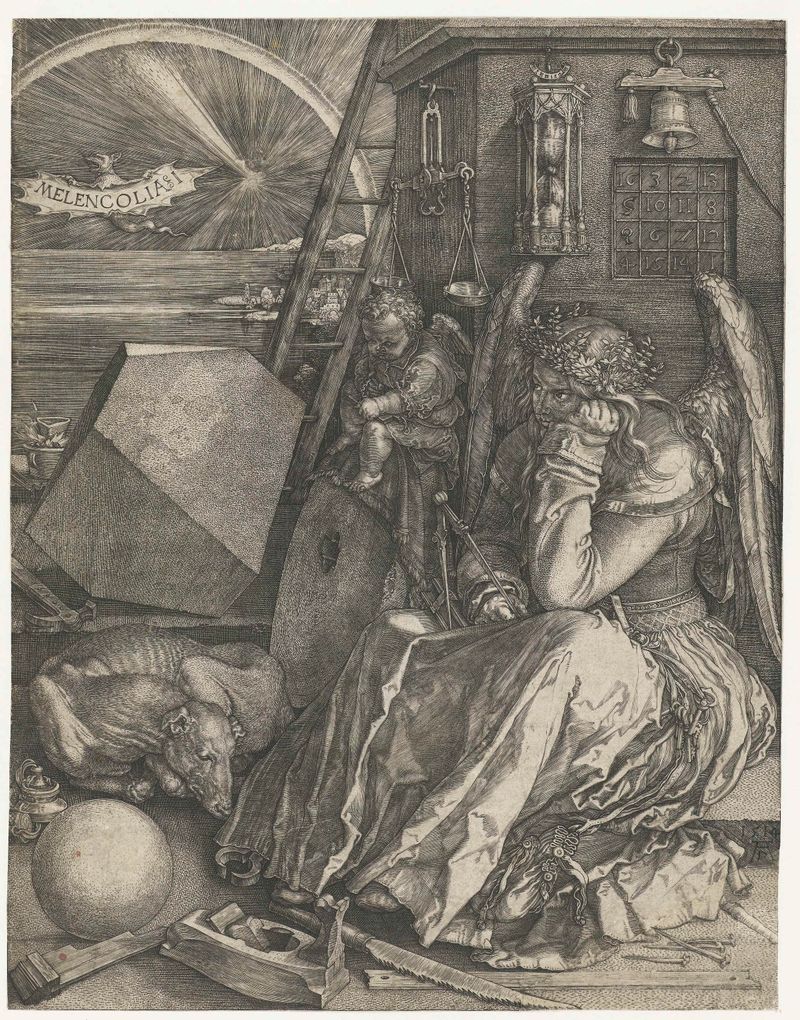
Melancholie
Albrecht Dürer
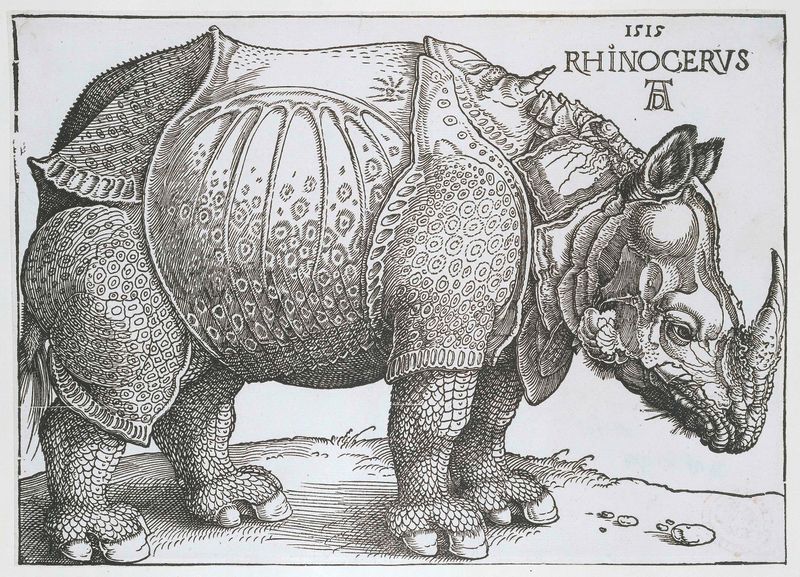
Neushoorn
Albrecht Dürer
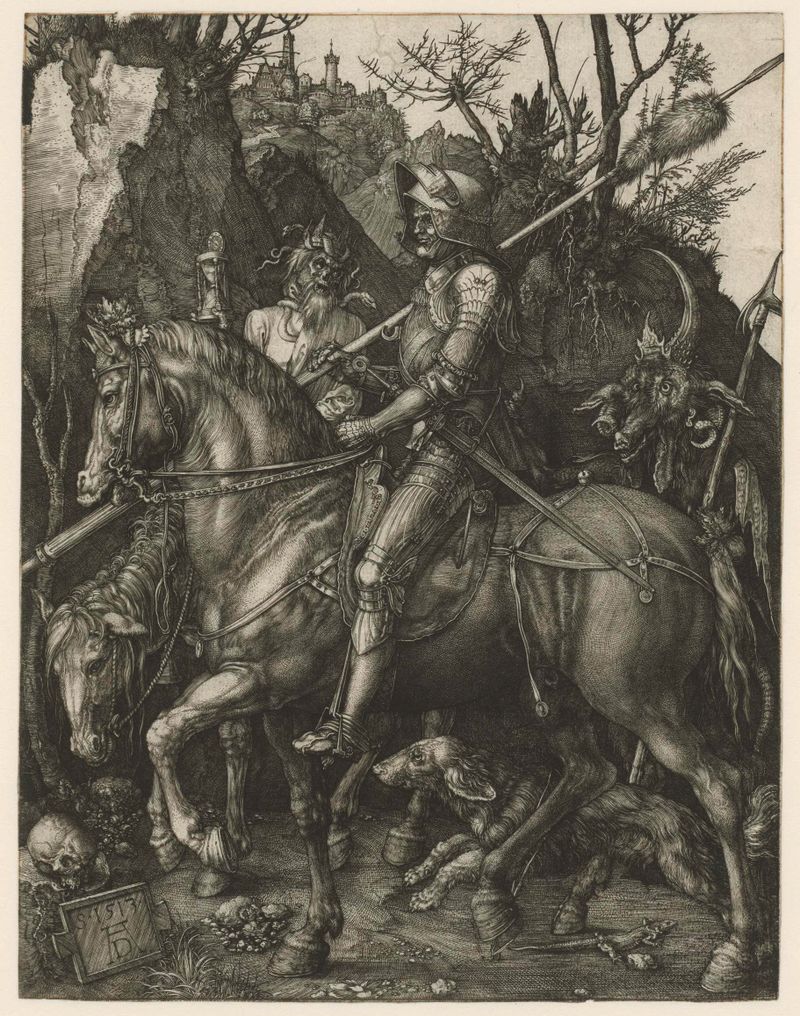
Knight, Death, and the Devil
Albrecht Dürer

De vier ruiters van de apocalyps
Albrecht Dürer

De vier ruiters van de apocalyps
Albrecht Dürer
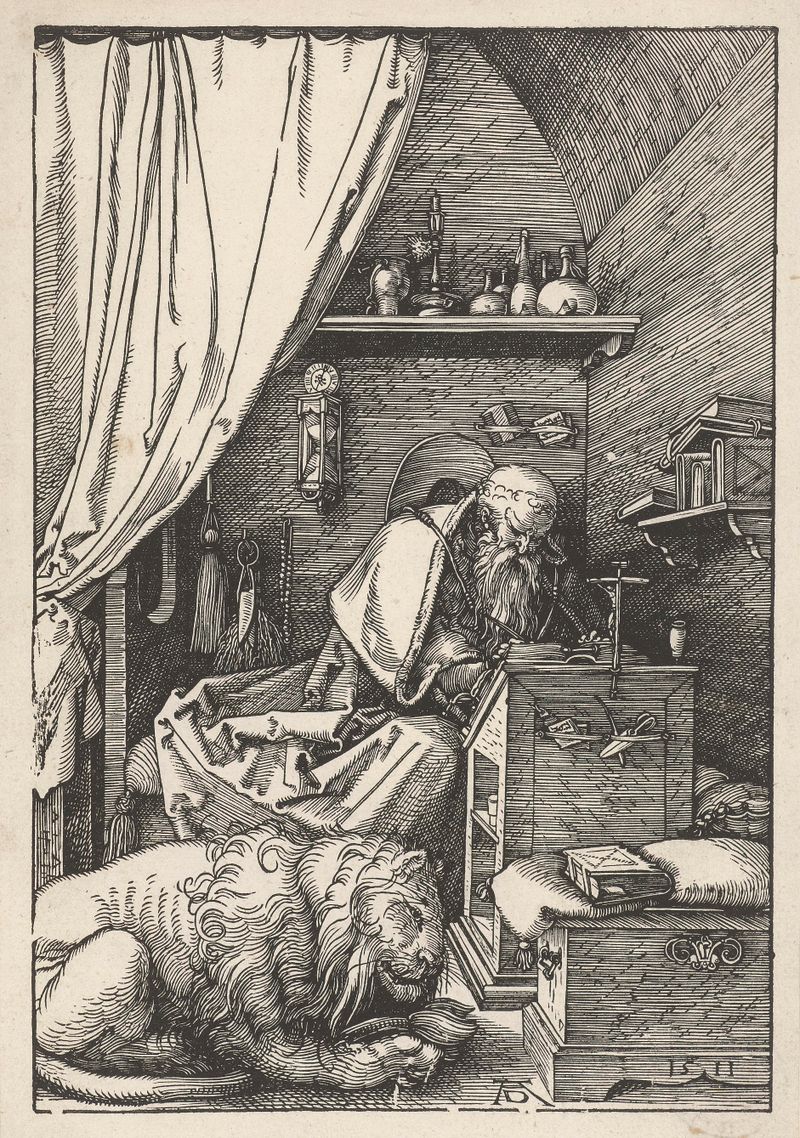
De Heilige Hiëronymus in zijn studeervertrek
Albrecht Dürer
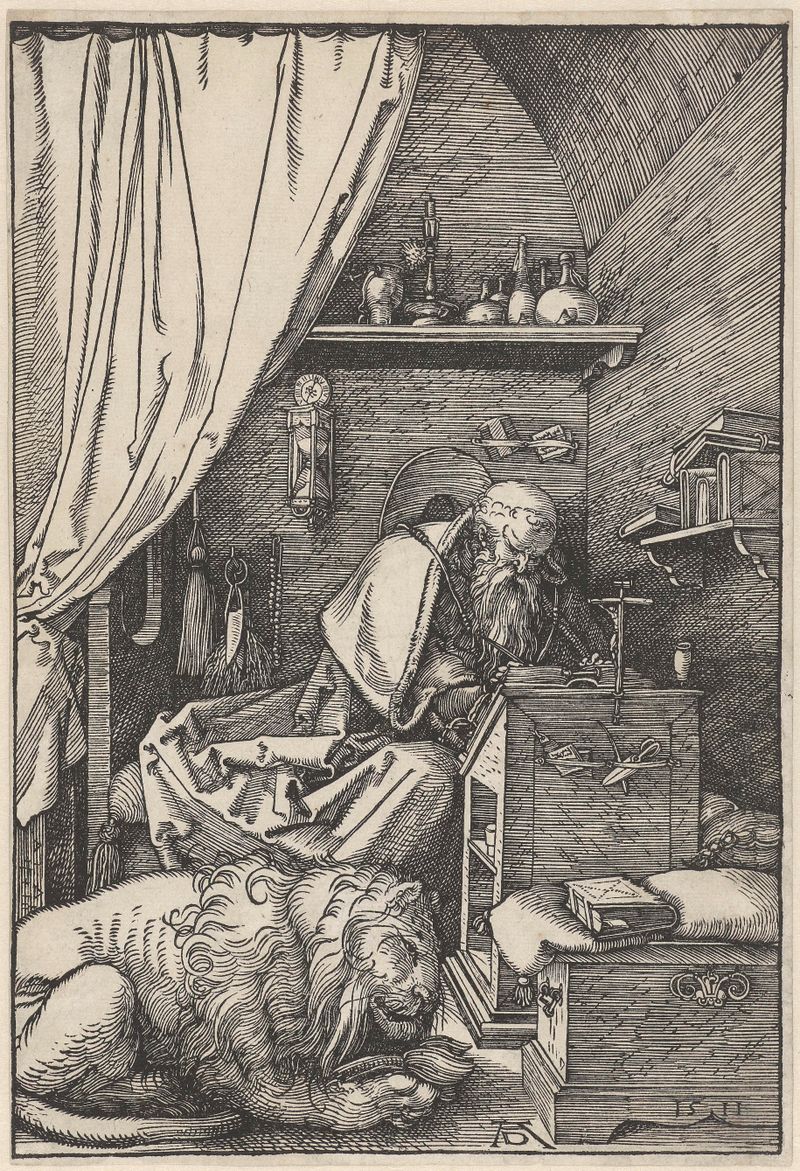
De Heilige Hiëronymus in zijn studeervertrek
Albrecht Dürer
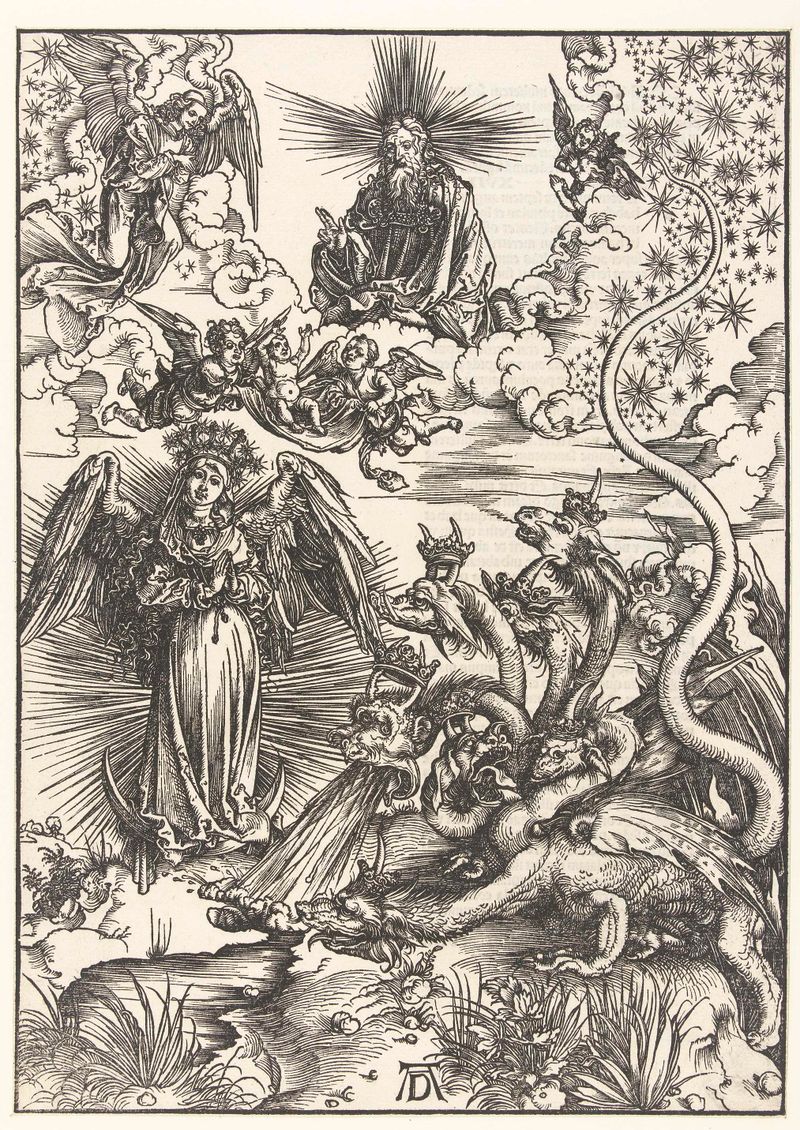
De apocalyptische vrouw en de zevenkoppige draak
Albrecht Dürer
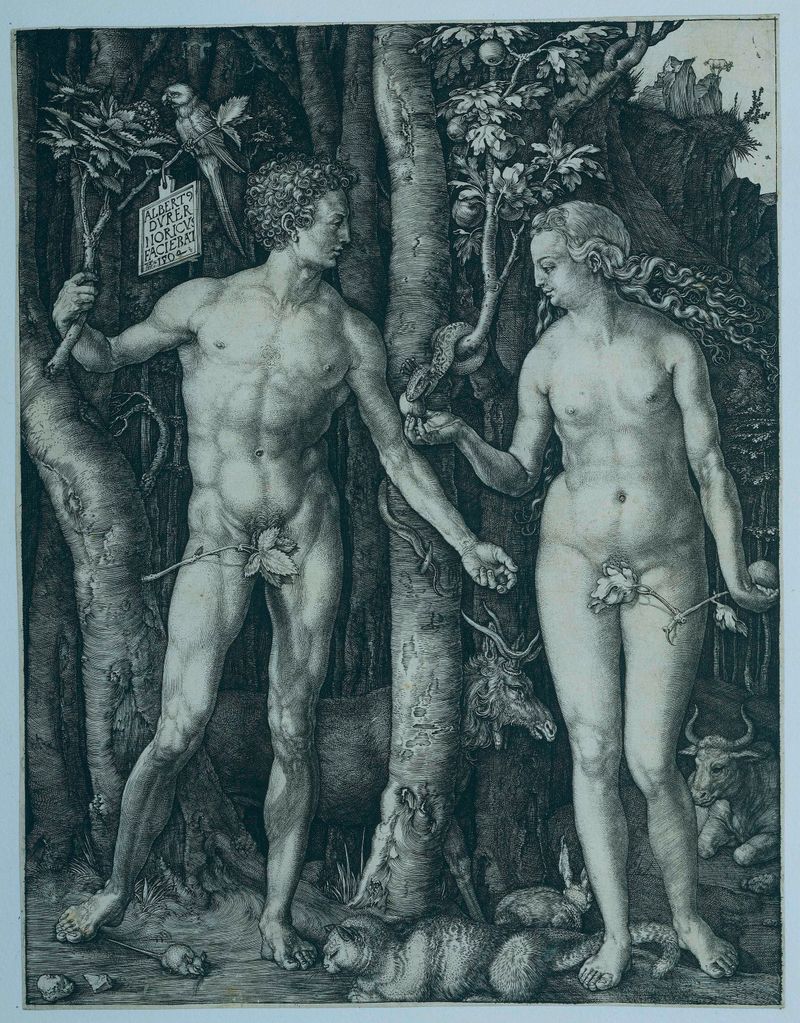
Adam en Eva
Albrecht Dürer
More Religious Art
Browse all →
The Return of the Prodigal Son
Rembrandt van Rijn

The Garden of Earthly Delights
El Bosco

Count Orgaz’ funeral
El Greco

The Hundred Guilder Print: the central piece with Christ preaching, the plate arched
Rembrandt van Rijn

The Descent from the Cross
Rogier van der Weyden

The return of the prodigal son
Rembrandt van Rijn