
De Heilige Johannes Chrysostomus en de koningin met haar pasgeboren zoon — History & Facts
When did color learn to lie? In a world where hues dance in contradiction, the chaos of reality often feels like a facade, cleverly veiled beneath a serene surface. Focus on the radiant figure of the queen, her vibrant blue gown cascading around her like a river of fabric. Notice how the delicate interplay of light and shadow accentuates her features, lending an air of regal calm amidst the tumult of motherhood. The saint, cloaked in a rich gold robe, stands beside her, his presence both grounding and ethereal, as he cradles the newborn tightly, the infant's innocence stark against the depth of their surroundings.
The palette is vivid yet paradoxically restrained, drawing attention to the tension between the figures’ calm demeanor and the chaos that swirls just outside the frame. Hidden within this composition lies an intricate web of emotional contrasts. The queen's serene expression belies the tumult of childbirth and the weight of her responsibilities, while the saint's gentle touch hints at spiritual guidance amid worldly turmoil. The juxtaposition of their calm and the implied chaos of the outside world speaks to the universal experience of seeking solace in a world that often feels disordered. In the late 15th century, Dürer was at the forefront of the Northern Renaissance, painting De Heilige Johannes Chrysostomus en de koningin met haar pasgeboren zoon between 1494 and 1498.
During this period, he was deeply engaged in exploring human emotion through art while navigating personal and professional challenges, including the burgeoning market for prints and the evolving relationship between artists and their patrons. This work encapsulates not only his mastery of form and color but also his profound understanding of the human condition amidst the ongoing chaos of life.
More Artworks by Albrecht Dürer
Browse all →
Melancholia
Albrecht Dürer
Melancholie
Albrecht Dürer
Neushoorn
Albrecht Dürer
Knight, Death, and the Devil
Albrecht Dürer

De vier ruiters van de apocalyps
Albrecht Dürer

De vier ruiters van de apocalyps
Albrecht Dürer
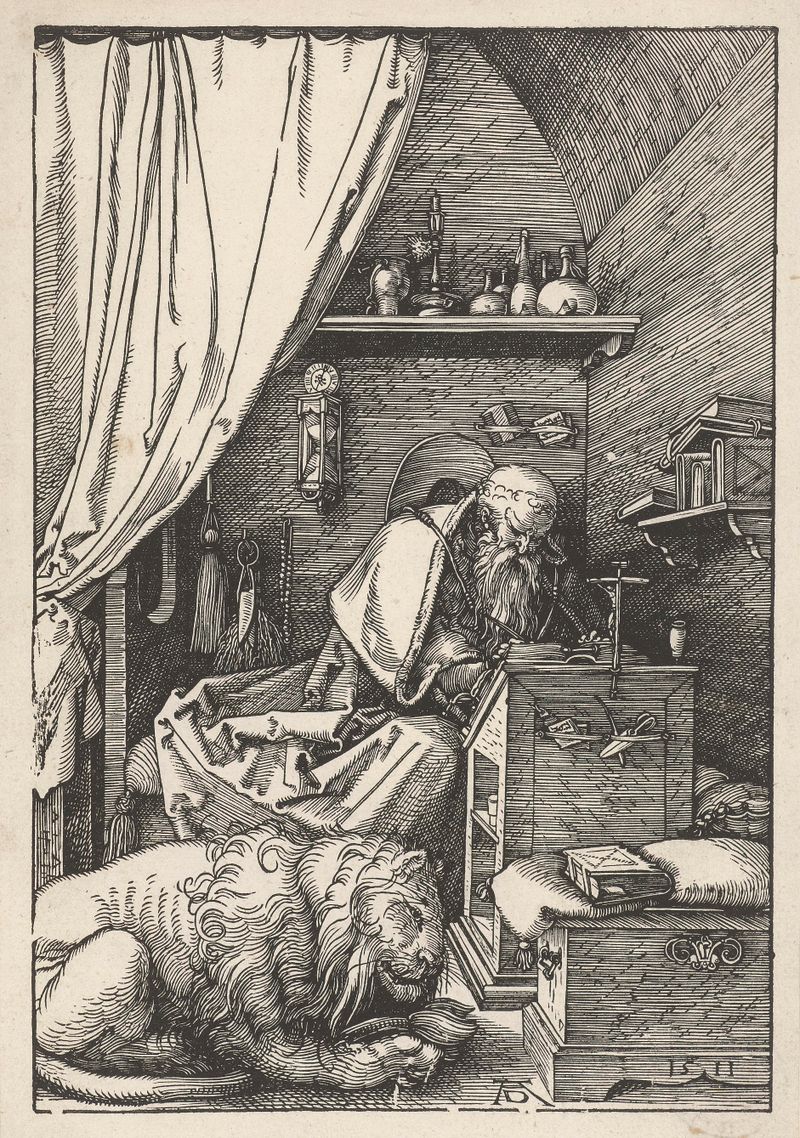
De Heilige Hiëronymus in zijn studeervertrek
Albrecht Dürer
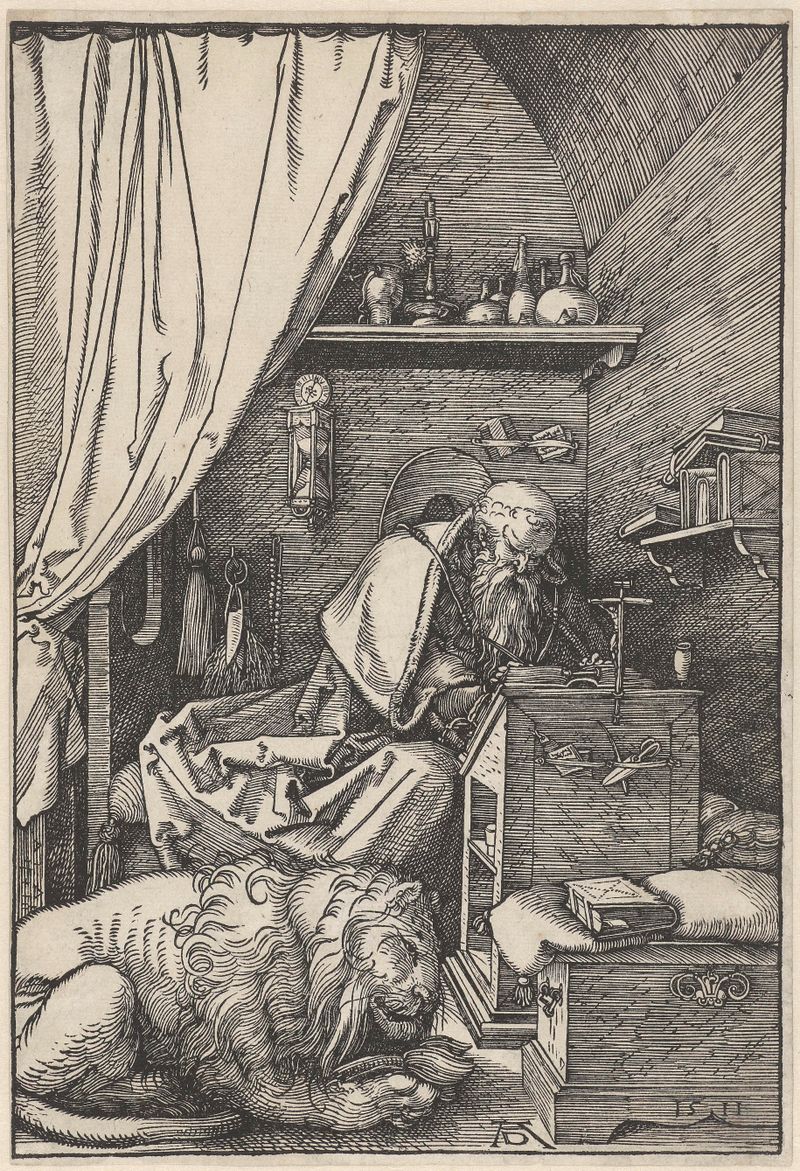
De Heilige Hiëronymus in zijn studeervertrek
Albrecht Dürer
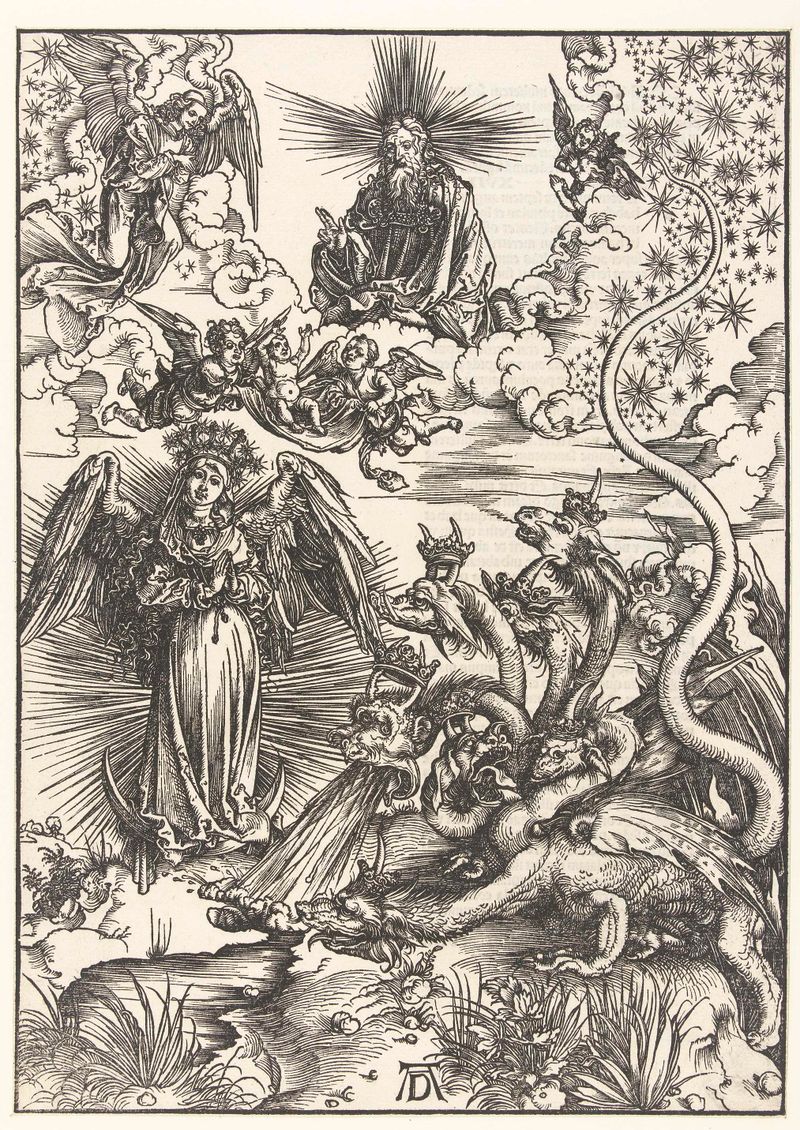
De apocalyptische vrouw en de zevenkoppige draak
Albrecht Dürer
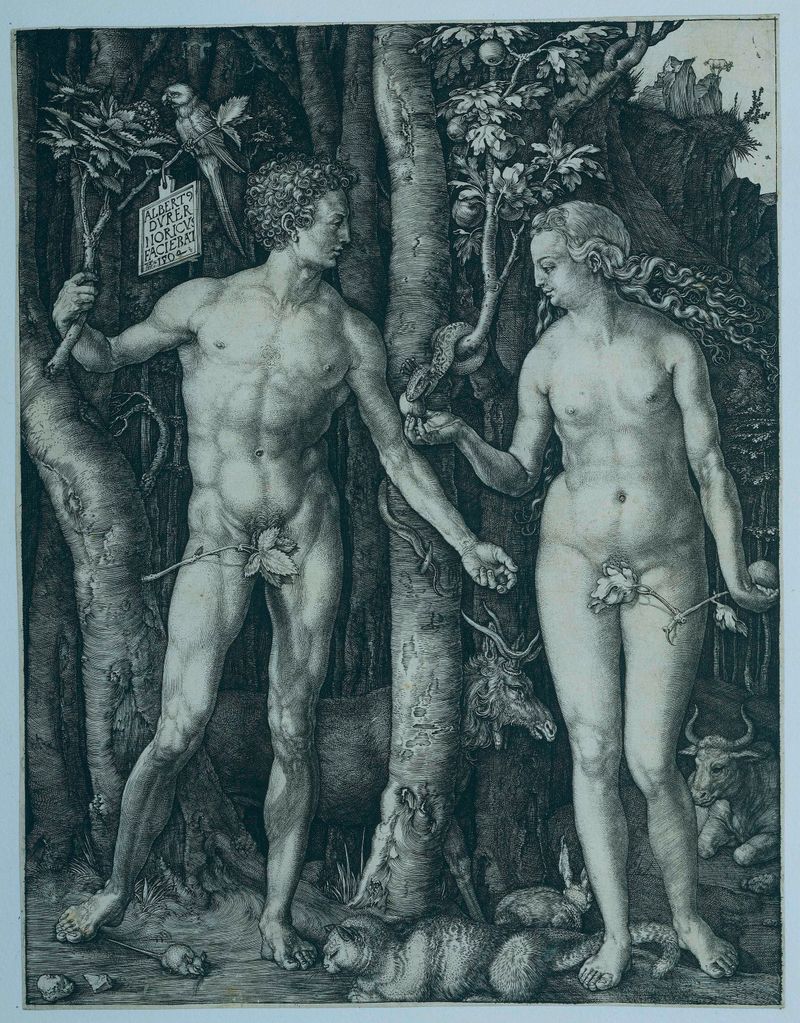
Adam en Eva
Albrecht Dürer
More Religious Art
Browse all →
The Return of the Prodigal Son
Rembrandt van Rijn

The Garden of Earthly Delights
El Bosco

Count Orgaz’ funeral
El Greco

The Hundred Guilder Print: the central piece with Christ preaching, the plate arched
Rembrandt van Rijn

The Descent from the Cross
Rogier van der Weyden

The return of the prodigal son
Rembrandt van Rijn