
De Heilige Johannes Chrysostomus en de koningin met haar pasgeboren zoon — History & Facts
Did the painter know this moment would outlive them? In the quiet embrace of mortality, De Heilige Johannes Chrysostomus en de koningin met haar pasgeboren zoon captures a reverent stillness, where time seems to pause amidst the weight of life and legacy. Look to the tender figures at the center, illuminated by a gentle light that bathes them in warmth. The queen, clad in rich fabrics, cradles her newborn with a protective grace, while St. John Chrysostomus stands beside her, his hand raised in blessing.
Notice how the intricate details of their garments — the delicate embroidery and the soft drapery — draw the eye, creating a contrast between the earthly and the divine. The palette, imbued with earth tones and muted golds, speaks to both the sanctity and the temporal nature of this intimate moment. Beneath the surface, the painting reverberates with deeper meanings: the juxtaposition of new life and the eternal presence of the holy, the intertwining of mortal joys and sorrows. The queen's gaze, both anxious and joyful, hints at the multitude of challenges she will face as a mother.
St. John’s serene countenance embodies a sense of wisdom and prophetic foresight, suggesting that every blessing comes with its lessons in mortality. In the late 15th century, Dürer was at the height of his career, navigating the evolving landscape of the Northern Renaissance. Completed between 1494 and 1598, this work reflects his pursuit of religious themes amid a backdrop of personal exploration and societal change.
Dürer’s meticulous attention to detail and emotive expression mark a significant moment in art history, showcasing the deep connections between life, faith, and the inexorable passage of time.
More Artworks by Albrecht Dürer
Browse all →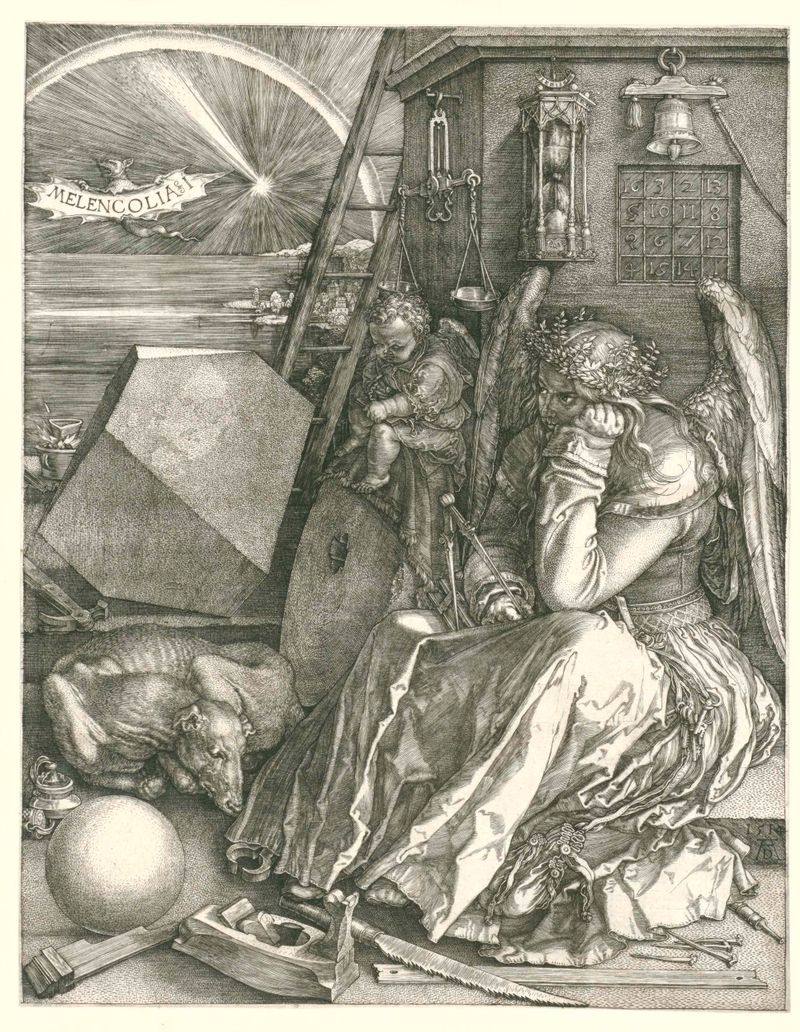
Melancholia
Albrecht Dürer
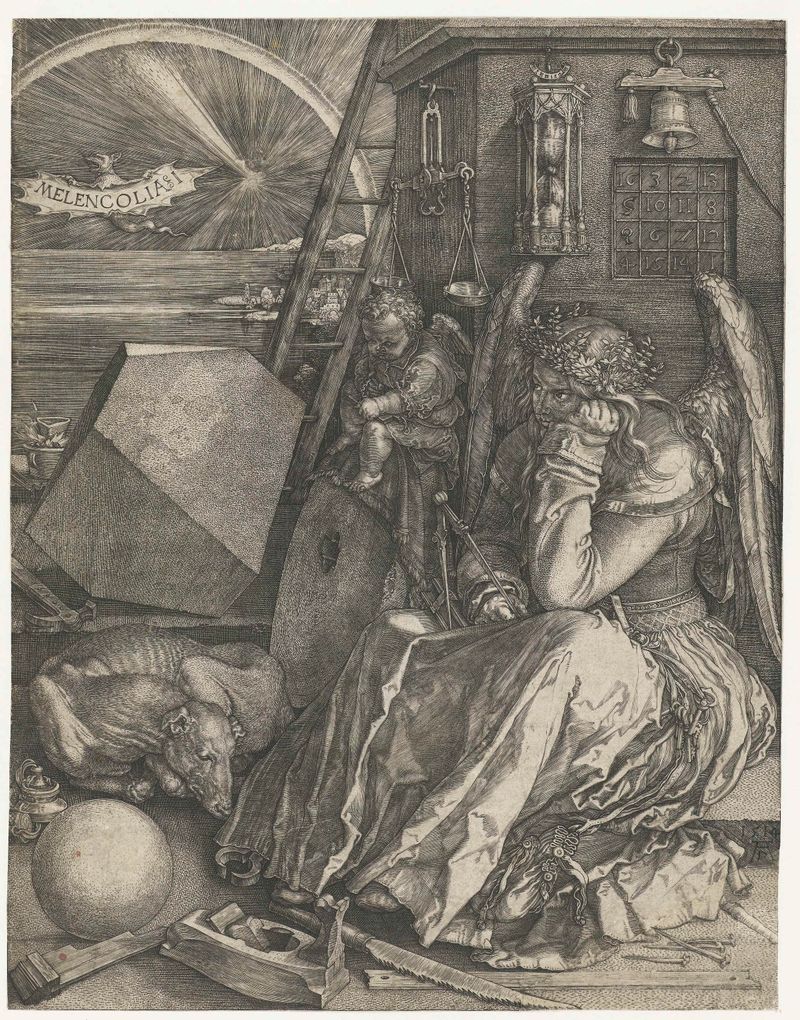
Melancholie
Albrecht Dürer

Neushoorn
Albrecht Dürer
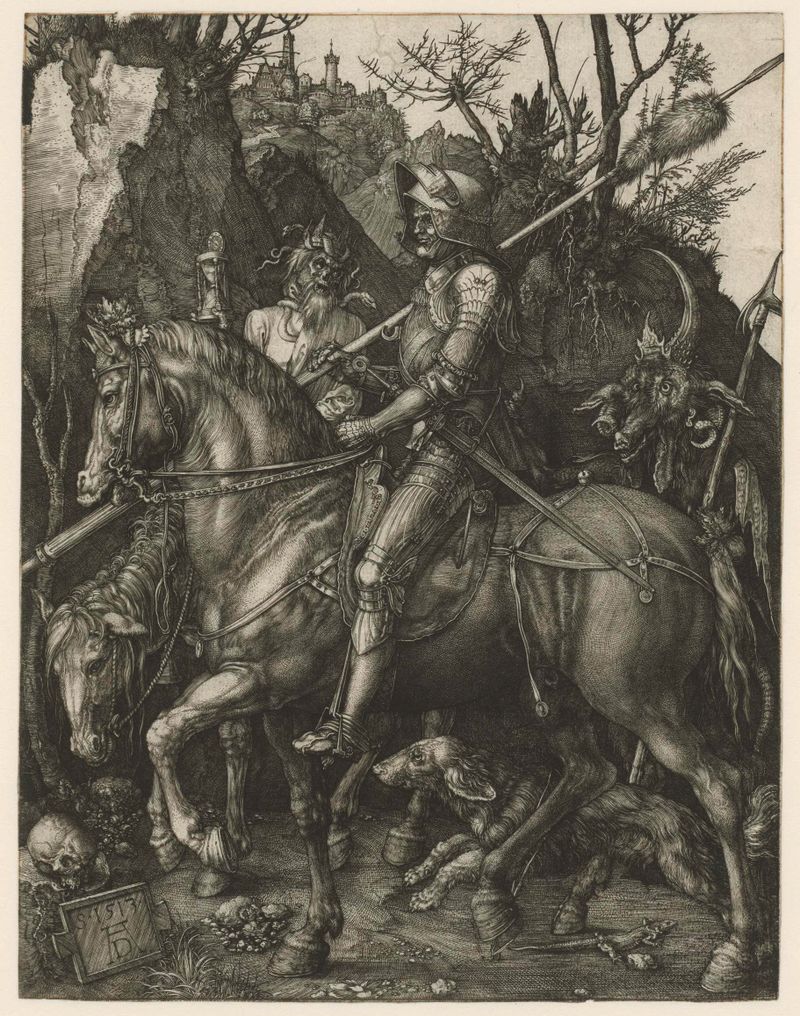
Knight, Death, and the Devil
Albrecht Dürer

De vier ruiters van de apocalyps
Albrecht Dürer

De vier ruiters van de apocalyps
Albrecht Dürer
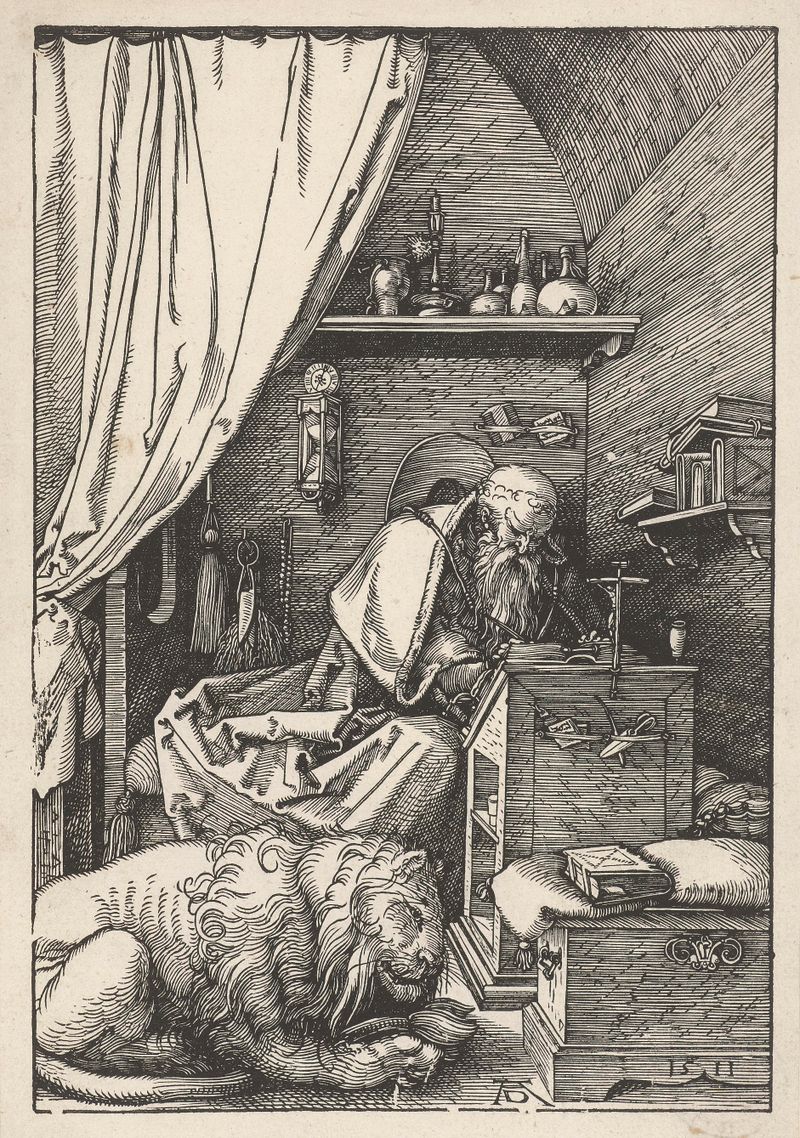
De Heilige Hiëronymus in zijn studeervertrek
Albrecht Dürer
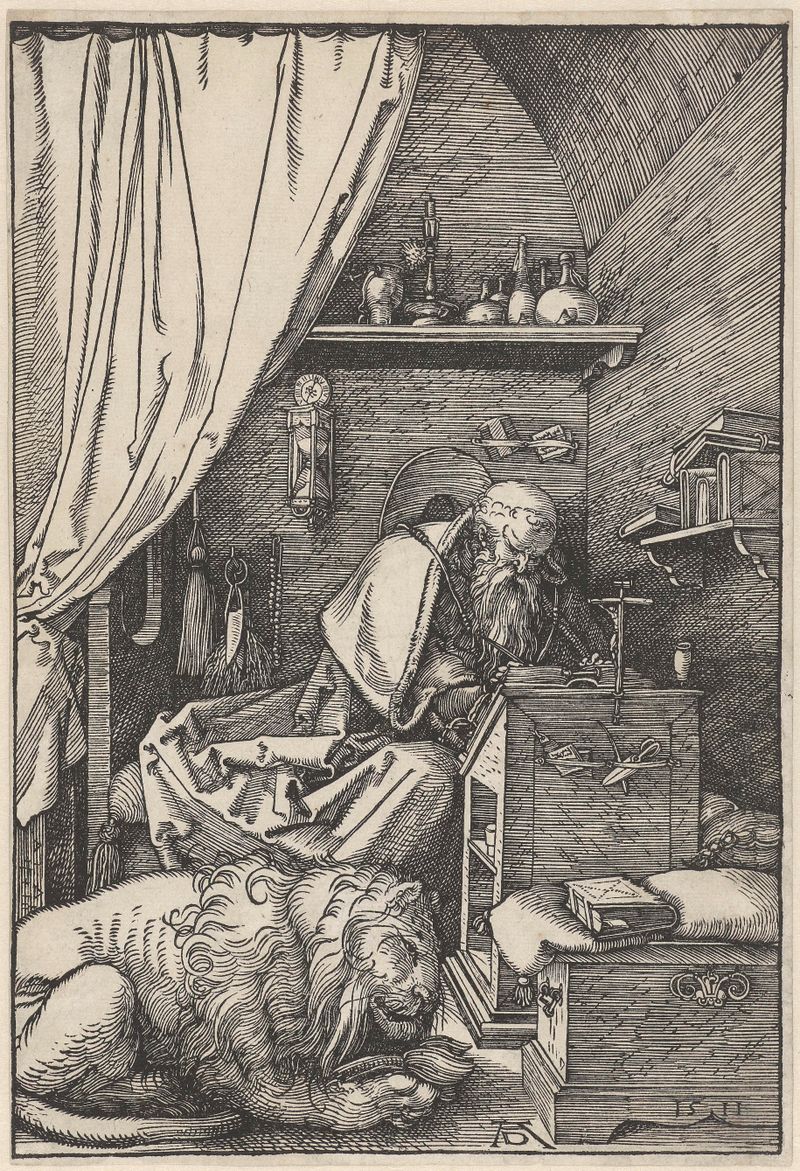
De Heilige Hiëronymus in zijn studeervertrek
Albrecht Dürer
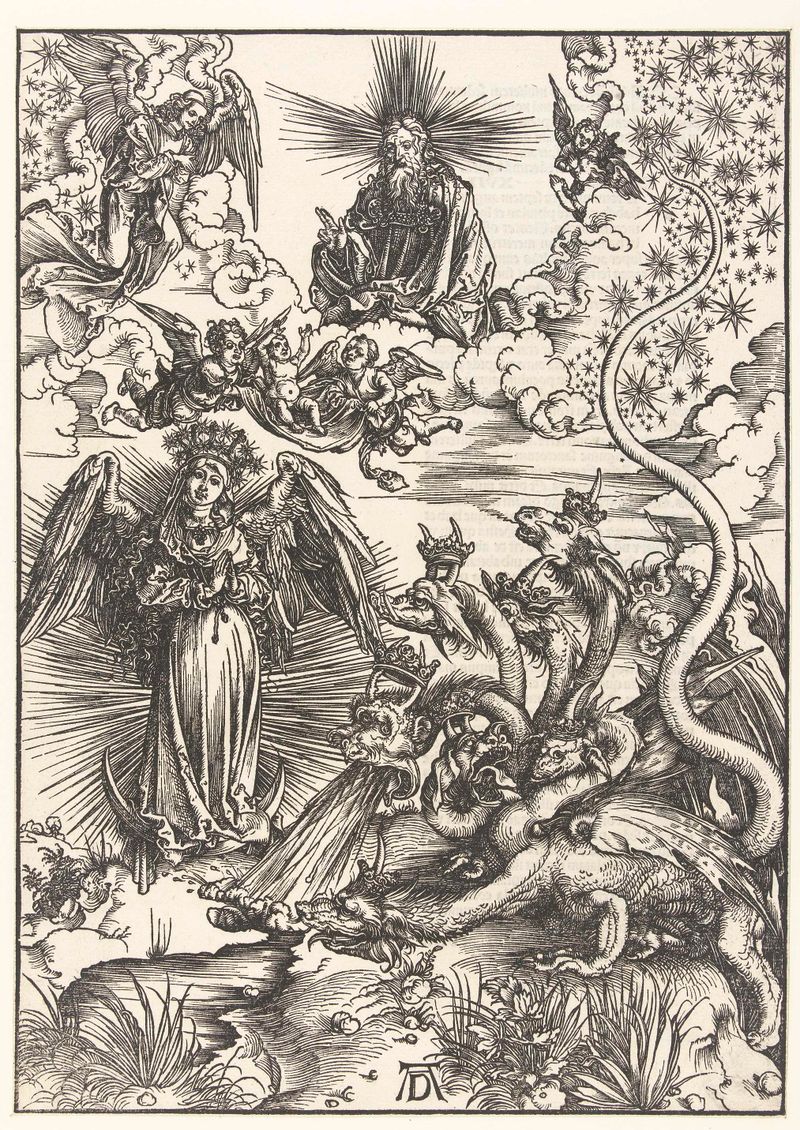
De apocalyptische vrouw en de zevenkoppige draak
Albrecht Dürer
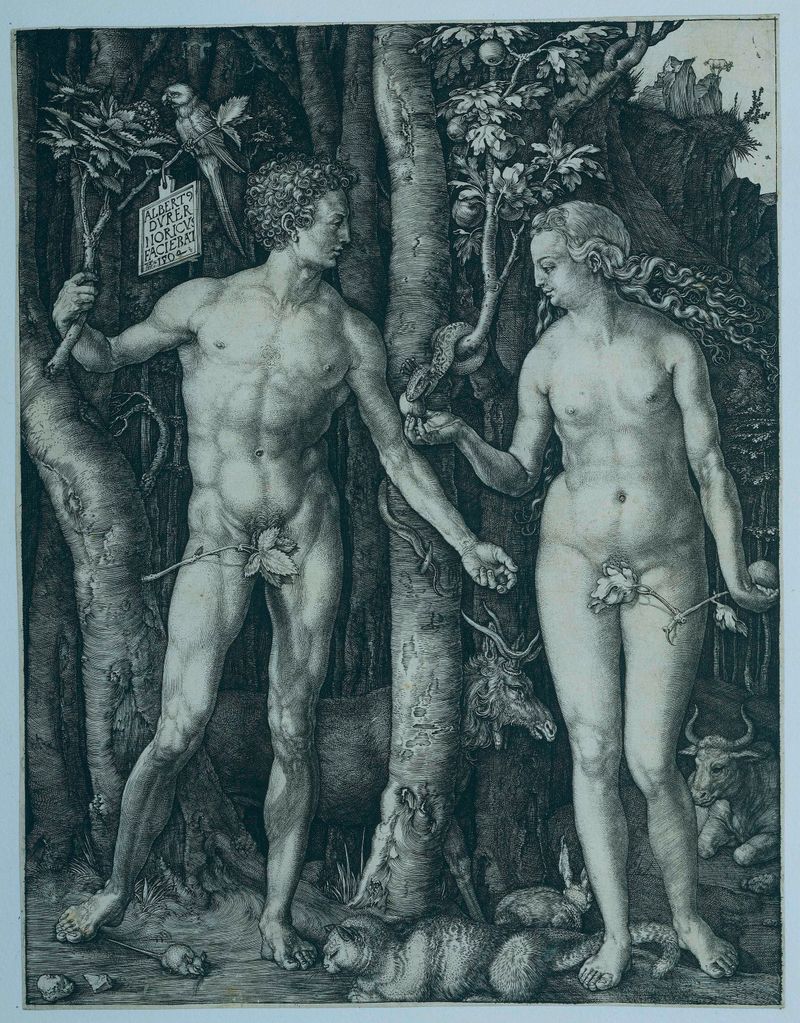
Adam en Eva
Albrecht Dürer
More Religious Art
Browse all →
The Return of the Prodigal Son
Rembrandt van Rijn

The Garden of Earthly Delights
El Bosco

Count Orgaz’ funeral
El Greco

The Hundred Guilder Print: the central piece with Christ preaching, the plate arched
Rembrandt van Rijn

The Descent from the Cross
Rogier van der Weyden

The return of the prodigal son
Rembrandt van Rijn