
De Heilige Joris staand naast de gedode draak — History & Facts
In that silence, the weight of existence hangs heavy, demanding reflection on what has been rendered and what remains unspoken. Look to the left where a majestic Saint George stands resolute, his armor glinting under an unseen light. His gaze is directed towards the fallen dragon, its lifeless body forming a stark contrast against the verdant ground. The intricate details in the knight’s attire, from the flowing cape to the ornate shield, invite the viewer’s eye to trace the contours of both heroism and vulnerability.
Notice how the muted earth tones of the dragon’s scales highlight the vibrant hues of Saint George's garb, underscoring the tension between fear and valor. Within this striking tableau, profound meanings emerge. The dragon symbolizes chaos and adversity, while the saint embodies courage and steadfastness. Yet, there lies a whisper of melancholy in the scene—an echo of what has been lost in the battle between good and evil.
The peaceful backdrop invites contemplation of the cost of triumph; the moment encapsulates not just victory, but also the heavy burden of memory that lingers long after the fight. Dürer painted this piece between 1500 and 1505 during a time when he was deeply engaged in exploring the contrasts of life and death in his art. Living in Nuremberg, he was at the forefront of the Northern Renaissance, melding traditional themes with innovative techniques. This work reflects both his mastery of detail and his philosophical inquiry into the human condition, capturing a pivotal moment where legend meets humanity.
More Artworks by Albrecht Dürer
Browse all →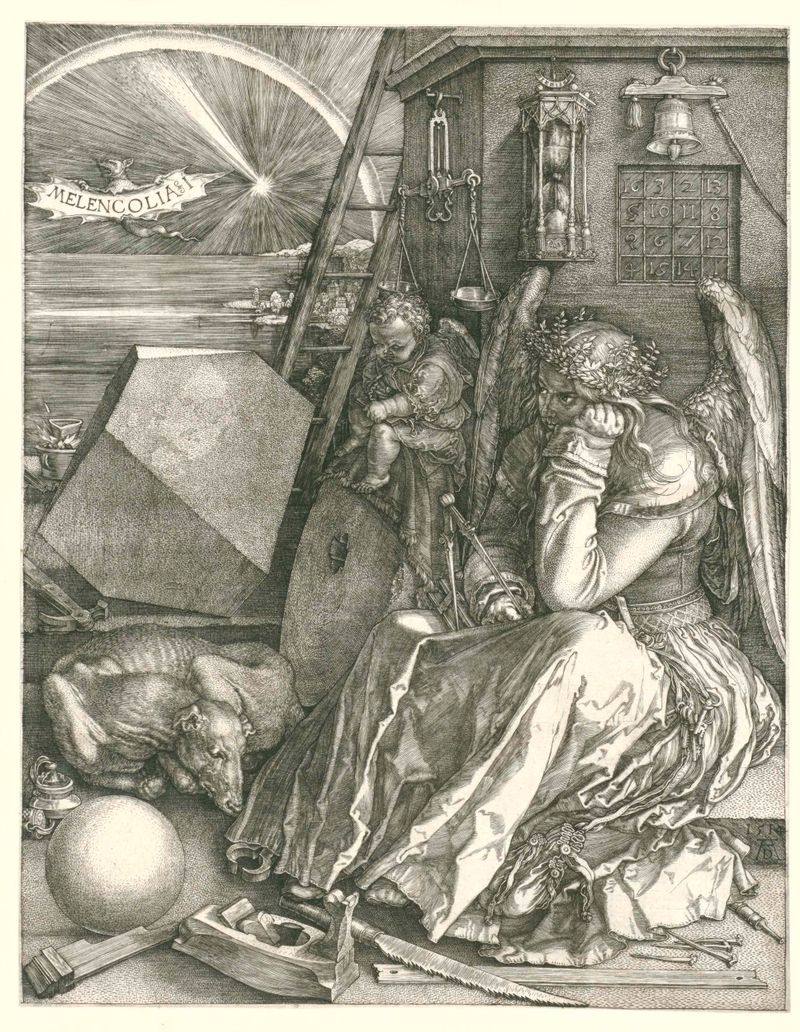
Melancholia
Albrecht Dürer
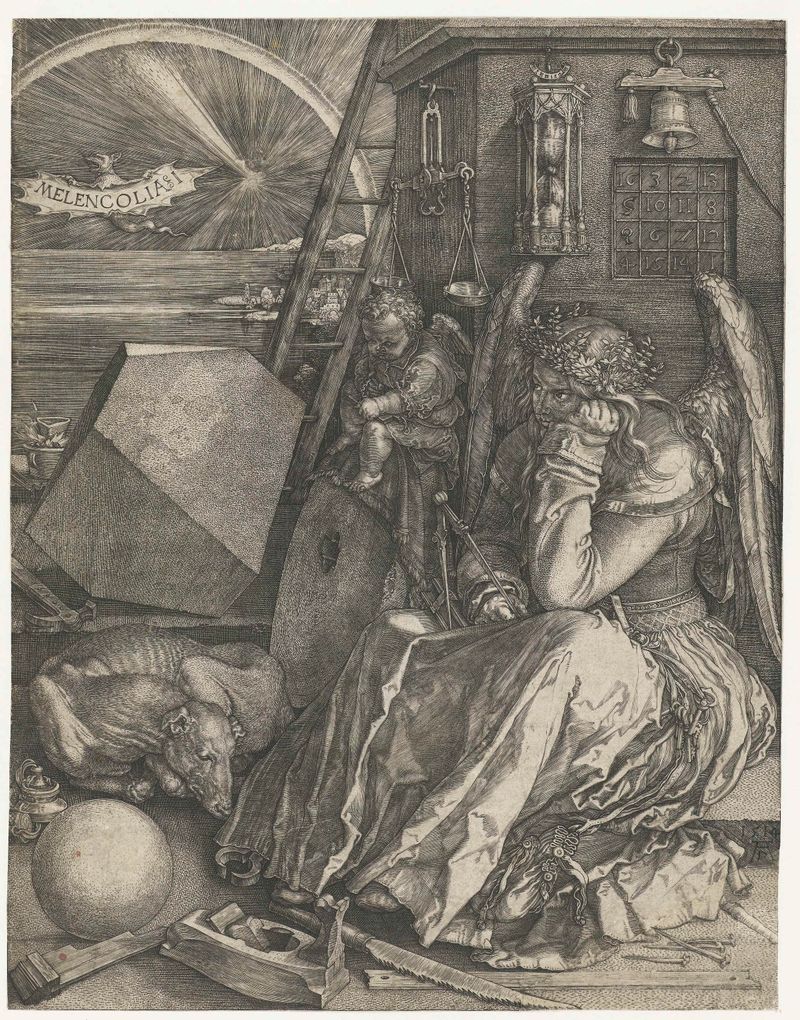
Melancholie
Albrecht Dürer
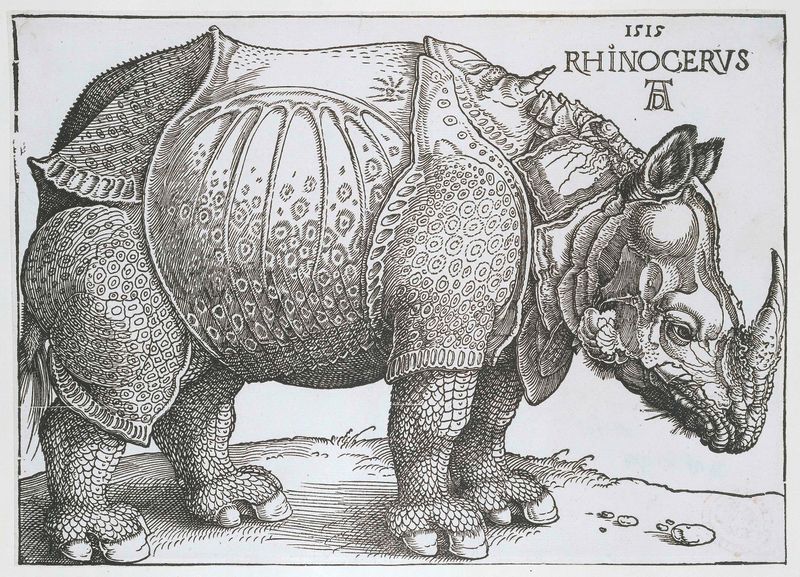
Neushoorn
Albrecht Dürer
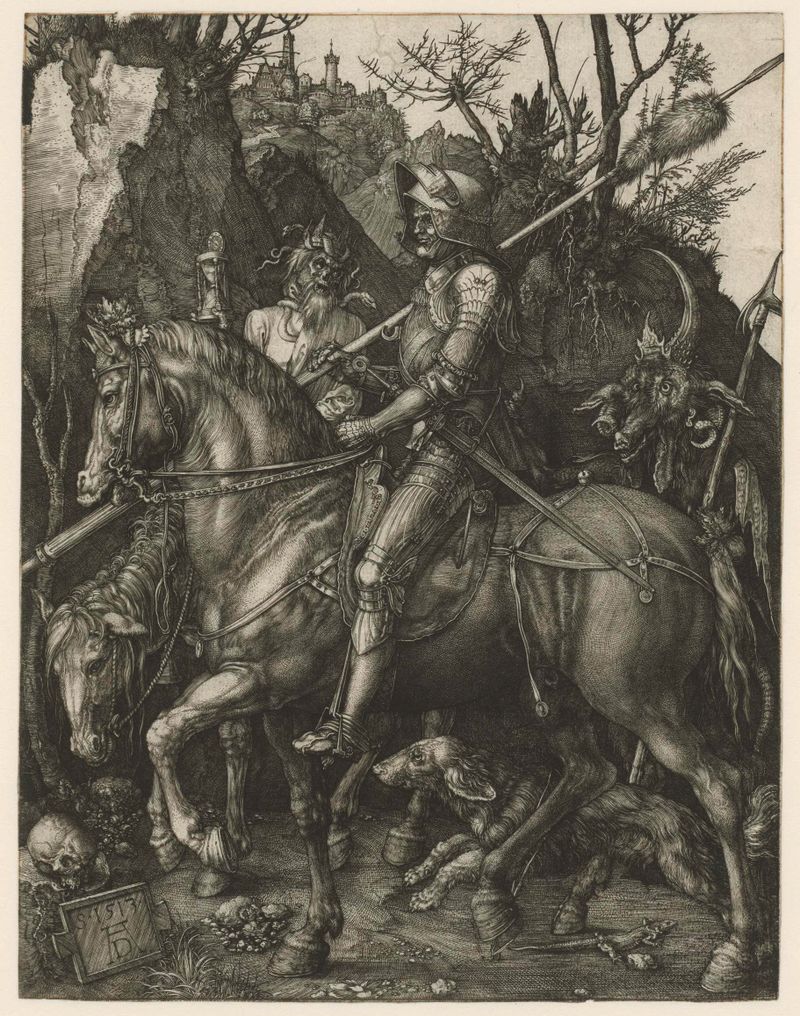
Knight, Death, and the Devil
Albrecht Dürer

De vier ruiters van de apocalyps
Albrecht Dürer

De vier ruiters van de apocalyps
Albrecht Dürer
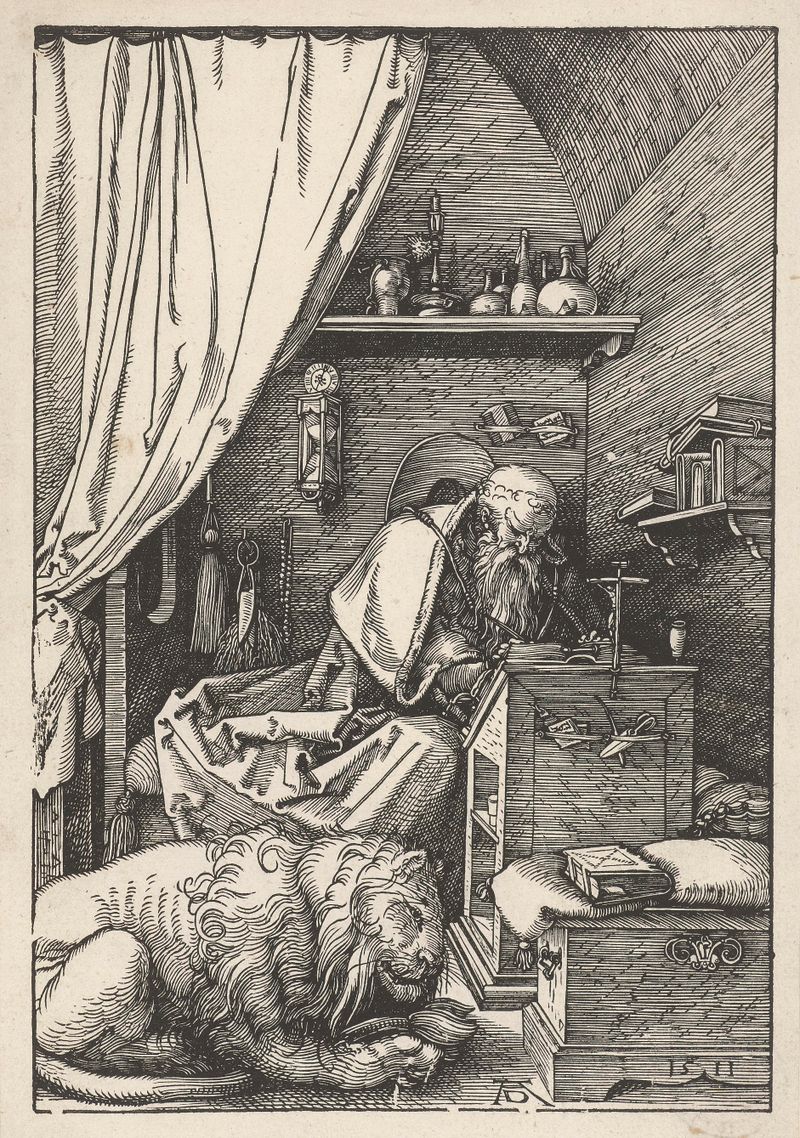
De Heilige Hiëronymus in zijn studeervertrek
Albrecht Dürer
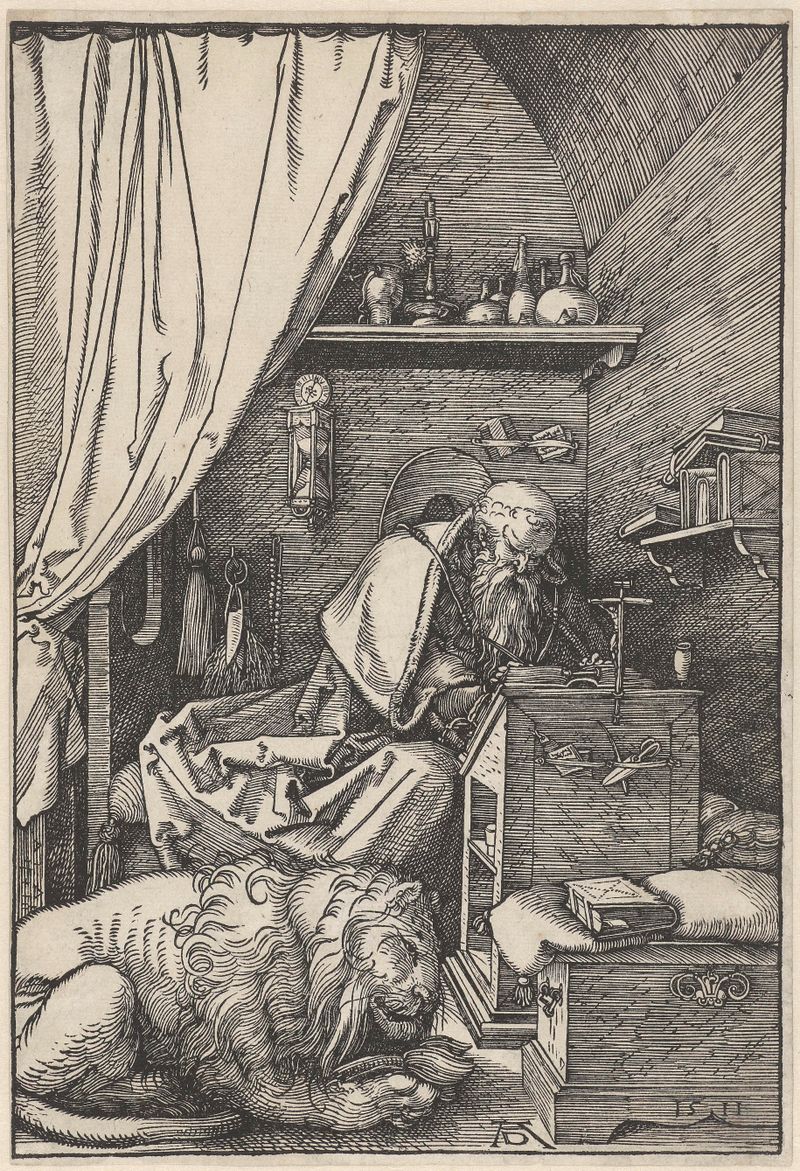
De Heilige Hiëronymus in zijn studeervertrek
Albrecht Dürer
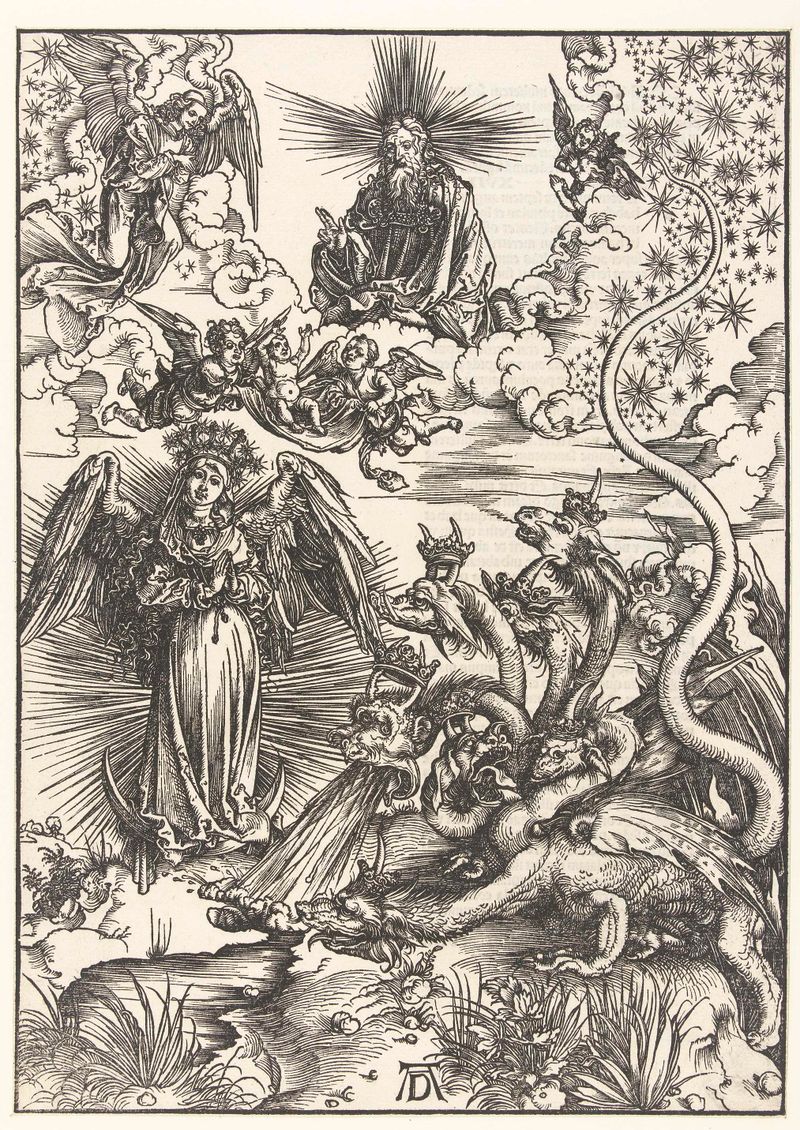
De apocalyptische vrouw en de zevenkoppige draak
Albrecht Dürer
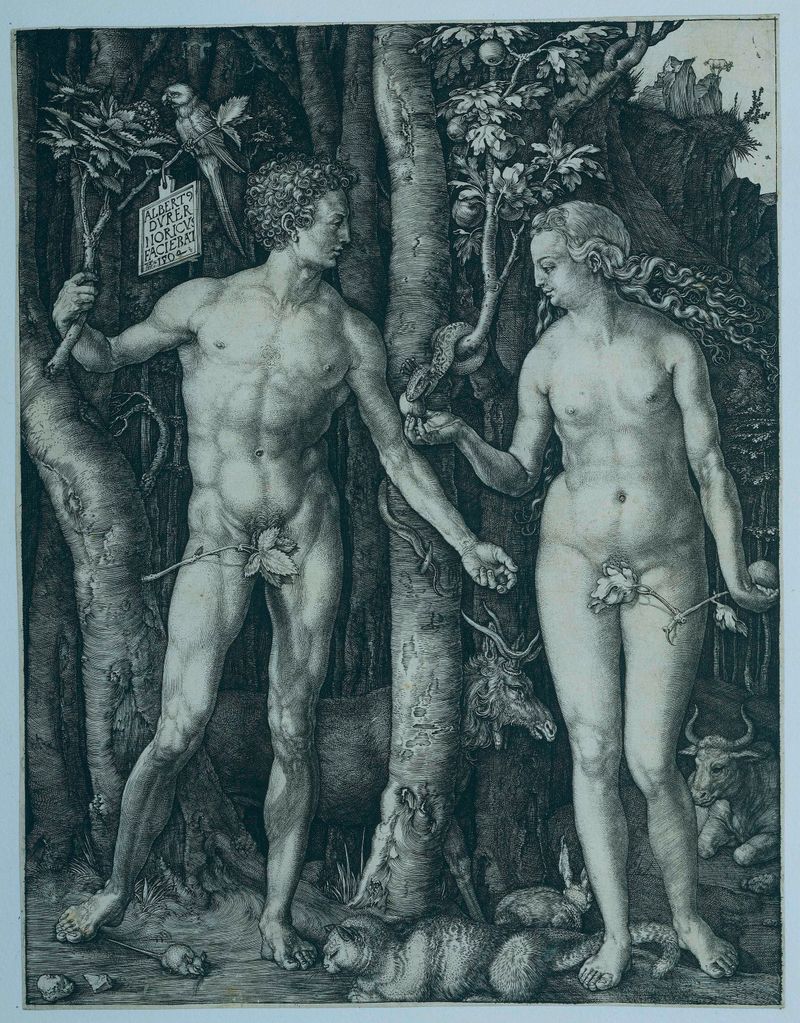
Adam en Eva
Albrecht Dürer
More Religious Art
Browse all →
The Return of the Prodigal Son
Rembrandt van Rijn

The Garden of Earthly Delights
El Bosco

Count Orgaz’ funeral
El Greco

The Hundred Guilder Print: the central piece with Christ preaching, the plate arched
Rembrandt van Rijn

The Descent from the Cross
Rogier van der Weyden

The return of the prodigal son
Rembrandt van Rijn