
De Heilige Martinus deelt zijn mantel met een bedelaar — History & Facts
Can paint confess what words never could? In Albrecht Dürer's De Heilige Martinus deelt zijn mantel met een bedelaar, loss is not only depicted; it resonates through every brushstroke, inviting the viewer to confront the fragility of human connection. Look to the left at the saint, his face illuminated by a soft, divine light, casting a stark contrast against the shadowy figure of the beggar. The gentle folds of Martin's cloak echo the weight of his generosity, while the surrounding details shimmer with rich earth tones, grounding the heavenly act in human reality. Notice how the posture of the beggar, slightly hunched, underscores vulnerability, as his outstretched hand seeks solace and warmth, a poignant dialogue between the two figures that draws you into the moment. Hidden within the interplay of light and shadow lies a profound tension between wealth and poverty, divinity and humanity.
The cloak, a symbol of protection, becomes a vessel of shared grief; as Martin gives, he also partakes in the shared human condition of suffering. This notion echoes the artist's own struggles during a time of social upheaval and personal loss, reflecting a universal yearning for empathy and connection in a fragmented world. Dürer painted this work in Nuremberg around 1503, a period marked by his rising prominence as a master of Northern Renaissance art. During this time, he wrestled with personal challenges, including the death of loved ones, which deepened his understanding of mortality and compassion.
It was also an era of social change, as the Reformation began to challenge existing norms, further influencing the themes of empathy and sacrifice in his work.
More Artworks by Albrecht Dürer
Browse all →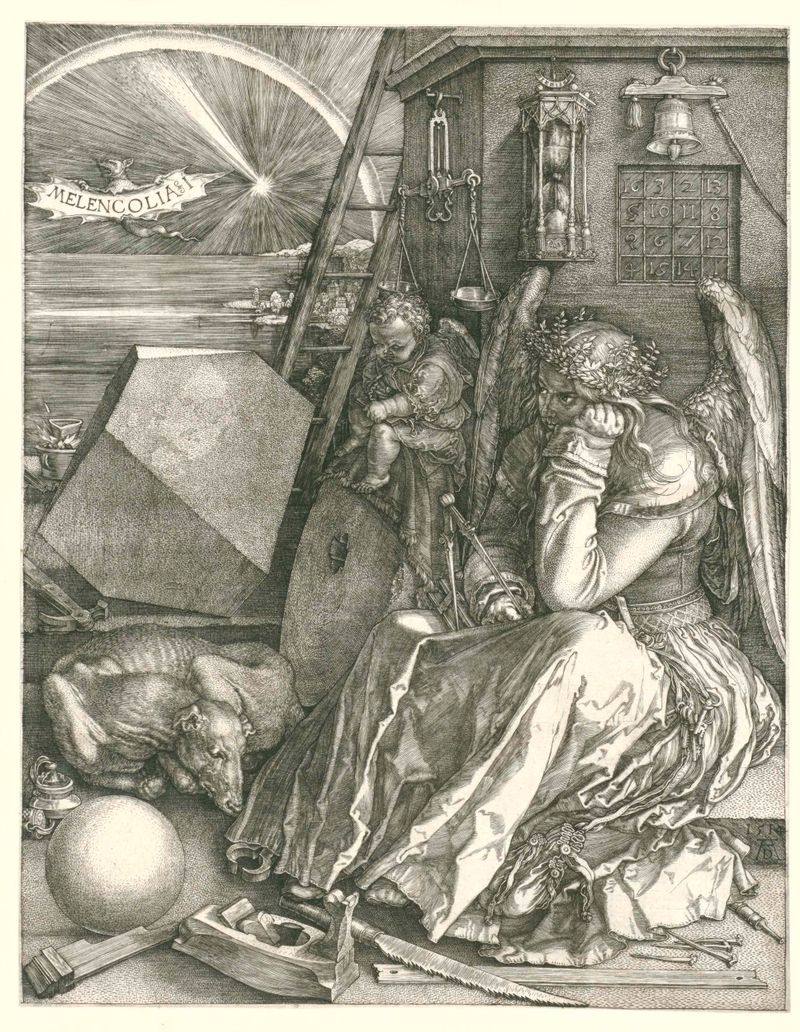
Melancholia
Albrecht Dürer
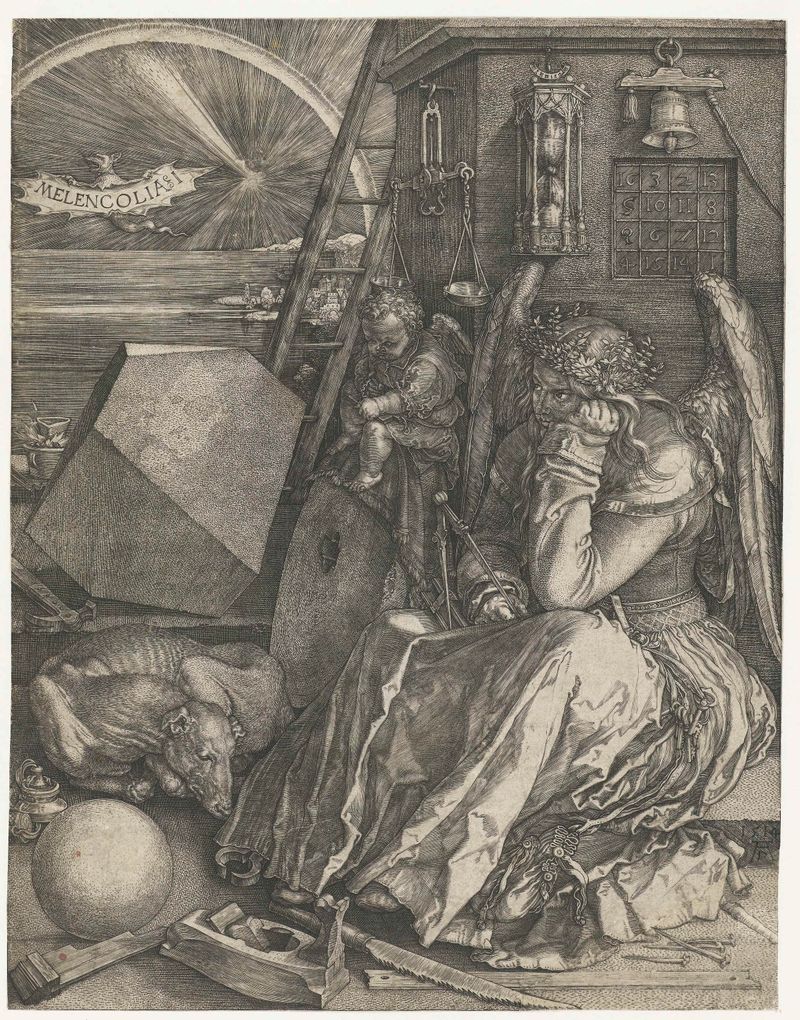
Melancholie
Albrecht Dürer
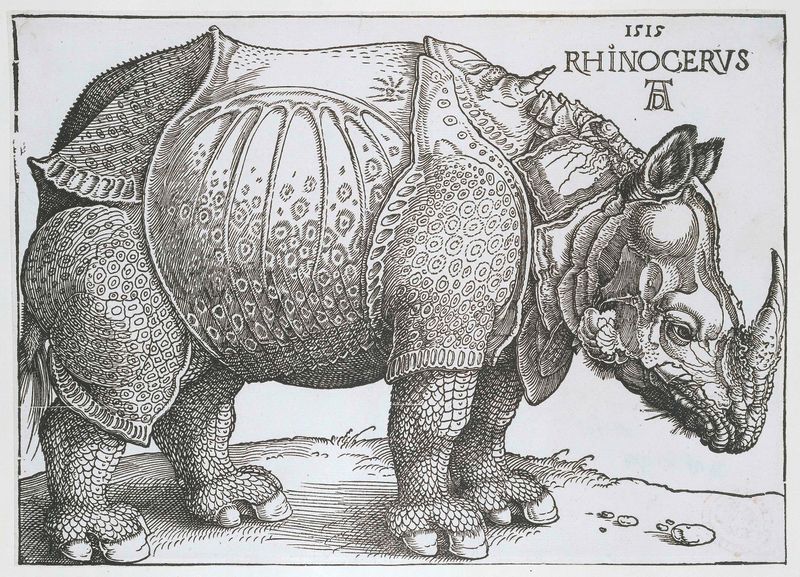
Neushoorn
Albrecht Dürer
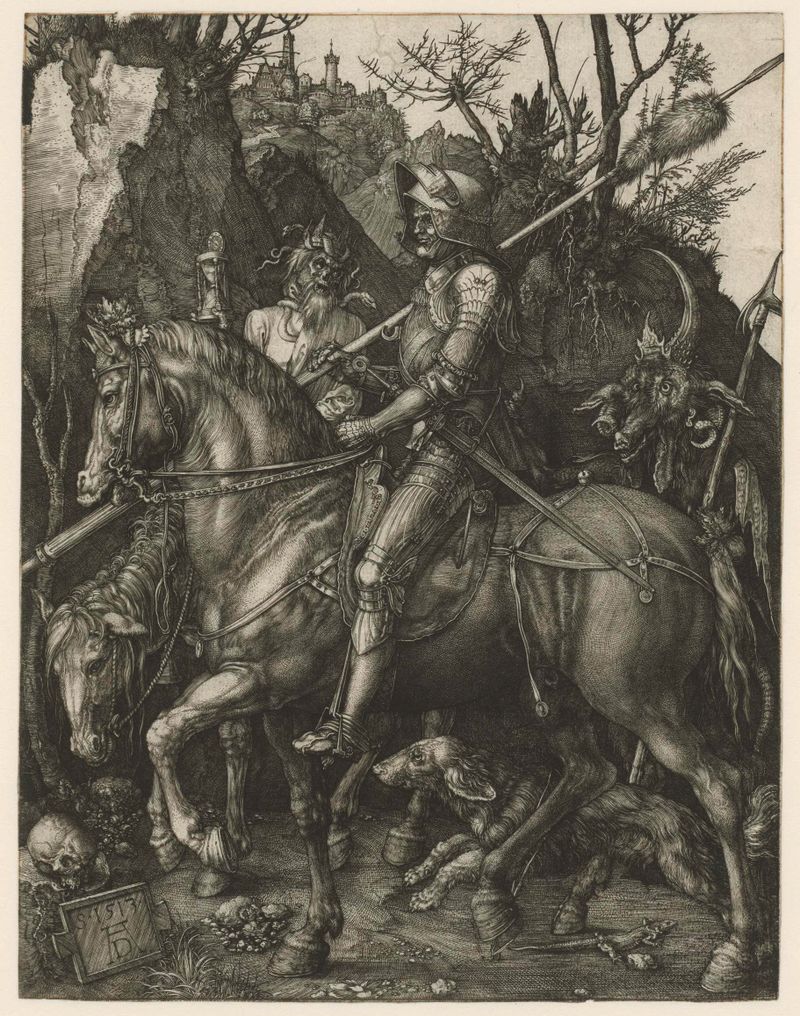
Knight, Death, and the Devil
Albrecht Dürer

De vier ruiters van de apocalyps
Albrecht Dürer

De vier ruiters van de apocalyps
Albrecht Dürer
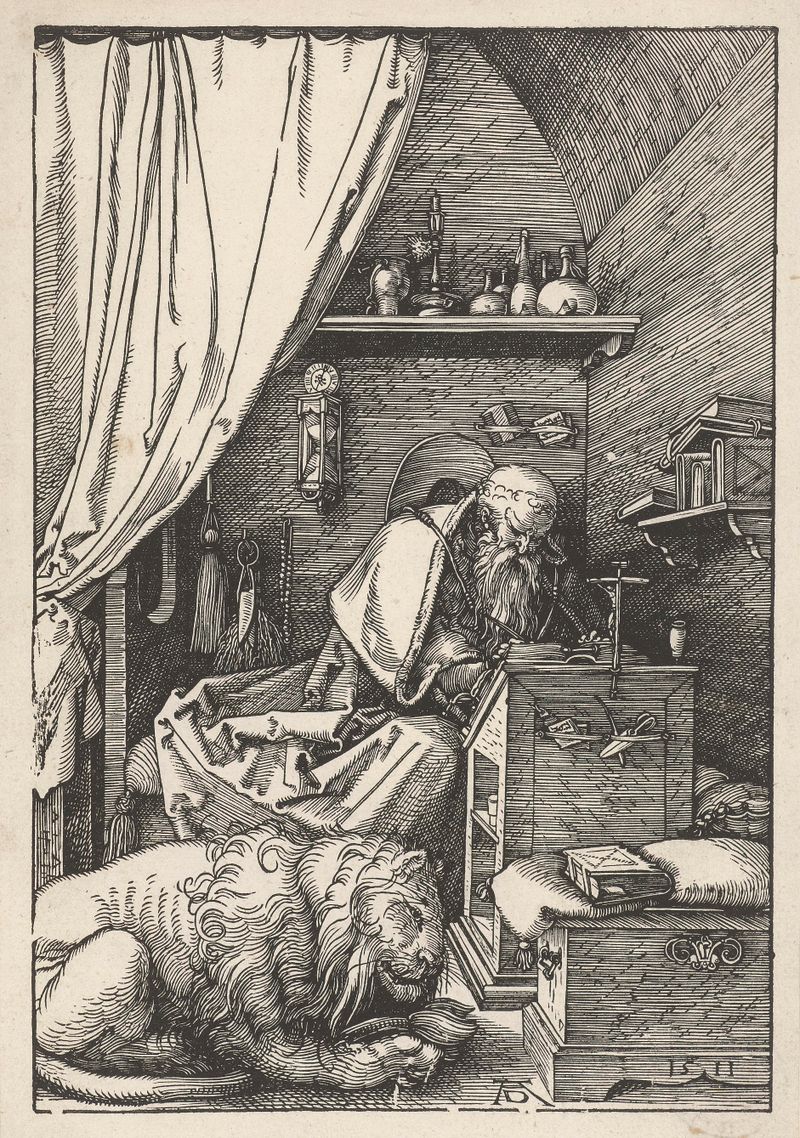
De Heilige Hiëronymus in zijn studeervertrek
Albrecht Dürer
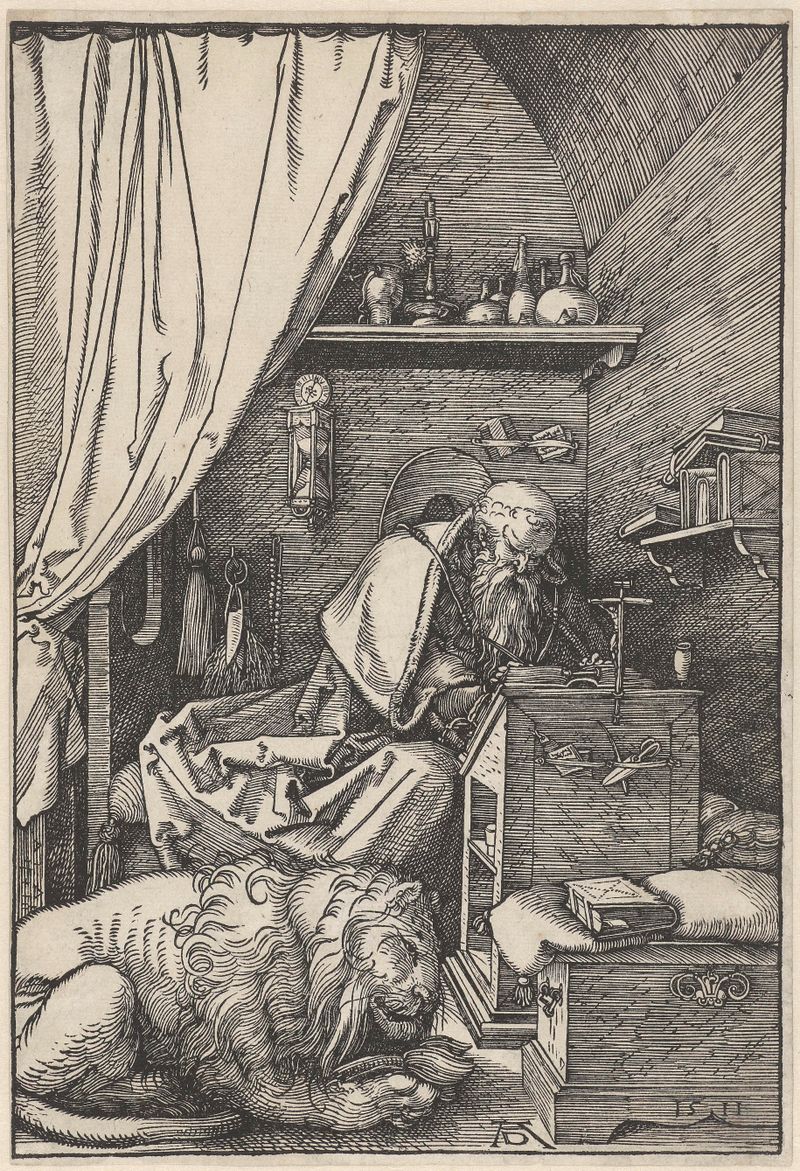
De Heilige Hiëronymus in zijn studeervertrek
Albrecht Dürer
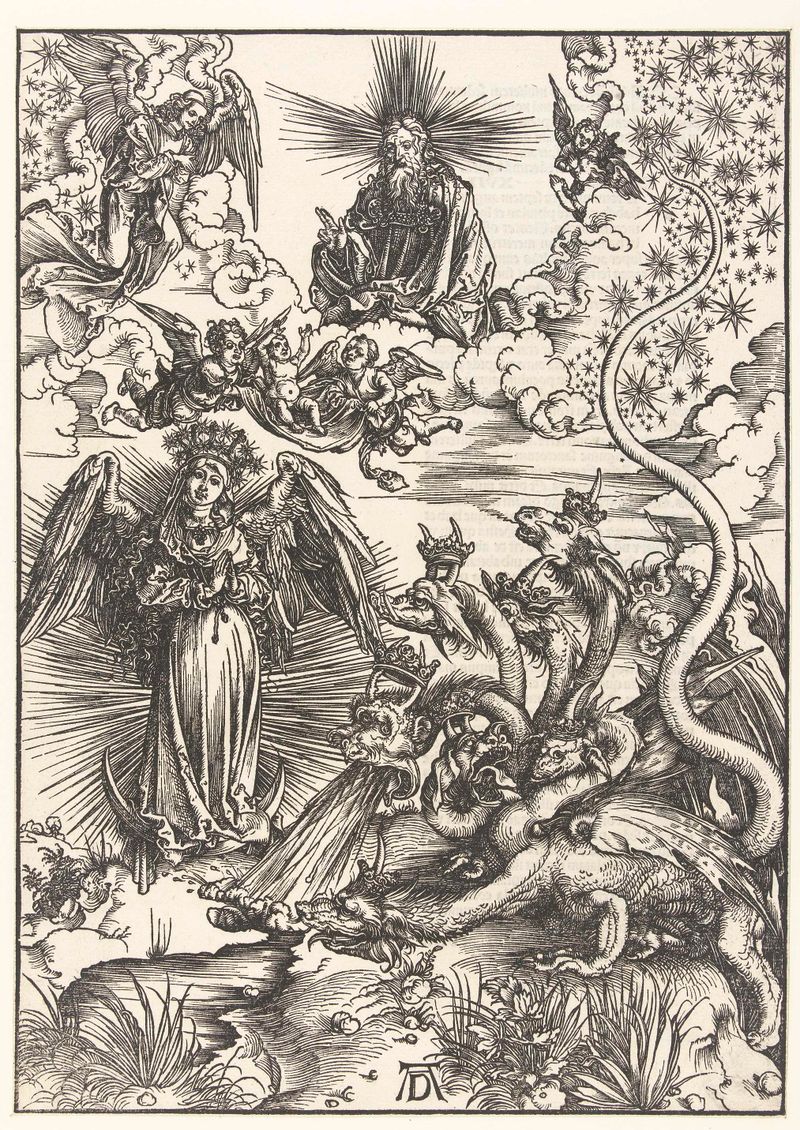
De apocalyptische vrouw en de zevenkoppige draak
Albrecht Dürer
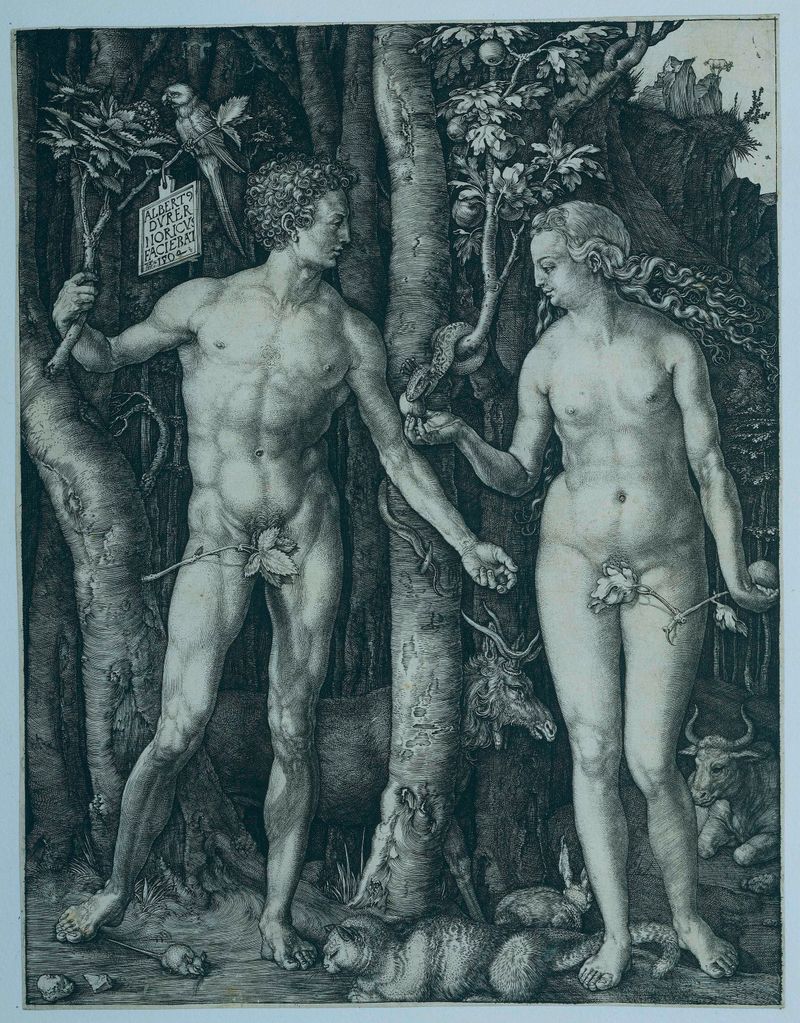
Adam en Eva
Albrecht Dürer
More Religious Art
Browse all →
The Return of the Prodigal Son
Rembrandt van Rijn

The Garden of Earthly Delights
El Bosco

Count Orgaz’ funeral
El Greco

The Hundred Guilder Print: the central piece with Christ preaching, the plate arched
Rembrandt van Rijn

The Descent from the Cross
Rogier van der Weyden

The return of the prodigal son
Rembrandt van Rijn