
De Heilige Nicolaas, Ulrich van Augsburg en Erasmus — History & Facts
Who listens when art speaks of silence? In De Heilige Nicolaas, Ulrich van Augsburg en Erasmus, Albrecht Dürer invites us into a realm where the stillness of the figures resonates like a quiet prayer, echoing deeply within the viewer's soul. Focus first on the serene faces of the saints. Notice how the light gently caresses their features, illuminating the intricate details of their garments and the texture of their skin. The warm hues of gold and earth tones blend harmoniously, drawing your eye to the central figures.
The composition is meticulously balanced, with each saint positioned to convey unity, yet their profound expressions suggest an undercurrent of tension—an unspoken communion between the divine and the earthly. Dürer masterfully contrasts the ecstasy of spiritual devotion with the weight of human experience. The soft folds of the robes hint at humility, while the intense gazes of the figures evoke a profound yearning for connection. Each saint holds a unique narrative—Nicholas, the protector; Ulrich, the visionary; Erasmus, the scholar—interweaving themes of faith, knowledge, and sacrifice.
This intricate interplay invites contemplation on the nature of holiness and the transformative power of belief. Created between 1503 and 1507, this piece reflects Dürer’s deep engagement with humanism and spirituality, characteristic of the Northern Renaissance. At this time, Dürer was in Nuremberg, a hub of artistic innovation, where he explored the relationship between art and theology, seeking to elevate the viewer’s understanding of the sacred. The world around him was undergoing profound changes, and his work stands as a testament to the era's quest for enlightenment through art.
More Artworks by Albrecht Dürer
Browse all →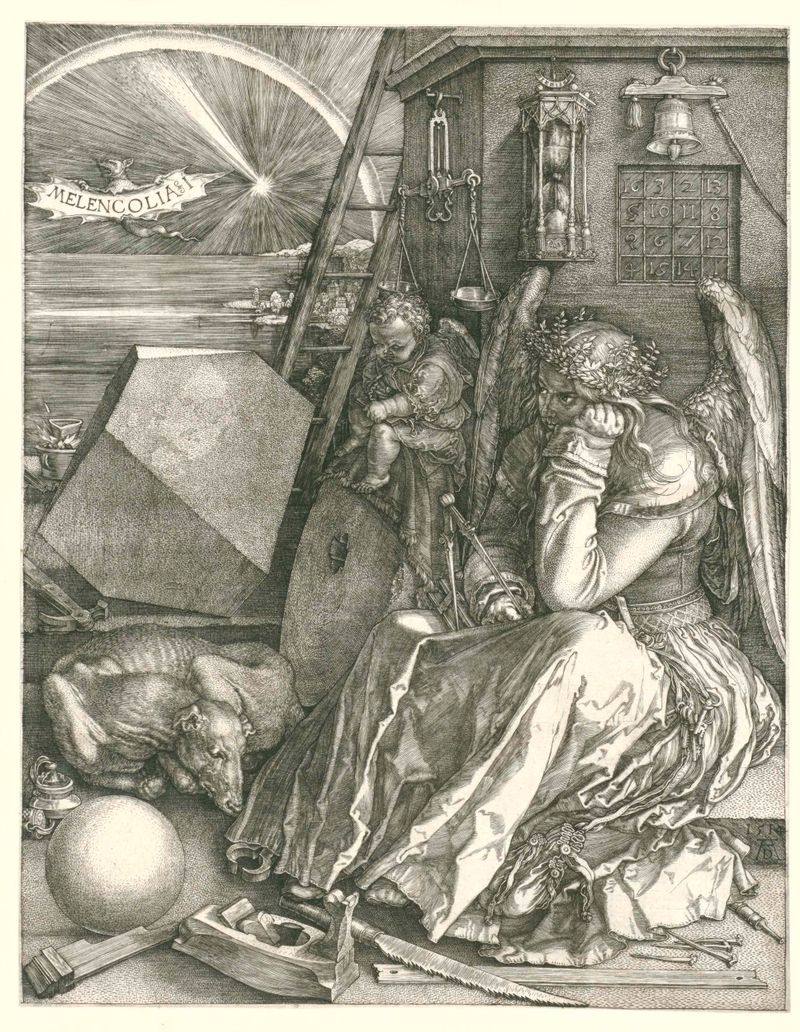
Melancholia
Albrecht Dürer
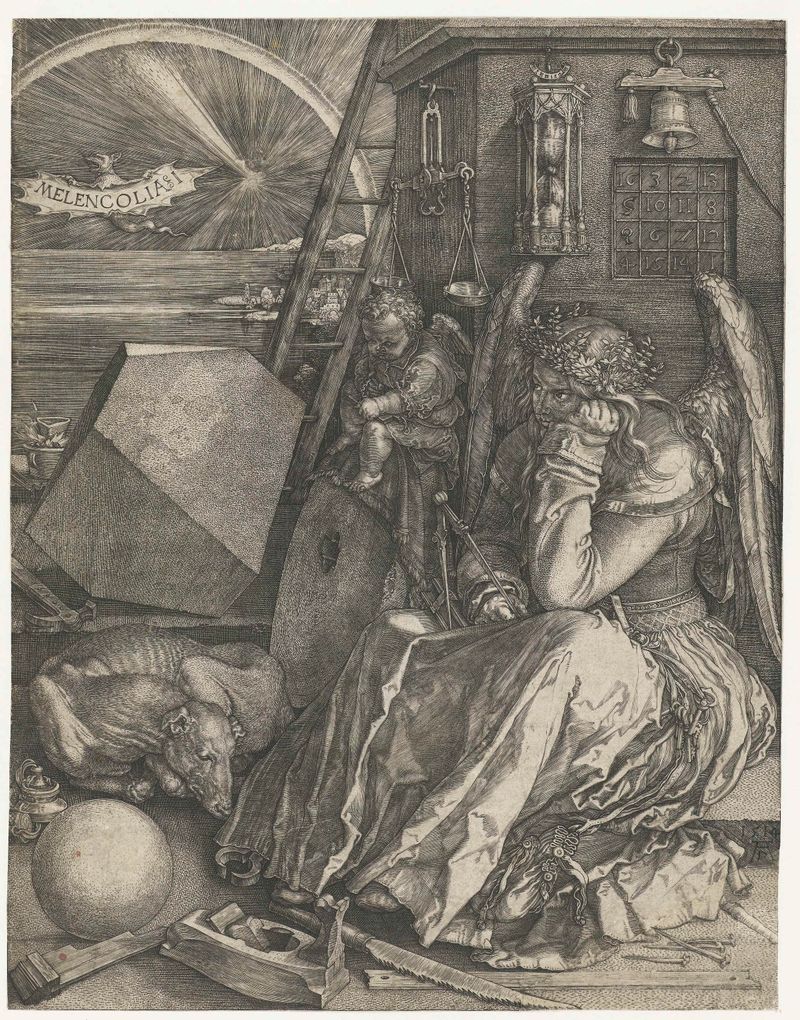
Melancholie
Albrecht Dürer
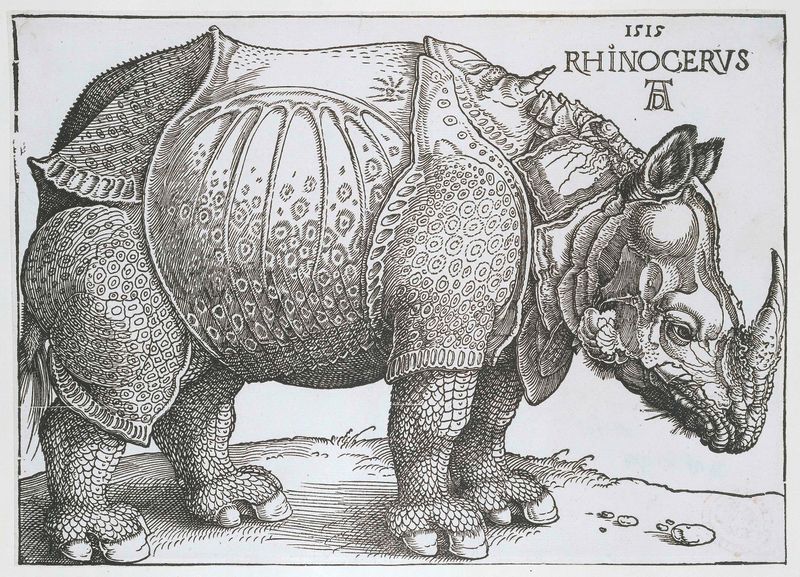
Neushoorn
Albrecht Dürer
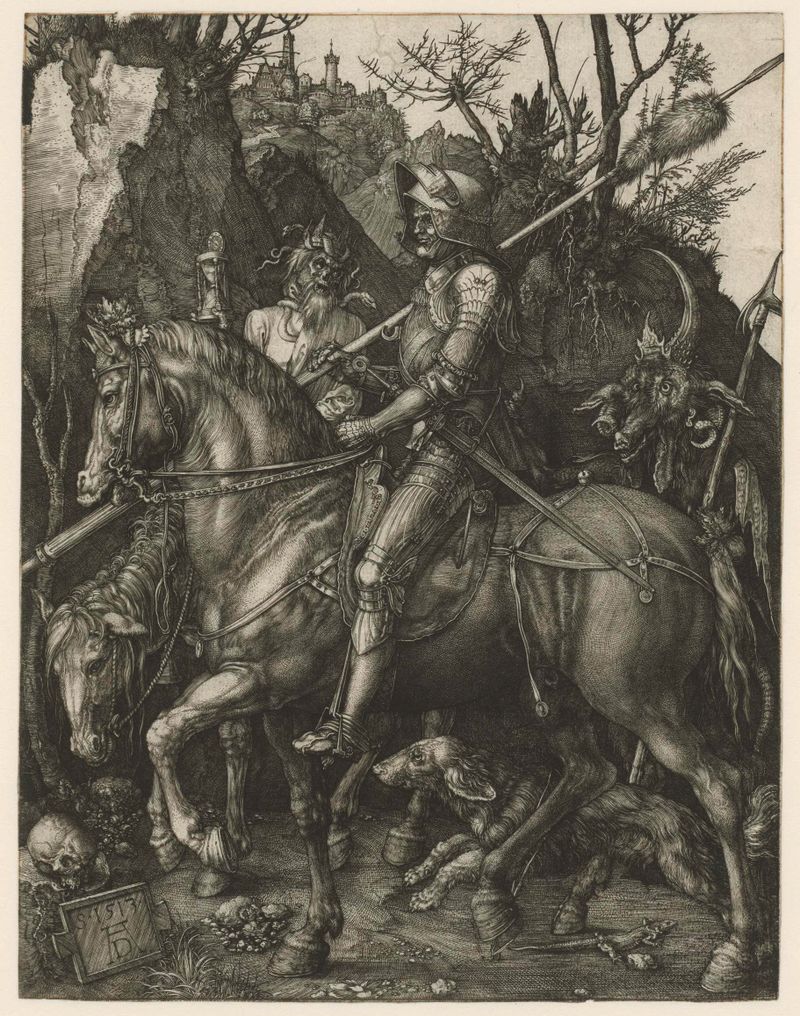
Knight, Death, and the Devil
Albrecht Dürer

De vier ruiters van de apocalyps
Albrecht Dürer

De vier ruiters van de apocalyps
Albrecht Dürer
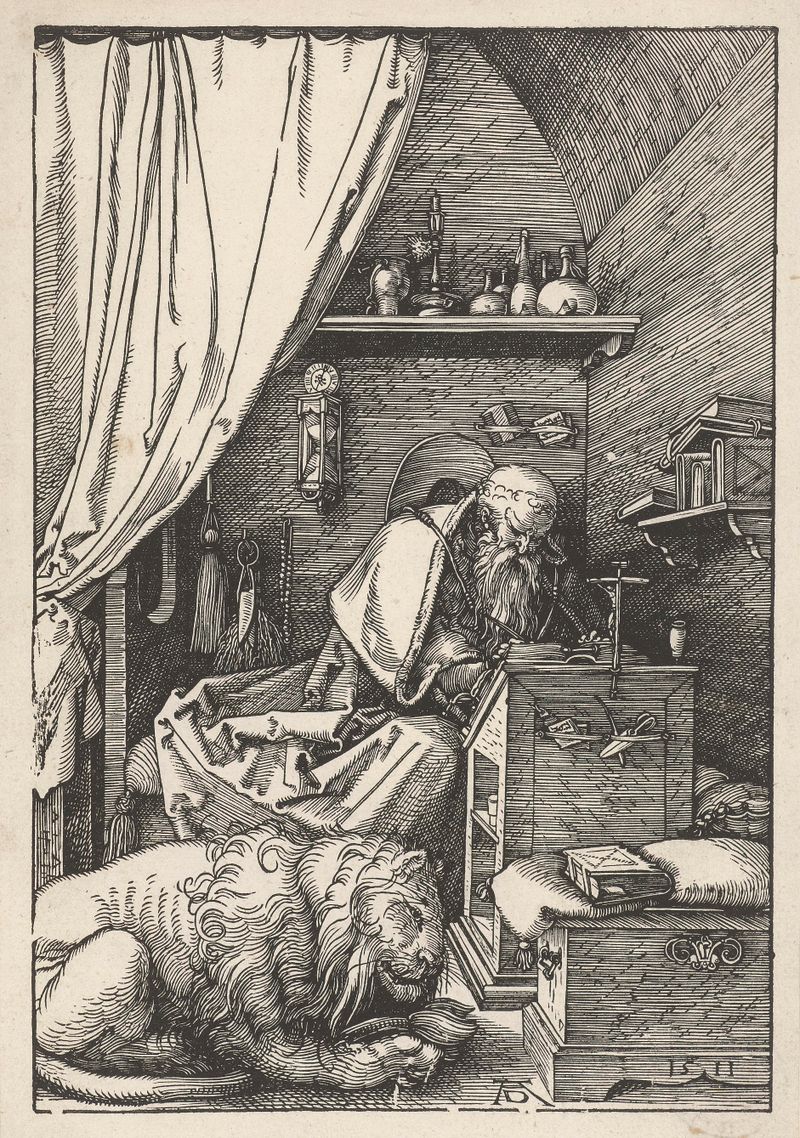
De Heilige Hiëronymus in zijn studeervertrek
Albrecht Dürer
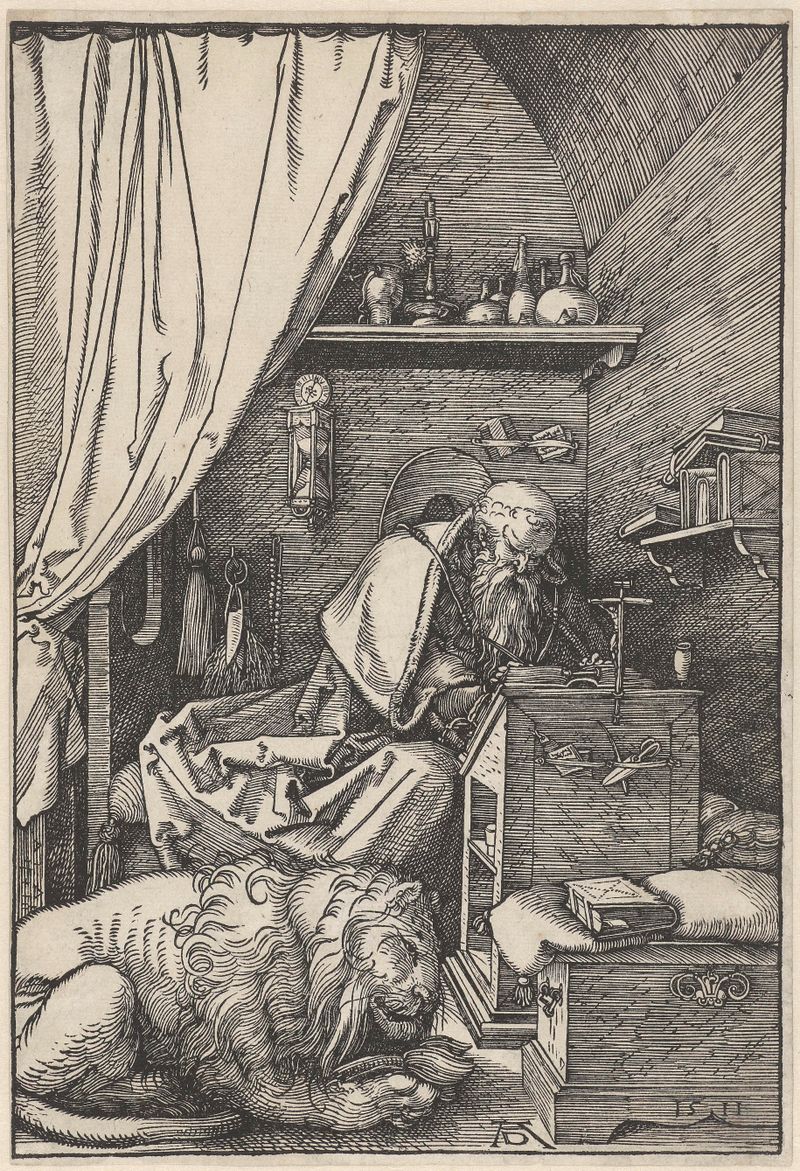
De Heilige Hiëronymus in zijn studeervertrek
Albrecht Dürer
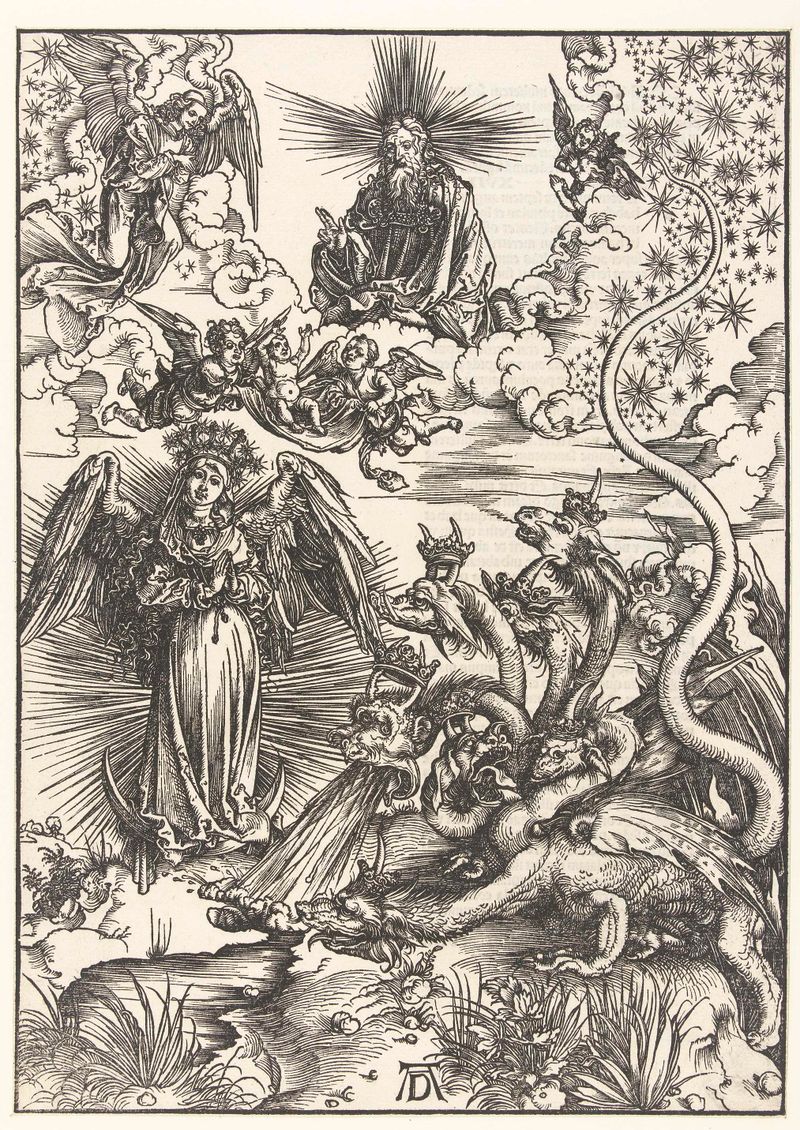
De apocalyptische vrouw en de zevenkoppige draak
Albrecht Dürer
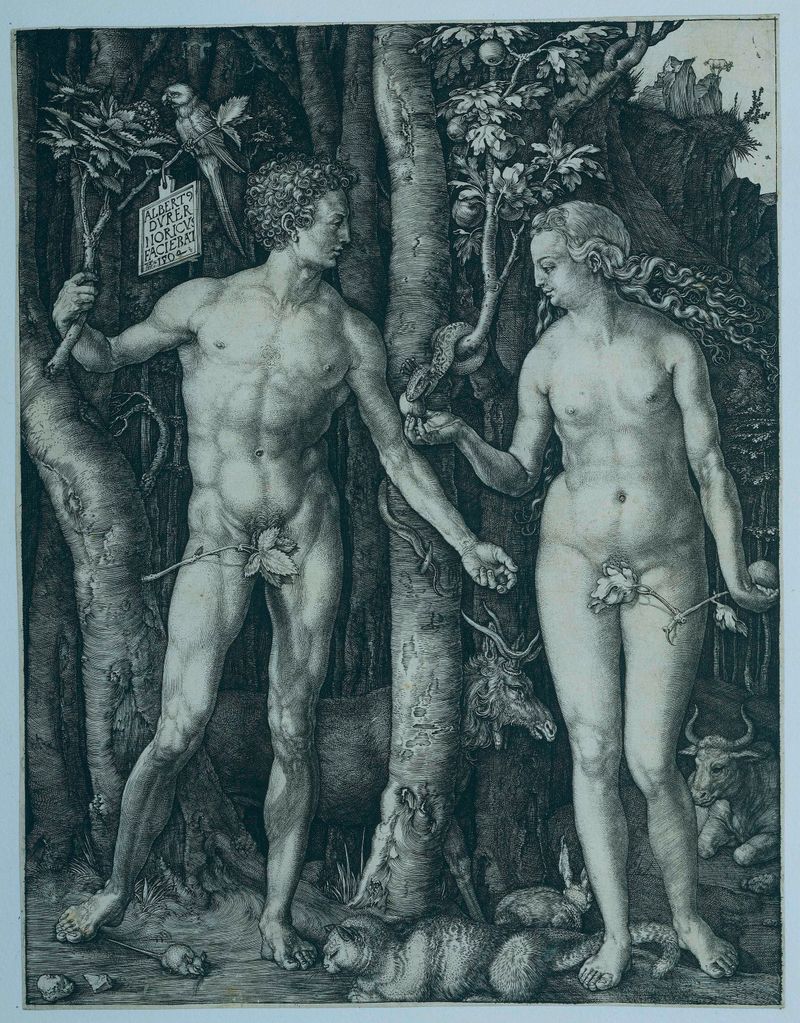
Adam en Eva
Albrecht Dürer
More Religious Art
Browse all →
The Return of the Prodigal Son
Rembrandt van Rijn

The Garden of Earthly Delights
El Bosco

Count Orgaz’ funeral
El Greco

The Hundred Guilder Print: the central piece with Christ preaching, the plate arched
Rembrandt van Rijn

The Descent from the Cross
Rogier van der Weyden

The return of the prodigal son
Rembrandt van Rijn