
De Heilige Sebastiaan — History & Facts
What if silence could speak through light? In De Heilige Sebastiaan, the ethereal glow envelops the figure, inviting viewers to contemplate the intersection of suffering and divine grace. Look closely at the saint’s serene expression, framed by his delicate, almost angelic features. Notice how the soft, diffused light falls upon his skin, creating a luminescence that contrasts sharply with the darker hues of his surroundings. The meticulous rendering of the arrows, poised yet inert, suggests a moment suspended between agony and transcendence.
Each detail — from the texture of the garments to the paint strokes that convey a sense of movement in the drapery — enhances the weightiness of the divine narrative unfolding before us. Within this sacred portrayal lies a tension between vulnerability and strength. The arrows, symbols of martyrdom, are not merely instruments of pain but also emblems of faith. Dürer captures the duality of human experience: the physical torment faced by Sebastiaan juxtaposed with his unwavering gaze, hinting at a profound inner peace.
This interplay invites reflection on the nature of sacrifice and the possibility of spiritual upliftment amidst suffering. Dürer created this masterpiece between 1499 and 1503 during a period of significant change in both his life and the broader art world. Having returned to Nuremberg from travels in Italy, he was influenced by Renaissance ideals while also delving into the complexities of Northern European art traditions. The tension between these influences is evident in this work, which bridges the gap between realism and idealism, marking a pivotal moment in the artist's career as he sought to define his unique voice in a rapidly evolving cultural landscape.
More Artworks by Albrecht Dürer
Browse all →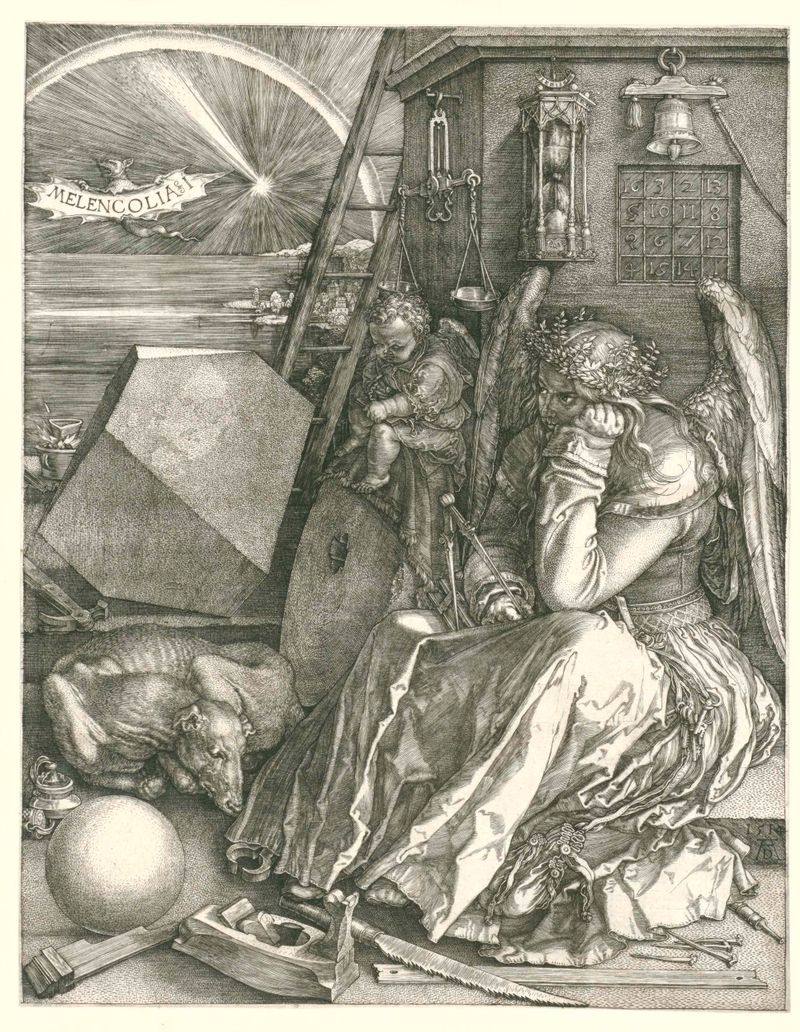
Melancholia
Albrecht Dürer
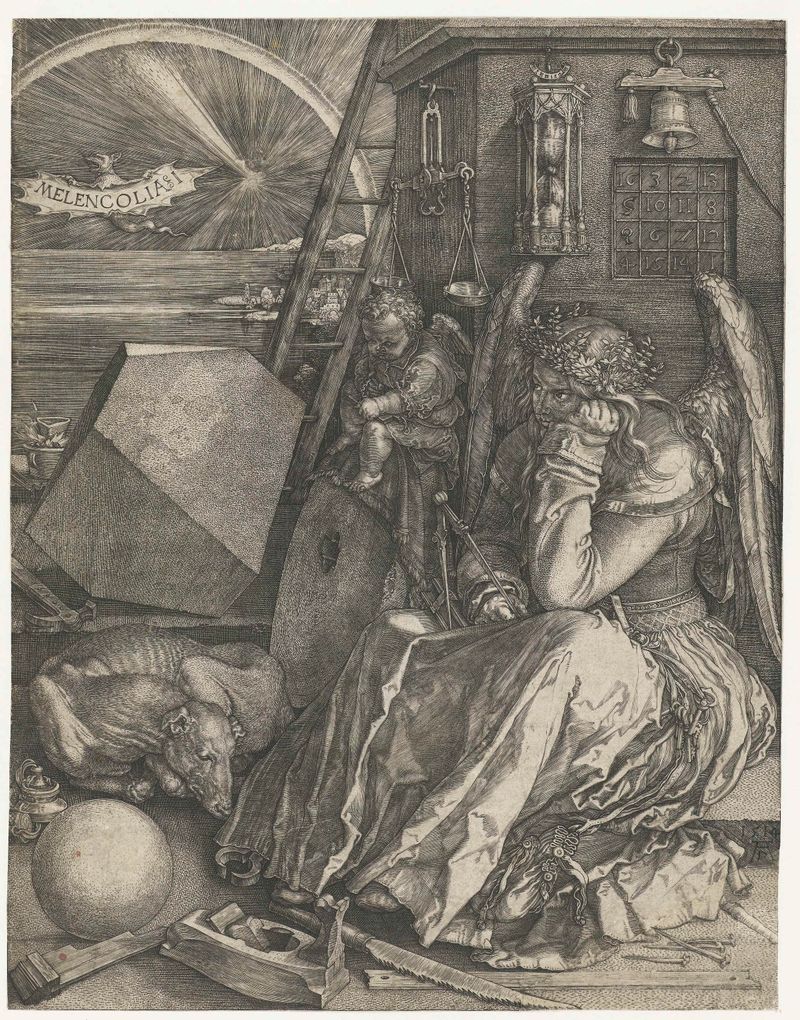
Melancholie
Albrecht Dürer
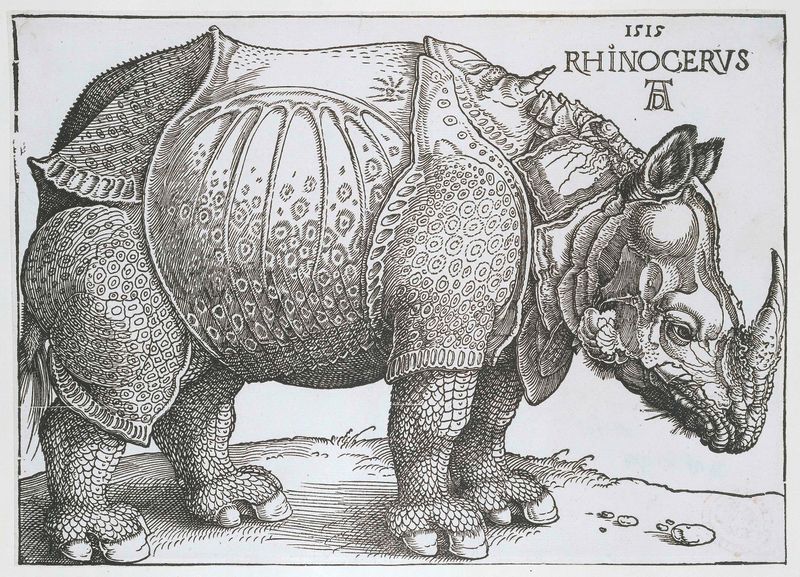
Neushoorn
Albrecht Dürer
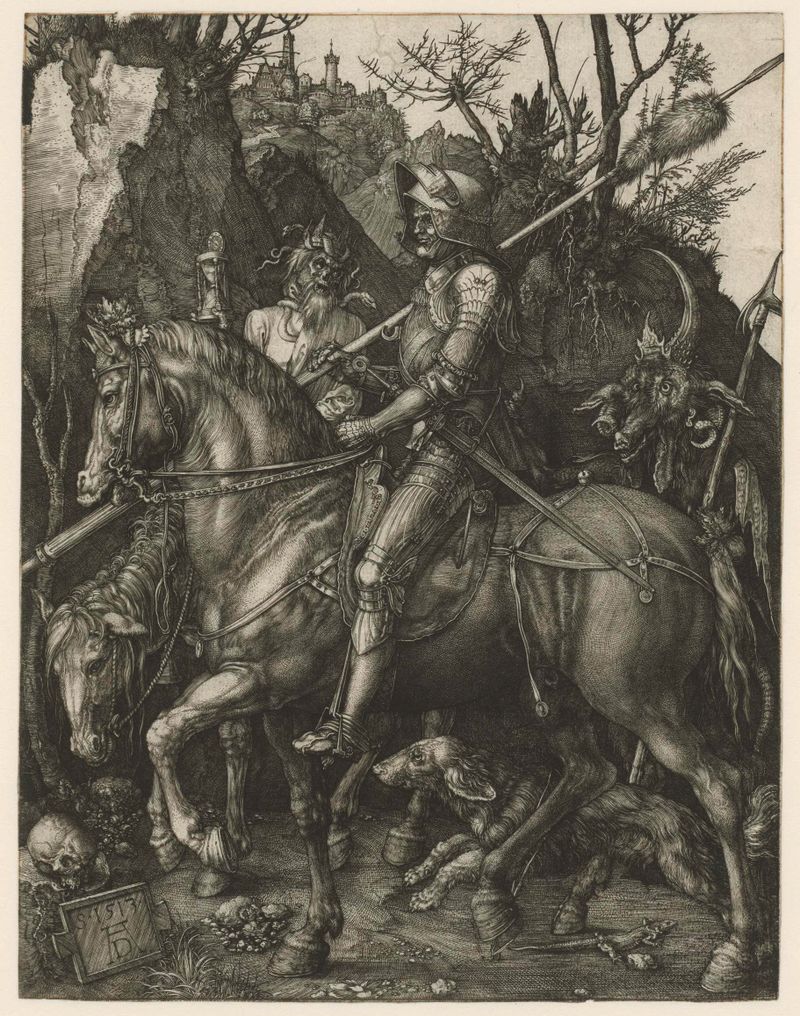
Knight, Death, and the Devil
Albrecht Dürer

De vier ruiters van de apocalyps
Albrecht Dürer

De vier ruiters van de apocalyps
Albrecht Dürer
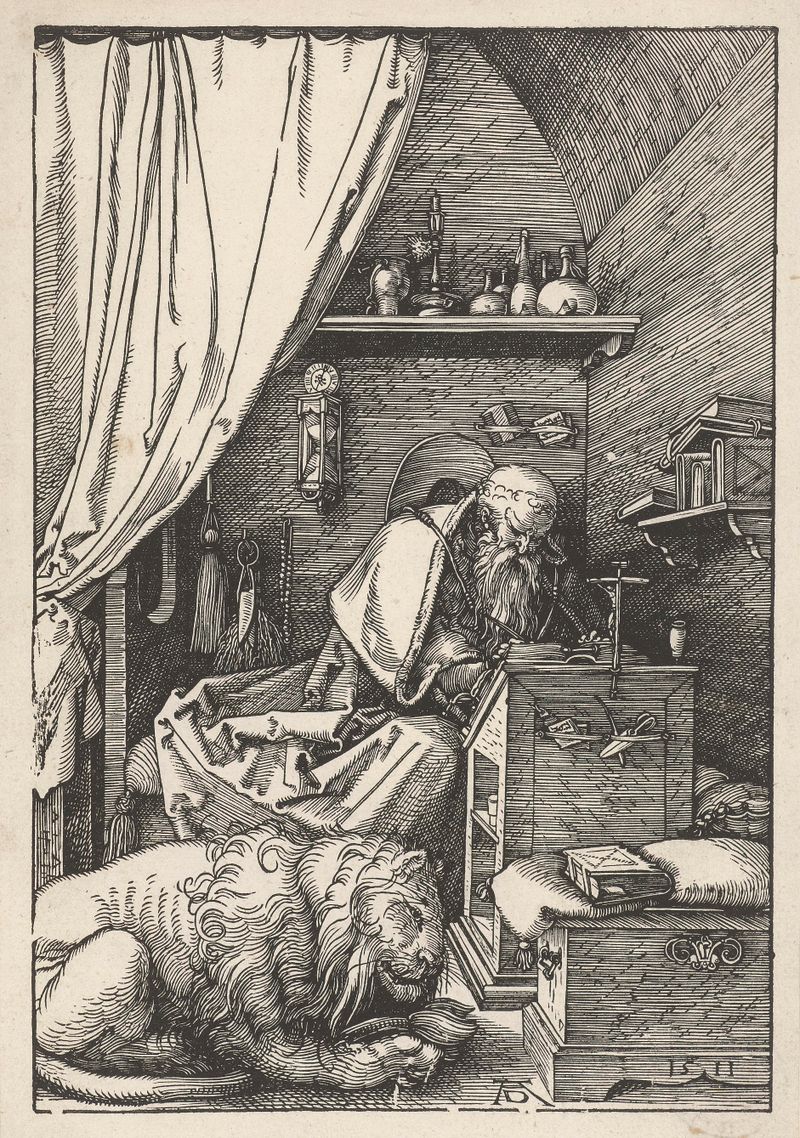
De Heilige Hiëronymus in zijn studeervertrek
Albrecht Dürer
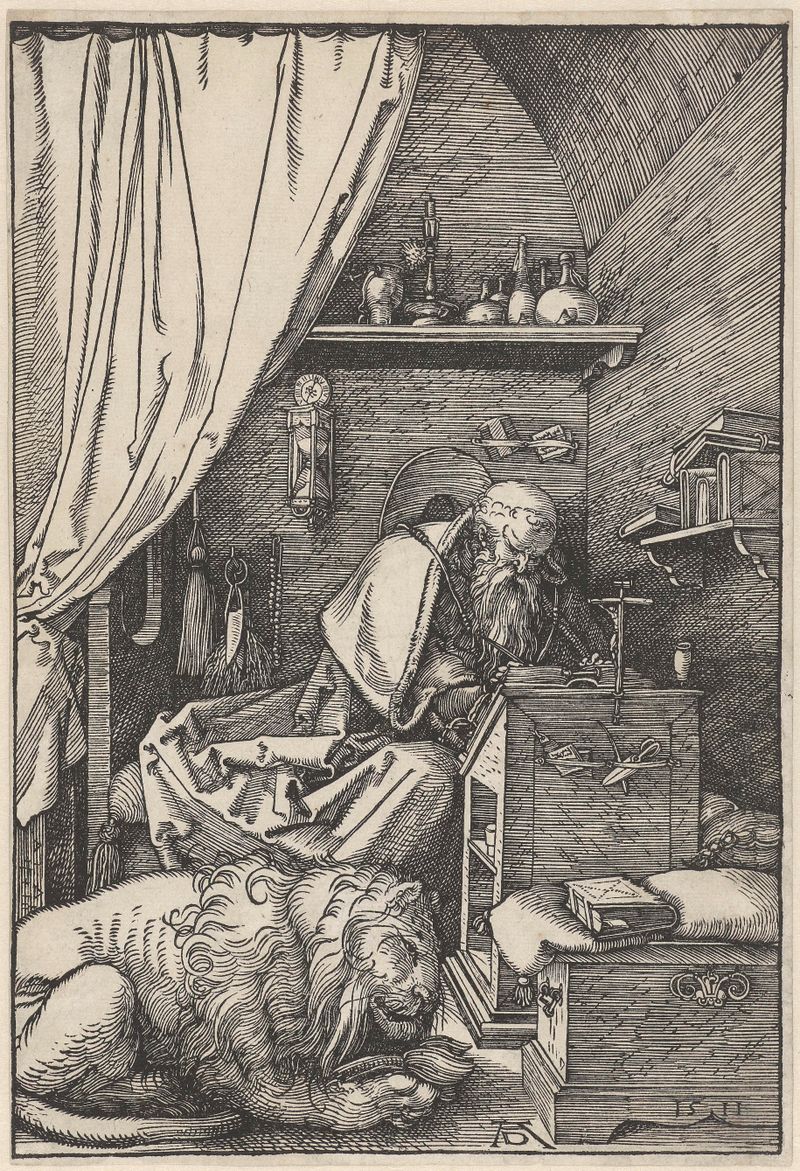
De Heilige Hiëronymus in zijn studeervertrek
Albrecht Dürer
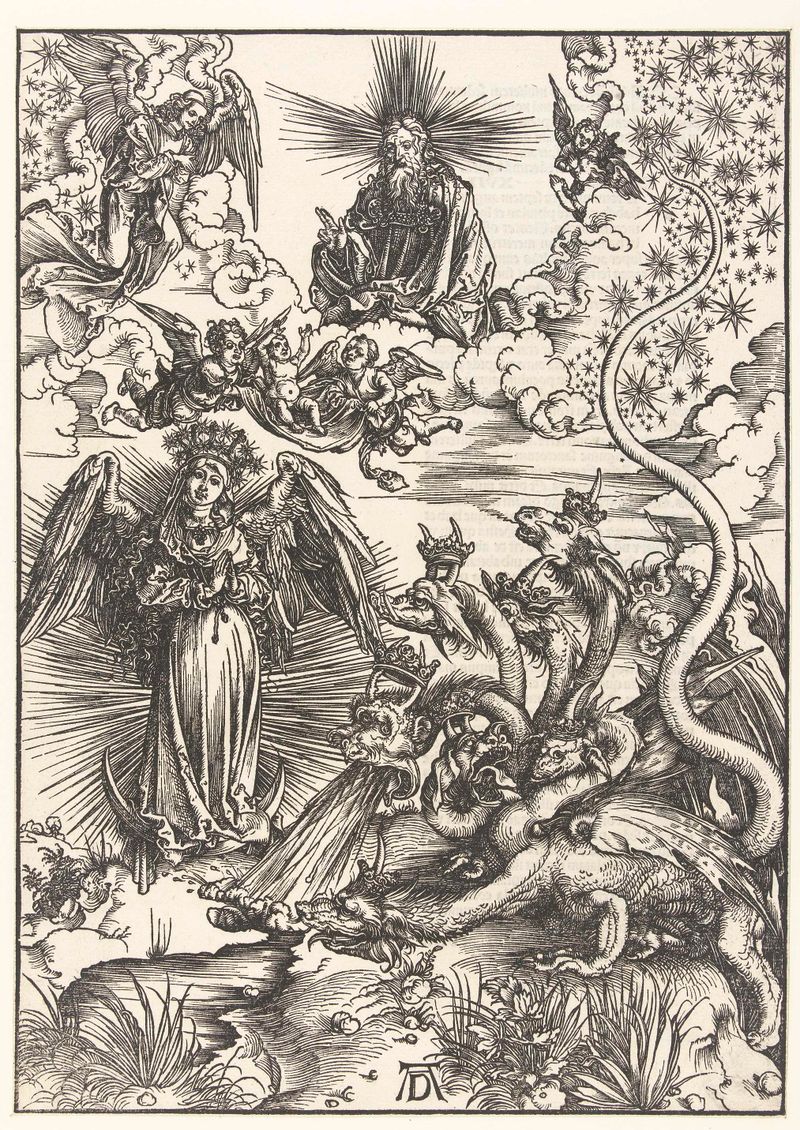
De apocalyptische vrouw en de zevenkoppige draak
Albrecht Dürer
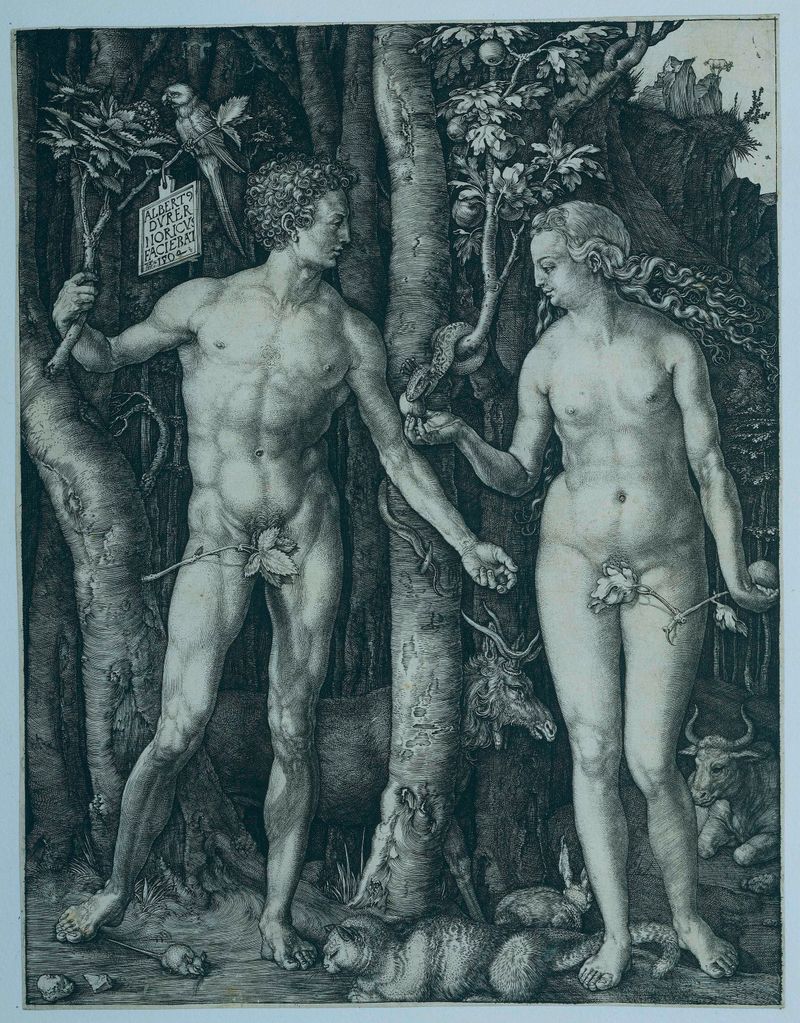
Adam en Eva
Albrecht Dürer
More Religious Art
Browse all →
The Return of the Prodigal Son
Rembrandt van Rijn

The Garden of Earthly Delights
El Bosco

Count Orgaz’ funeral
El Greco

The Hundred Guilder Print: the central piece with Christ preaching, the plate arched
Rembrandt van Rijn

The Descent from the Cross
Rogier van der Weyden

The return of the prodigal son
Rembrandt van Rijn