
De Heilige Sebastiaan — History & Facts
What if beauty was never meant to be finished? In the intricate layers of De Heilige Sebastiaan, the intertwining of craftsmanship and emotion invites a reflection on destiny itself. The figure of Saint Sebastian, poised with serene grace despite his harrowing fate, embodies the tension between vulnerability and strength. Focus first on the saint’s expression — an ethereal calm that clashes with the sharp arrows piercing his flesh. Notice how Dürer’s meticulous attention to detail creates a vivid contrast between the delicate skin and the harsh metal of the arrows.
The subtle play of light enhances the textures of both flesh and armor, drawing the eye toward the saint’s contemplative gaze. The background, though muted, reinforces his central position, enveloping him in an otherworldly atmosphere. Beneath the surface, the painting explores the dichotomy of suffering and beauty. The arrows signify both punishment and martyrdom, evoking a powerful emotional response that invites viewers to ponder the balance of pain and grace in the human experience.
Additionally, the choice of color — the warm tones of Sebastian against the cooler background — accentuates his role as an emblem of hope and divine intervention, intertwining fate with artistic intention. Albrecht Dürer created De Heilige Sebastiaan between 1499 and 1503 during his time in Nuremberg, amidst a burgeoning Renaissance that influenced his artistic direction. In a world grappling with theological upheaval and a search for individual expression, Dürer's work reflects his deep engagement with both classical ideals and the spiritual complexities of his era, capturing the essence of a moment where destiny is both celebrated and lamented.
More Artworks by Albrecht Dürer
Browse all →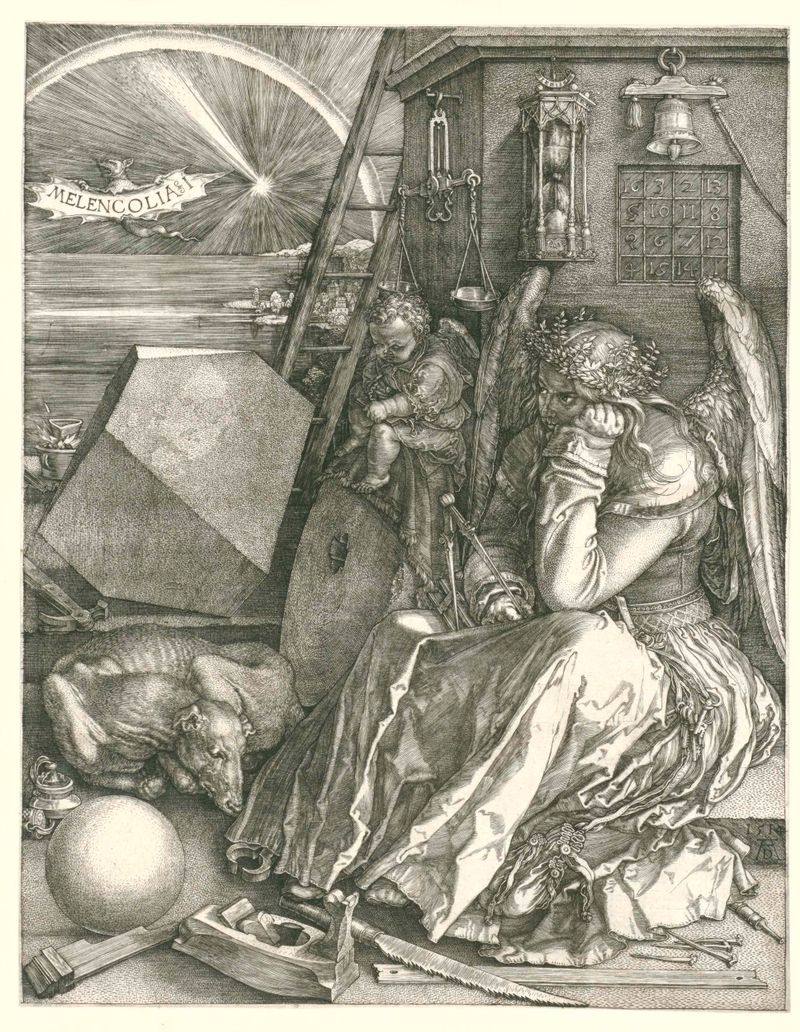
Melancholia
Albrecht Dürer
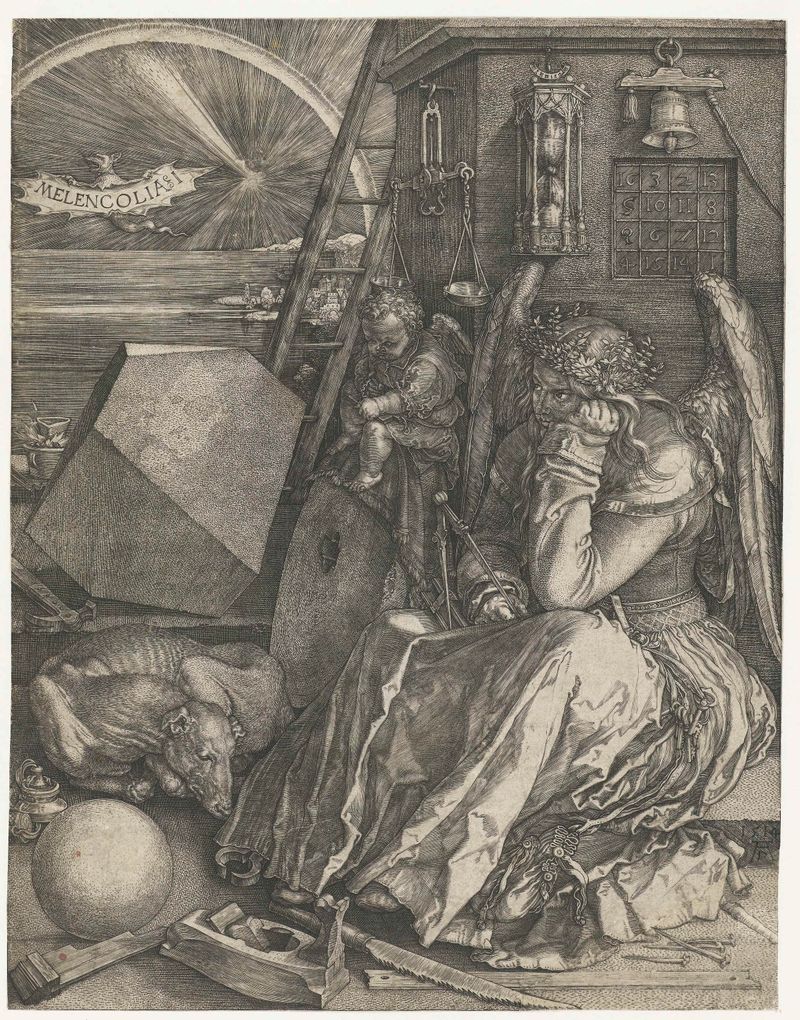
Melancholie
Albrecht Dürer

Neushoorn
Albrecht Dürer
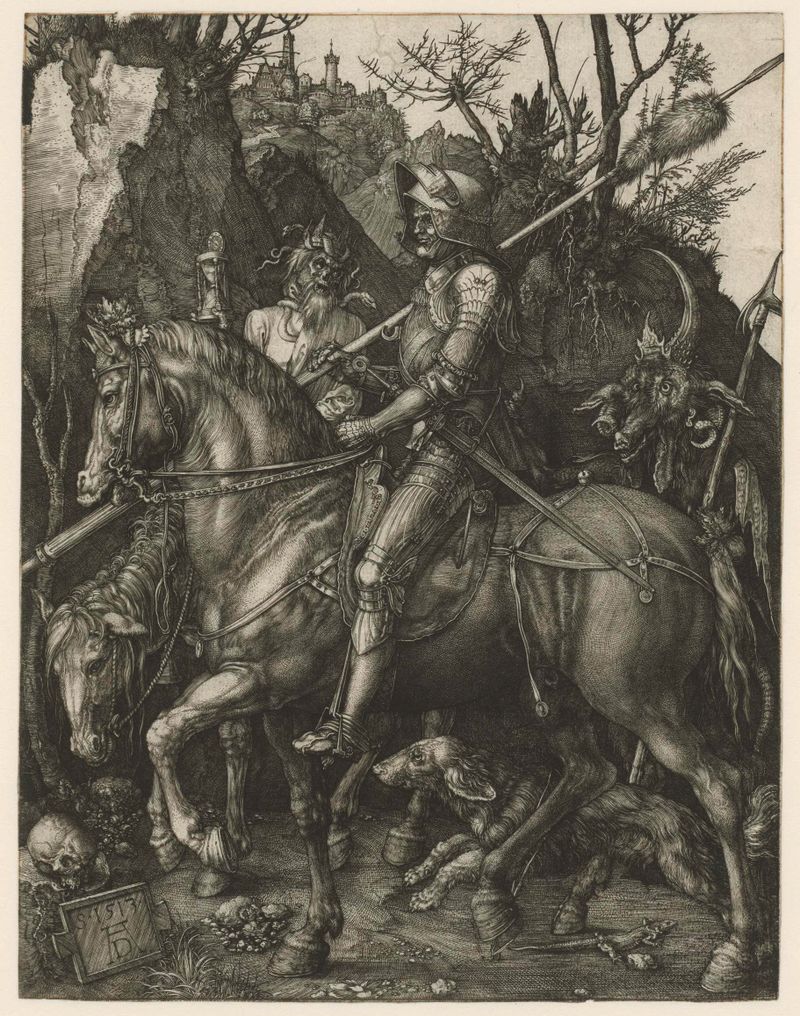
Knight, Death, and the Devil
Albrecht Dürer

De vier ruiters van de apocalyps
Albrecht Dürer

De vier ruiters van de apocalyps
Albrecht Dürer
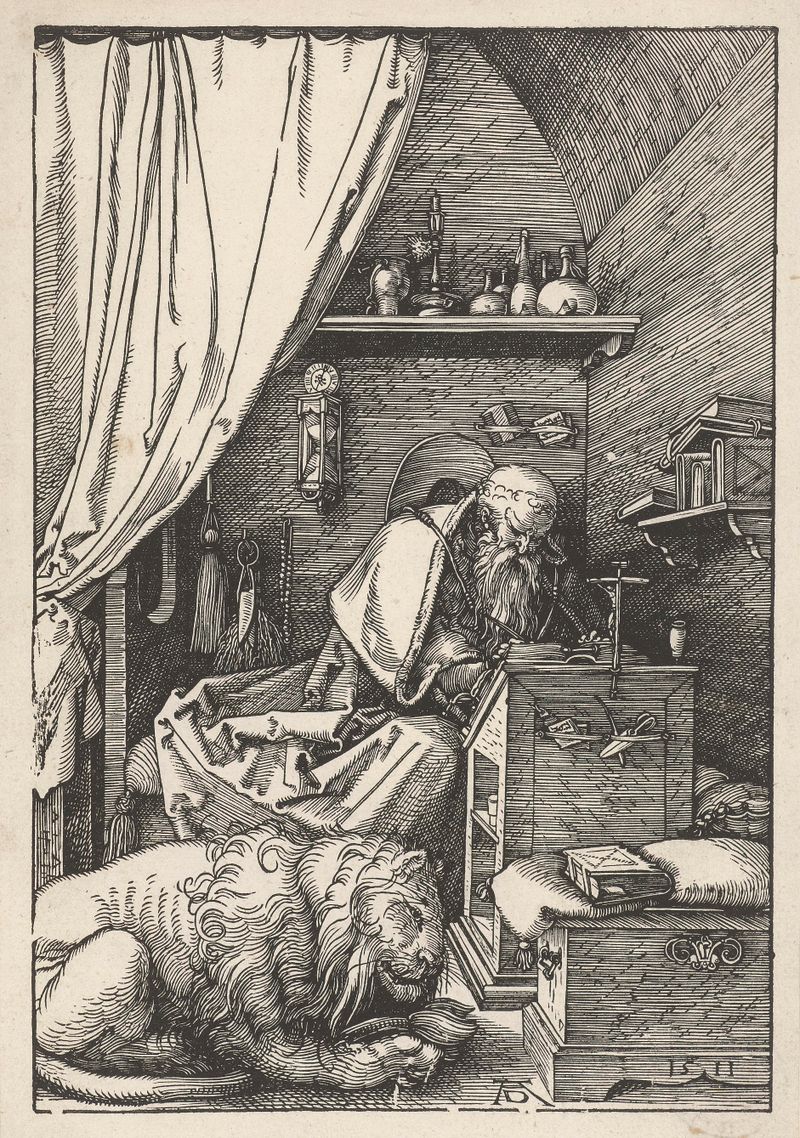
De Heilige Hiëronymus in zijn studeervertrek
Albrecht Dürer
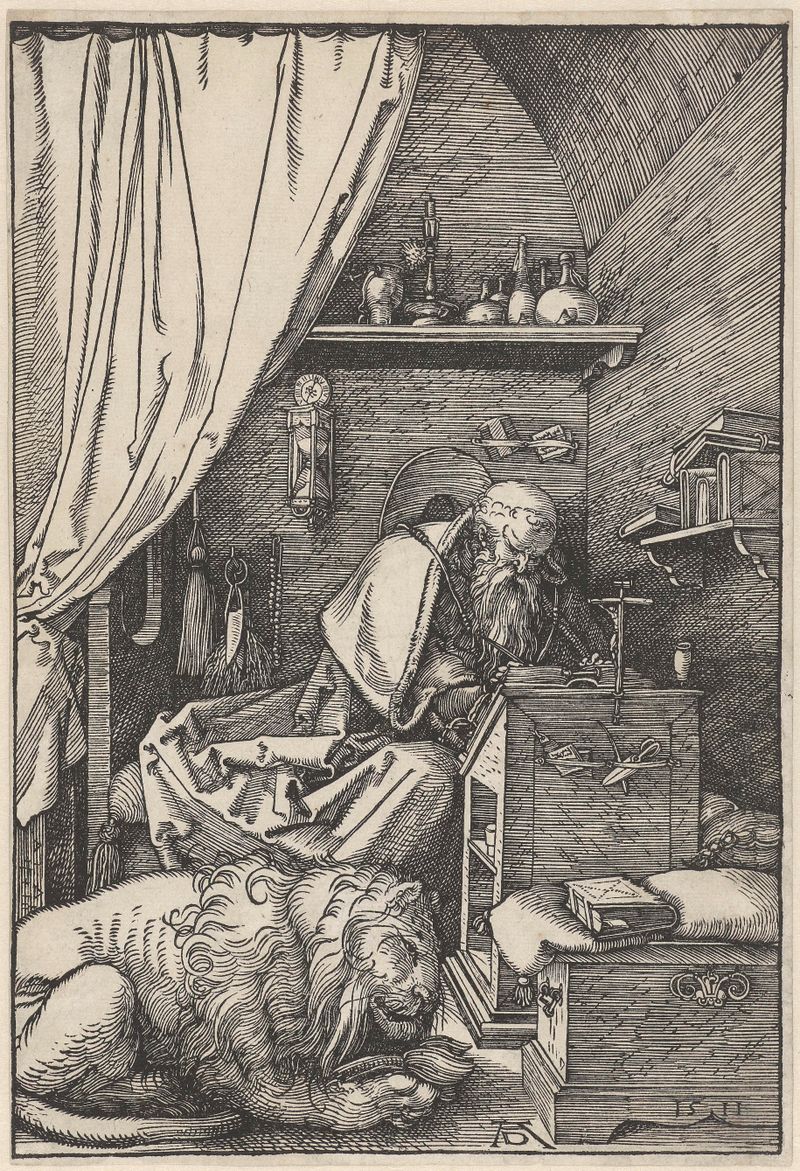
De Heilige Hiëronymus in zijn studeervertrek
Albrecht Dürer
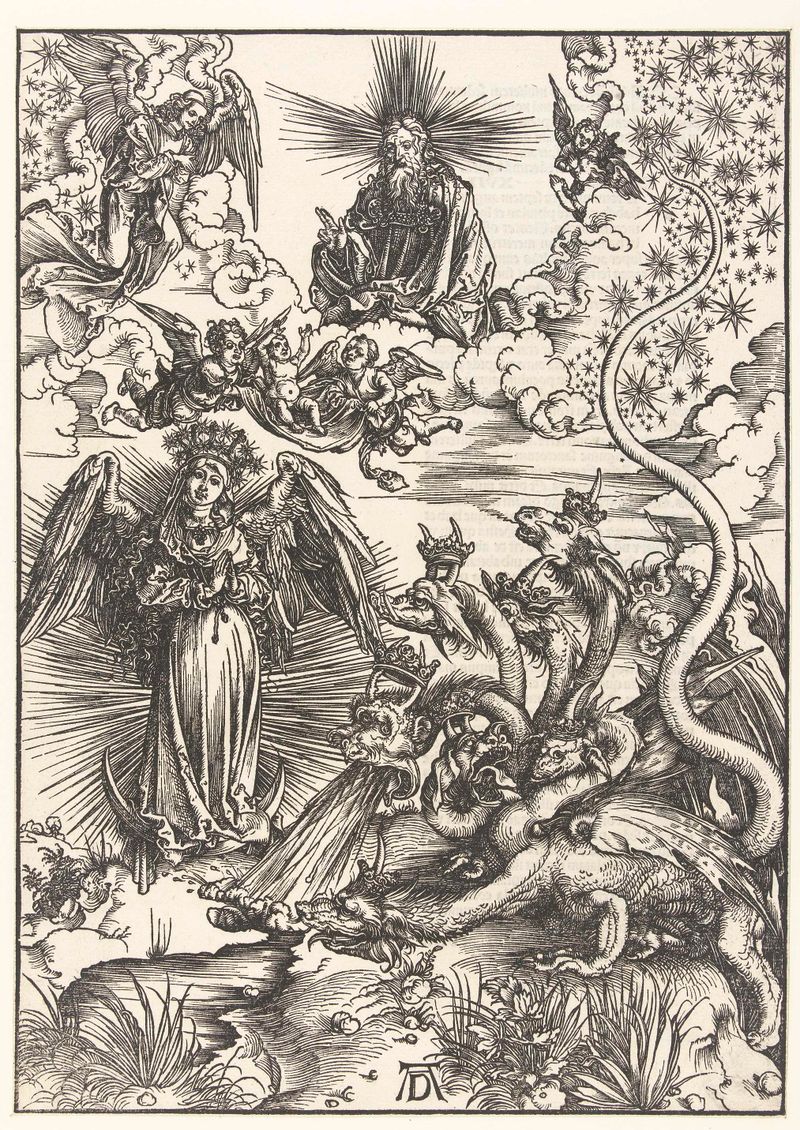
De apocalyptische vrouw en de zevenkoppige draak
Albrecht Dürer
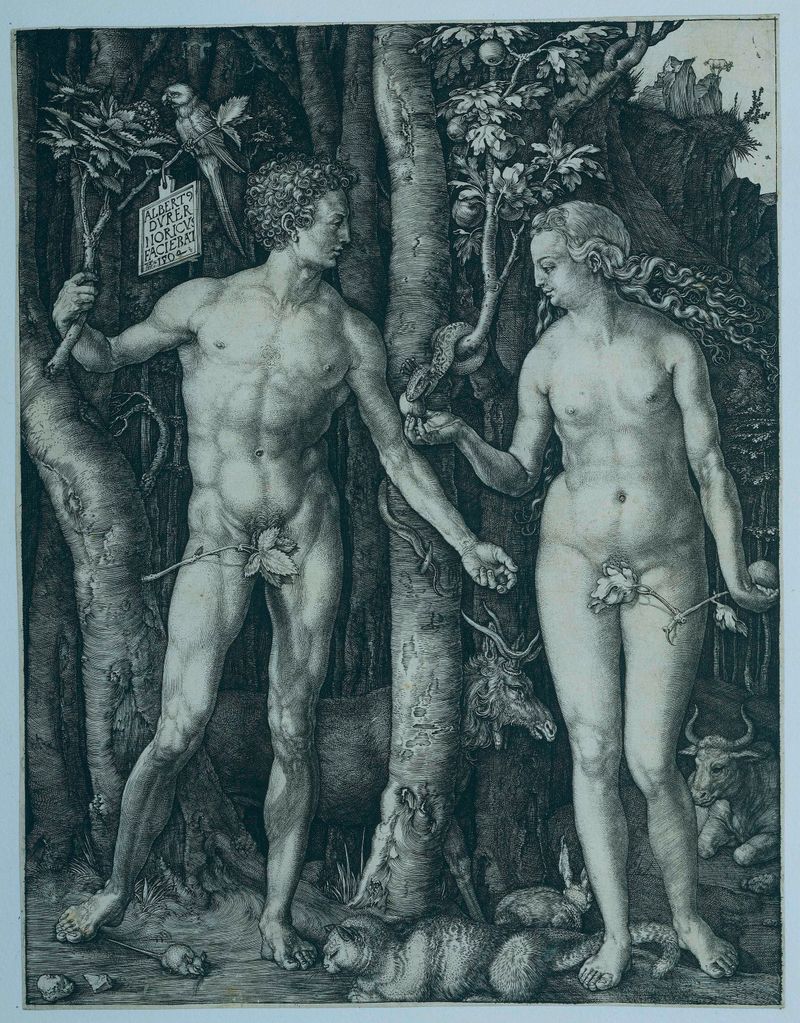
Adam en Eva
Albrecht Dürer
More Religious Art
Browse all →
The Return of the Prodigal Son
Rembrandt van Rijn

The Garden of Earthly Delights
El Bosco

Count Orgaz’ funeral
El Greco

The Hundred Guilder Print: the central piece with Christ preaching, the plate arched
Rembrandt van Rijn

The Descent from the Cross
Rogier van der Weyden

The return of the prodigal son
Rembrandt van Rijn