
De hellevaart van Christus — History & Facts
Could beauty survive in a century of chaos? The intricate details woven into the fabric of this masterpiece whisper stories of resilience amid turmoil. Look to the center of the canvas, where the figure of Christ radiates a serene luminosity, stark against the deep, shadowy background. The artist employs a rich palette of muted earth tones, hinting at both the gravity of the moment and the transcendence of the subject. Notice how the varied textures of flowing robes and delicate drapery are brought to life through precise brushwork, creating a tangible sense of depth and volume.
The use of light serves as both a guiding force and a symbolic presence, illuminating not just the figure but inviting contemplation from the viewer. Beneath the surface beauty lies a profound emotional tension. The contrasting dark and light not only signifies the spiritual battle but also reflects the tumultuous historical period during which this was created. The figures surrounding Christ, marked by expressions of awe and despair, evoke a shared humanity grappling with faith and uncertainty.
Each element—the thorny crown, the subtle gestures of the onlookers—serves to heighten the complexity of the narrative, merging the divine with the quotidian. The Master of Delft created this work in 1503, amidst a burgeoning Northern Renaissance that was rich with innovation and religious fervor. Working in Delft, the artist was influenced by the social and spiritual upheaval of the time, with the Reformation beginning to reshape the landscape of faith and art. It was a period when artists sought to capture the divine not just in religious themes but also in the everyday, laying the groundwork for future explorations of human experience.
More Artworks by Master of Delft
Browse all →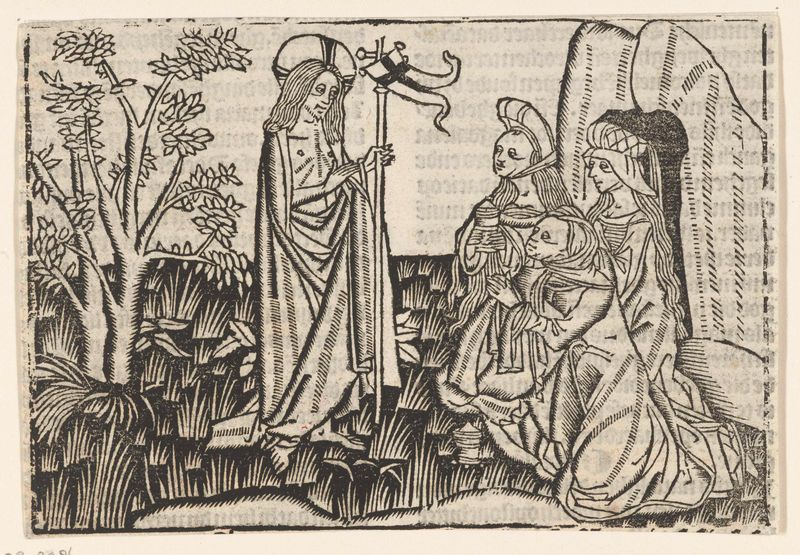
Christus verschijnt aan de drie Maria's
Master of Delft
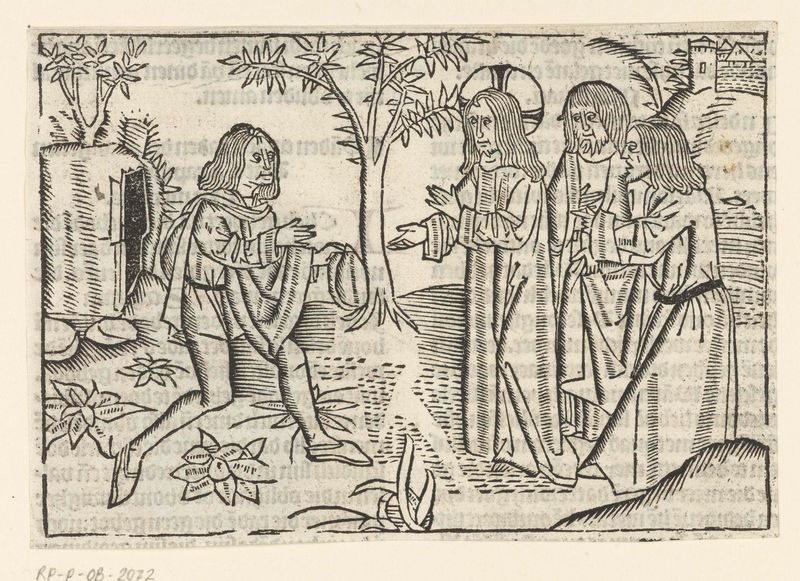
Christus en de rijke jongeling
Master of Delft
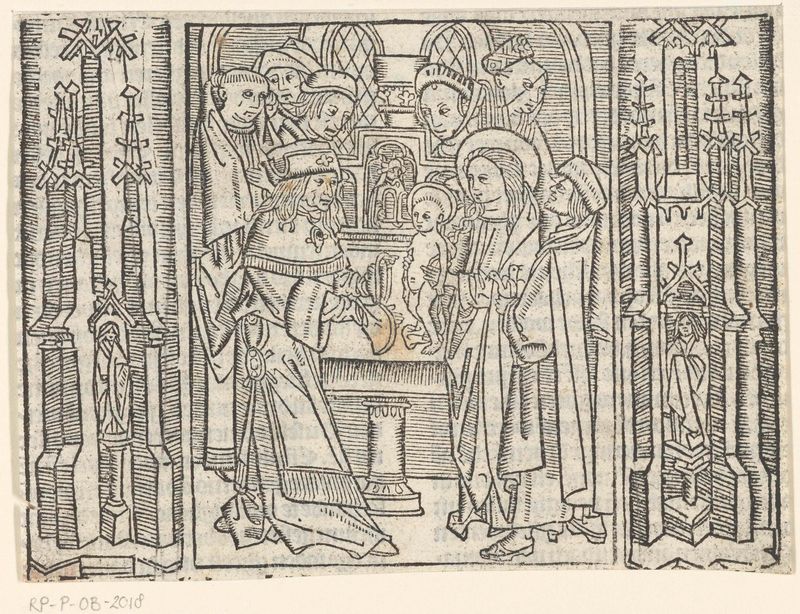
Presentatie van Christus in de tempel
Master of Delft
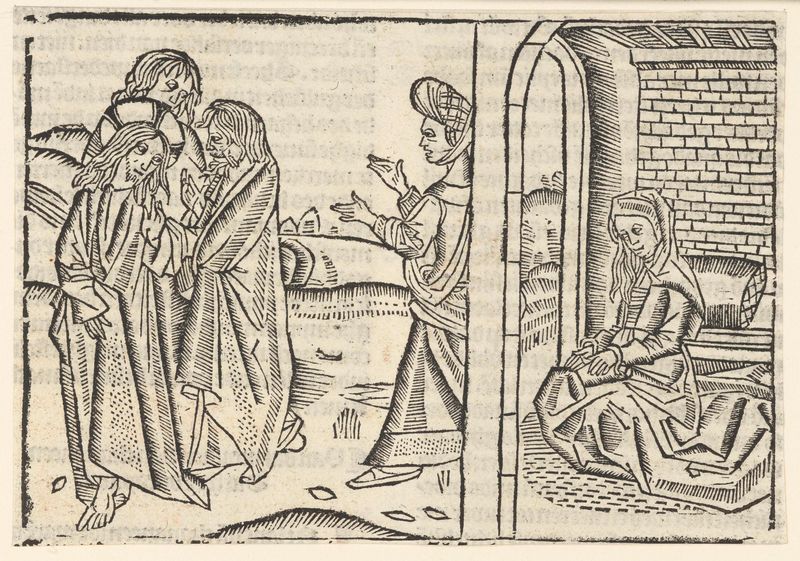
Christus en de Kanaänitische vrouw
Master of Delft
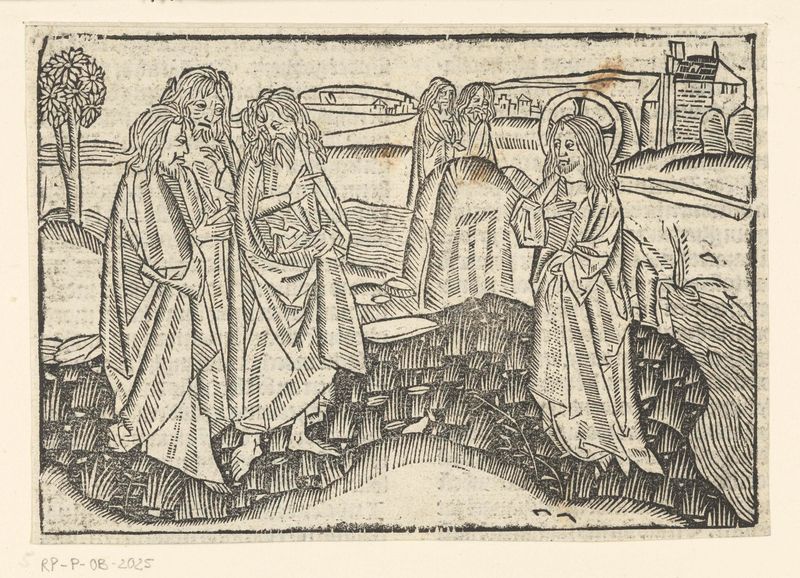
Christus kiest zijn eerste discipelen
Master of Delft
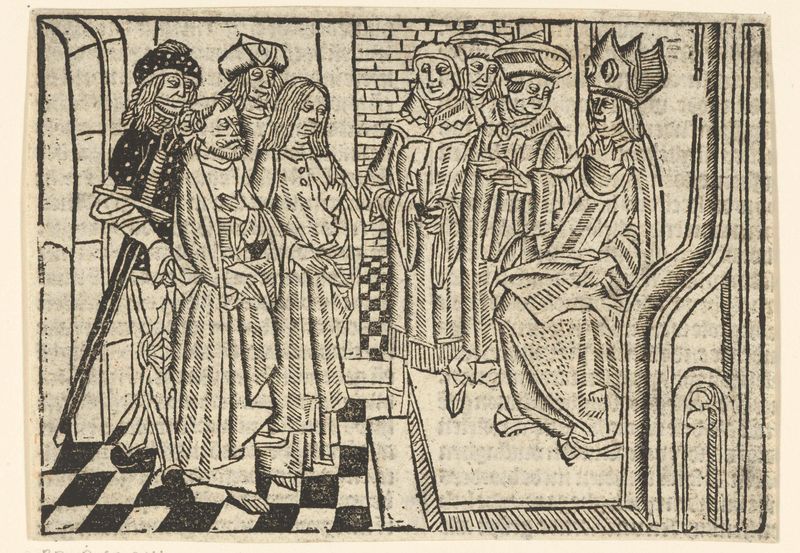
Petrus en Johannes de evangelist voor de hogepriester
Master of Delft
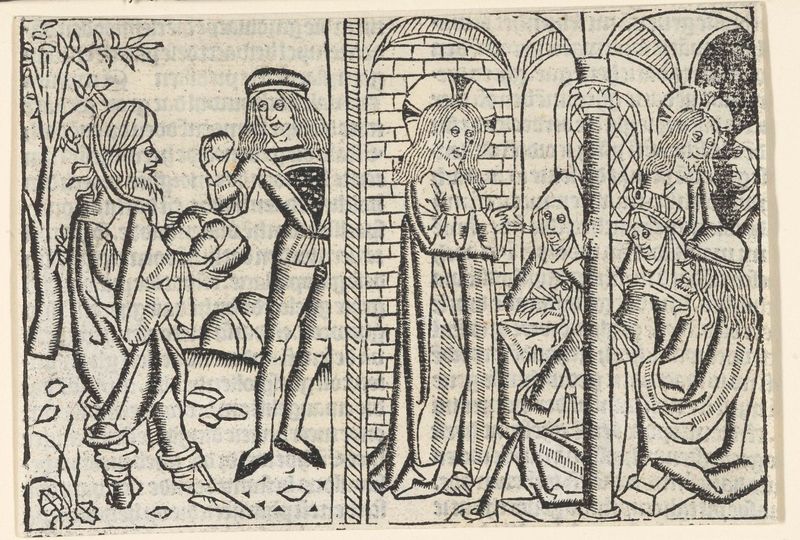
De Farizeeërs willen Christus stenigen
Master of Delft
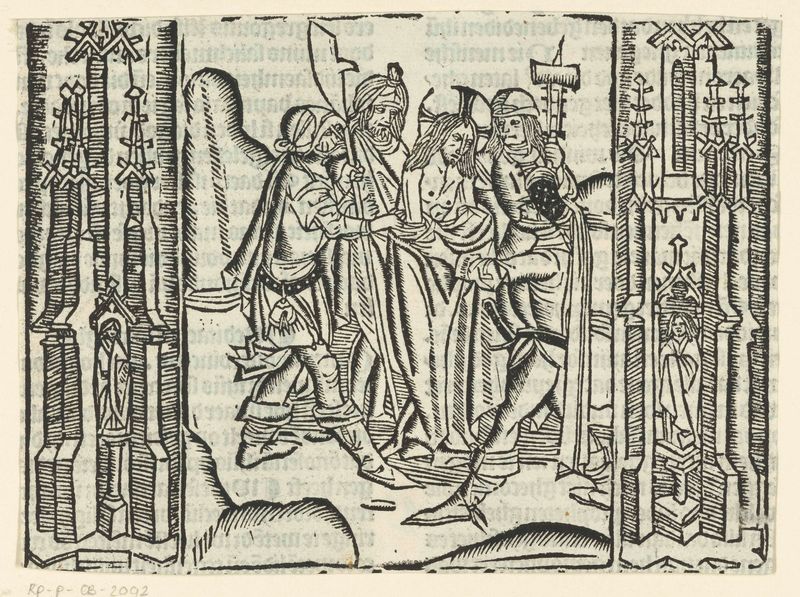
Christus wordt ontkleed
Master of Delft
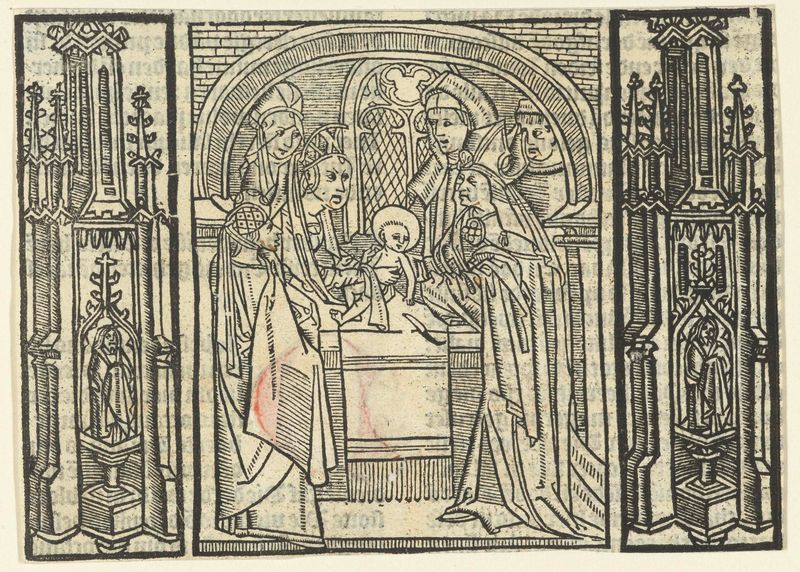
Besnijdenis van Christus
Master of Delft
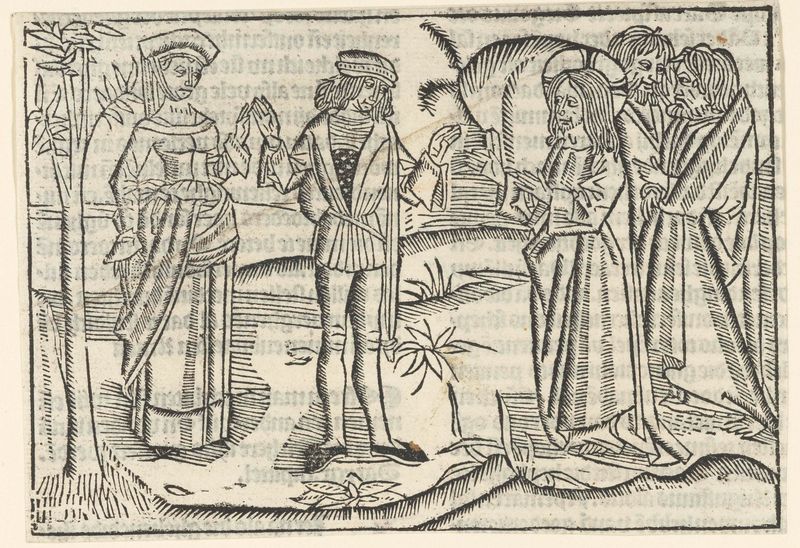
Christus predikt over scheiden
Master of Delft
More Religious Art
Browse all →
The Return of the Prodigal Son
Rembrandt van Rijn

The Garden of Earthly Delights
El Bosco

Count Orgaz’ funeral
El Greco

The Hundred Guilder Print: the central piece with Christ preaching, the plate arched
Rembrandt van Rijn

The Descent from the Cross
Rogier van der Weyden

The return of the prodigal son
Rembrandt van Rijn