
De hemelvaart van Maria — History & Facts
In a world filled with chaos, serenity becomes a sanctuary for the soul. Look to the center, where a gentle cascade of vibrant blues and ethereal whites converge, embodying both divinity and calm. The figures, enveloped in sumptuous fabrics adorned with gold accents, draw the eye with their tranquil expressions. The softness of their gestures contrasts with the starkness of the surrounding architecture, inviting viewers to explore the harmonious interplay between the celestial and the earthly realm. At the edges, the delicate play of light suggests a balance between the spiritual and the corporeal, where the luminous figures seem to float just above the ground.
This tension reveals an intimate connection to the divine, as if the painted scene is a bridge between two worlds. The serene expressions and maternal embrace evoke feelings of comfort, while the subtle positioning of hands hints at both guidance and surrender, emphasizing the duality of human experience—faith and doubt, hope and fear. Created in 1503, this piece emerged from the hand of a master whose identity remains shrouded in mystery. Working in Delft, their style was influenced by the burgeoning Northern Renaissance, where a focus on detail and emotion transformed religious iconography.
During this period, artists sought to evoke personal connections to their subjects, reflecting a growing interest in individual experience amidst broader spiritual narratives.
More Artworks by Master of Delft
Browse all →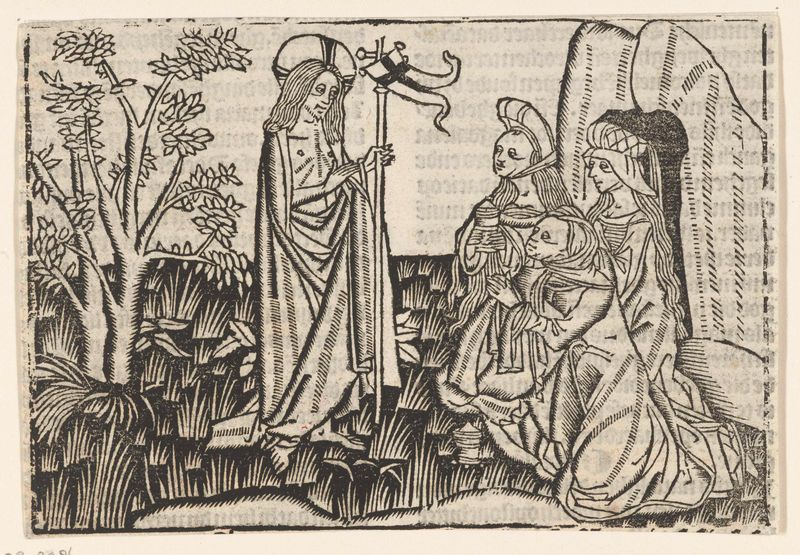
Christus verschijnt aan de drie Maria's
Master of Delft
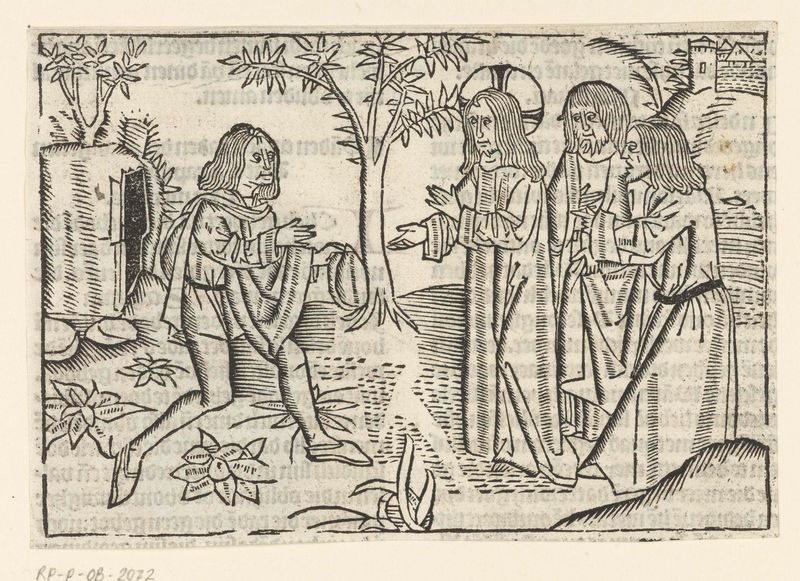
Christus en de rijke jongeling
Master of Delft
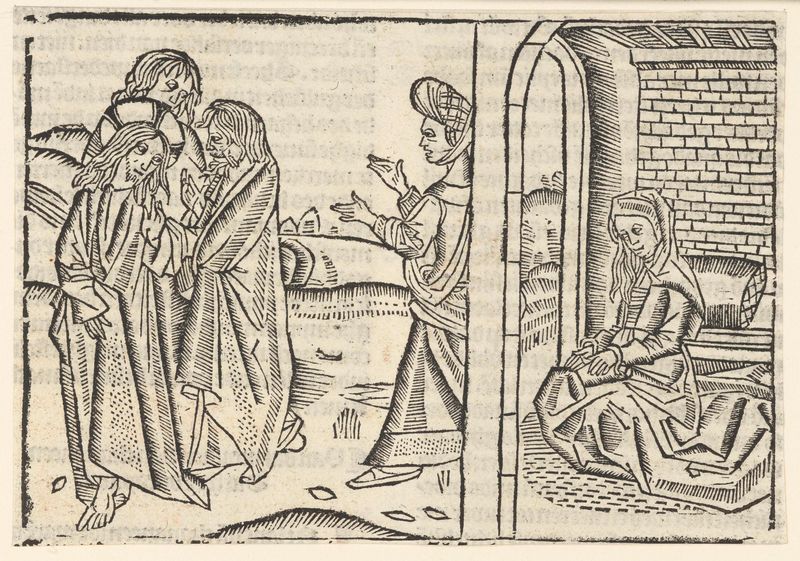
Christus en de Kanaänitische vrouw
Master of Delft
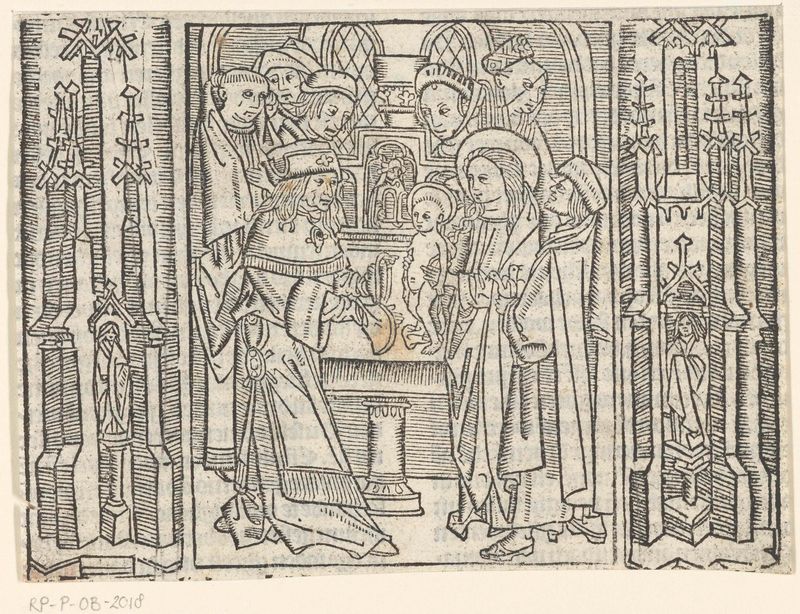
Presentatie van Christus in de tempel
Master of Delft
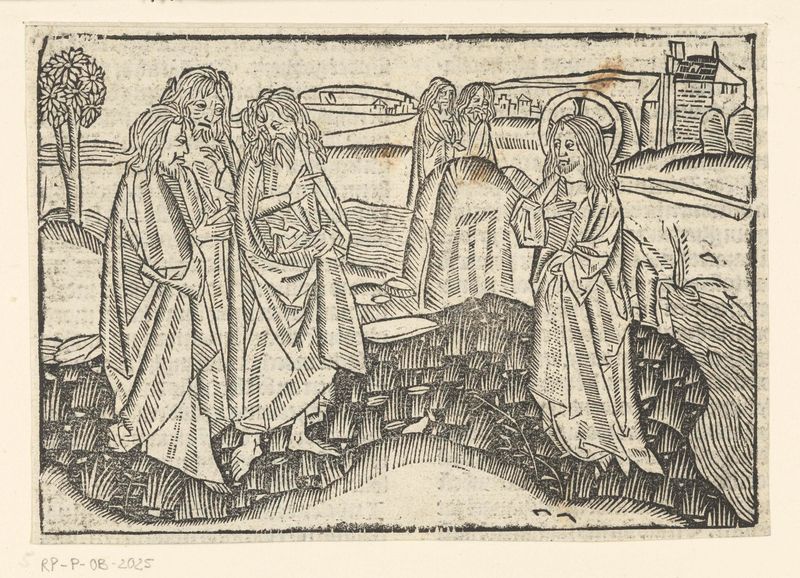
Christus kiest zijn eerste discipelen
Master of Delft
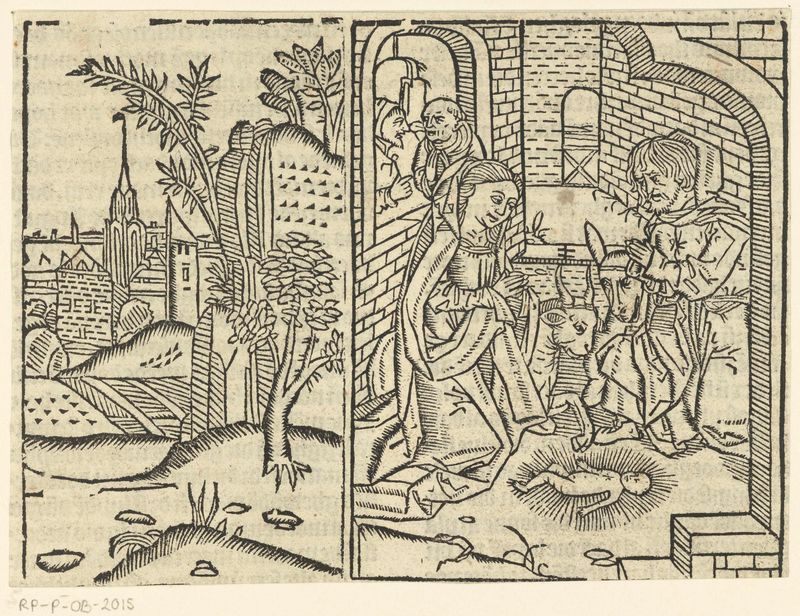
Geboorte van Christus
Master of Delft
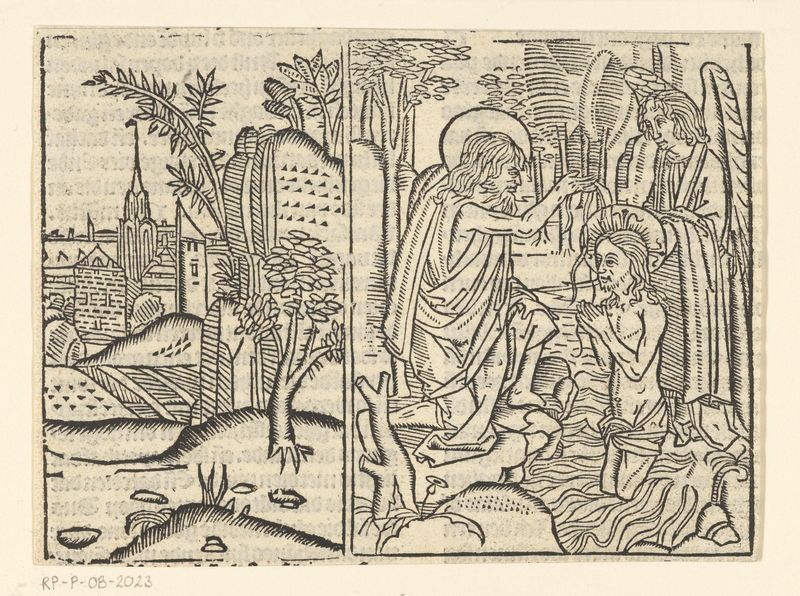
De doop van Christus in de Jordaan
Master of Delft
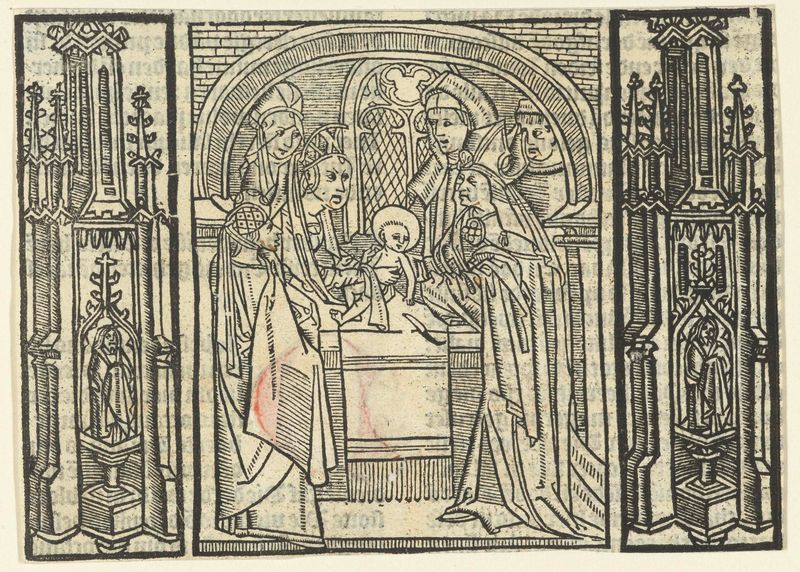
Besnijdenis van Christus
Master of Delft
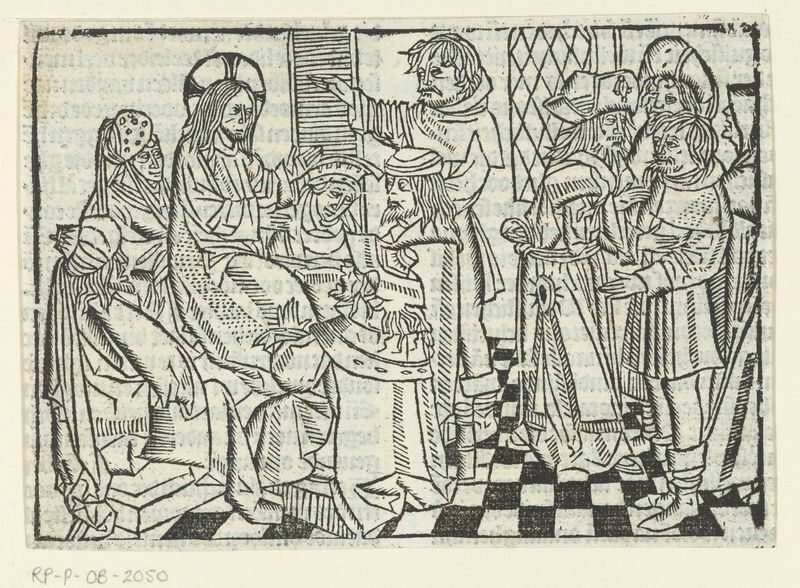
Christus geneest de man met een verdorde hand
Master of Delft
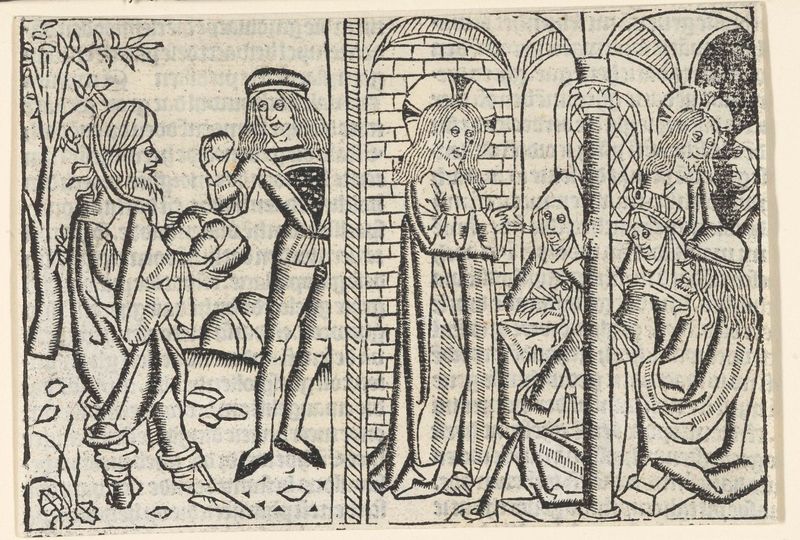
De Farizeeërs willen Christus stenigen
Master of Delft
More Religious Art
Browse all →
The Return of the Prodigal Son
Rembrandt van Rijn

The Garden of Earthly Delights
El Bosco

Count Orgaz’ funeral
El Greco

The Hundred Guilder Print: the central piece with Christ preaching, the plate arched
Rembrandt van Rijn

The Descent from the Cross
Rogier van der Weyden

The return of the prodigal son
Rembrandt van Rijn