
De kathedraal — History & Facts
In De kathedraal, the weight of memory clings to the air like the dust motes caught in the beams of light filtering through stained glass. It evokes a profound sense of introspection, as if the walls themselves cradle secrets whispered over centuries. Look to the intricate details of the cathedral façade, where vibrant colors intertwine with shadows. The vivid blues and reds dominate, drawing the eye to the elaborate patterns that pulse with life.
Notice how the light caresses the edges of the stone, creating depth and dimension, while the foreground features ghostly figures that flicker in and out of perception — a haunting reminder of the past. Each brushstroke seems deliberate, evoking both the glory of devotion and the impermanence of existence. Beneath its surface, the painting reveals a tension between the sacred and the spectral. The presence of the figures hints at the fragility of memory, as they seem to wander in search of connection yet remain perpetually distant.
The vibrant palette contrasts sharply with the muted undertones of history, suggesting a celebration of life juxtaposed with the silence of those who have passed. It speaks to the duality of the cathedral as a place of worship and a repository of forgotten voices, inviting reflection on what we choose to remember or forget. In 1896, Ensor was living in Ostend, a period marked by his exploration of themes surrounding death and spirituality. He had begun to pivot away from traditional forms, embracing a more symbolic and expressive style that defied the conventions of his time.
The late 19th century was a time of upheaval in the art world, with movements like Impressionism and Symbolism reshaping the landscape, and Ensor, in his own way, was carving a distinctive path through the shadows of memory and identity.
More Artworks by James Ensor
Browse all →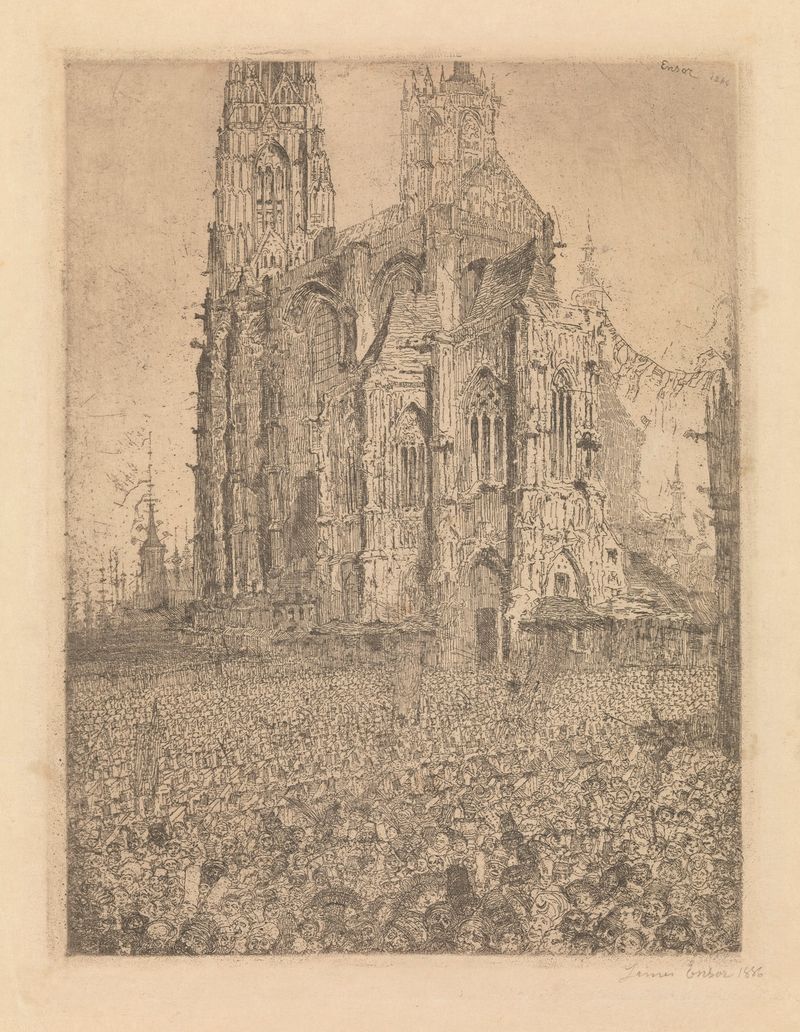
The Cathedral
James Ensor
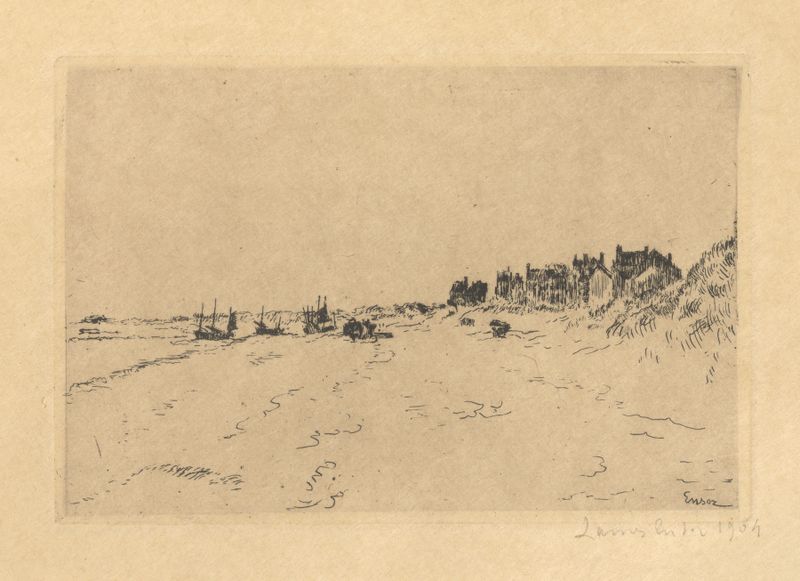
Het strand van De Panne
James Ensor
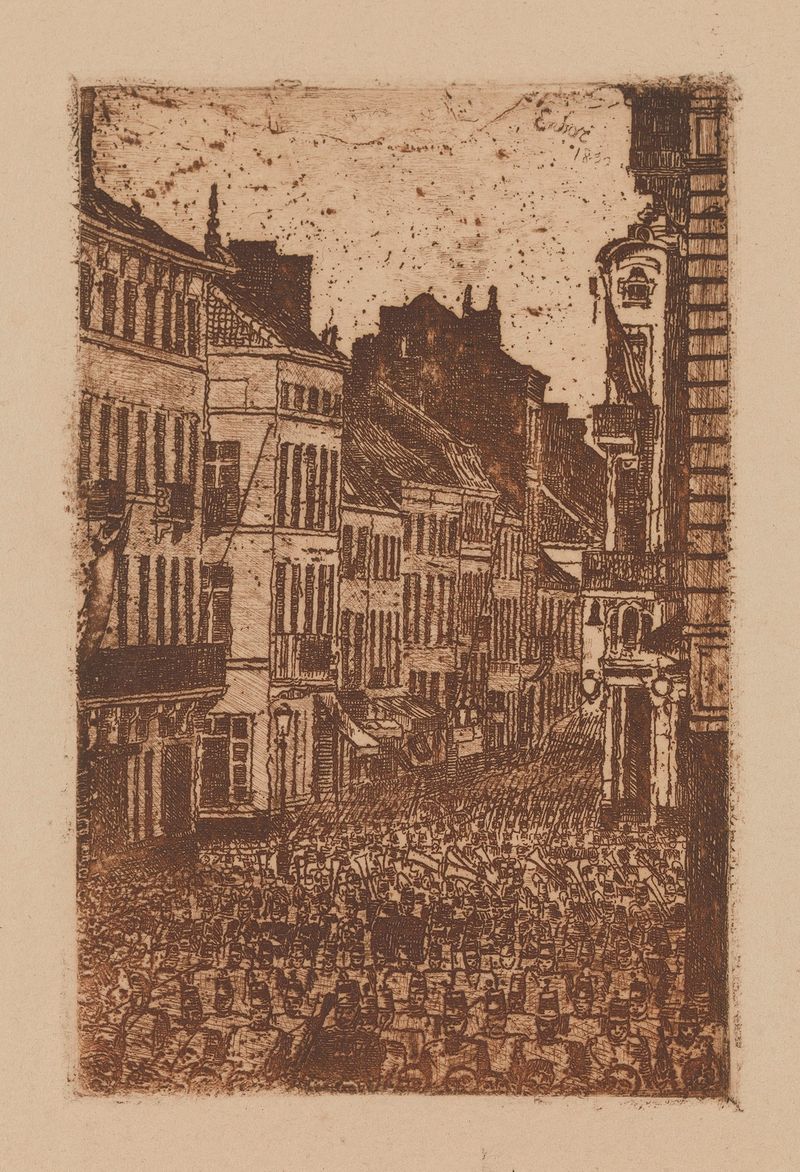
The Music in the rue de Flandre, Ostend
James Ensor
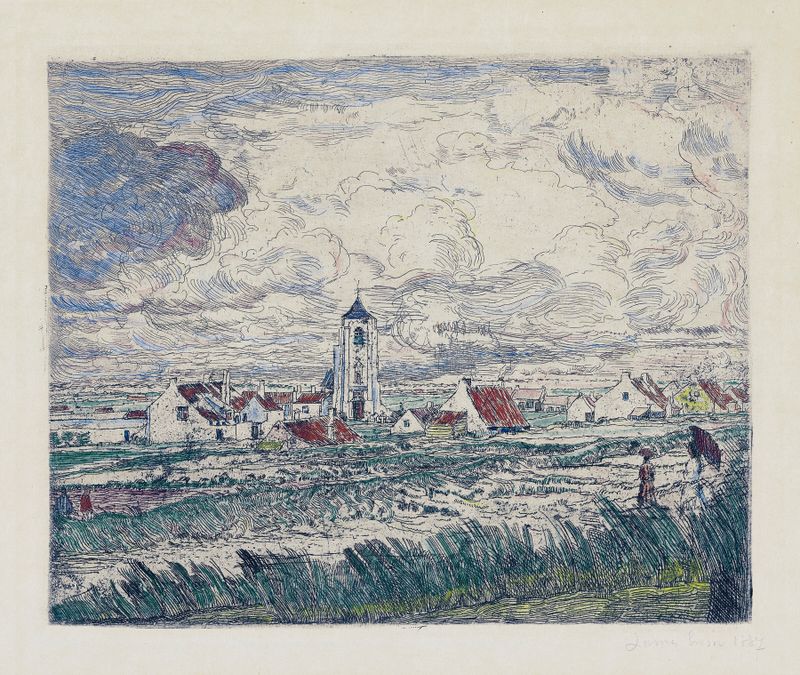
Grande vue de Mariakerke
James Ensor
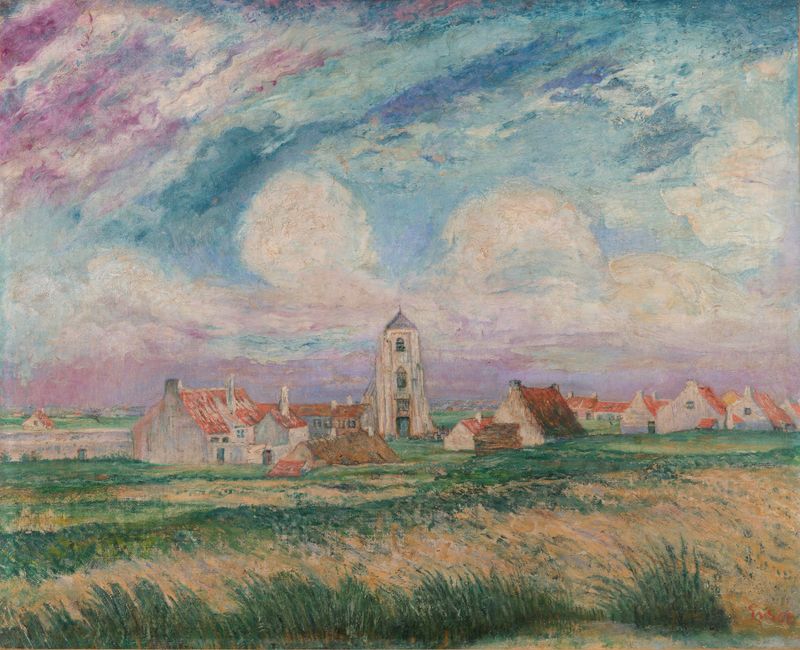
View of Mariakerke
James Ensor
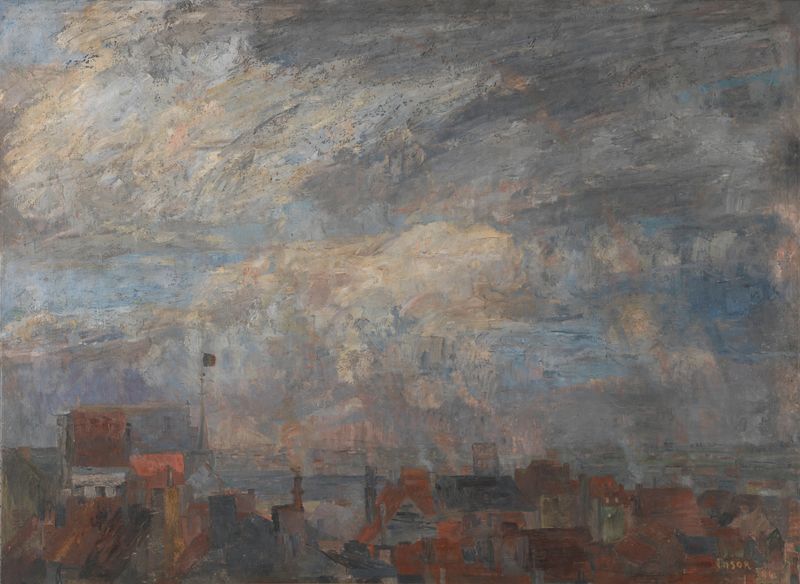
The Rooftops of Ostend
James Ensor
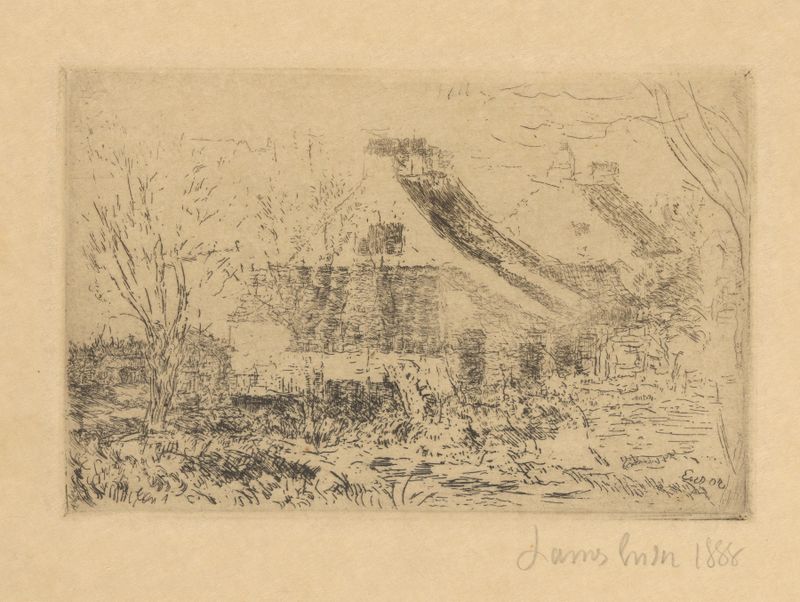
Huisjes in Mariakerke
James Ensor
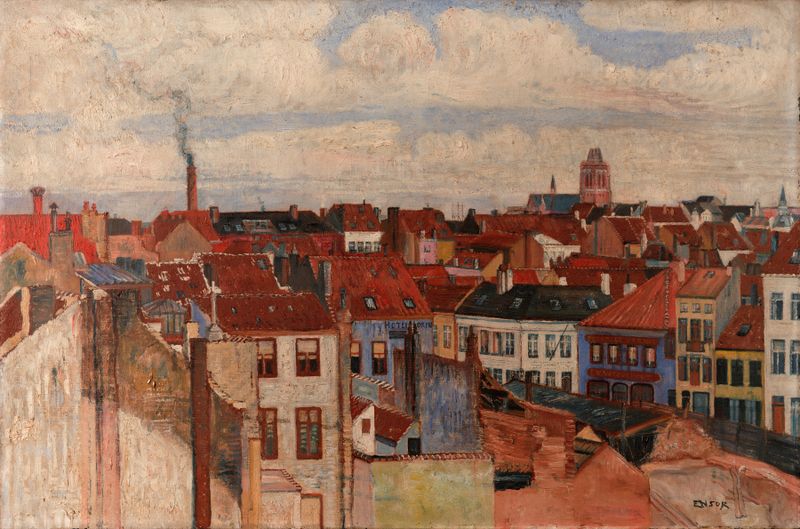
The rooftops of Ostend
James Ensor
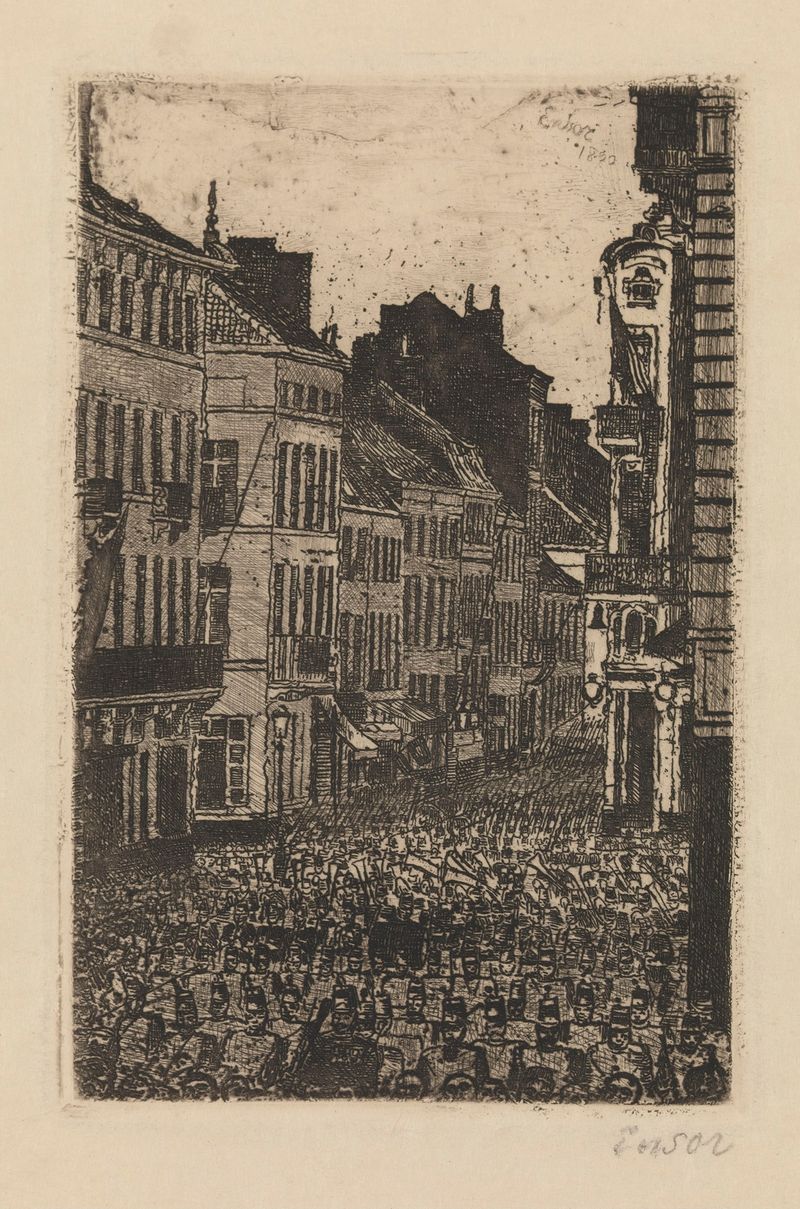
The Music in the rue de Flandre, Ostend
James Ensor
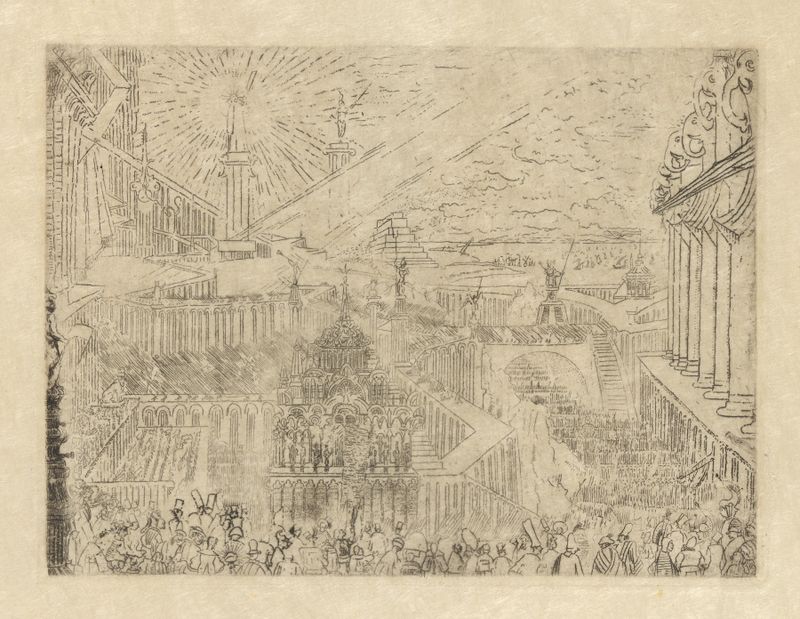
Verovering van een vreemde stad
James Ensor
More Architecture Art
Browse all →
The statue of Liberty
Frédéric Auguste Bartholdi

View of Houses in Delft, Known as ‘The Little Street’
Johannes Vermeer

View of Houses in Delft, Known as ‘The Little Street’
Johannes Vermeer

The Cathedral in Rouen. The portal, Grey Weather
Claude Monet

The yellow house
Vincent van Gogh

The Church in Auvers-sur-Oise, View from the Chevet
Vincent van Gogh