
De kindermoord te Bethlehem — History & Facts
Where does light end, and longing begin? In the realm of art, the answer often lies in the shadows of our past, revealing the legacies we carry forward. Focus on the delicate interplay of light and dark in this haunting piece. Look to the center; the mournful faces of grieving figures draw you in with their expressions, each revealing layers of sorrow. Notice how the soft light seems to cascade down from an unseen source, illuminating their despair while the surrounding darkness envelops them, creating a striking contrast that heightens the emotional intensity.
The muted palette of earthy tones enhances the gravity of the scene, inviting contemplation of the tragedy portrayed. Within the intricate details, a narrative of loss unfolds. The small hands reaching toward the heavens symbolize innocence forever lost, while the somber, weathered expressions of the adults reflect a collective mourning that transcends time. The composition suggests a cycle of suffering—echoing both the biblical massacre and the broader human experience of grief—where history repeats itself, binding generations in sorrow.
This duality of light and dark becomes a poignant metaphor for legacy, entwining hope and despair in equal measure. Created in 1503, this artwork emerged from the studio of the Master of Delft during a time of emerging Renaissance thought in Northern Europe. The artist was exploring themes of morality and humanity, influenced by the rapid social changes and religious transformations of the period. The piece resonates with the anxieties of its time, reflecting the interplay between faith and fear, as well as a shifting understanding of human experience within the greater narrative of history.
More Artworks by Master of Delft
Browse all →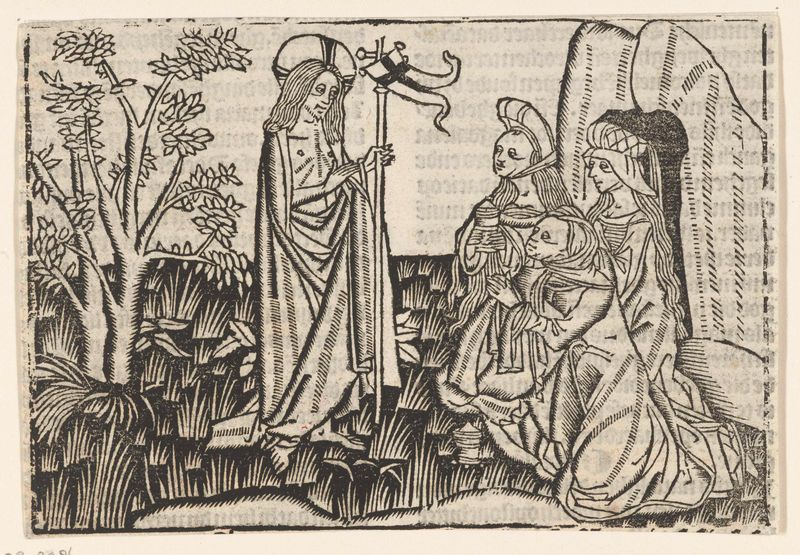
Christus verschijnt aan de drie Maria's
Master of Delft
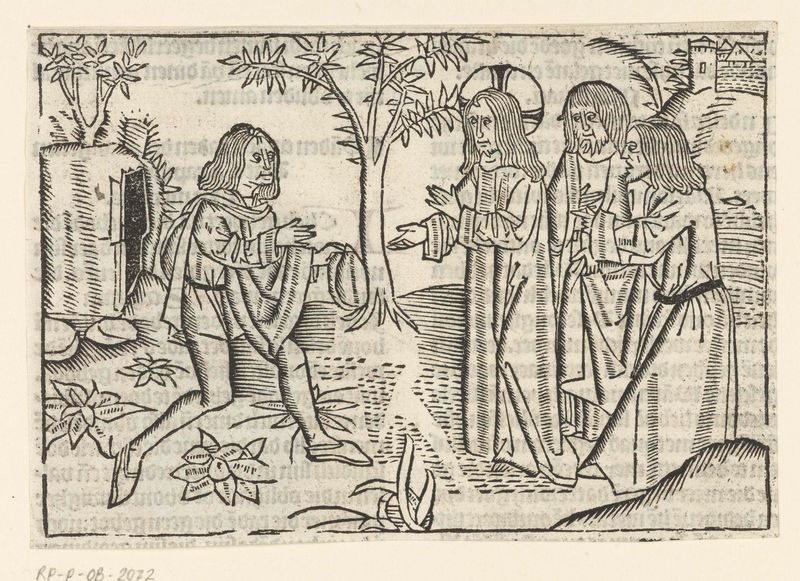
Christus en de rijke jongeling
Master of Delft
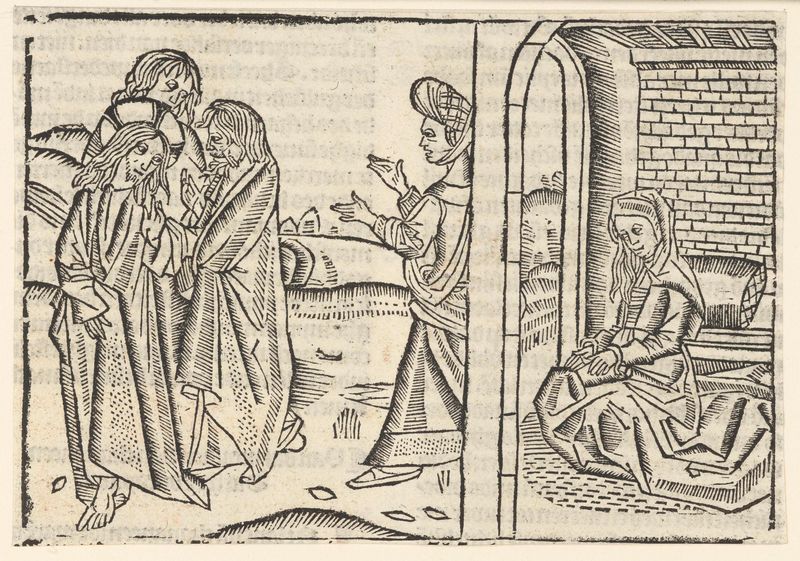
Christus en de Kanaänitische vrouw
Master of Delft
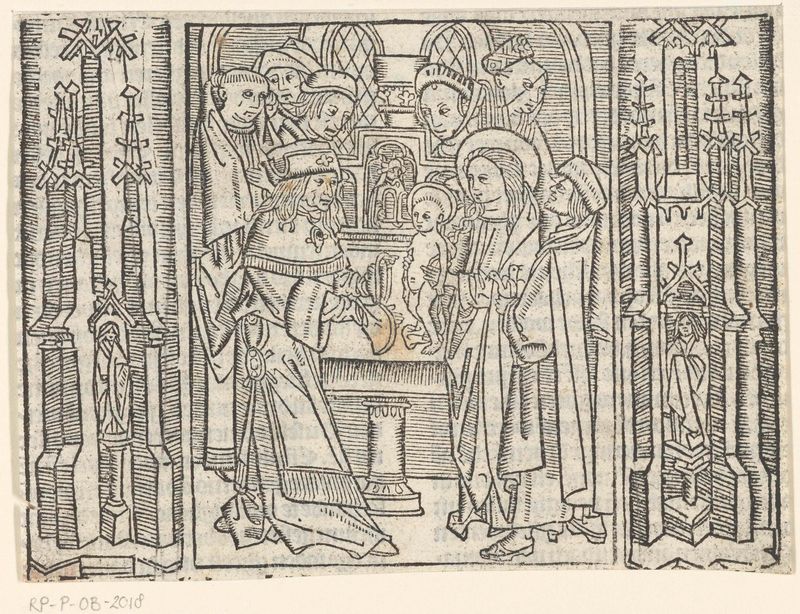
Presentatie van Christus in de tempel
Master of Delft
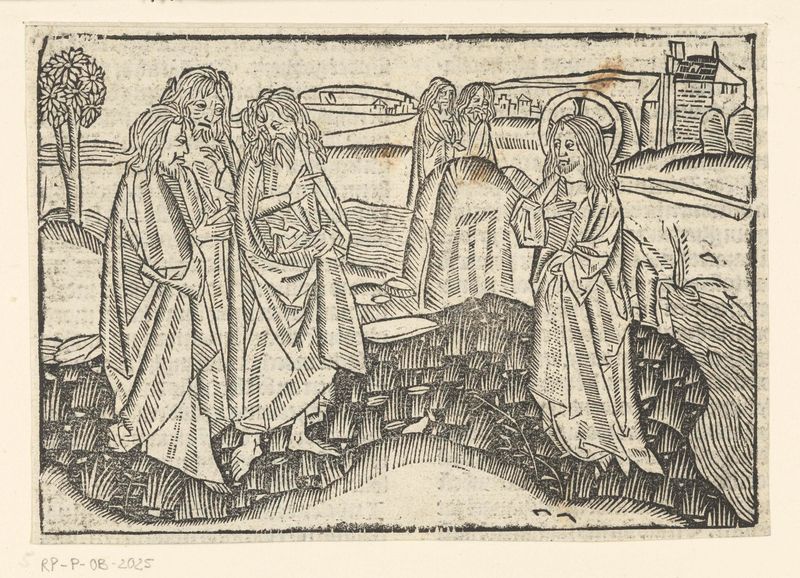
Christus kiest zijn eerste discipelen
Master of Delft
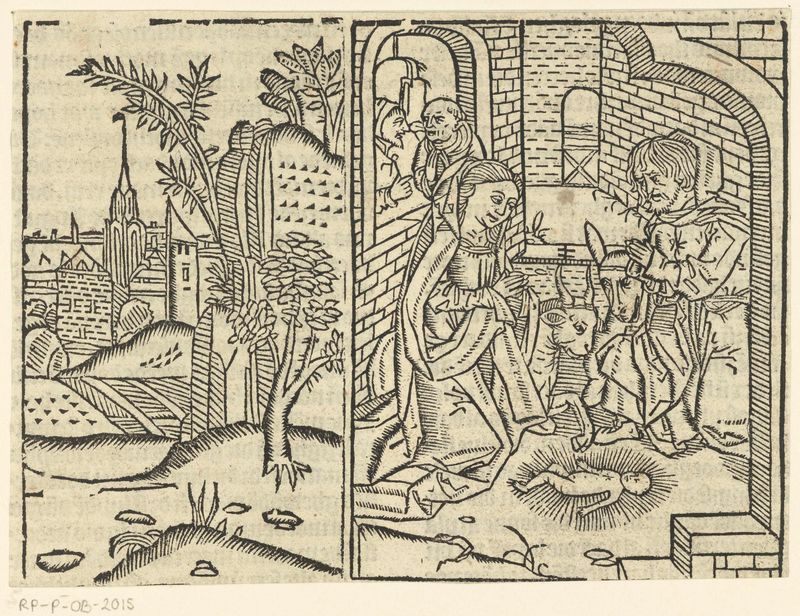
Geboorte van Christus
Master of Delft
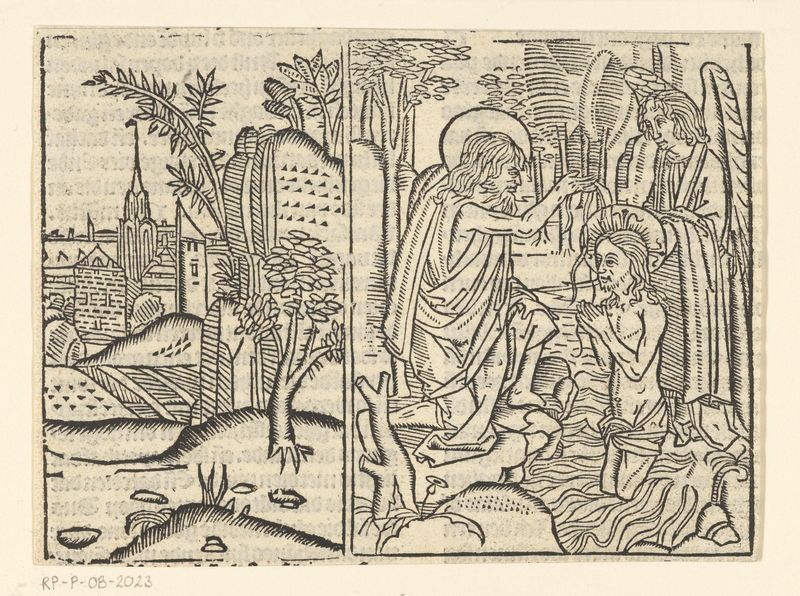
De doop van Christus in de Jordaan
Master of Delft
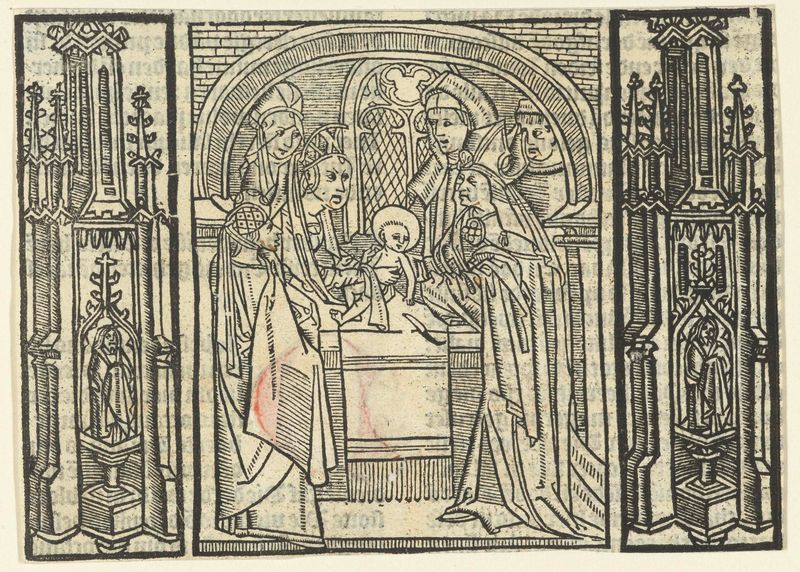
Besnijdenis van Christus
Master of Delft
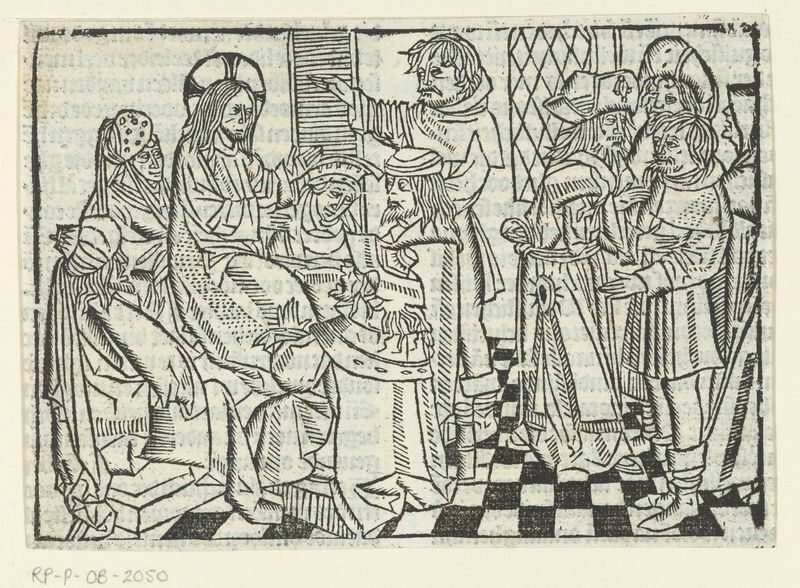
Christus geneest de man met een verdorde hand
Master of Delft
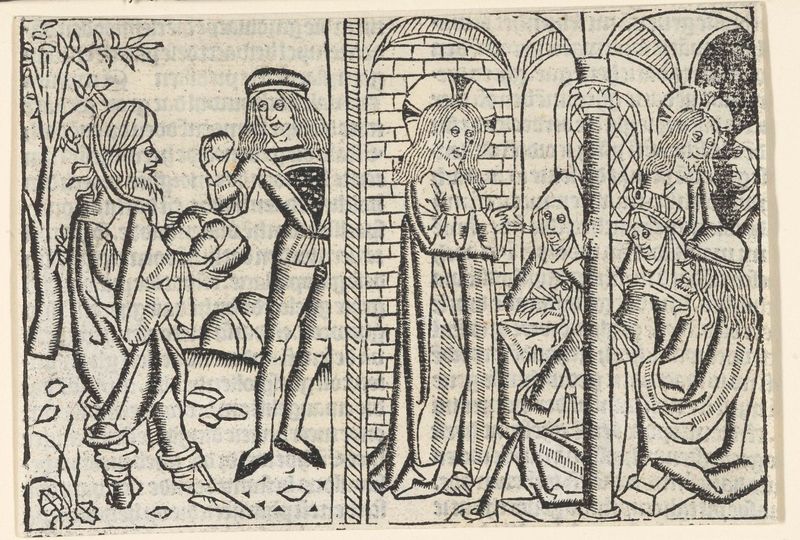
De Farizeeërs willen Christus stenigen
Master of Delft
More Religious Art
Browse all →
The Return of the Prodigal Son
Rembrandt van Rijn

The Garden of Earthly Delights
El Bosco

Count Orgaz’ funeral
El Greco

The Hundred Guilder Print: the central piece with Christ preaching, the plate arched
Rembrandt van Rijn

The Descent from the Cross
Rogier van der Weyden

The return of the prodigal son
Rembrandt van Rijn