
De kleine kruisiging — History & Facts
In the stillness of De kleine kruisiging, the viewer confronts a moment suspended between despair and the haunting specter of madness. The intricate details invite an unsettling questioning of faith and mortality, echoing a truth that feels both distant and disturbingly close. Focus your gaze first on the central figure, the crucified Christ, whose visage is both serene and profoundly melancholic. The delicate interplay of light and shadow accentuates the tension in his expression, drawing you in while simultaneously pushing you away.
Notice how the background swells with muted earth tones, contrasting sharply with the vibrant hues of the figures surrounding him, emphasizing their emotional turmoil against his stoic presence. Delving deeper, the surrounding figures reveal a tapestry of grief and despair. The anguished faces of the onlookers evoke a spectrum of emotions, from disbelief to acceptance, while their postures—some bent low, others raised in agony—speak to the chaotic turmoil of a world grappling with the absurdity of sacrifice. A delicate balance of despair and resignation permeates the composition, hinting at the madness lurking beneath the surface of human experience. Created between 1517 and 1521, this work emerged during a tumultuous period in Dürer’s life, as he navigated the shifting tides of the Renaissance in Germany.
The Reformation was gaining momentum, and art was becoming a conduit for profound philosophical and spiritual inquiries. Dürer, known for his masterful engravings and innovative techniques, was deeply engaged in these transformative discussions, striving to capture the essence of humanity’s existential struggles within his art.
More Artworks by Albrecht Dürer
Browse all →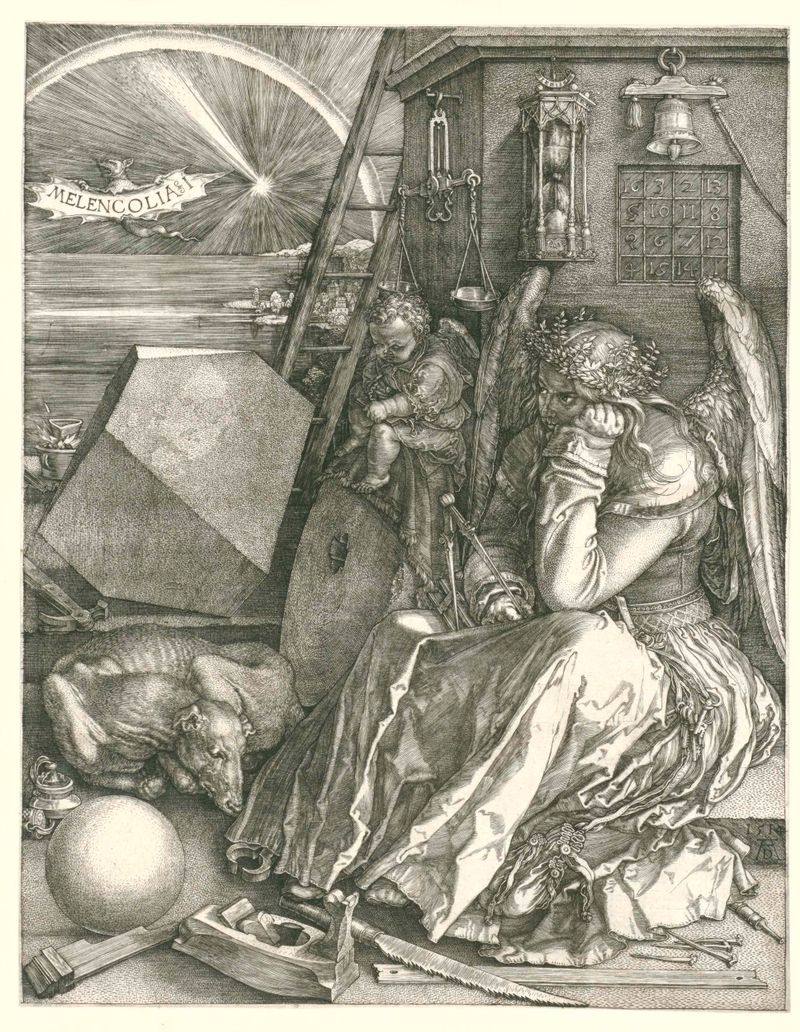
Melancholia
Albrecht Dürer
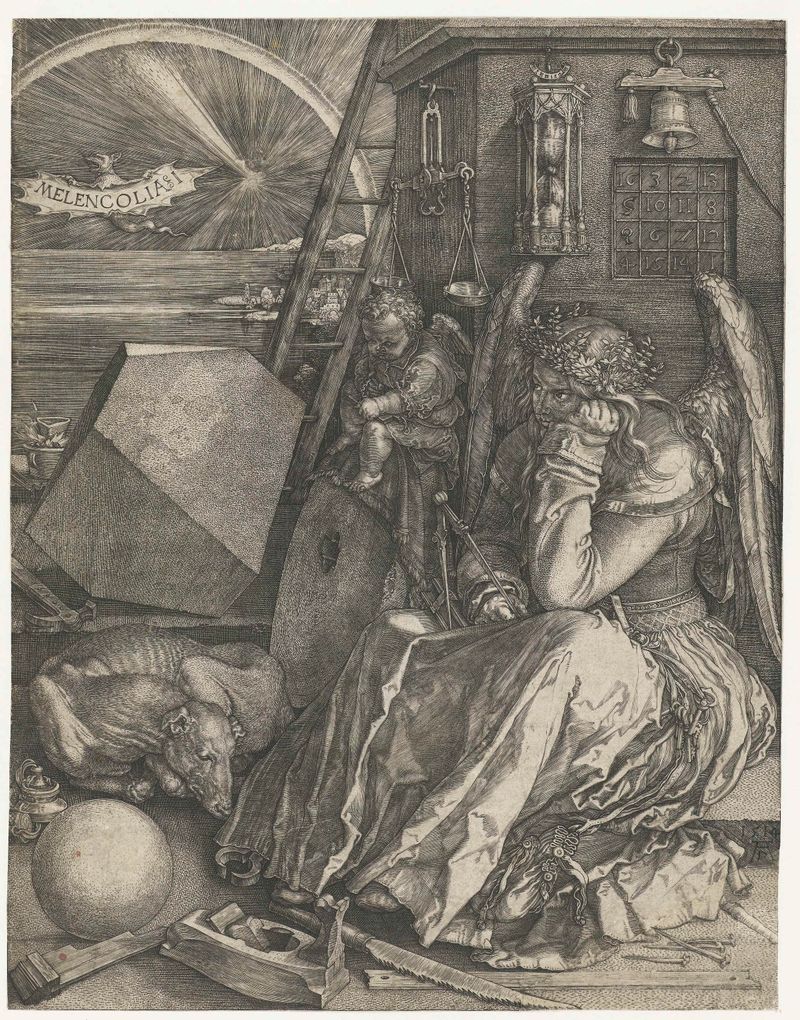
Melancholie
Albrecht Dürer
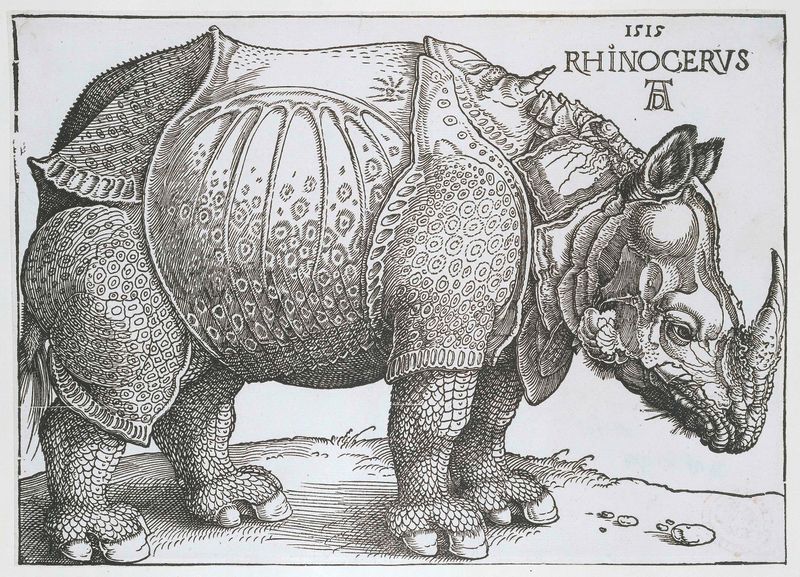
Neushoorn
Albrecht Dürer
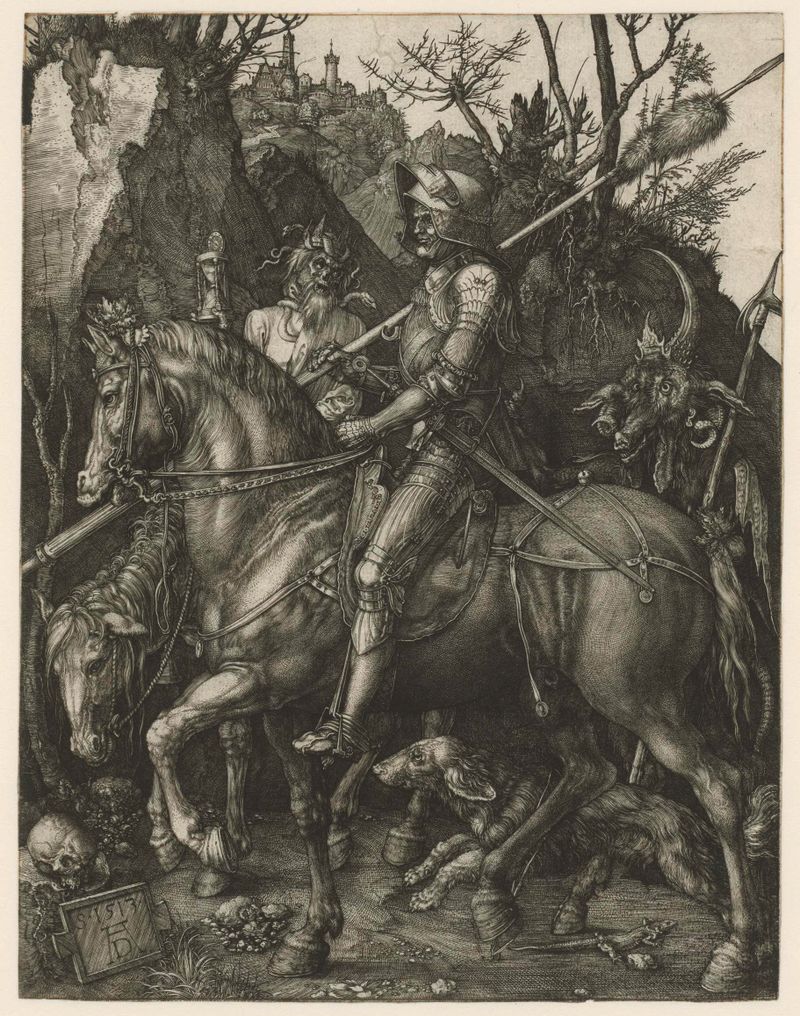
Knight, Death, and the Devil
Albrecht Dürer

De vier ruiters van de apocalyps
Albrecht Dürer

De vier ruiters van de apocalyps
Albrecht Dürer
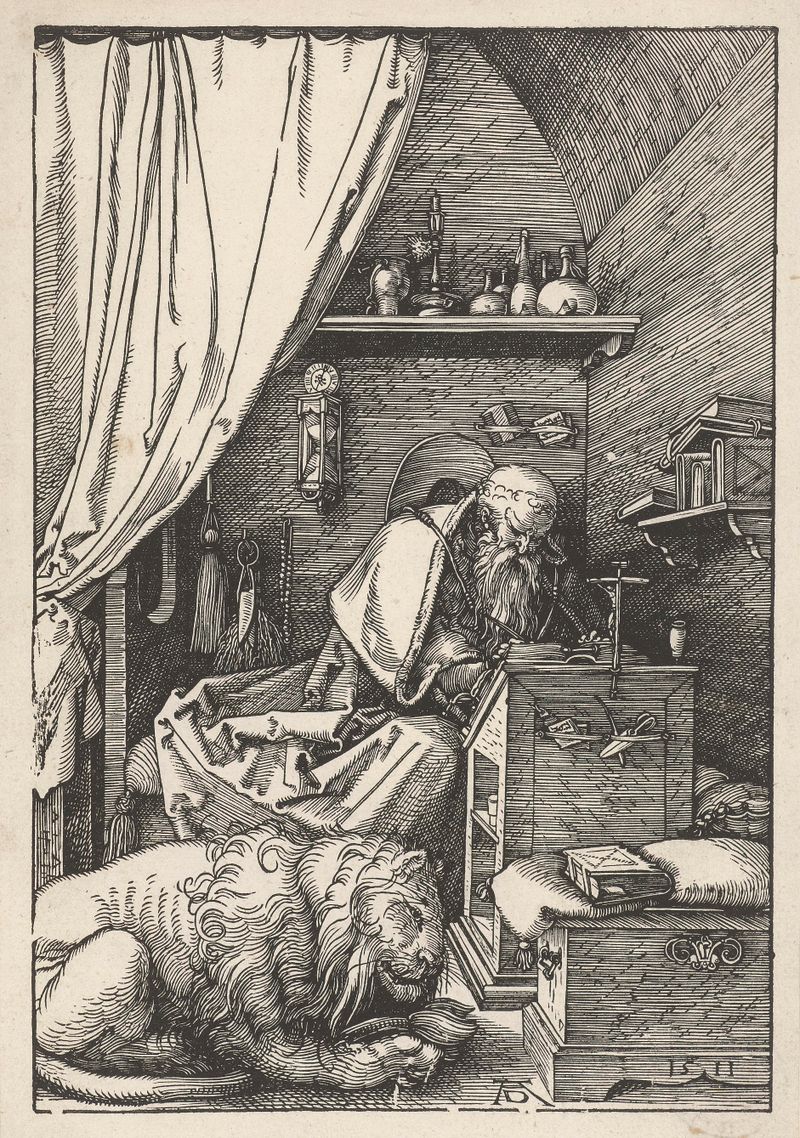
De Heilige Hiëronymus in zijn studeervertrek
Albrecht Dürer
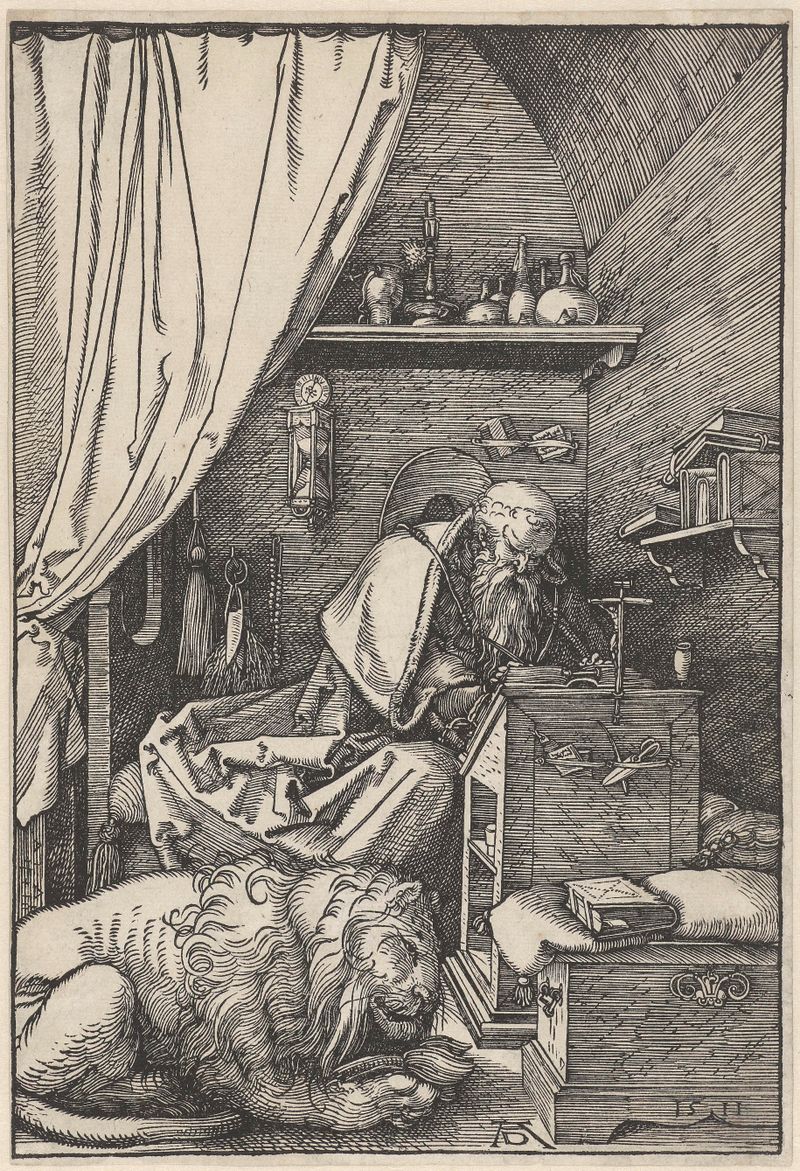
De Heilige Hiëronymus in zijn studeervertrek
Albrecht Dürer
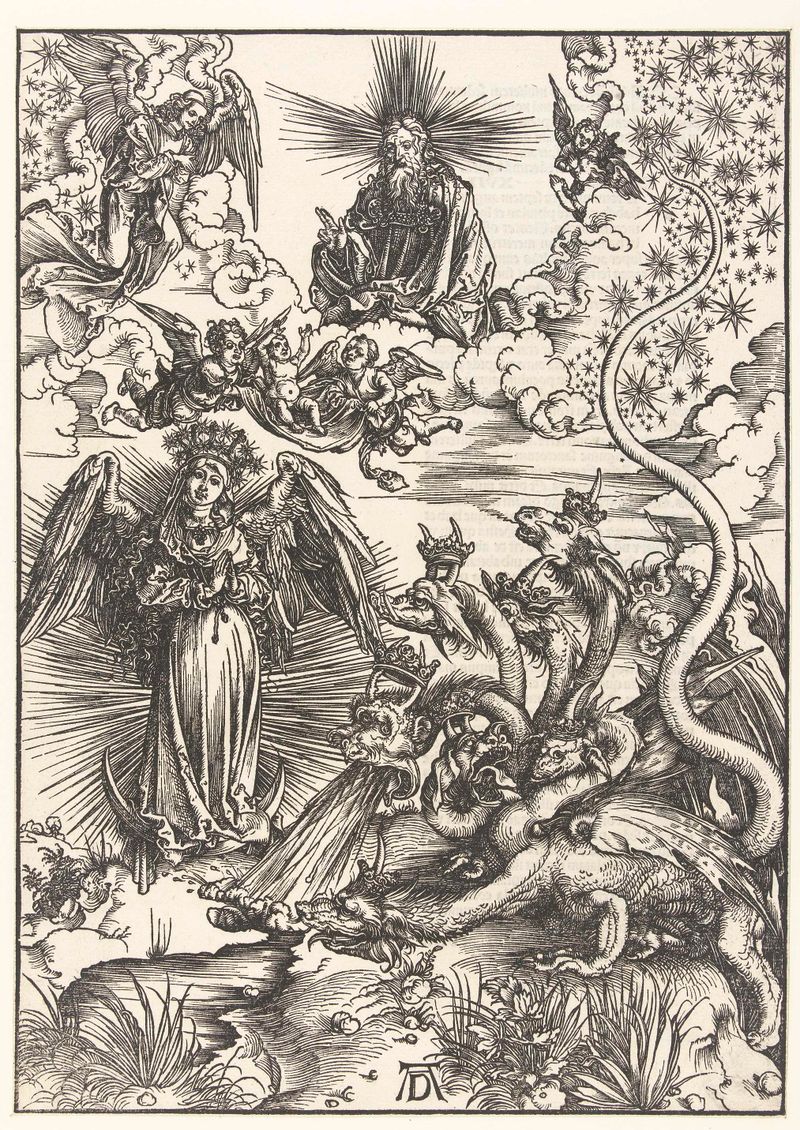
De apocalyptische vrouw en de zevenkoppige draak
Albrecht Dürer
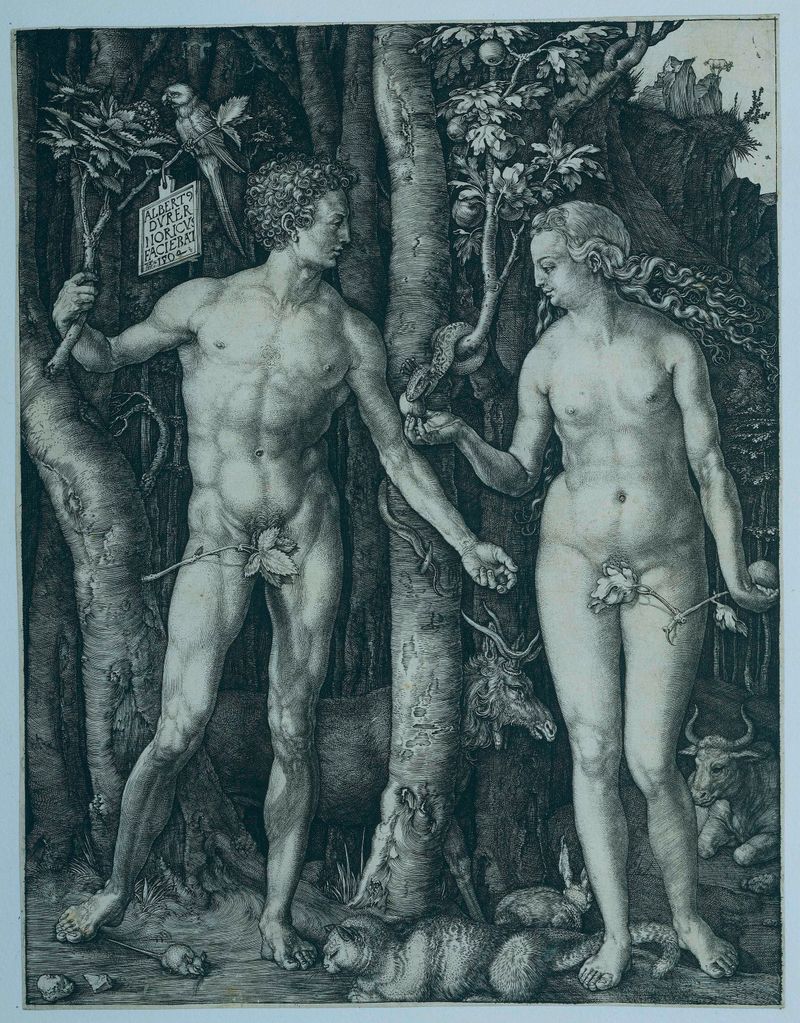
Adam en Eva
Albrecht Dürer
More Religious Art
Browse all →
The Return of the Prodigal Son
Rembrandt van Rijn

The Garden of Earthly Delights
El Bosco

Count Orgaz’ funeral
El Greco

The Hundred Guilder Print: the central piece with Christ preaching, the plate arched
Rembrandt van Rijn

The Descent from the Cross
Rogier van der Weyden

The return of the prodigal son
Rembrandt van Rijn