
De kruisdraging — History & Facts
Where does light end, and longing begin? In the intricate lines and deep shadows of this engraving, a profound legacy of suffering unfolds. Look closely at the central figure, bearing the cross, his expression a blend of despair and resolve. Notice how the stark contrasts between light and dark guide your gaze: the ethereal glow illuminating his face, juxtaposed with the heavy shadow that envelops the bystanders. The meticulous detail in the textures of the clothing accentuates the emotional weight of the scene, inviting the viewer to ponder the gravity of this moment. As you explore the surrounding figures, their gestures tell silent tales of sorrow, empathy, and the weight of compassion.
Each character is imbued with an emotional tension that speaks to the broader themes of sacrifice and redemption. The landscape itself, with its looming trees and distant mountains, mirrors the internal struggle of humanity, suggesting an eternal connection between earthly suffering and divine grace. In 1512, Dürer created this work during a time of great personal and artistic evolution. Residing in Nuremberg, he was deeply engaged in the Renaissance's exploration of humanism and spirituality, merging meticulous detail with profound themes.
This piece not only represents a pivotal moment in religious art but also reflects Dürer's own grappling with faith and legacy, capturing a transformative era in Northern European art history.
More Artworks by Albrecht Dürer
Browse all →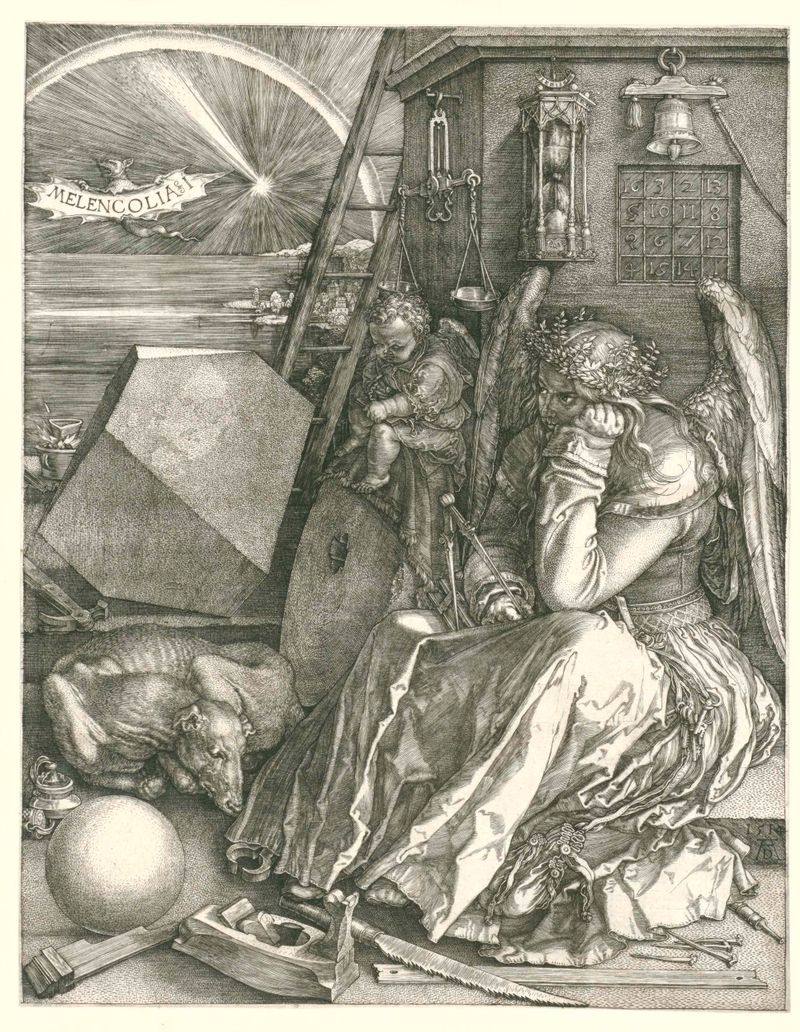
Melancholia
Albrecht Dürer
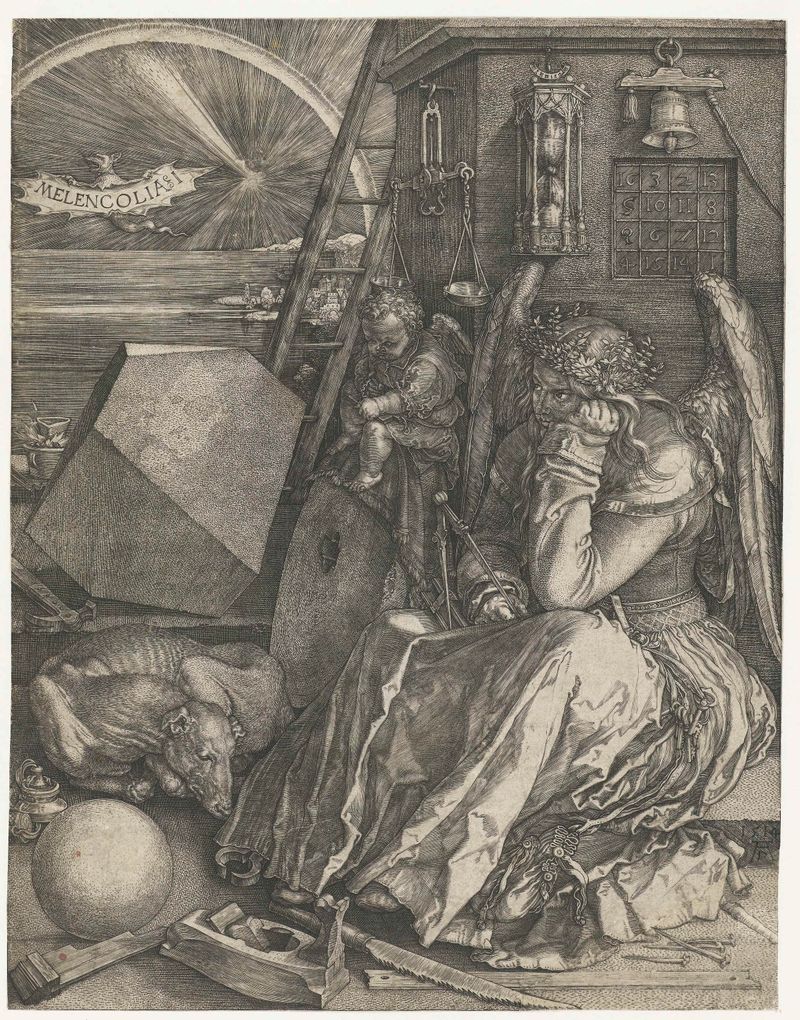
Melancholie
Albrecht Dürer

Neushoorn
Albrecht Dürer
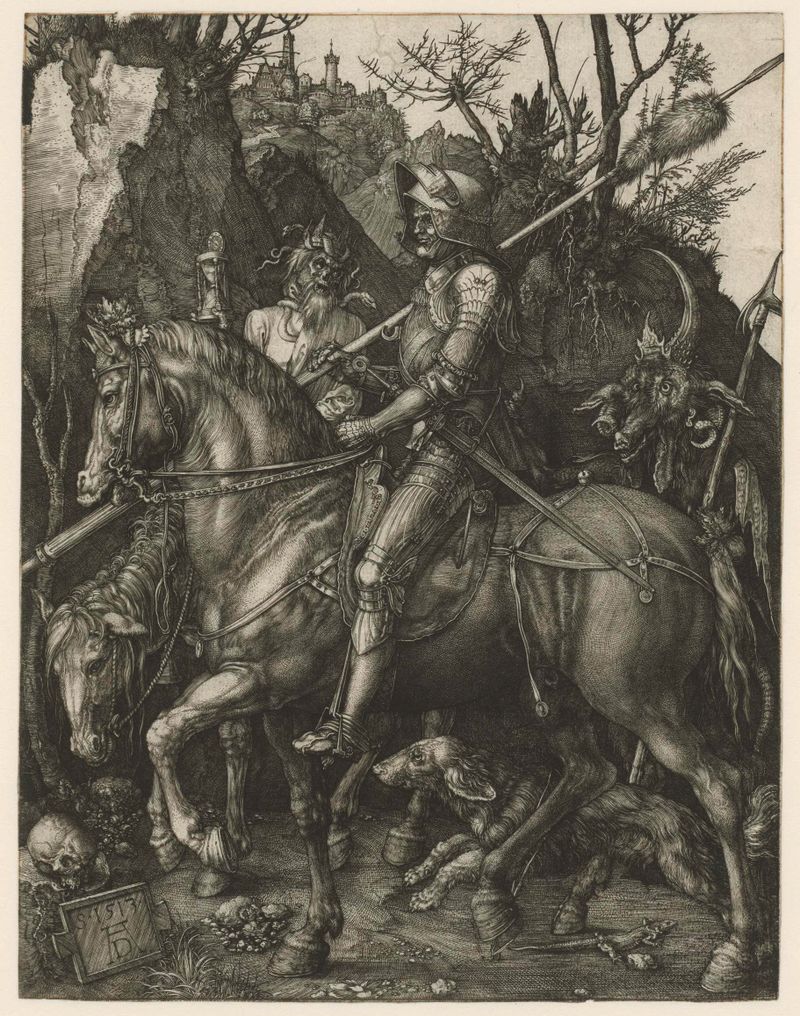
Knight, Death, and the Devil
Albrecht Dürer

De vier ruiters van de apocalyps
Albrecht Dürer

De vier ruiters van de apocalyps
Albrecht Dürer
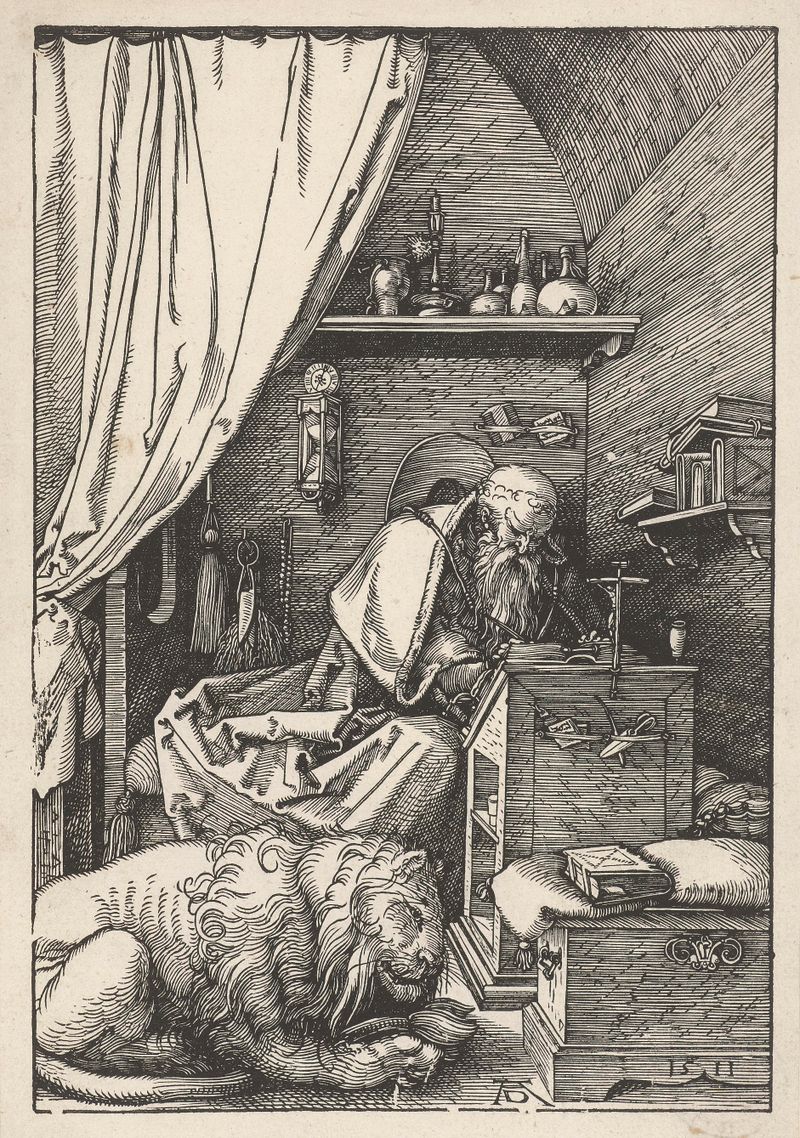
De Heilige Hiëronymus in zijn studeervertrek
Albrecht Dürer
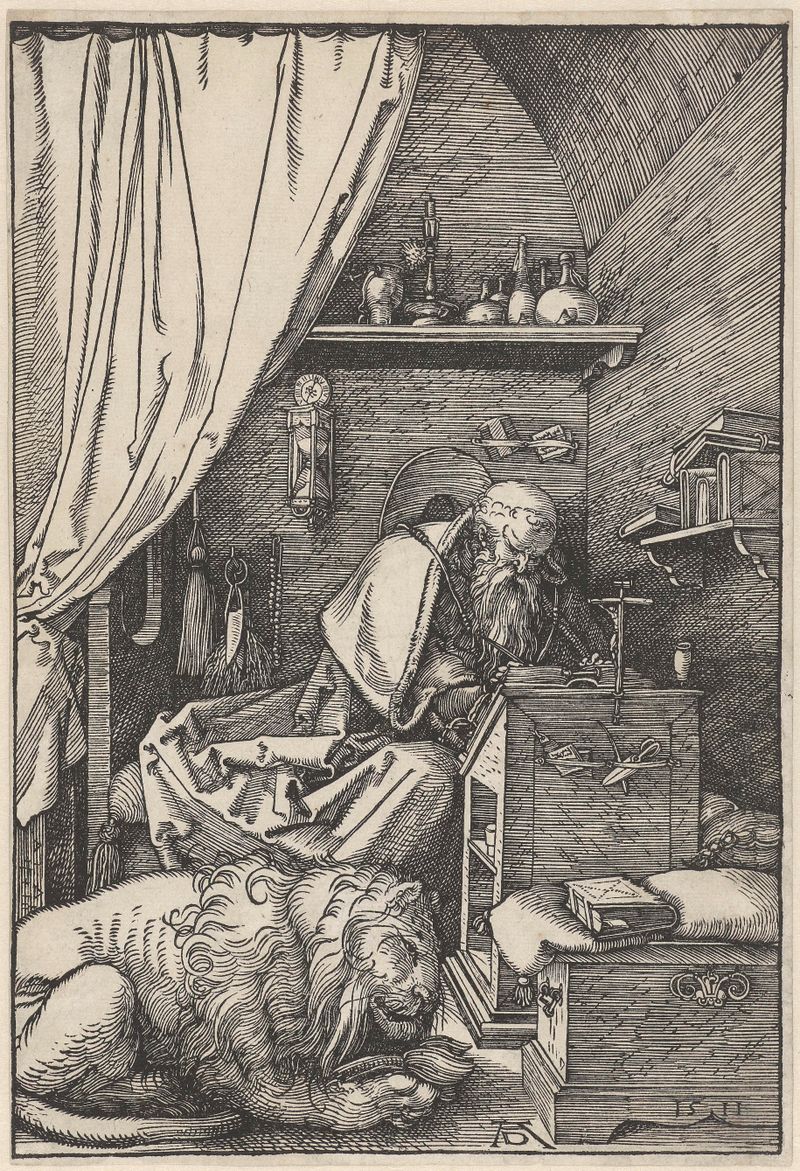
De Heilige Hiëronymus in zijn studeervertrek
Albrecht Dürer
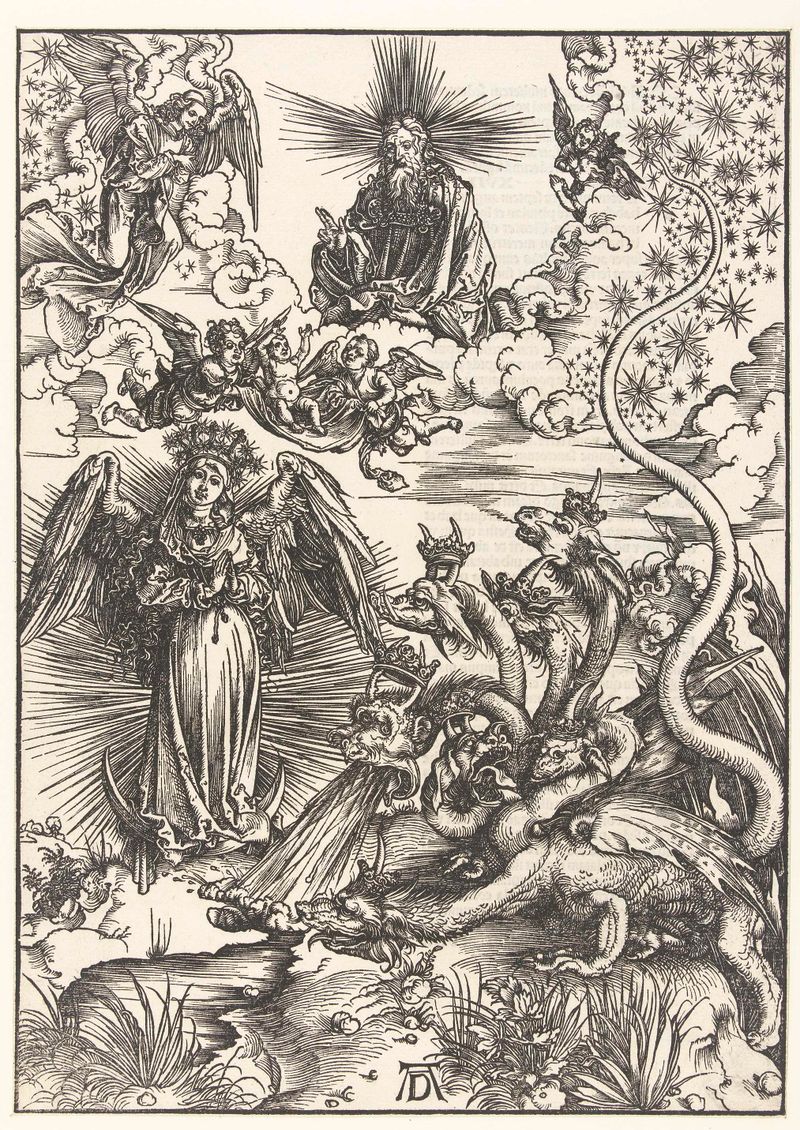
De apocalyptische vrouw en de zevenkoppige draak
Albrecht Dürer
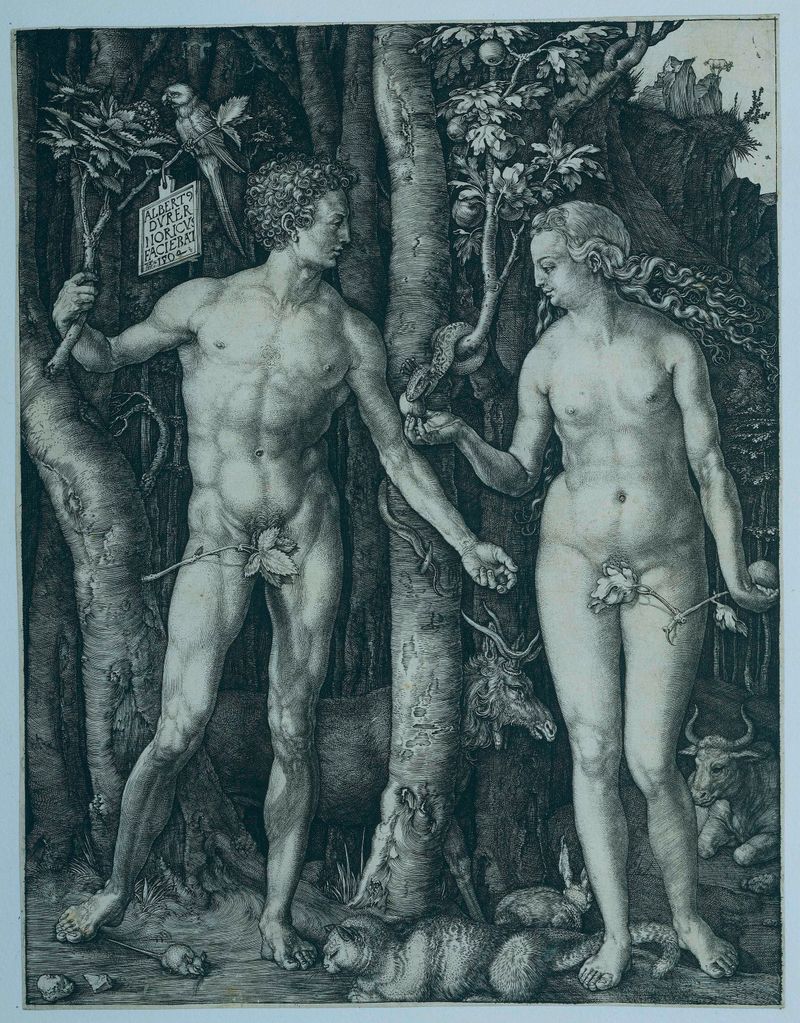
Adam en Eva
Albrecht Dürer
More Religious Art
Browse all →
The Return of the Prodigal Son
Rembrandt van Rijn

The Garden of Earthly Delights
El Bosco

Count Orgaz’ funeral
El Greco

The Hundred Guilder Print: the central piece with Christ preaching, the plate arched
Rembrandt van Rijn

The Descent from the Cross
Rogier van der Weyden

The return of the prodigal son
Rembrandt van Rijn