
De Oeverpoort in Brussel — History & Facts
Can beauty exist without sorrow? In De Oeverpoort in Brussel, Alphonse Asselbergs captures a moment that reverberates with the echoes of history, fate, and longing. Look to the left, where the delicate outlines of the ancient Oeverpoort rise against a backdrop of muted gray skies. The structure's stoic form, rendered in soft browns and dusty yellows, stands firm amidst the tapestry of nature, inviting contemplation. Notice how the painter’s brushwork creates a sense of movement in the swaying trees and the gentle ripples of the water below, infusing the scene with life while emphasizing the weight of time.
Light spills softly across the canvas, drawing the eye toward the bridge as it connects the past with the present. Beneath the surface, this artwork speaks of contrasts: the enduring stone of the gate juxtaposed against the fluidity of nature, the fleeting moments of sunlight battling the encroaching shadows. Each detail, from the delicate reflections in the water to the subtle hints of color in the foliage, suggests a deeper narrative—the intertwining of destiny and beauty, where every element carries the weight of history and emotion. This duality invites the viewer to ponder the stories held within these walls, echoing the lives that have passed through. Alphonse Asselbergs painted De Oeverpoort in Brussel in 1874, during a time of personal exploration and artistic evolution.
Living in Belgium, he was influenced by the burgeoning realism movement, seeking to capture a sense of place and identity. This work reflects not only his mastery of landscape painting but also the cultural and historical significance of Brussels, a city at the crossroads of tradition and modernity.
More Artworks by Alphonse Asselbergs
Browse all →
The Heath
Alphonse Asselbergs
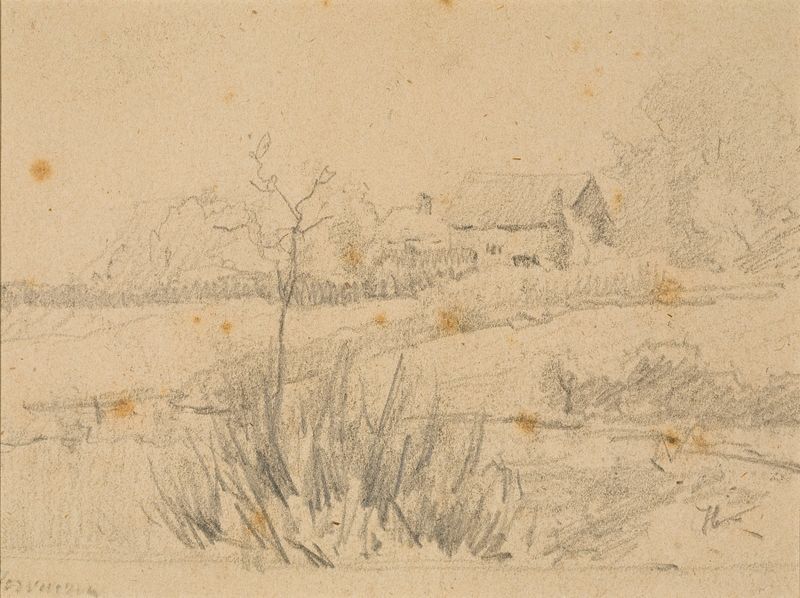
Farmhouse at Tervueren
Alphonse Asselbergs

Village-view
Alphonse Asselbergs

The Porte du Rivage in Brussels
Alphonse Asselbergs

Fen in the Kempen
Alphonse Asselbergs
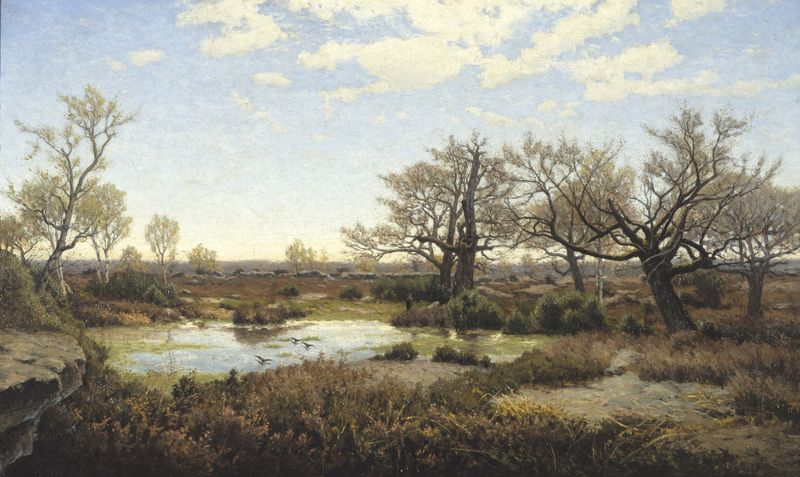
‘La Mare aux Fées’ at Fontainebleau
Alphonse Asselbergs
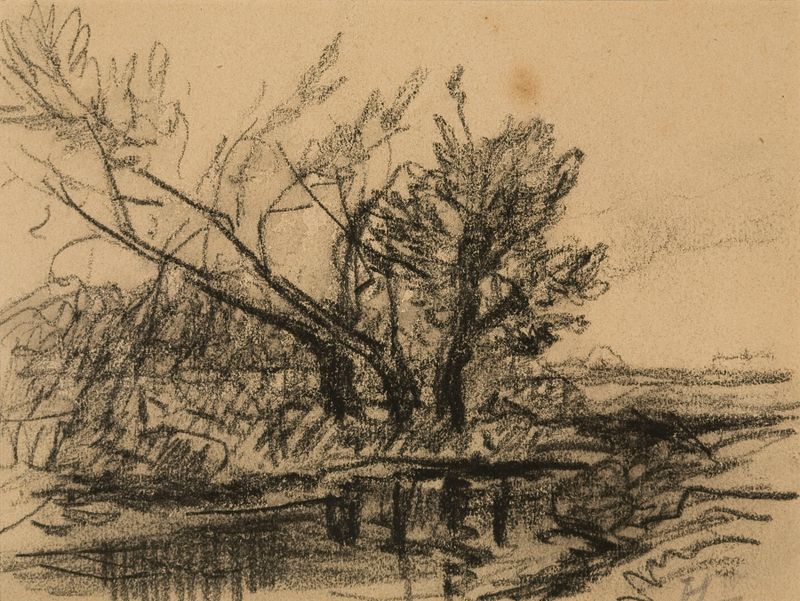
Trees near a Pond
Alphonse Asselbergs
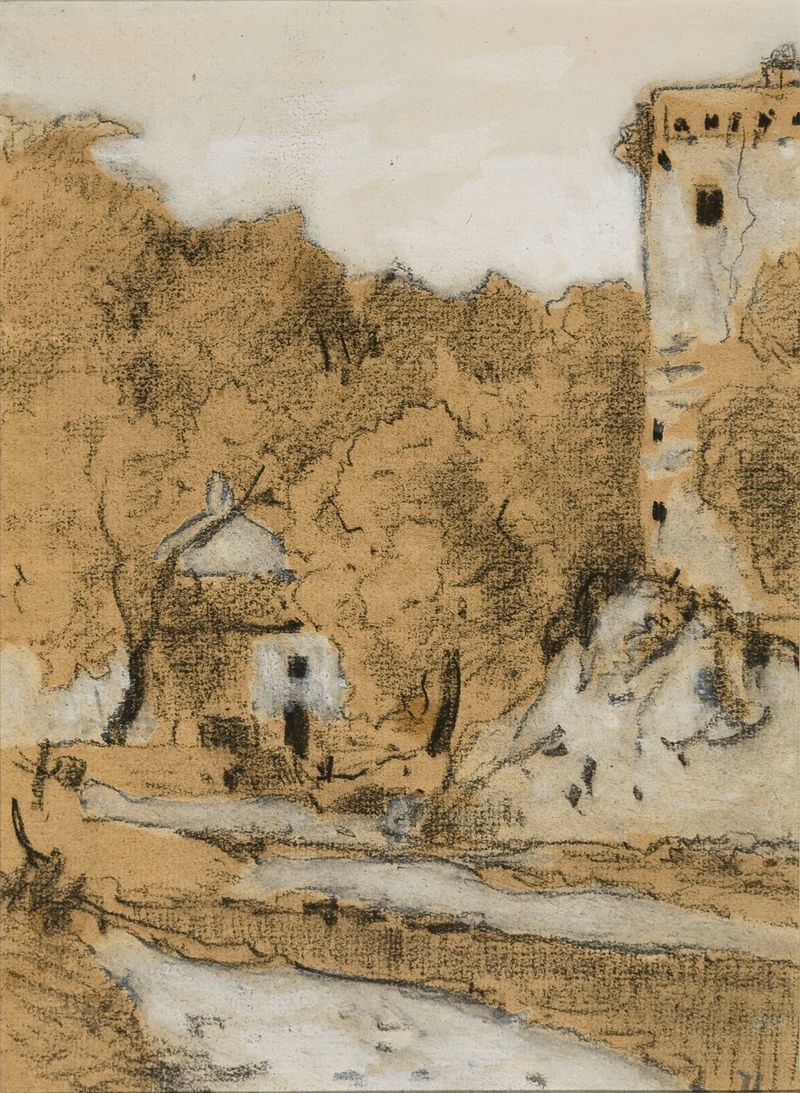
Tower and Ruins in Italy
Alphonse Asselbergs
More Architecture Art
Browse all →
The statue of Liberty
Frédéric Auguste Bartholdi

View of Houses in Delft, Known as ‘The Little Street’
Johannes Vermeer

View of Houses in Delft, Known as ‘The Little Street’
Johannes Vermeer

The Cathedral in Rouen. The portal, Grey Weather
Claude Monet

The yellow house
Vincent van Gogh

The Church in Auvers-sur-Oise, View from the Chevet
Vincent van Gogh