
Village-view — History & Facts
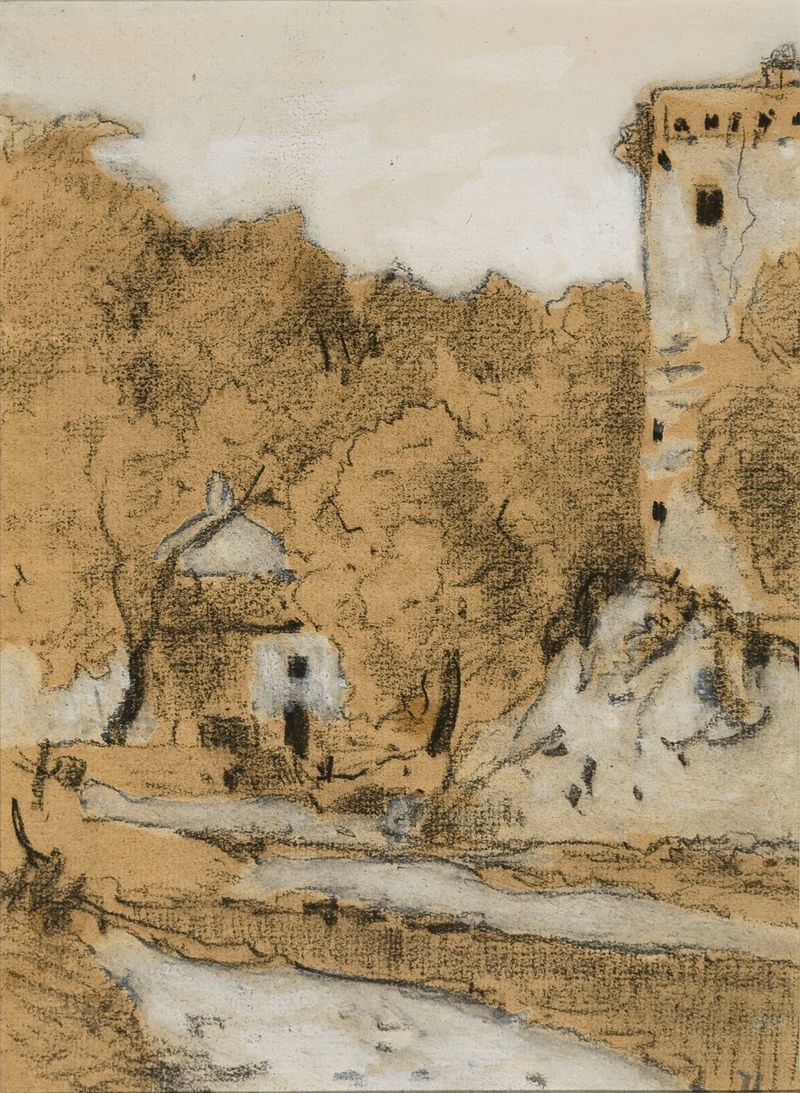
In the quiet embrace of a dream, we find solace and the whispers of forgotten places. Here, within the strokes of a brush, lies a tranquil village waiting to be discovered. Look to the foreground where quaint cottages nestle against lush greenery, their thatched roofs gently curving like the hills surrounding them. The delicate interplay of light and shadow bathes these structures in a warm glow, inviting you to linger a little longer.
Notice how the vibrant reds and earthy browns of the buildings contrast beautifully with the soft pastel blues of the sky, creating a harmonious balance that pulls you into this idyllic scene. Yet beneath this serene surface, a subtle tension simmers. The empty pathways meander toward the houses, hinting at stories untold and lives lived in quiet obscurity. The absence of people suggests a moment frozen in time, where the vibrancy of life seems just out of reach, allowing an introspective sadness to seep in.
It’s a reminder that beauty often exists alongside solitude, crafting a complex emotional fabric that resonates with viewers. In his studies of rural landscapes, Alphonse Asselbergs embraced a period in the late 19th century when artists were increasingly drawn to the charm of everyday life. At this time, he painted in the Netherlands, where burgeoning industrialization threatened the tranquility of village life. It was a moment of reflection for many artists, seeking to capture the essence of simplicity in a rapidly changing world, and Asselbergs’ work serves as a poignant testament to that fleeting beauty.
More Artworks by Alphonse Asselbergs
Browse all →
The Heath
Alphonse Asselbergs
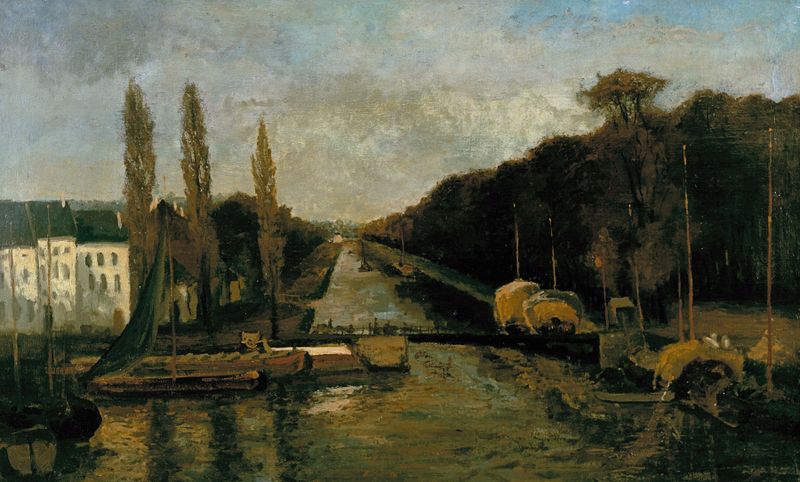
De Oeverpoort in Brussel
Alphonse Asselbergs
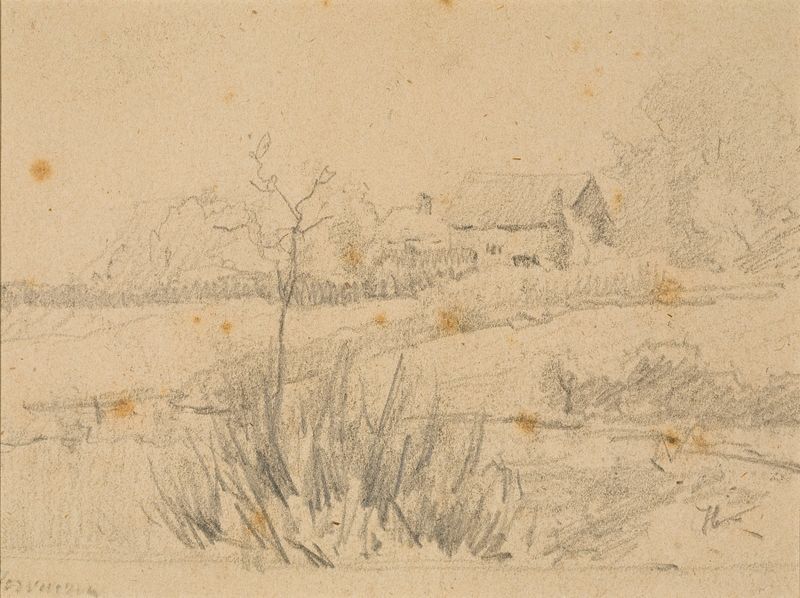
Farmhouse at Tervueren
Alphonse Asselbergs

The Porte du Rivage in Brussels
Alphonse Asselbergs

Fen in the Kempen
Alphonse Asselbergs
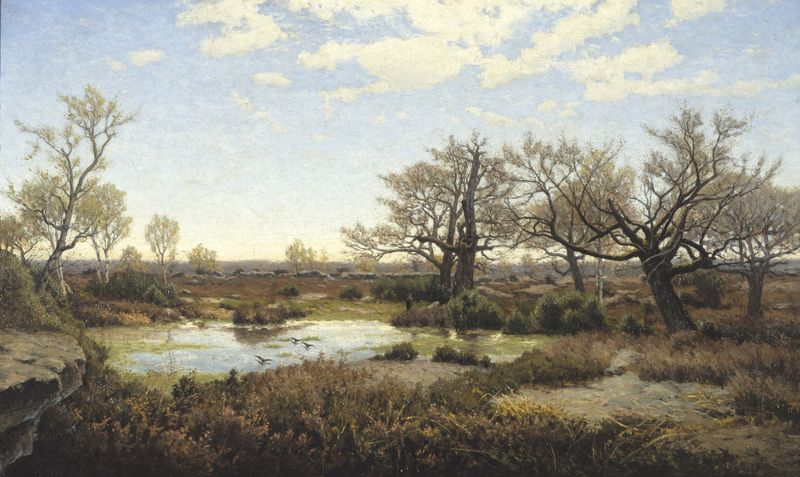
‘La Mare aux Fées’ at Fontainebleau
Alphonse Asselbergs
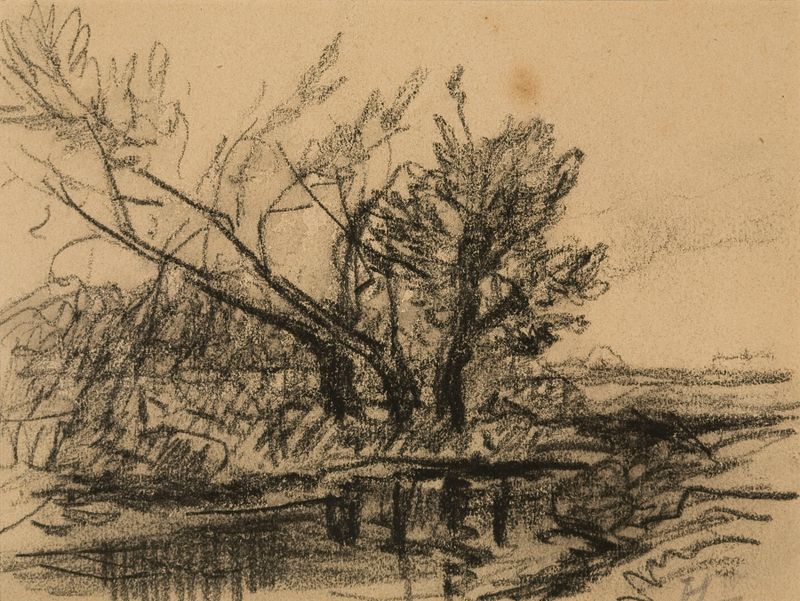
Trees near a Pond
Alphonse Asselbergs
Tower and Ruins in Italy
Alphonse Asselbergs





