
Fen in the Kempen — History & Facts
Is this a mirror — or a memory? In the tranquil embrace of nature, the boundary between reality and dreams blurs, inviting the viewer to wander through a world painted in soft hues of nostalgia. First, look to the center, where the water's surface reflects the sky, creating a seamless transition between the two realms. Notice how Asselbergs employs gentle strokes of green and blue, seamlessly merging the fen's lush vegetation with the ethereal atmosphere. The delicate play of light dances along the water, making it pulse with life, while shadows from nearby trees frame the composition, drawing your gaze deeper into the scene. As you explore further, take note of the figures at the water's edge, seemingly absorbed in their own thoughts, lost in the placid landscape.
Their quietude contrasts with the vibrant surrounding colors, suggesting a profound connection to both the landscape and their inner worlds. This moment captures the essence of stillness, where time seems suspended—an invitation to delve into one's own memories, evoking a sense of longing and contemplation. Alphonse Asselbergs painted this serene piece in 1878 while living in Belgium, a period marked by a growing interest in landscape painting. The late 19th century saw a shift towards realism and impressionism, and Asselbergs was influenced by Dutch masters, emphasizing atmospheric effects and natural beauty.
This work reflects not only his personal journey but also the broader artistic movements that shaped the era.
More Artworks by Alphonse Asselbergs
Browse all →
The Heath
Alphonse Asselbergs
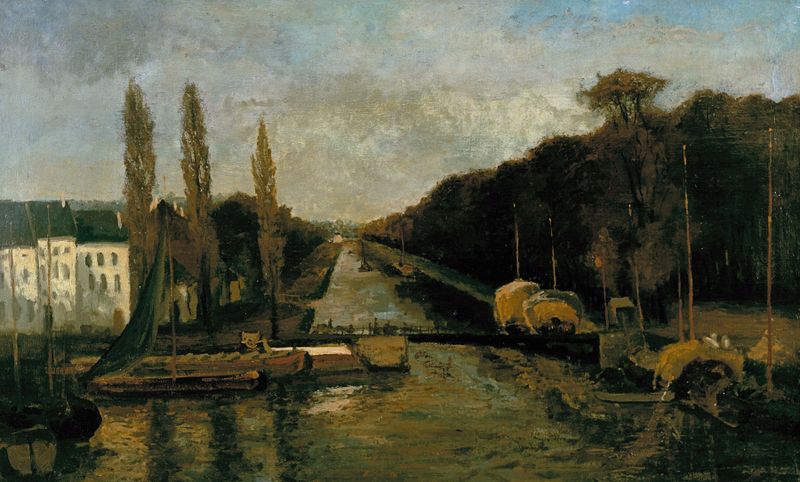
De Oeverpoort in Brussel
Alphonse Asselbergs
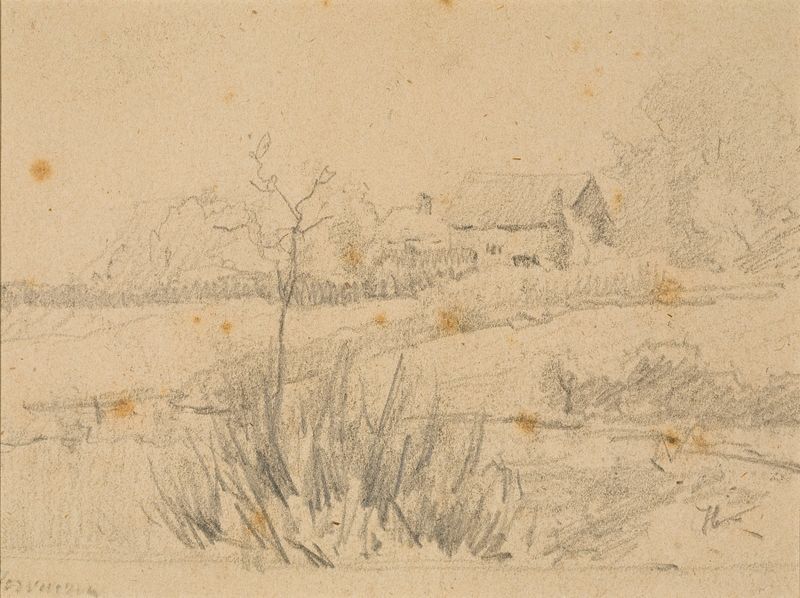
Farmhouse at Tervueren
Alphonse Asselbergs

Village-view
Alphonse Asselbergs

The Porte du Rivage in Brussels
Alphonse Asselbergs
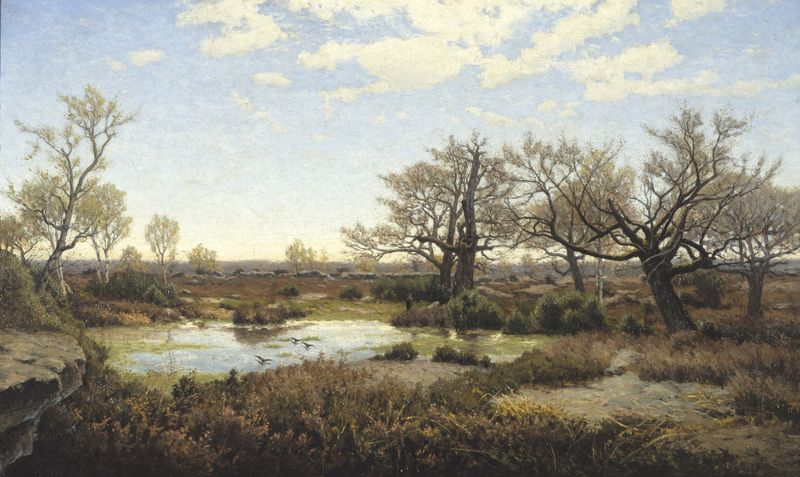
‘La Mare aux Fées’ at Fontainebleau
Alphonse Asselbergs
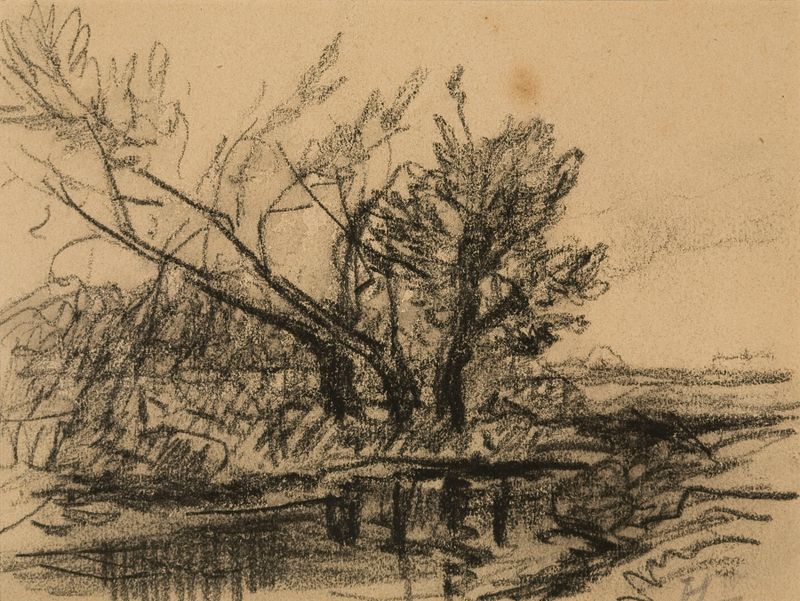
Trees near a Pond
Alphonse Asselbergs
Tower and Ruins in Italy
Alphonse Asselbergs





